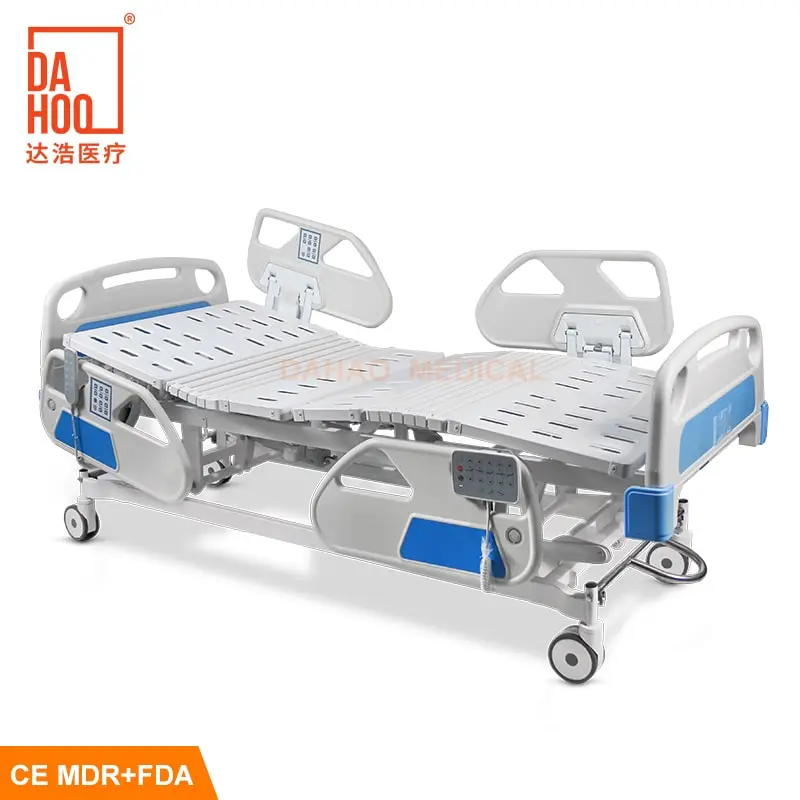
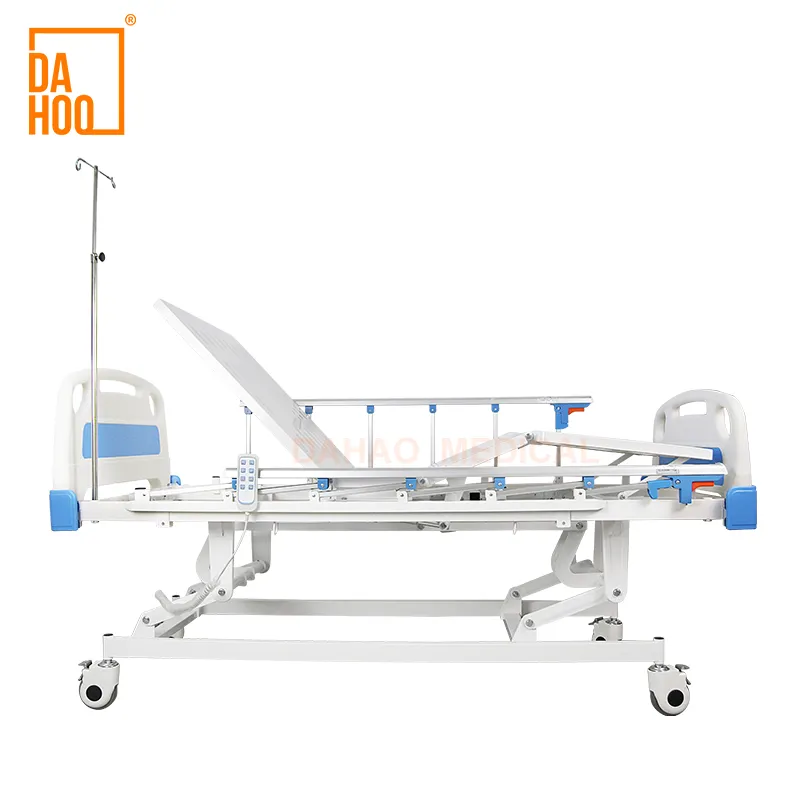
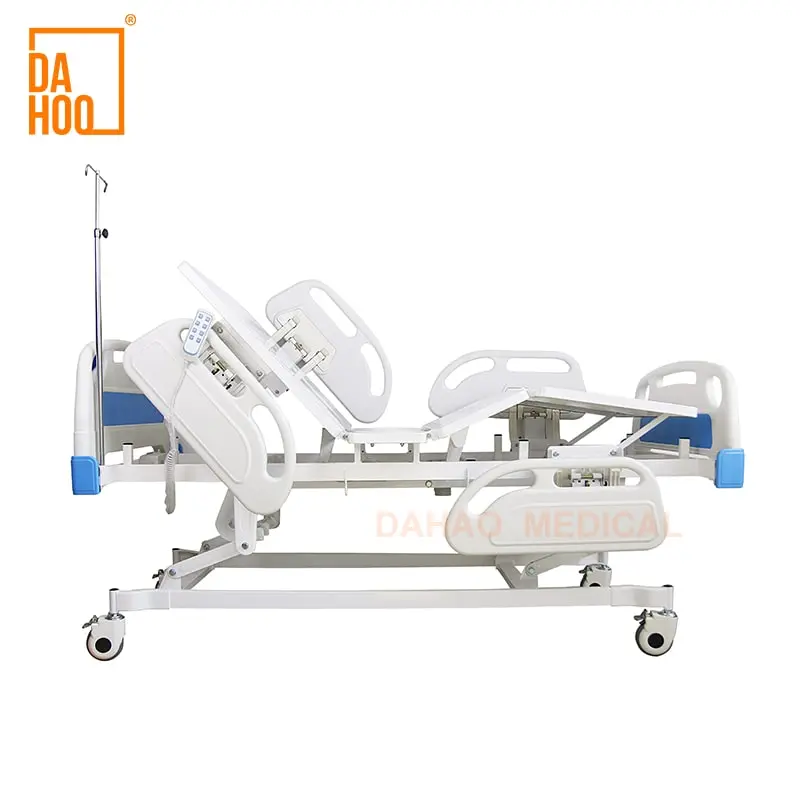
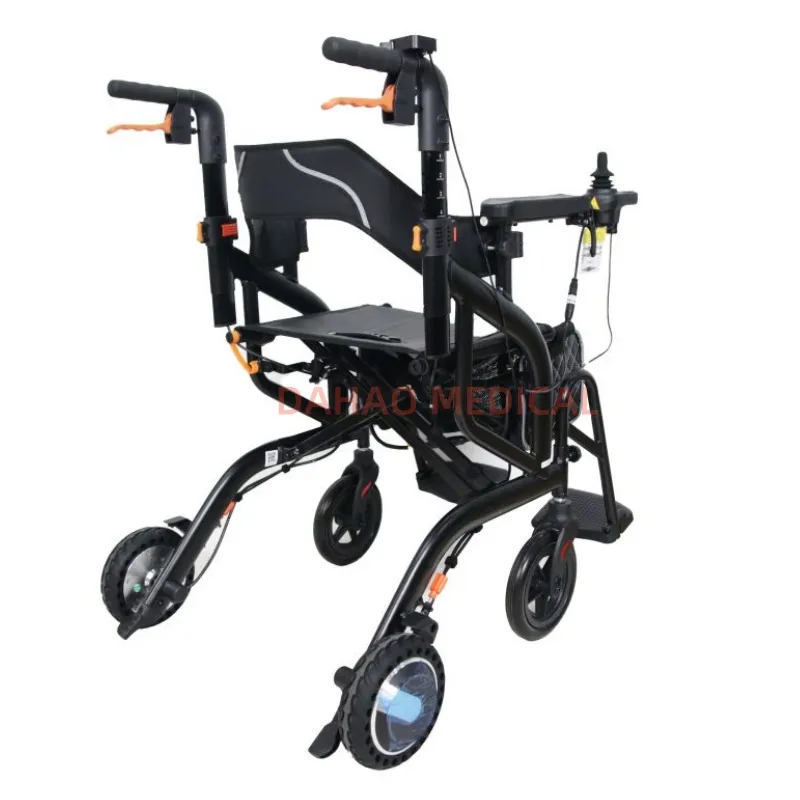
During a power outage, an electric adjustable hospital bed will not suddenly spiral out of control, nor will it spontaneously collapse. Instead, its adjustment functions will simply pause—remaining fixed at their current position.
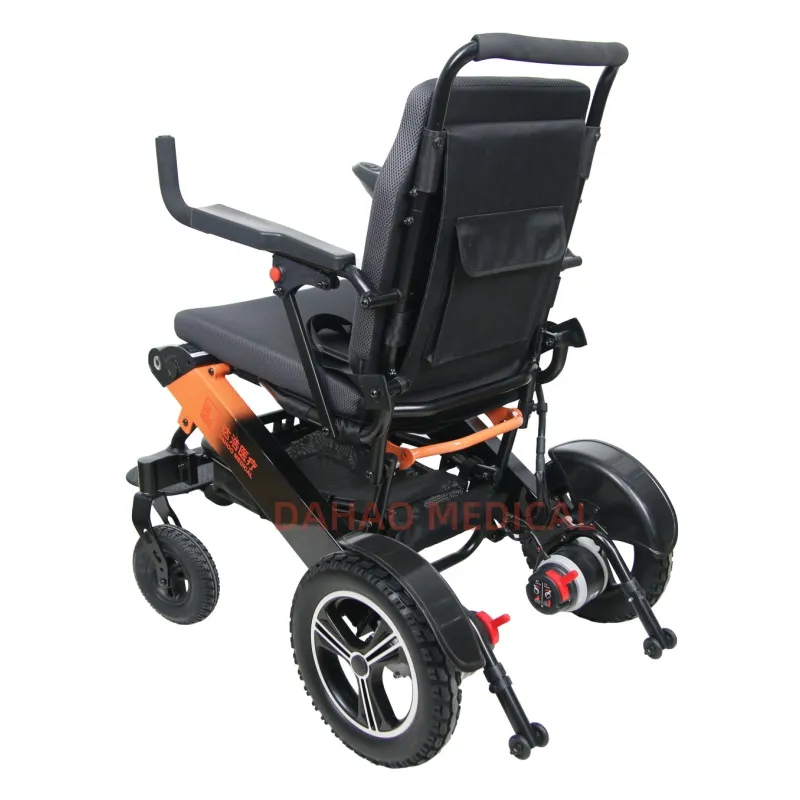
Step 1: Ensure the power is turned off.
Step 2: Locate the "clutch release mechanisms" situated on either side of the motors.
Step 3: Switch the clutch from "Electric Mode" to "Manual Mode."
Step 4: Both motors—on the left and right sides—must be unlocked simultaneously.
Step 5: Verify that the rear wheels are now free to roll.
Step 6: Push the chair from behind while guiding its direction.
Step 7: Once you have reached your destination, return the clutch to "Electric Mode."
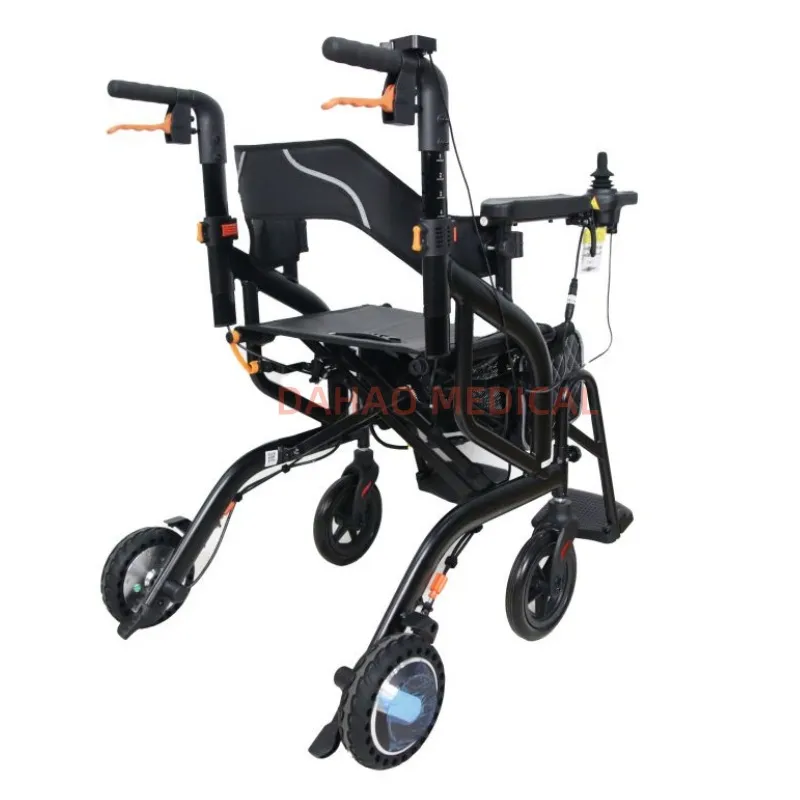
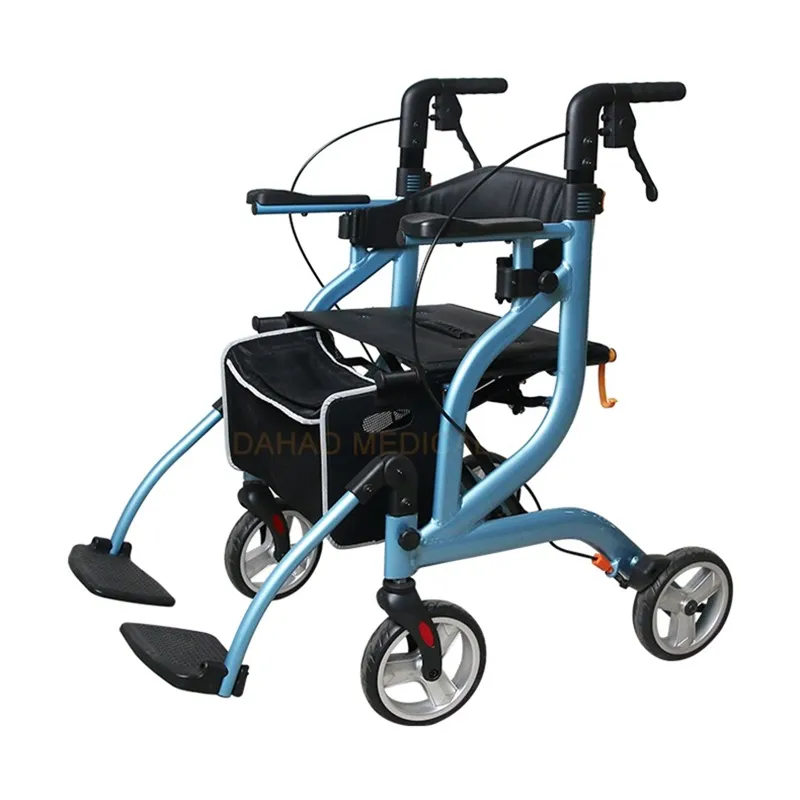
There is no absolute "better" option—only the one that is "more suitable." However, for most individuals with compromised balance or those requiring more secure support, the 4-wheel rollator walker is typically the superior choice.
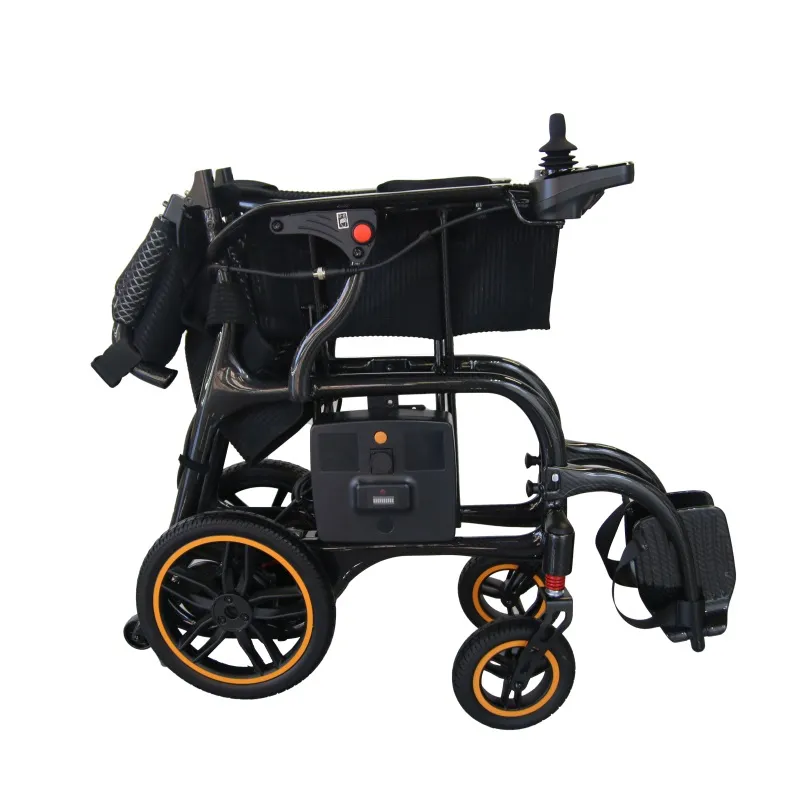
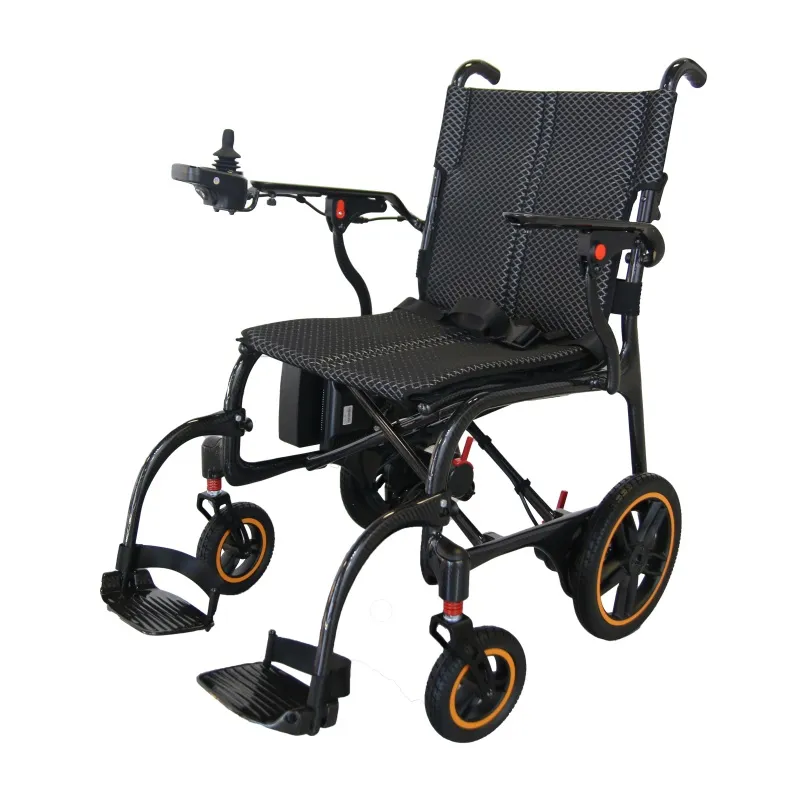
As long as the applied load does not exceed the specific load-bearing threshold of its components, a carbon fiber wheelchair is generally not prone to breaking.
Many standard carbon fiber wheelchairs feature a rated load capacity of approximately 300 pounds—or about 136 kilograms.
Absolutely not!
A 4-wheeled rollator is a "walking aid," not a "transportation tool."
Its design purpose is to help users walk independently and maintain balance, not to be pushed by others or to be sat on and propelled.
Compared to the fixed structure of standard hospital beds, adjustable beds allow for more precise control of the bed surface angle, resulting in smoother and more natural posture changes.
From a material performance perspective: By weight, carbon fiber's strength and stiffness are indeed far superior to steel. This is a major reason why many high-performance structures use carbon fiber.
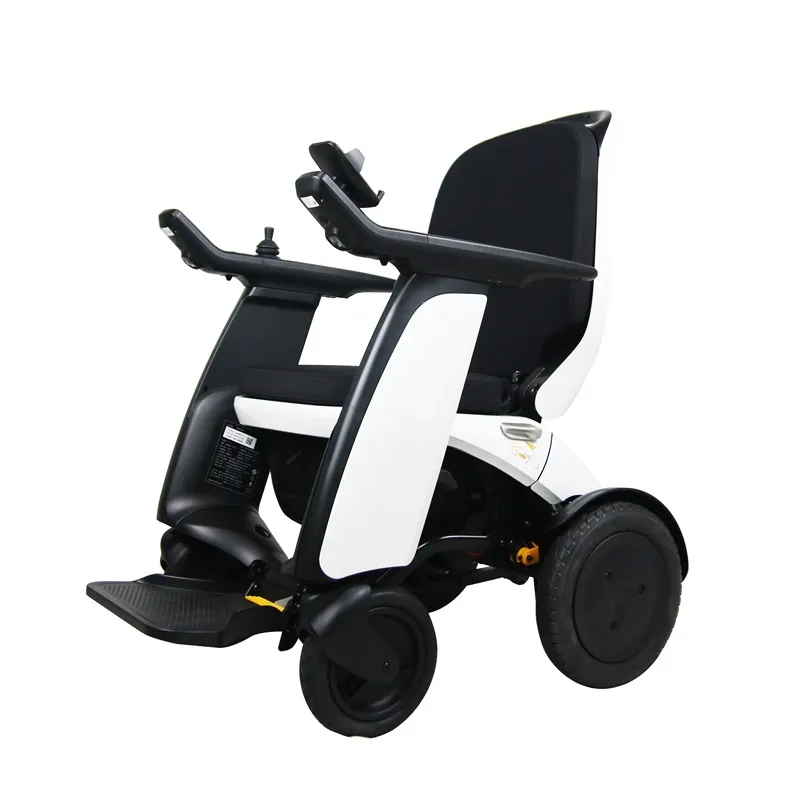
Whether called Power Wheelchair or Electric Wheelchair, they both belong to the category of electrically powered wheelchairs. Essentially, they refer to wheelchairs powered by motors, batteries, and control systems, designed to provide independent, easy, and reliable mobility for people with mobility limitations.
Based on the energy consumption profile, we can conclude:
• The motor typically operates for less than 5 minutes per day.
• Its average power consumption is significantly lower than that of common household appliances.
In other words, the electricity cost of an electric adjustable bed poses virtually no financial burden on one's daily life.
The following situations suggest that you may benefit from using a 4-wheeled walker:
1. You frequently feel unsteady or wobbly while standing.
2. You experience an unsteady gait or drift to one side while walking.
3. You lose your center of gravity when turning corners.
4. You feel weakness in your legs or tire easily.