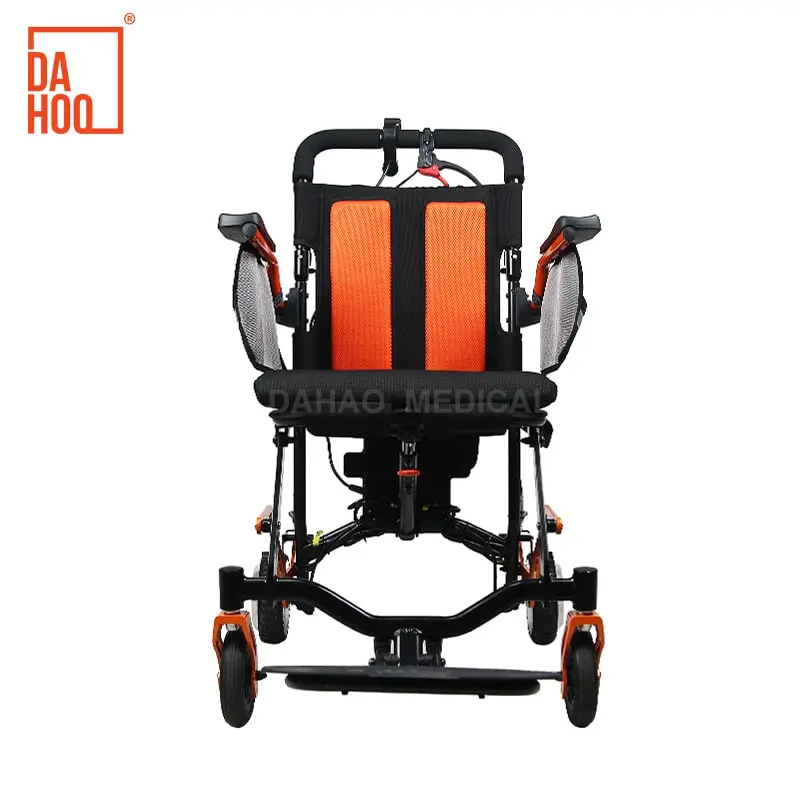

Considering the characteristics of lithium batteries and practical usage needs, the most reasonable charging range for most electric wheelchair users is usually:
80%–90%
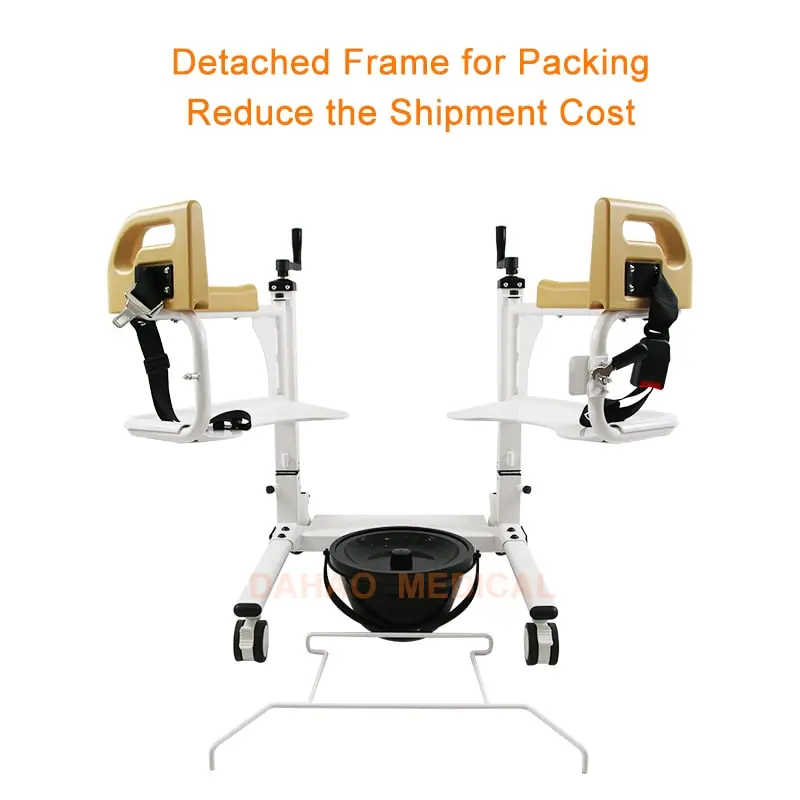
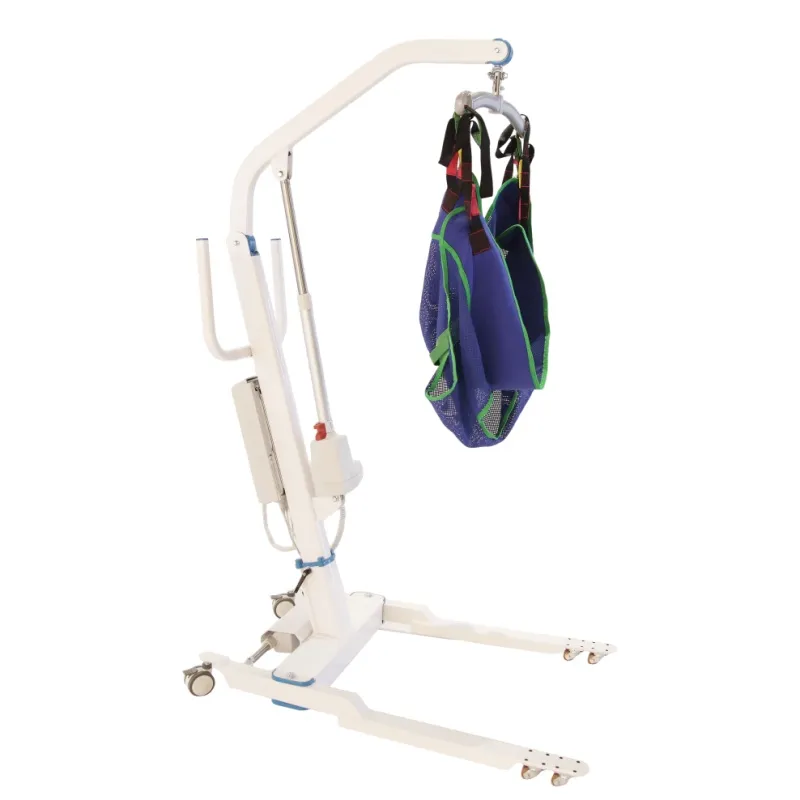
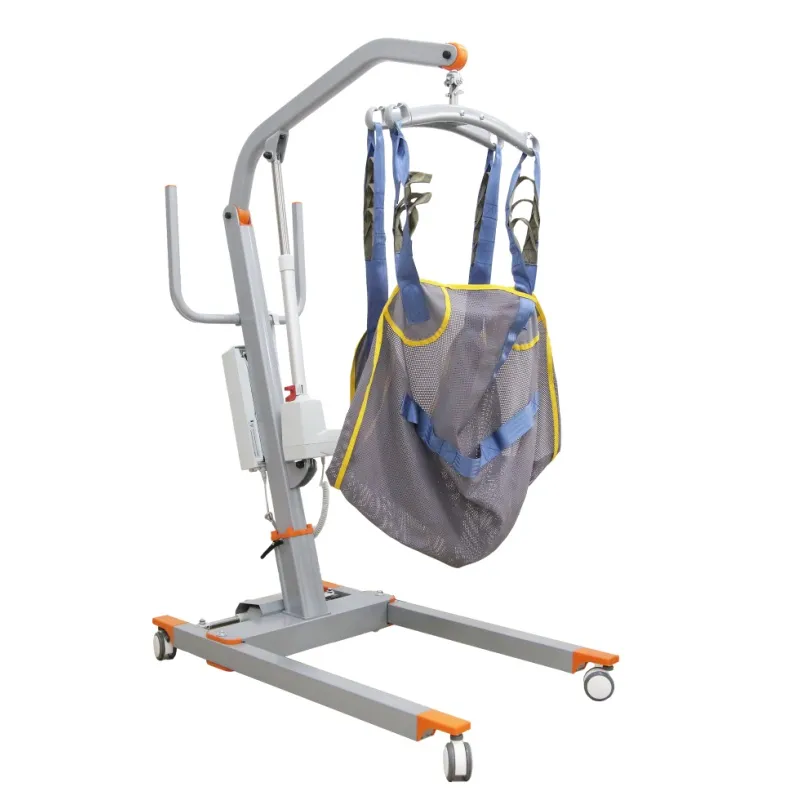
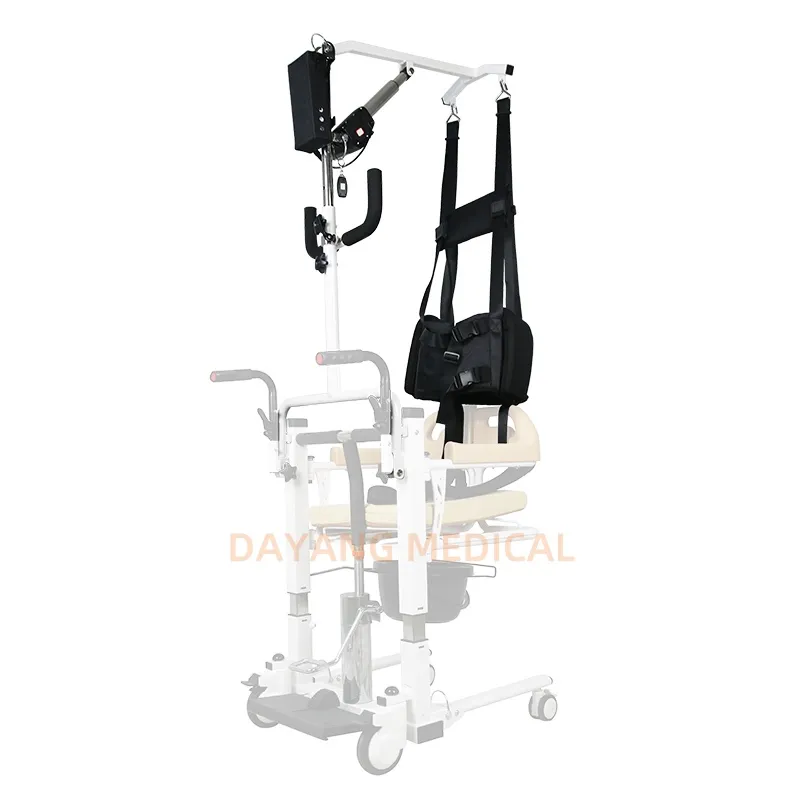
A lift transfer chair is a professional assistive mobile device designed specifically for people with limited mobility, the elderly, people with disabilities, post-operative patients, and those requiring nursing assistance.
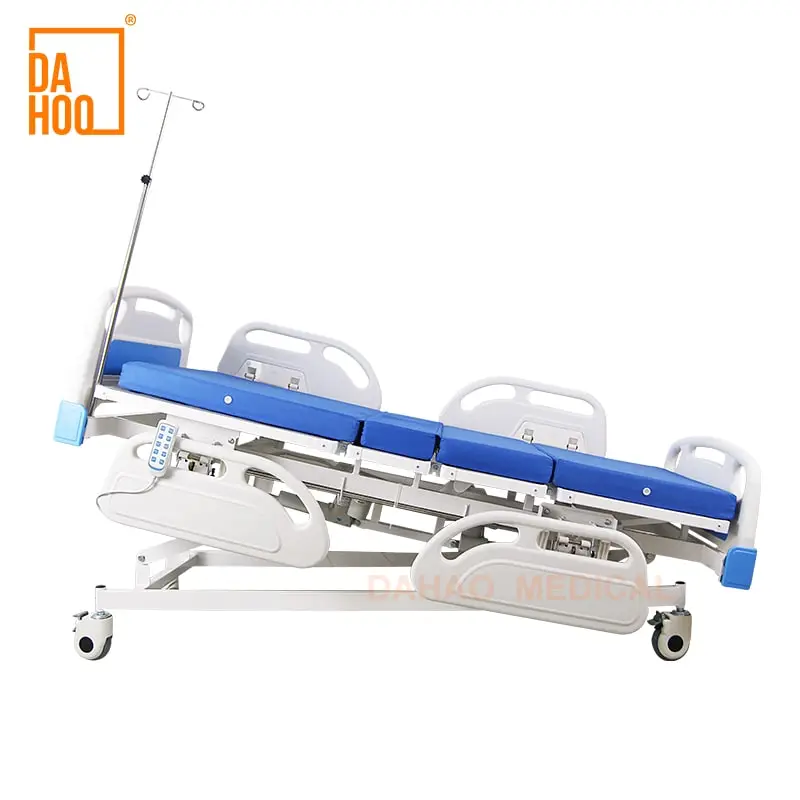
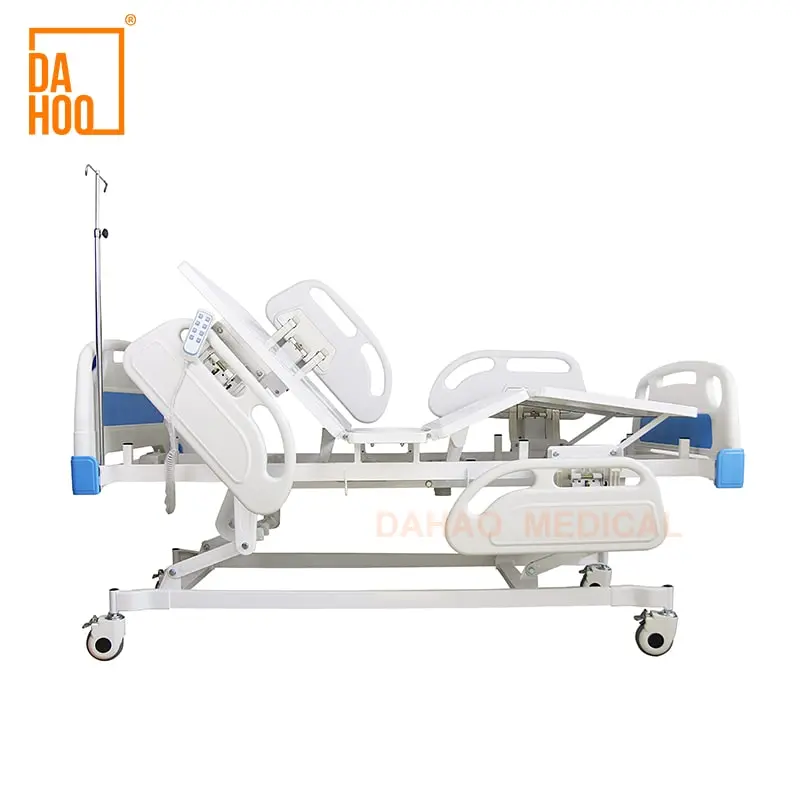
There are many classification standards for medical beds, the most common of which include: by power mode (manual, semi-electric, and fully electric); and by usage scenario (general nursing beds and ICU beds).
Yes. You can bring a lightweight electric wheelchair on a plane, but you must check the airline's specific regulations in advance and follow the rules regarding lithium batteries, security procedures, check-in procedures, and cargo hold storage.
You can assess this by considering the following:
• Is your walking stable?
• Are you prone to losing your balance?
• Do you frequently feel fatigued?
• Are you worried about falling?
• Do you need external support?
If multiple signals appear simultaneously, then a rollator has likely become a necessary and appropriate assistive tool.
Care beds are fundamentally different from regular beds; their core function is not just "sleeping," but rather providing care. Regular mattresses cannot accommodate the multi-angle adjustments, electric height adjustment, and anti-slip structures of care beds, and may even pose risks during use.
The seats in 4-wheel rollator walkers are typically lightweight, designed to:
• Provide short breaks
• Prevent user fatigue from prolonged standing
• Help users temporarily recover energy while walking
But it is absolutely not designed for "sitting and gliding" or "being pushed around."
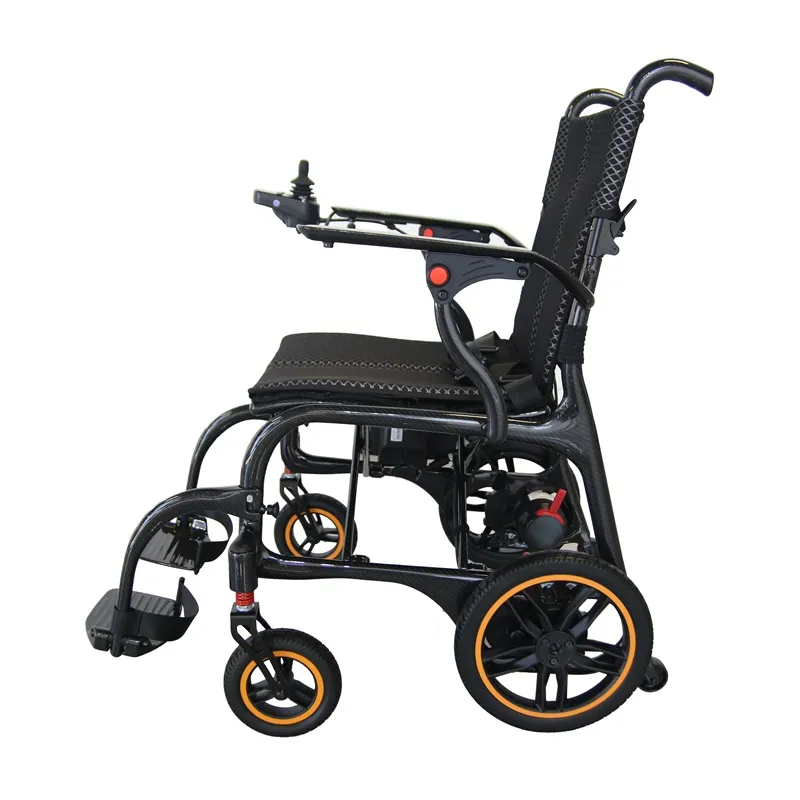
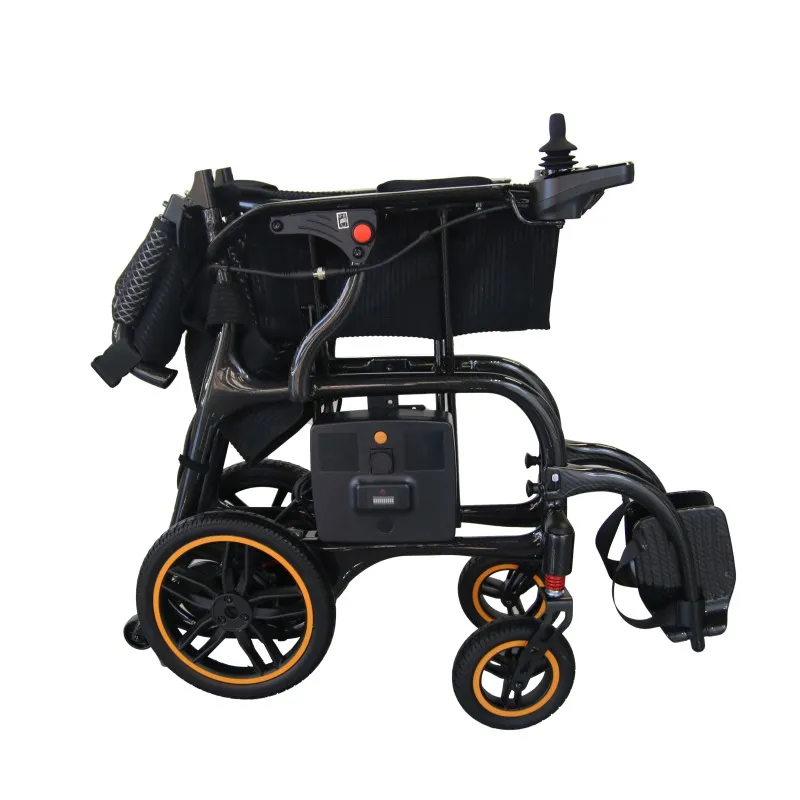
Carbon fiber electric wheelchairs excel in the following key indicators:
• Lighter overall weight
• Higher structural strength
• Better handling experience
• Greater convenience of travel
• Better meets the needs of modern users for electric wheelchairs
Before lifting a patient, the following actions are prohibited:
• Failure to check that the patient lifter is in normal working order
• Failure to confirm that the lifting system is functioning smoothly
• Failure to confirm that the base is stable
• Failure to confirm that the sling connections are secure
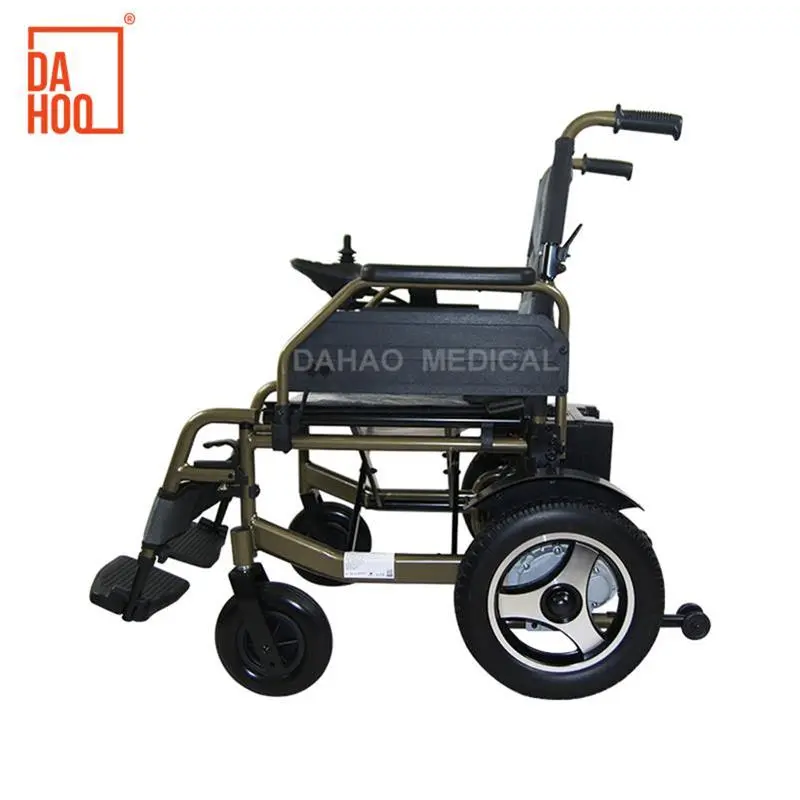
Electric wheelchairs are important devices for improving freedom of movement, but they do have some issues that cannot be ignored, including:
• Reduced battery life leading to shorter range
• Heavy weight making them difficult to move
• Insufficient adaptability to complex terrain
• High maintenance costs etc.