

For individuals with compromised balance, selecting the appropriate walking aid is not merely a matter of safety during movement; it directly impacts their level of independence in daily life and their overall quality of life. Among the wide array of assistive tools available, the 4-wheel rollator is widely regarded as the ideal choice due to its exceptional stability, ease of use, and versatility.
So, why does the 4-wheel rollator stand out from the crowd? And why is it considered particularly suitable for users with poor balance? This article will provide a comprehensive analysis addressing these core questions.
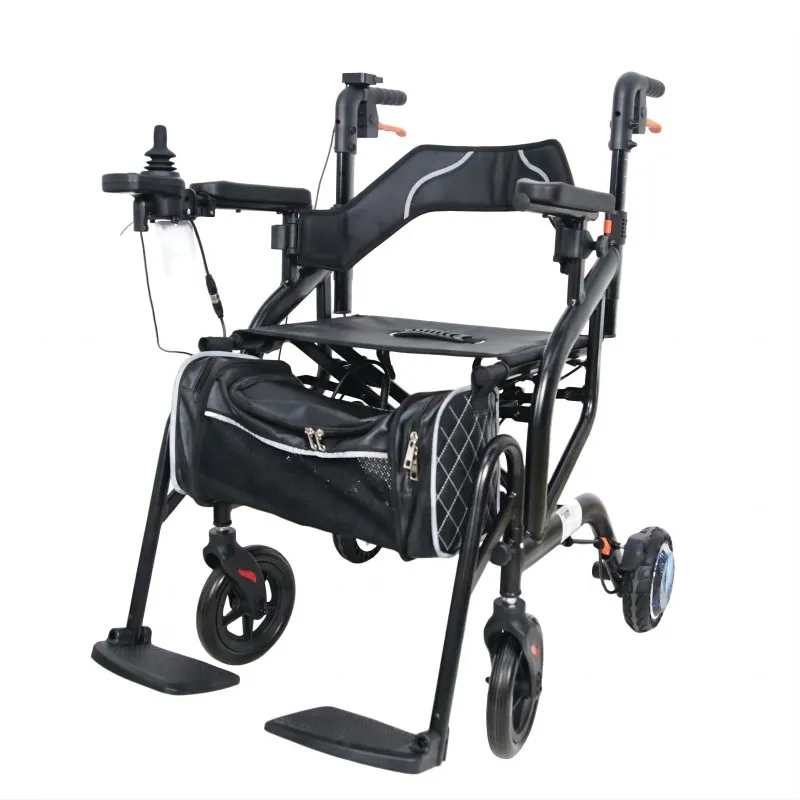
Why Do People with Poor Balance Require Specialized Walking Aids?
Balance is a critical factor in human locomotion; it enables us to maintain proper posture, control our center of gravity, and prevent falls while walking or standing. As a result of aging, medical conditions, post-surgical recovery, or muscle degeneration, many individuals experience:
•Unsteady gait
•Swaying while standing
•Difficulty controlling their center of gravity
•Irregular walking rhythm
•Increased susceptibility to falls
These conditions significantly heighten the risks associated with everyday activities, such as:
•Climbing or descending stairs
•Crossing streets
•Turning corners indoors
•Entering or exiting the bathroom
•Walking outdoors
Without the aid of assistive devices, individuals with poor balance often struggle to move independently; they may even reduce their physical activity out of a fear of falling—a pattern that can lead to a further decline in physical fitness.
Therefore, selecting a stable walking aid is essential for those with balance impairments, and among the many options available, the 4-wheel rollator stands out as the optimal solution.
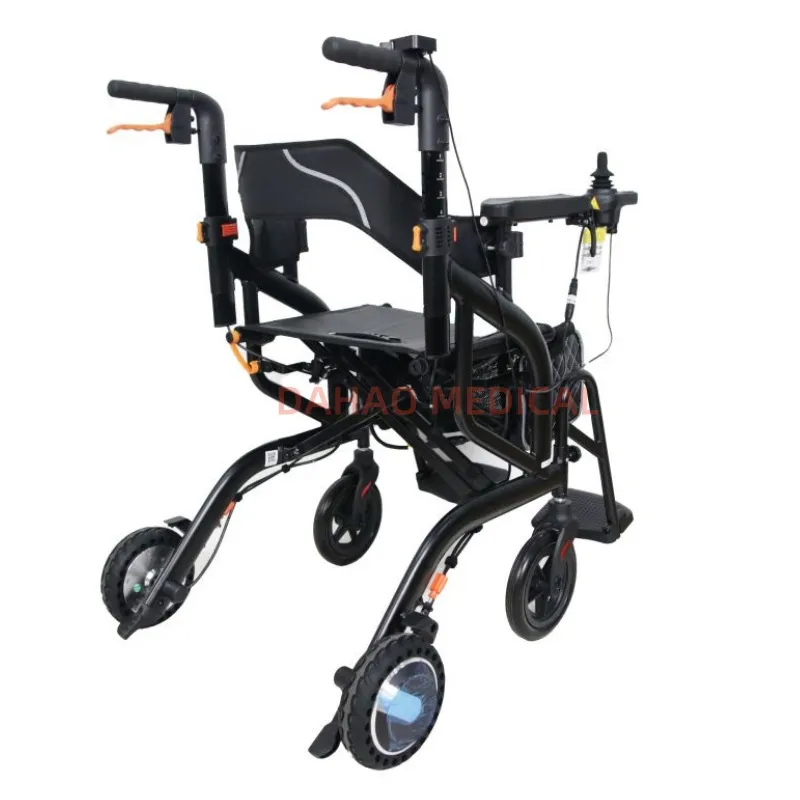
Why Is the 4-Wheel Rollator Better Suited for People with Poor Balance Than Other Walking Aids?
To understand this distinction, one must examine the specific types of walking aids and the structural stability inherent in their designs.
Common walking aids include:
•Canes
•Crutches
•Standard walkers (which require lifting)
•3-wheel rollators
•4-wheel rollators
Among these options, the 4-wheel rollator comes closest to functioning as a "mobile support platform." It offers the following structural advantages:
1. Four Points of Contact: Maximum Stability
A four-wheeled structure is inherently more stable than three-wheeled or two-wheeled designs, making it significantly more difficult to lose one's balance or tip over.
2. Equipped with a Braking System
Users can engage the brakes to lock the wheels at any time, thereby preventing the device from sliding or rolling away.
3. Wide Frame Provides Excellent Support
Users can rely on the frame to maintain upper-body stability.
4. Built-in Seat for On-Demand Rest
Helps reduce the risk of losing balance due to fatigue.
5. Handle Design Promotes Upright Posture
Compared to canes or traditional walkers, a 4-wheel walker (rollator) is more effective at helping users maintain a natural, upright stance.
Consequently, individuals with compromised balance can move more safely and steadily with the aid of a 4-wheel walker, while simultaneously boosting their confidence and independence.
At what point does poor balance necessitate the use of a 4-wheel walker?
The following situations suggest that you may benefit from using a 4-wheel walker:
1. You frequently feel unsteady or swaying while standing.
If you are unable to stand steadily for more than 10 seconds, you require additional support.
2. Your gait is unsteady, or your body drifts to one side while walking.
This is a classic sign of declining balance.
3. You lose your center of gravity when turning corners.
Difficulty turning around while walking—even within your own home—indicates insufficient stability.
4. You experience leg weakness or tire easily.
A 4-wheel walker provides physical support, thereby reducing the physical load on your body.
5. You have recently fallen or experienced a near-fall.
This is a critical warning sign that demands immediate attention.
6. A doctor or physical therapist has recommended the use of a walking aid.
They will often recommend a 4-wheel walker as the safest and most secure option available.
If you identify with any of the situations listed above, a 4-wheel walker could significantly improve your walking stability.
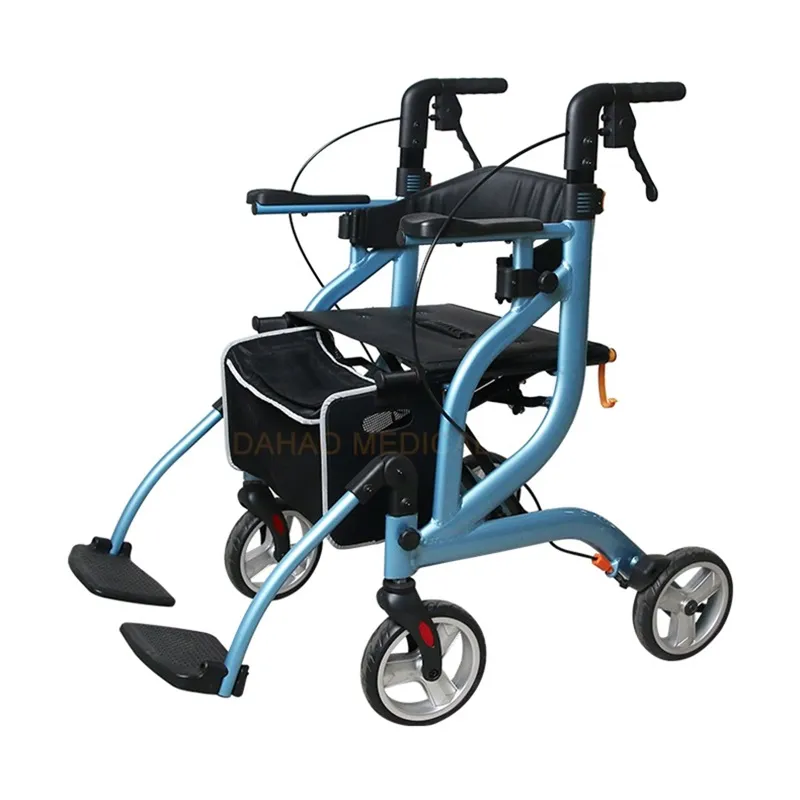
Which design features of a 4-wheel walker contribute to improved walking stability?
Upon closer inspection, 4-wheel walkers incorporate several unique design features specifically engineered to enhance the sense of stability for those with balance issues:
1. Wide Wheelbase and Sturdy Frame
Ensures a more even distribution of the body's center of gravity, making the device less prone to tipping over.
2. Dual-Hand Braking System
Allows for immediate braking when encountering uneven terrain or walking downhill.
3. Height-Adjustable Handles
Ensures the user can walk in their most natural posture, thereby reducing the tendency for the body to lean or tilt.
4. Ergonomic Pushing Angle
Promotes a more stable posture while pushing the device, eliminating the need to stoop or hunch over.
5. Non-Slip Tire Design
Enhances traction and grip across various types of surfaces.
6. Rear-Mounted Seat Structure
Allows the user to sit down and rest at any time, thereby reducing the risk of falling due to physical exhaustion. Collectively, these features make the 4-wheel walker the safest assistive device for individuals with compromised balance.
Which physical capabilities does using a 4-wheel walker help improve?
Individuals with poor balance often require a gradual restoration of physical function, and the 4-wheel walker serves as an excellent assistive tool for rehabilitation.
1. Improves Lower Body Strength
Through increased opportunities for safe walking, leg muscles are gradually strengthened.
2. Enhances Dynamic Balance
As users walk, they must constantly adjust their posture, which helps reinforce their sense of balance.
3. Promotes Cardiopulmonary Health
The ability to walk safely for longer periods makes cardiovascular and respiratory exercise more efficient.
4. Increases Joint Range of Motion
This is particularly beneficial for individuals with limited mobility in their knee or hip joints.
5. Improves Gait Coordination
The walker provides rhythmic guidance, resulting in a smoother and more fluid walking pattern.
6. Boosts Motivation for Outdoor Activities
Individuals with poor balance often limit their physical activity due to a lack of a sense of security; the 4-wheel walker provides the psychological safety net they need to venture out.
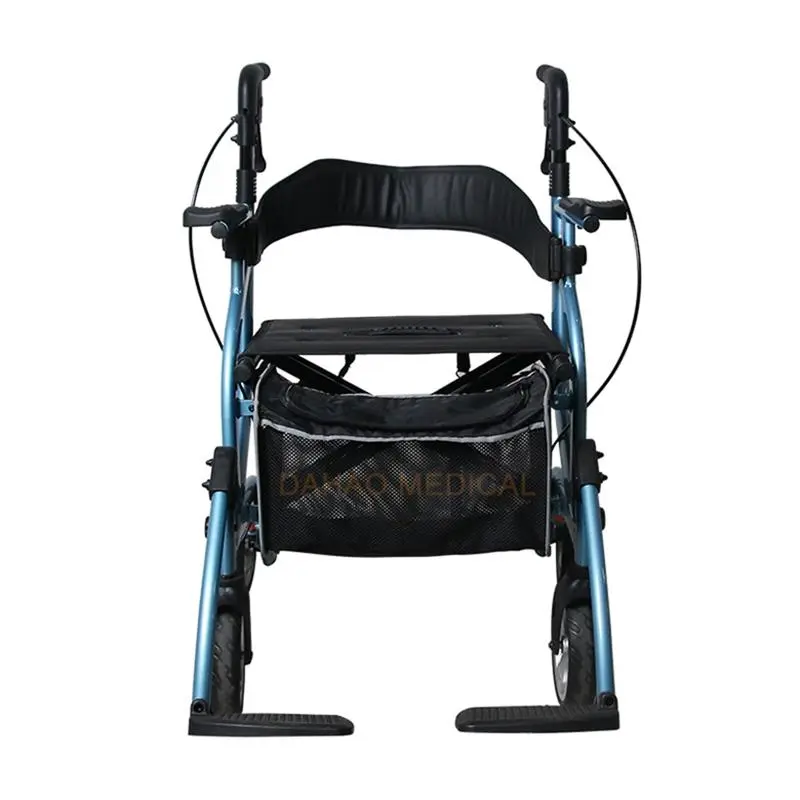
Compared to a 3-wheel walker, is a 4-wheel walker safer?
The answer is: Absolutely.
Here are the reasons why:
1. The 4-wheel structure offers greater stability
3-wheel walkers are prone to tipping or losing balance when turning, whereas 4-wheel walkers remain much more stable and secure.
2. Weight distribution is more even
It provides stronger body support and prevents the device from swaying side-to-side.
3. It features a more comprehensive set of accessories
Components such as seats, storage baskets, and advanced braking systems make it better tailored to meet the specific needs of individuals with balance issues.
4. It is easier to operate
While 3-wheel walkers offer greater maneuverability when turning, they demand a higher level of balance control; consequently, they are less suitable than 4-wheel models for individuals with compromised stability.
Therefore, individuals with poor balance should prioritize choosing a 4-wheel walker over a 3-wheel model.
Does using a 4-wheel walker to walk lead to over-reliance?
The answer is: No—provided it is used appropriately.
In fact:
•The 4-wheel walker provides the necessary support that empowers users to engage in physical activity.
•The more active a user is, the more their strength and balance will improve.
•Contrary to popular belief, long-term use actually serves to enhance physical capabilities rather than diminish them.
The risk of over-reliance typically arises when using "unsuitable" assistive devices—for instance, relying on a walking cane that fails to provide adequate stability, thereby inadvertently increasing the risk of falls. Therefore, for individuals with compromised balance, choosing a 4-wheel walker serves as a protective aid rather than a hindrance.
How do the key parameters of a 4-wheel walker affect its stability?
The following parameters directly influence the walker's safety and balance:
1. Wheel Size
•Large wheels are better suited for outdoor use.
•Medium-sized wheels are suitable for mixed indoor and outdoor environments.
•Small wheels are best suited for smooth indoor surfaces.
2. Frame Material
Typically made of aluminum alloy, which is lightweight yet high-strength—making it ideal for individuals with balance issues.
3. Handle Adjustment Range
An improper handle height can cause the body to lean too far forward or backward.
4. Seat Width and Weight Capacity
Ensures sufficient stability when sitting down to rest.
5. Brake Sensitivity
One of the most critical safety factors to consider when selecting a 4-wheel walker.
How should individuals with poor balance correctly use a 4-wheel walker?
1. When standing, keep your body positioned *inside* the walker frame.
Do not push the walker too far ahead of you.
2. Keep both hands firmly gripping the handles.
Avoid operating the walker with only one hand, as this can lead to tipping.
3. Maintain a natural, upright posture while walking.
Avoid hunching over.
4. Engage the brakes in advance when navigating inclines or declines.
Do not let the slope cause you to slide uncontrollably.
5. You must fully lock the wheels before sitting down.
This is a critical safety measure for individuals with balance impairments.
Is a 4-wheel walker suitable for use in both indoor and outdoor settings?
The answer is: Yes. The vast majority of 4-wheel walkers are suitable for use in both environments.
Here are the reasons:
1. Indoor Advantages
•Agile steering and maneuverability.
•Lightweight and easy to move.
•Adjustable height to suit home environments.
2. Outdoor Advantages
•Large, non-slip wheels that adapt to various terrains.
•Sturdy frame capable of handling longer-distance walking.
•Built-in seat for resting in parks or shopping malls.
Therefore, the 4-wheel walker is a versatile assistive device suitable for use both within the home and in external environments.
What specific details should individuals with poor balance look for when selecting a 4-wheel walker?
1. Does it feature a high-quality dual-hand braking system?
This is the key to stability.
2. Is the seat sufficiently wide, and does it have an adequate weight capacity?
This ensures that individuals with balance issues can sit down comfortably whenever needed.
3. Is the tire material non-slip?
This directly impacts safety when using the walker outdoors. 4. Does the handle height accommodate your stature?
This determines whether your walking posture feels natural.
5. Is the frame weight suitable for you?
If it is too heavy, it is difficult to push; if it is too light, it may lack stability.
6. Is it easy to fold?
This ensures convenience for carrying and storage.