

In recent years, lift transfer chairs have garnered significant attention across hospitals, elderly care facilities, rehabilitation centers, and home care settings. Those encountering care equipment for the first time often ask: Why are lift transfer chairs necessary? Can’t standard wheelchairs, transport wheelchairs, or nursing beds serve the same purpose?
In reality, there is no simple "yes" or "no" answer to this question. Lift transfer chairs were not designed to replace all other care equipment; rather, they address the limitations of traditional care tools regarding patient transfers.
For individuals capable of standing and walking independently, standard chairs, wheelchairs, or even walkers suffice for daily needs. However, for the bedridden, the elderly, post-operative patients, and those with severely limited mobility, transferring—whether from bed to wheelchair, wheelchair to toilet, or sofa to nursing bed—is often the most difficult and high-risk aspect of care. Lift transfer chairs are specialized assistive devices designed specifically to tackle this challenge.
Recent UN statistics on population aging show a steadily growing global population of people aged 60 and older, a trend expected to continue for decades. Meanwhile, the World Health Organization (WHO) has repeatedly emphasized the importance of assistive technology in improving the quality of life for the elderly, people with disabilities, and those with limited mobility. Against this backdrop, more families are realizing that the proper use of care equipment not only enhances patient comfort and safety but also significantly reduces the physical strain on caregivers. Whether manual or electric, lift transfer chairs are becoming an increasingly vital component of modern care systems.
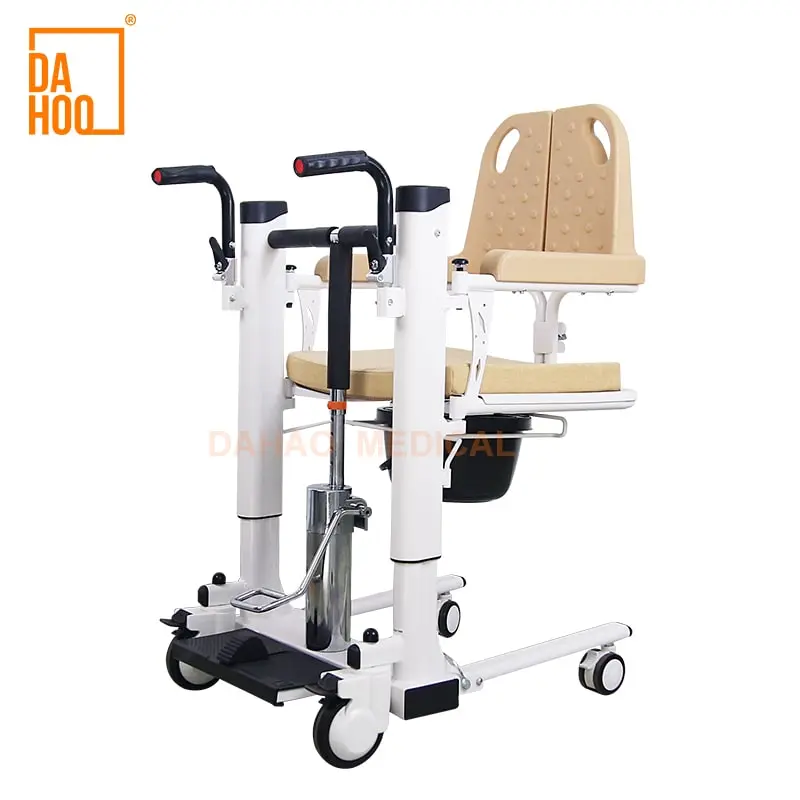
What Is a Lift Transfer Chair?
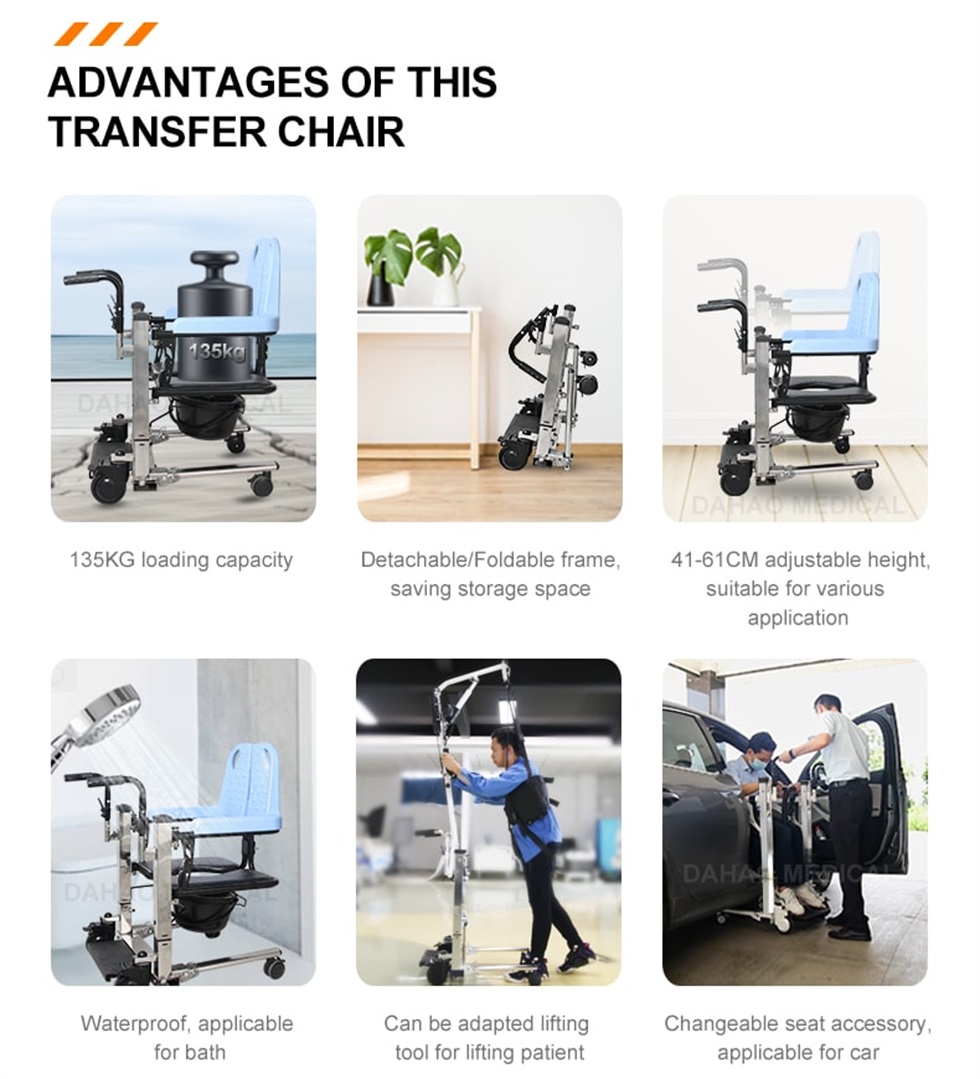
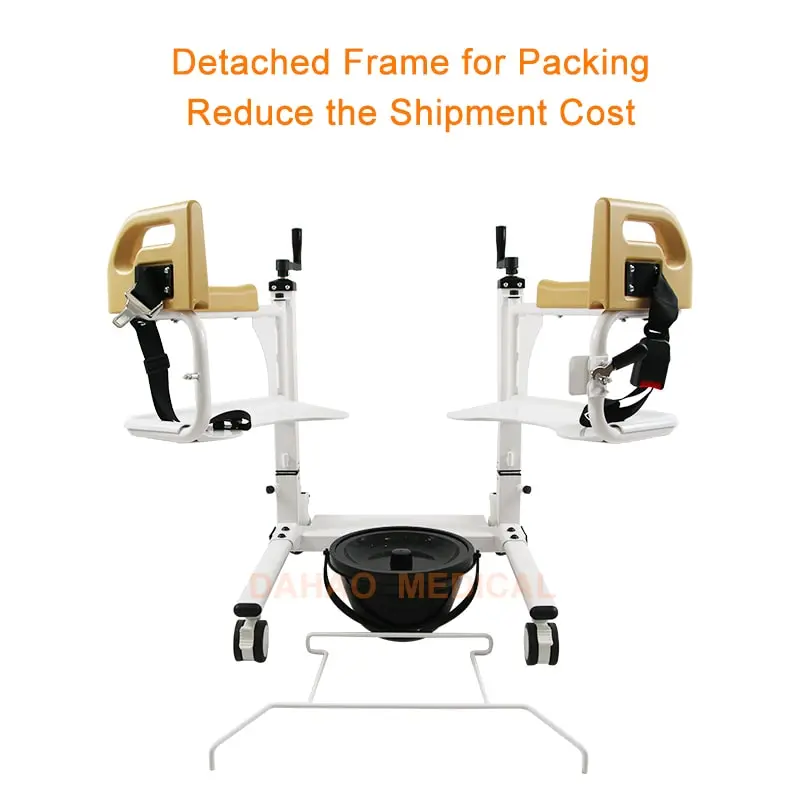
A lift transfer chair is a piece of care equipment specifically designed to assist individuals with limited mobility in transferring their bodies. Unlike standard wheelchairs or traditional patient transport carts, its primary function is not long-distance transport; instead, it facilitates safe, smooth transitions between locations—such as moving from a bed to a wheelchair, a wheelchair to a sofa, or from the bedside to a toilet or shower chair. Modern lift transfer chairs are typically equipped with a lifting mechanism, a stable chassis, a caster locking system, safety armrests, and an ergonomic seat design. Some models also feature detachable or split-seat designs, height adjustability, and swivel functions, making it easier for caregivers to transfer patients. Compared to traditional manual lifting methods, these chairs reduce physical impact on the patient and alleviate strain on the caregiver's lower back.
In recent years, as care equipment has evolved, the market has seen the emergence of various types of lift transfer chairs, the most common being manual and electric models. While both types facilitate patient transfers, they differ in terms of drive mechanisms, suitable use cases, and user experience.
What is a manual lift transfer chair?
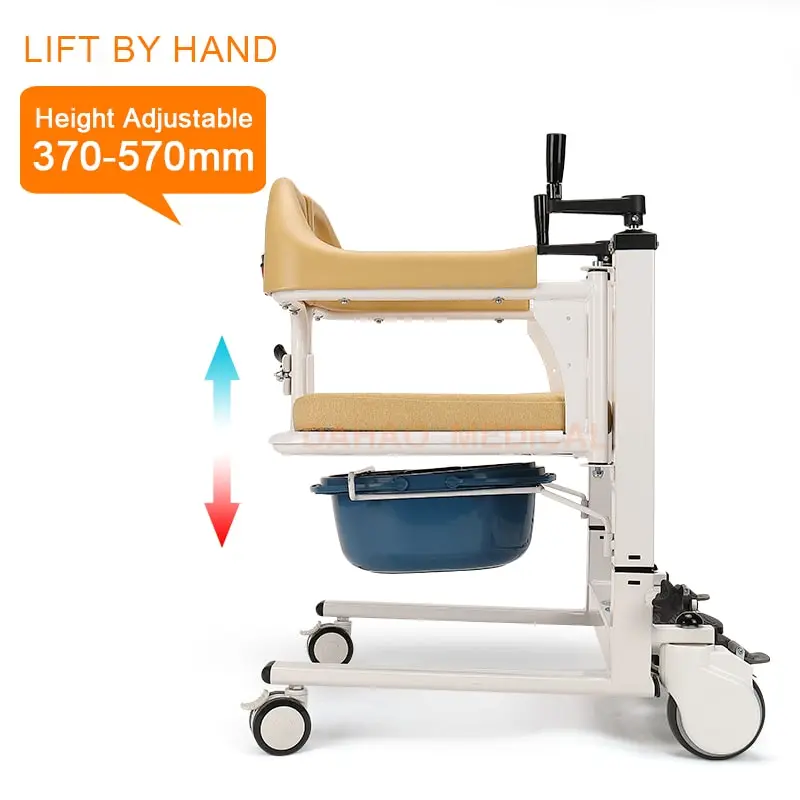
Manual lift transfer chairs rely on hydraulic systems, lead screws, foot pedals, or mechanical linkages to raise and lower the seat. Caregivers manually operate the controls to adjust the patient's height and facilitate transfers. Compared to electric models, manual chairs feature simpler designs and do not require a power source; this results in lower maintenance costs and eliminates concerns about charging.
For home care, manual lift transfer chairs offer excellent value for money, making them ideal for families with limited budgets or those requiring less frequent transfers. In areas with unreliable power supplies or limited electricity access, manual equipment retains a distinct advantage. Furthermore, thanks to their mature mechanical designs, many manual models demonstrate excellent durability and ease of maintenance.
However, manual lifting requires the caregiver to exert physical effort. If the patient is heavy or requires frequent transfers between bed and chair, the physical strain on the caregiver can accumulate over time. Consequently, in high-intensity care environments, an increasing number of institutions are adopting electric models.
What is an electric lift transfer chair?
Electric lift transfer chairs are smart care devices that build upon the foundation of manual models. They typically utilize electric actuators, motors, and rechargeable batteries, allowing the seat to be raised or lowered via buttons or a controller without the need for repetitive manual effort by the caregiver.
Compared to manual versions, the primary advantages of electric lift transfer chairs are reduced physical exertion, higher efficiency, and smoother, more stable operation. Caregivers can simply operate a control button to adjust the height based on the patient's specific needs, enabling transfers to be performed in a more comfortable and safe position. This not only simplifies the caregiving process but also reduces the risk of accidents caused by uncoordinated movements.
Increasing numbers of hospitals, elderly care facilities, and long-term care centers are now equipping themselves with electric lift transfer chairs. For patients requiring frequent care—such as the bedridden elderly, stroke survivors, Parkinson's patients, and those recovering from surgery—electric equipment significantly boosts care efficiency, alleviates the physical strain on caregivers, and improves the overall quality of care.
Why is there a growing need for lift transfer chairs?
In the past, patient transfers typically relied on caregivers physically lifting or supporting the patient. However, as patients age or gain weight and care periods extend, traditional manual lifting methods have revealed numerous issues.
First, for patients, being frequently lifted and lowered can cause discomfort. This is particularly true for those with osteoporosis, those recovering from fractures, or patients who have undergone joint replacement surgery; even slight mishandling can lead to pain or even secondary injuries. Lift transfer chairs provide stable support and smooth, gradual lifting and lowering, allowing patients to change positions more naturally and minimizing physical impact.
Second, for caregivers, the long-term practice of lifting and supporting patients often leads to lower back strain. Surveys in the nursing industry indicate that back pain is consistently one of the most common occupational health issues among caregivers, with patient transfers being a major cause of such injuries. By using manual or electric lift transfer chairs, the equipment bears the majority of the patient's weight, leaving caregivers to focus on assistance and guidance, thereby significantly reducing physical exertion.
Furthermore, in home care settings, caregiving duties are often undertaken by spouses, children, or other family members who may lack professional training. Using a lift transfer chair for patient transfers not only increases the success rate of the maneuver but also boosts the caregiver's confidence and reduces risks associated with a lack of experience.
Who really needs a lift transfer chair?
Not everyone needs to purchase a lift transfer chair, but for the following groups of people, it can play a crucial role.
The first group consists of long-term bedridden patients. Patients with limited mobility due to long-term inactivity often cannot rise, stand, or turn independently, requiring caregiver assistance for every change in position. Both manual and electric lift transfer chairs help them safely transfer between a bed and a chair.
The second group consists of stroke patients with hemiplegia. These patients experience reduced strength on one side of the body and poor balance control; traditional lifting or supporting methods carry a risk of slipping or the patient leaning dangerously. Lift transfer chairs provide stable support, enhancing safety during the transfer process.
The third group includes patients recovering from major surgeries involving the hip, knee, or spine. Avoiding strenuous activity is crucial during early rehabilitation; using a lift transfer chair for daily transfers helps reduce the load on the affected limb and promotes recovery.
Additionally, the elderly, patients with Parkinson’s disease or ALS (amyotrophic lateral sclerosis), individuals with severely diminished muscle strength, and those requiring long-term home care are also ideal candidates for manual and electric lift transfer chairs. For these individuals, selecting the right transfer equipment not only eases the burden of caregiving but also improves their quality of life and safety when moving about.
Manual vs. Electric Lift Transfer Chairs: What’s the Difference?
While both manual and electric models fall under the category of lift transfer chairs—sharing the core purpose of safely transferring patients—they differ significantly in terms of drive mechanism, suitable usage scenarios, caregiving efficiency, and user experience. Therefore, when purchasing, one should not simply assume that a higher price equates to a better product; instead, factors such as the patient's physical condition, the frequency of transfers, and the budget should be considered holistically.
Manual lift transfer chairs rely on hydraulic systems, mechanical lead screws, or foot-operated mechanisms to raise and lower the seat. Their advantages include a relatively simple structure, a low failure rate, and ease of maintenance. Furthermore, they do not require battery power, allowing for normal operation during power outages or in outdoor settings. For users who require only a few transfers per day, have patients of moderate weight, or operate within a limited budget, a manual lift transfer chair remains a highly practical caregiving tool. In contrast, electric lift transfer chairs utilize electric actuators and intelligent control systems to perform lifting and lowering actions; caregivers need only press a button to adjust the height. Because the lifting process is smoother and operation is less strenuous, these chairs are particularly suitable for households requiring frequent care, those with heavier patients, or situations where caregivers are older. Furthermore, in environments such as hospitals, nursing homes, and rehabilitation centers where patient transfers occur frequently, electric lift transfer chairs can significantly improve care efficiency and reduce the physical strain on caregivers.
Lift Transfer Chairs Can Reduce the Risk of Patient Falls
Patient falls have long been a critical safety concern in hospitals and nursing facilities. For the elderly, patients with osteoporosis or stroke, and those recovering from surgery, a single fall can lead to fractures, joint dislocations, head injuries, or even more severe complications. Consequently, minimizing the risk of falls is a key objective in modern caregiving.
Traditional manual lifting methods often rely heavily on the caregiver's strength and experience. If a patient suddenly loses their balance, experiences leg weakness, or slips, both the patient and the caregiver are at risk of injury—the caregiver could easily fall due to a loss of balance while trying to support the patient. In contrast, both manual and electric lift transfer chairs provide reliable support through features such as stable chassis designs, locking casters, safety armrests, and ergonomic seating.
This is particularly beneficial during transfers between a bed and a wheelchair, toilet, or sofa. Lift transfer chairs can be adjusted to match the height of various pieces of furniture, eliminating the need for patients to perform strenuous movements like standing up fully or stepping over obstacles. By minimizing shifts in the body's center of gravity, these chairs effectively lower the risk of falls. For individuals with limited mobility, this smooth, controlled transfer method offers a safer alternative to relying solely on manual lifting.
Lift Transfer Chairs Can Alleviate the Burden on Caregivers
Beyond patient safety, the occupational health of caregivers is equally important. The caregiving profession has long been plagued by issues such as lower back strain, neck and shoulder pain, and musculoskeletal injuries, with patient transfers being a primary cause of these occupational ailments. For instance, when transferring a patient weighing 70–80 kg—whether between bed and chair, to the toilet, or for bathing—relying solely on manual lifting and support by caregivers not only consumes significant physical energy but also risks long-term strain on the lumbar spine, shoulders, and knees due to improper posture.
Both manual and electric lift transfer chairs allow the equipment to bear the majority of the weight. Caregivers focus on stabilizing the patient, controlling the device's movement, and monitoring the patient's condition, rather than bearing the full physical burden of the transfer. This caregiving model improves efficiency while reducing the risk of occupational injuries caused by repetitive physical strain.
This is particularly important for home care. Many caregivers are spouses or children of the patient; they often lack professional nursing experience and may not have the physical strength required for long-term lifting and support tasks. Using a lift transfer chair makes home care easier, safer, and more sustainable.
Choosing the Right Lift Transfer Chair
With a wide variety of products on the market, consumers should focus on several key factors when purchasing a manual or electric lift transfer chair.
First, select a model with an appropriate weight capacity based on the patient's physical condition. Weight limits vary by model, so it is advisable to allow for a safety margin when making a purchase.
Second, consider the lifting range. Since the heights of nursing beds, sofas, wheelchairs, and toilets vary, a chair with a versatile lifting range offers broader applicability.
Third, consider the frequency of care. If the patient requires frequent transfers, or if the caregiver is older or has limited physical strength, an electric lift transfer chair generally offers a more comfortable and convenient experience. If care needs are less frequent, a manual lift transfer chair is an economical and practical choice.
Additionally, pay attention to the quality of the casters, safety locking mechanisms, seat comfort, foldability, after-sales service, and whether the product meets relevant quality certification standards.
Precautions for Using a Lift Transfer Chair
While lift transfer chairs significantly enhance safety, proper usage is equally important.
Before beginning care, verify that all functions are working correctly: check that the casters are locked, the seat is secure, and the lifting system operates smoothly. During patient transfer, movements should remain slow and steady at all times; avoid sudden vertical adjustments or rapid pushing of the equipment.
For electric lift transfer chairs, the condition of the battery, motor, and controller should be checked regularly, and charging and maintenance performed in accordance with the instruction manual. For manual lift transfer chairs, the hydraulic or mechanical drive mechanisms should be inspected regularly for smooth operation, with lubrication and maintenance applied as necessary.
If a patient suffers from severe osteoporosis, spinal injury, or other specific medical conditions, the relevant care equipment should be used under the guidance of a physician or rehabilitation therapist.
FAQ
Q1: What is the difference between a lift transfer chair and a standard wheelchair?
A: Standard wheelchairs are primarily used for mobility, whereas lift transfer chairs are designed to assist patients in safely transferring between locations such as beds, chairs, sofas, and toilets.
Q2: Who is the manual lift transfer chair suitable for?
A: It is suitable for households with infrequent transfer needs, limited budgets, or unstable power supplies, as well as for certain elderly care facilities and rehabilitation centers.
Q3: What is the main advantage of an electric lift transfer chair?
A: It offers effortless operation, smooth lifting, and high care efficiency, making it particularly suitable for long-term care and frequent patient transfers.
Q4: Can elderly individuals use the lift transfer chair independently?
A: This depends on the individual's physical condition. For those with limited mobility, assistance from a caregiver or family member is recommended to ensure safety.
Q5: Is the lift transfer chair suitable for home care?
A: Yes, it is highly suitable, especially for home care scenarios involving the elderly, patients who are bedridden long-term, those with hemiplegia, or those recovering from surgery.
Q6: Does the electric lift transfer chair require frequent charging?
A: Battery life varies by product; generally, following the manufacturer's recommendations for regular charging is sufficient to prevent long-term battery over-discharge.
Q7: Can the lift transfer chair be used for bathing or toileting?
A: Some models are specifically designed to support bathing and toileting functions; please verify the product design and intended use before purchasing.
Q8: Can using a lift transfer chair reduce caregiver injuries?
A: Yes. It minimizes the need for frequent bending and manual lifting, thereby reducing the risk of strain on the lower back and shoulders.
Q9: How do I choose between a manual and an electric lift transfer chair?
A: The choice should be based on factors such as the patient's weight, the frequency of transfers, the budget, and the caregiver's physical strength; generally, the greater the care needs, the more significant the advantages of electric models become.