

Using A Wheelchair Does Not Signify A Total Loss Of Mobility; Rather, It Is A Vital Assistive Device For Enhancing Quality Of Life.
When wheelchairs are mentioned, the immediate association for many is often "paralysis" or an "inability to walk." In reality, this perception is incomplete. With advancements in modern rehabilitation medicine, geriatrics, and the assistive technology industry, manual and electric wheelchairs have evolved beyond mere modes of transport for those with mobility impairments; they have become crucial rehabilitation aids that help patients regain independence and improve their quality of life.
The World Health Organization (WHO) has noted that hundreds of millions of people worldwide require various types of assistive devices due to illness, injury, or aging, with wheelchairs being among the most important and widely used. As the population ages and the number of people with chronic diseases rises, the user base for wheelchairs continues to expand. Manual and power wheel chairs are now widely utilized across diverse settings, including hospitals, rehabilitation centers, elderly care facilities, and home care environments.
It is important to note that not everyone who uses a wheelchair is "unable to walk." Some patients can walk short distances but cannot stand or walk for extended periods; others require a wheelchair only temporarily during their recovery; and some rely on wheelchairs long-term for daily mobility due to neurological disorders, musculoskeletal conditions, or severe cardiopulmonary diseases. Consequently, the need for a wheelchair is not determined by a specific diagnosis alone, but rather by the condition's overall impact on a person's mobility, endurance, balance, and safety.
So, which medical conditions might necessitate the use of a manual or electric wheelchair? How should patients with different conditions choose the right type of wheelchair? This article provides a detailed analysis from medical, rehabilitative, and nursing perspectives.
Under what circumstances do doctors recommend wheelchair use?
Many people mistakenly believe that wheelchairs are required only for those completely unable to walk. In practice, a doctor's recommendation to use a wheelchair is usually based not on the specific diagnosis, but on the patient's actual functional status. Modern rehabilitation medicine prioritizes a patient's mobility, safety, and quality of life rather than focusing solely on the ability to take steps. If a patient experiences significant difficulty walking—such as needing to rest after walking just a few dozen meters, being prone to falls or losing balance, or being unable to perform daily activities due to pain, shortness of breath, or muscle weakness—doctors will typically recommend a manual or power wheel chair based on the specific situation. This helps reduce the risk of falls and enhances the patient's independence.
Furthermore, wheelchairs often serve as temporary assistive devices following fractures, during recovery from major surgery, throughout rehabilitation for neurological disorders, and in the advanced stages of certain chronic illnesses. When used correctly, a wheelchair does not hinder recovery; instead, it helps patients conserve energy, minimizes the risk of secondary injury, and creates better conditions for subsequent rehabilitation training.
Neurological disorders are among the most common reasons for wheelchair use
Neurological disorders are a major cause of long-term mobility impairment, and individuals with these conditions represent one of the largest groups of wheelchair users.
Stroke is a leading cause of disability among adults worldwide. Although many stroke patients regain some function through active treatment, they may still face issues such as hemiplegia, muscle spasticity, gait abnormalities, and impaired balance. During the early stages of rehabilitation, patients often rely on manual basic wheelchairs for hospital transfers, therapy sessions, and daily activities; however, for those with slow recovery or persistent mobility impairments, power assist wheelchairs can help restore a greater degree of independent mobility.
Spinal cord injury is another major reason for long-term wheelchair use. Trauma, tumors, or diseases affecting the spinal cord can significantly impair lower-limb motor function. While some patients regain the ability to stand and walk through rehabilitation, many others must rely on wheelchairs for the long term. For patients with good upper-body strength, lightweight manual wheelchairs can meet daily mobility needs, whereas electric wheelchairs offer greater freedom of movement for those with limited limb function or insufficient upper-body strength.
Additionally, conditions such as multiple sclerosis, amyotrophic lateral sclerosis (ALS), Parkinson's disease, cerebral palsy, and certain hereditary neuromuscular disorders can progressively affect a patient's walking ability as the disease advances, necessitating the selection of different types of wheelchairs based on the stage of the condition.
Orthopedic Conditions May Also Require Long-Term Use of Manual or Electric Wheelchairs
Beyond neurological disorders, many orthopedic conditions can also necessitate the short- or long-term use of wheelchairs.
For instance, severe fractures of the hip, femur, or pelvis, as well as complex lower-limb trauma, often require weight-bearing restrictions during postoperative recovery. To prevent reinjury, doctors frequently recommend that patients use manual wheelchairs for mobility during the early stages of recovery.
For patients with advanced osteoarthritis, persistent joint pain can progressively limit walking distance. While some patients may still be able to stand, pain forces them to stop and rest every few minutes while walking. For such patients, using a manual basic wheelchair when shopping, visiting a doctor, or traveling can reduce physical exertion; meanwhile, power wheel chairs offer greater convenience for elderly patients who lack sufficient upper-body strength or need to go out frequently.
Additionally, conditions such as rheumatoid arthritis, ankylosing spondylitis, and severe osteoporosis can impair normal walking due to joint deformity, pain, or an increased risk of fractures; appropriate wheelchair use can help these patients maintain their ability to participate in social activities.

Age-Related Degenerative Conditions Drive the Growing Use of Electric Wheelchairs Among the Elderly
As the global population ages, the elderly have become one of the fastest-growing user groups for power assist wheelchairs.
Many older adults do not suffer from a specific severe illness, yet as they age, they gradually experience issues such as declining muscle strength, joint degeneration, reduced cardiopulmonary endurance, and impaired balance. They may still be able to walk slowly at home but are unable to go out for extended periods or engage in activities requiring longer distances.
For example, an 80-year-old might move independently at home but need to rest several times just to reach the entrance of their residential complex. In such cases, a power wheel chair not only alleviates physical strain but also enables the senior to continue participating in community activities, shopping, and socializing, thereby improving their quality of life.
In recent years, numerous studies in geriatric medicine have shown that the appropriate use of assistive devices does not lead to increased dependency; on the contrary, it reduces the risk of falls, boosts the motivation to stay active, and helps maintain mental well-being. Therefore, for eligible elderly patients, choosing a power assist wheelchair is a proactive rehabilitation strategy rather than a sign of declining capability.
Why might patients with cardiopulmonary diseases also need a wheelchair?
Many people do not realize that patients with severe cardiopulmonary diseases may also require a wheelchair.
For instance, patients with conditions such as chronic obstructive pulmonary disease (COPD), pulmonary fibrosis, advanced heart failure, or severe pulmonary hypertension may have normal lower-limb muscle function, yet experience shortness of breath, chest tightness, or significant fatigue after walking just a few dozen meters due to a marked decline in cardiopulmonary reserve.
For these patients, the purpose of a wheelchair is not to replace their legs, but to help them conserve physical strength so they can direct their limited energy toward more important daily activities. Particularly in settings requiring long-distance walking—such as hospitals, large shopping malls, airports, or tourist attractions—manual or power assist wheelchairs can effectively reduce physical strain and lower the risk of acute disease exacerbation.
Cancer patients may also need manual or electric wheelchairs during treatment
Whether a cancer patient needs a wheelchair depends on the type of cancer, the stage of treatment, and their physical functional status.
Patients undergoing major orthopedic tumor surgery may require a manual basic wheelchair for short-term use during a lengthy recovery period. Meanwhile, patients undergoing long-term chemotherapy, radiation therapy, or advanced palliative care may experience significantly reduced mobility due to factors such as declining physical strength, anemia, muscle loss, or bone metastases.
For these patients, a wheelchair not only makes going out more convenient but also enables them to continue participating in family activities, medical follow-ups, and social life, thereby improving their mental well-being and quality of life.

Manual or Electric Wheelchair: How to Choose?
Many families face the same question when purchasing a wheelchair: should they choose a manual model or an electric one?
Generally speaking, manual wheelchairs are better suited for patients who have good upper-body strength and can propel the wheels themselves, or for those who have a caregiver constantly by their side. Manual wheelchairs are relatively lightweight, simple in structure, and low-maintenance; they are easy to fold and store, making them widely used in hospitals, at home, and for short-distance outings.
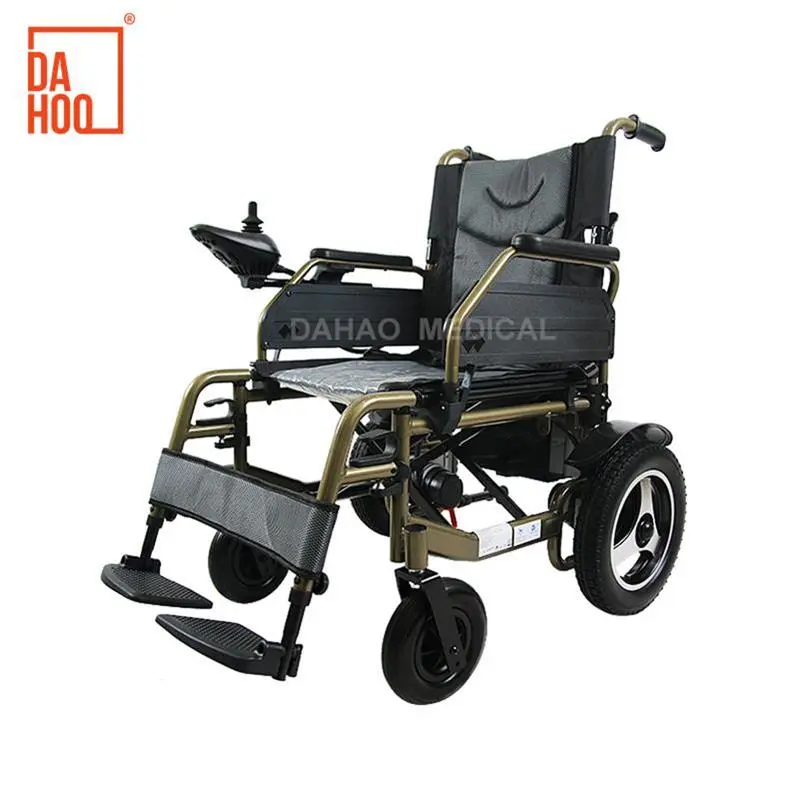
In contrast, electric wheelchairs are more suitable for patients with long-term mobility limitations, lower-limb dysfunction, or insufficient physical strength, as well as those who need to go out independently. Modern electric wheelchairs are typically equipped with high-efficiency motors, rechargeable batteries, intelligent control systems, and various safety features. Users can easily maneuver—moving forward, backward, or turning—using a joystick, which significantly enhances their mobility and independence.
However, power wheel chairs are not suitable for everyone. For instance, manual basic wheelchairs may be more practical for individuals with significant cognitive impairment who cannot safely operate the controls, or for households with limited space where the wheelchair frequently needs to be carried up and down stairs. Therefore, before selecting a wheelchair, it is best to make a comprehensive decision based on the patient's physical function, living environment, and long-term care needs, while incorporating advice from doctors, rehabilitation therapists, and assistive technology specialists.
Using A Wheelchair Does Not Mean Giving Up On Rehabilitation; It Is A Vital Part Of The Process
Many patients worry that using a wheelchair signifies they will never stand again. In reality, modern rehabilitation philosophy does not support this view.
For patients with various conditions, a wheelchair serves as an important assistive tool to maintain quality of life, conserve energy, and prevent falls. Rehabilitation exercises, gait training, and wheelchair use can certainly take place concurrently. For example, stroke patients undergoing gait training can still use manual basic wheelchairs for outings; patients with fractures can use wheelchairs to manage daily activities while recovering their weight-bearing ability; and elderly patients can flexibly choose between walking and using a power assist wheelchair depending on how they feel that day.
The true goal of evidence-based rehabilitation is not to avoid using wheelchairs entirely, but to utilize various assistive tools appropriately based on the patient's actual capabilities, thereby providing them with more opportunities to participate in family, work, and social activities.
"What Conditions Require the Use of a Wheelchair? — Article Summary
A wide range of conditions—from neurological disorders like stroke, spinal cord injury, and Parkinson's disease to severe musculoskeletal issues, age-related degenerative diseases, cardiopulmonary conditions, and functional limitations following cancer treatment—can necessitate the use of manual or power wheel chairs at various stages. It is important to emphasize that a wheelchair is not merely a symbol of disease severity; rather, it is a vital assistive tool that helps patients regain independence, enhance safety, and improve their quality of life.
FAQ
1. Which conditions most commonly require the use of manual or power wheel chairs?
Common conditions include stroke, spinal cord injury, cerebral palsy, multiple sclerosis, Parkinson's disease, severe osteoarthritis, hip fractures, rheumatoid arthritis, chronic obstructive pulmonary disease (COPD), advanced heart failure, and certain types of cancer. The need for a wheelchair depends primarily on the patient's mobility and safety, rather than the specific diagnosis alone.
2. How should one choose between a manual wheelchair and an power assist wheelchair?
A manual wheelchair is often suitable if the patient has good upper-body strength, requires only limited mobility, and has family assistance available. A power assist wheelchair is generally more appropriate if the patient needs to travel independently over the long term, lacks sufficient upper-body strength or stamina, or needs to cover longer distances.
3. Will using a wheelchair cause a decline in walking ability?
No. Proper use of a manual or electric wheelchair is part of rehabilitation therapy. As long as the patient continues functional training under the guidance of doctors and rehabilitation therapists, the wheelchair will not directly cause a decline in walking ability; instead, it helps reduce fatigue and the risk of falls, creating better conditions for rehabilitation.
4. Is it necessary to buy an electric wheelchair for an elderly person who can still walk?
If an elderly person can walk short distances but struggles with longer outings, or is prone to fatigue and falls, a properly used power assist can improve mobility efficiency and expand their range of activity. It helps maintain social engagement and independence without implying that they must give up walking entirely.
5." Can manual and power assist wheelchairs be used together?
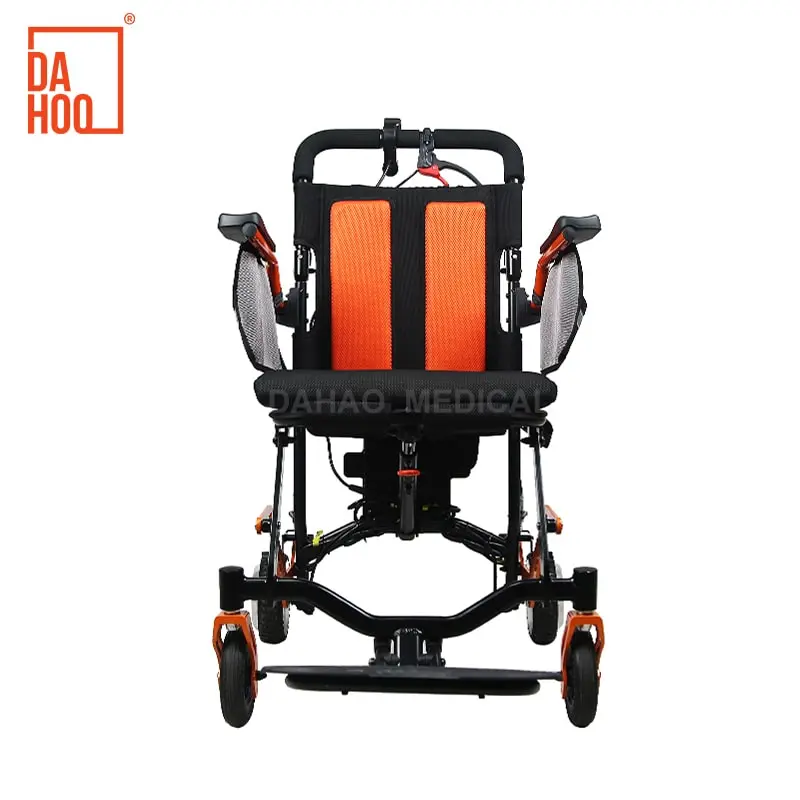
Absolutely. Many users flexibly choose between them based on the situation—for instance, using a manual basic wheelchair in the hospital, at home, or for short-distance activities, while opting for a power assist wheelchair in parks, shopping malls, the neighborhood, or for longer trips. This combined approach balances convenience, rehabilitation needs, and quality of life, and is a common strategy for mobility assistance.