

Compared to traditional fixed hospital beds, adjustable hospital beds offer a range of positioning options—such as back elevation, leg elevation, height adjustment, and Trendelenburg/Reverse Trendelenburg positions. These features not only enhance patient comfort but also facilitate daily caregiving tasks, playing a crucial role in post-operative recovery, long-term bedridden care, elderly care, and chronic disease management.
However, when purchasing or using adjustable hospital beds, people often focus entirely on the bed frame itself while overlooking another equally important component: the mattress. Many purchasers, caregivers, and even home users ask a common question: Do medical adjustable beds require a special type of mattress, or can a standard mattress be used?
The answer is clear: Adjustable hospital beds should ideally be paired with specially designed medical mattresses rather than standard household ones. The mattress affects not only the patient's sleep comfort but also directly impacts the bed's adjustability, caregiving efficiency, patient safety, and the prevention of pressure ulcers.
In essence, the bed and the mattress are not independent products but integral parts of a complete care system; only through the proper combination of the two can the full value of an adjustable hospital bed be realized.
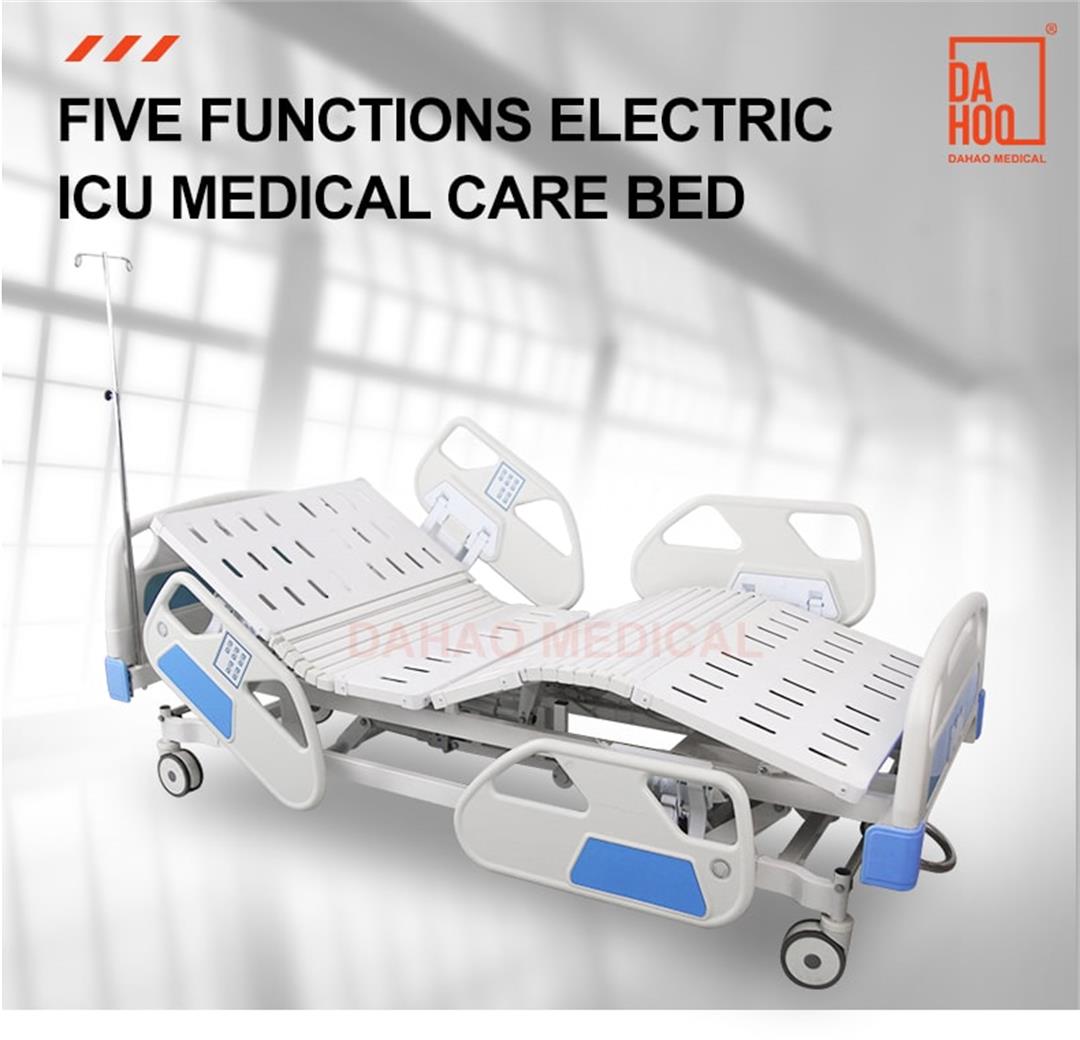
Why do adjustable hospital beds require a special type of mattress?
Many people assume that as long as the mattress dimensions match the bed frame, it can be used directly on an adjustable hospital bed. However, the reality is far more complex. Standard mattresses are primarily designed for fixed bed frames; their internal structure, material properties, and support mechanisms do not account for the demands of repeated, multi-angle bending over the long term. In contrast, medical adjustable beds may undergo dozens of position changes daily to meet treatment and care needs, requiring the mattress to possess sufficient flexibility and adaptability.
When the bed frame elevates the back, bends the legs, or adjusts its overall height, a mattress that cannot bend in sync may bulge, leave gaps, or obstruct the movement mechanism. Patients lying on such mattresses may experience lower back discomfort and are at risk of sliding due to inadequate body support, thereby increasing the likelihood of falls. Furthermore, the internal springs, adhesive layers, or foam of standard mattresses are prone to breakage, sagging, or deformation after prolonged, repeated bending, which significantly shortens their service life.
In the case of electric adjustable hospital beds, a mattress that is too rigid or lacks sufficient flexibility increases the operating resistance for the bed's motors and transmission mechanisms. This subjects the motors to sustained high loads, thereby compromising the equipment's operational stability and longevity. Consequently, selecting a mattress specifically designed for adjustable hospital beds is not merely a matter of enhancing comfort; it is essential for ensuring the bed functions correctly.
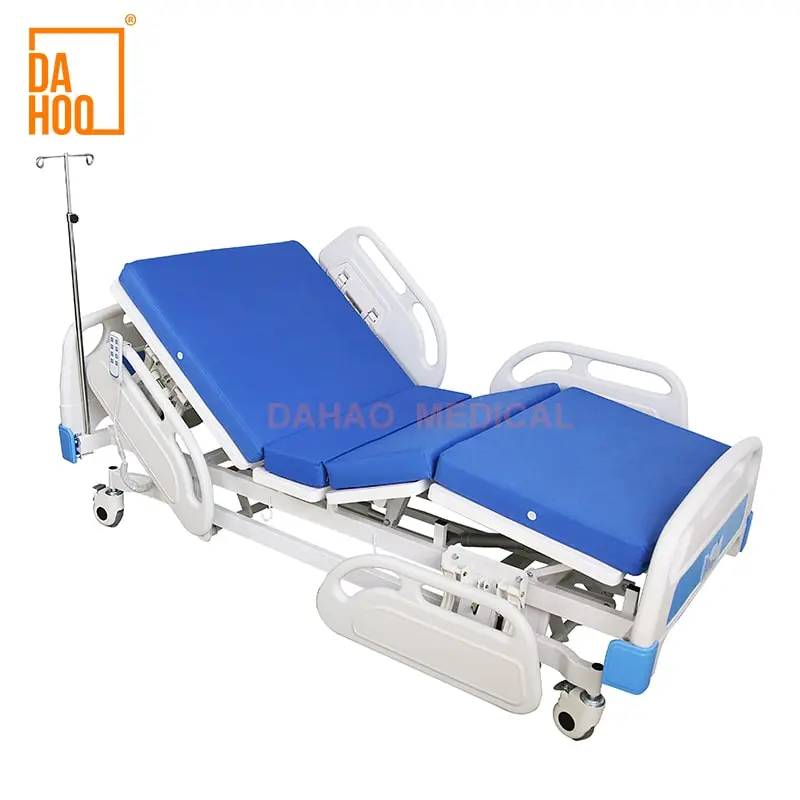
Specialized mattresses maximize the functional advantages of adjustable hospital beds
Mattresses designed specifically for adjustable hospital beds differ significantly in structure from standard ones. They often utilize segmented designs, high-resilience foam, memory foam, or modular materials, allowing them to bend naturally with the bed's changing angles while maintaining continuous support for all parts of the body.
For instance, when a patient needs to adjust their backrest to a 45-degree angle for eating or respiratory therapy, a specialized mattress conforms closely to the bed's folding sections without creating significant gaps caused by the bending. When the leg section is raised to promote venous return in the lower limbs, the mattress adjusts its support angle synchronously, ensuring the patient's legs remain comfortably supported. Once the bed returns to a flat position, the mattress quickly regains its original shape without suffering permanent deformation.
This ability to maintain constant contact not only improves the patient experience but also reduces the workload for nursing staff—who would otherwise need to constantly readjust the mattress and the patient's position—thereby enhancing overall care efficiency.
Why are mattresses for adjustable hospital beds more effective at preventing pressure ulcers?
For patients confined to bed for extended periods, pressure ulcers remain a primary concern in nursing care. Their development is typically linked to factors such as sustained pressure, impaired local blood circulation, skin moisture, and nutritional status; the mattress plays a crucial role in determining how pressure is distributed.
Extensive clinical nursing practice demonstrates that specialized medical mattresses with pressure-relieving capabilities significantly improve pressure distribution between the body and the bed surface. By increasing the contact area, they effectively lower peak pressure points. For patients who are bedridden for extended periods, recovering from surgery, paralyzed, or elderly, specialized pressure-relieving mattresses effectively reduce the risk of sustained pressure on high-risk areas such as the sacrum/coccyx, shoulder blades, and heels.
In contrast, standard mattresses offer fewer support points and limited flexibility. When a medical adjustable bed raises the back or leg sections, body weight becomes concentrated in specific areas, creating points of intense pressure. This is a primary reason why standard mattresses are unsuitable for long-term use with medical adjustable beds.
What are the typical features of specialized mattresses for medical adjustable beds?
1. Excellent flexibility and synchronized bending capabilities
Adjustable hospital beds frequently change angles throughout the day; therefore, the mattress must be highly flexible to move in sync with the bed frame without creasing, bulging, or sustaining internal material damage. High-quality mattresses often feature a segmented cut design or utilize high-resilience materials, ensuring stable support even after repeated, long-term bending.
2. Superior pressure distribution
Modern medical mattresses prioritize pressure management. By utilizing high-resilience foam, memory foam, gel materials, or air circulation systems, they distribute body weight evenly across the mattress surface, thereby reducing the risk of localized tissue exposure to sustained high pressure. This design not only enhances patient comfort but also alleviates the caregiving burden associated with long-term bed rest.
3. Good breathability
Patients confined to bed for long periods often sweat, leading to increased moisture on the mattress surface. Poor breathability can expose the skin to a constantly damp environment, raising the risk of infections and pressure ulcers. Consequently, many specialized mattresses for medical adjustable beds incorporate breathable foam, 3D mesh fabrics, or airflow structures to maintain internal air circulation, helping to keep the patient's sleeping environment dry and comfortable.
4. Waterproof, antimicrobial, and easy-to-clean design
Hospitals and care facilities require frequent disinfection and cleaning. Therefore, medical mattresses are typically equipped with waterproof covers and constructed from antimicrobial, mold-resistant, and disinfectant-tolerant materials. These features effectively prevent fluid seepage into the mattress core, minimize the risk of bacterial growth and cross-infection, and improve overall hygiene standards.
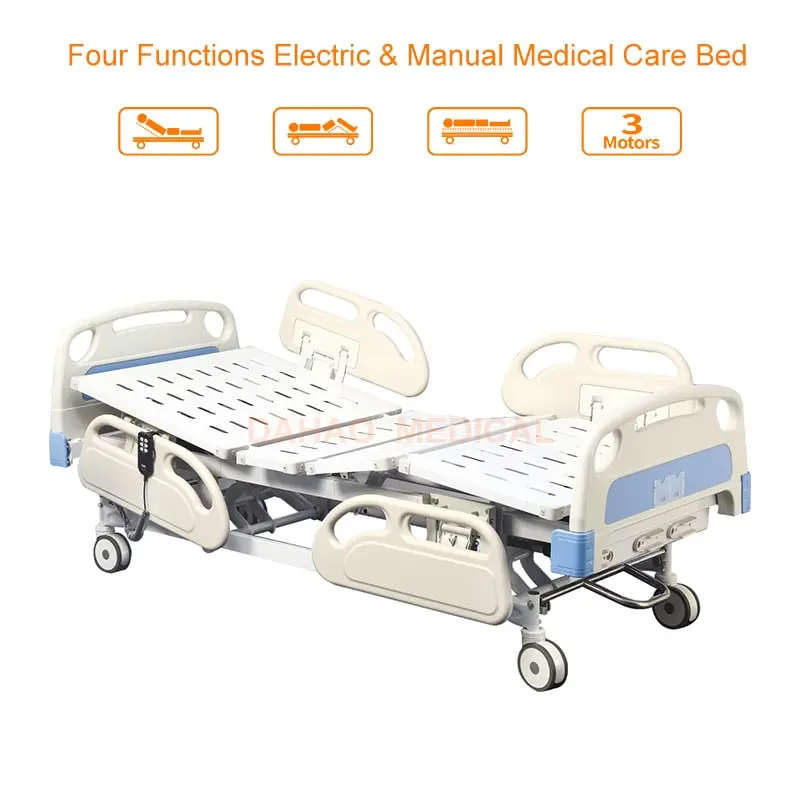
What types of mattresses are suitable for adjustable hospital beds?
The mattresses currently available on the market for adjustable hospital beds primarily include high-density foam, memory foam, gel pressure-relief, and air pressure-relief mattresses; different products are suited to different care scenarios.
High-density foam mattresses are among the most widely used products in hospitals today. They are lightweight, moderately priced, and flexible, meeting the needs of general wards and short-term inpatients. For typical medical institutions, these mattresses offer excellent value for money.
Memory foam mattresses are better suited for patients who are bedridden for extended periods. Memory foam automatically adjusts its shape based on body temperature and weight, providing even support across the body; consequently, it is widely used in rehabilitation, geriatric care, and home care settings.
Gel mattresses have seen rapid development in recent years. Their key advantages are superior pressure relief and heat dissipation, maintaining comfort even in hot environments, making them an ideal choice for patients requiring long-term bed rest for recovery.
Air pressure-relief mattresses are typically used in intensive care units (ICUs), neurosurgery and burn departments, and for long-term bedridden care. By using an automatic inflation/deflation system to constantly shift pressure points, they minimize sustained pressure and help prevent pressure ulcers in high-risk patients; they are also a crucial accessory for modern, high-end adjustable hospital beds.
What key factors should be considered when purchasing mattresses for medical adjustable beds?
When purchasing medical adjustable beds, many buyers focus on the motor brand, weight capacity, or smart features, often overlooking the importance of the mattress. In reality, a high-quality mattress has just as much impact on patient care outcomes as the bed itself.
First, ensure the mattress dimensions—length, width, and thickness—perfectly match the medical adjustable bed. It is also vital to confirm that the mattress's segmented sections align with the bed's articulating joints; otherwise, even if the overall dimensions match, the bed's adjustment functions could be impaired.
Second, select materials based on the patient's specific care needs. For instance, general inpatients might use high-density foam mattresses, whereas long-term bedridden patients, the elderly, and those recovering from surgery would benefit more from memory foam, gel, or air pressure-relief mattresses, which offer superior pressure distribution. Additionally, priority should be given to features such as waterproof, antibacterial, and disinfectant-resistant properties, as well as removable, washable covers. Hospital environments demand high standards of hygiene management; easy-to-maintain mattresses not only reduce the nursing workload but also lower the risk of hospital-acquired infections.
Finally, preference should be given to products that meet relevant quality standards and medical industry regulations. Attention should be paid to material safety, durability, and long-term support performance, rather than basing purchasing decisions solely on price.
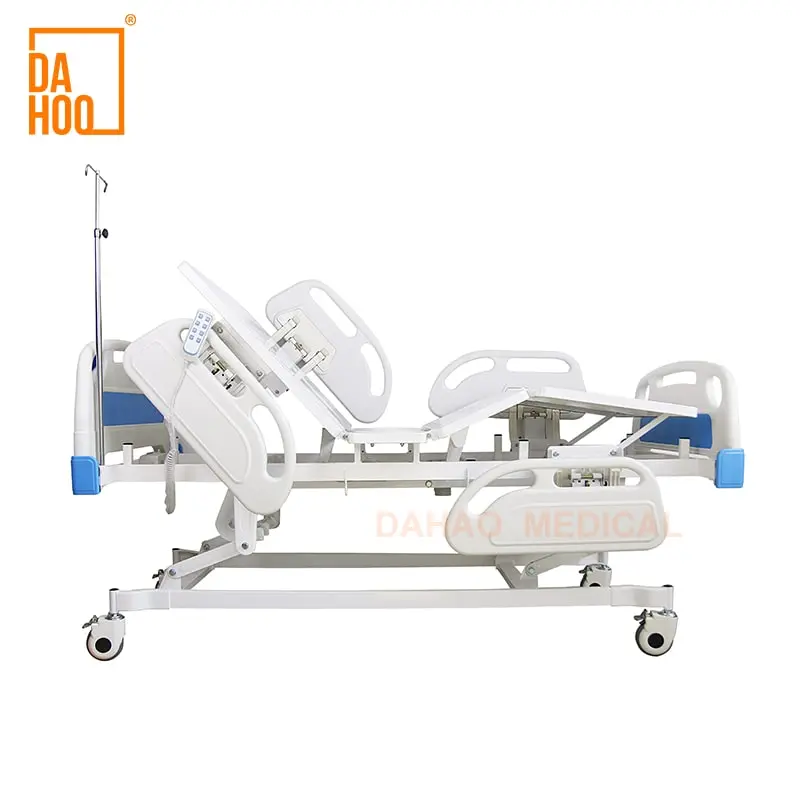
FAQ
1. Can standard household mattresses be used on adjustable hospital beds?
Generally, this is not recommended. Standard household mattresses are designed for fixed bed frames; repeated bending over time can lead to deformation, breakage, or loss of support. They may also interfere with the proper functioning of the adjustable bed, so it is best to choose a mattress specifically designed for medical use.
2. What type of mattress is best suited for adjustable hospital beds?
The choice depends on patient needs. Standard wards typically use high-density foam mattresses; patients confined to bed for long periods benefit more from memory foam, gel-based pressure-relieving, or air-based pressure-relieving mattresses. For patients at high risk of pressure ulcers, dynamic air-pressure mattresses often provide superior care outcomes.
3. How often should the mattress on a medical adjustable bed be replaced?
The replacement cycle depends on usage frequency, patient weight, the care environment, and mattress material. Generally, high-quality medical mattresses last 5 to 8 years, but they should be replaced promptly if there is significant sagging, loss of elasticity, damage to the cover, or a decline in hygienic performance.
4. Does a thicker mattress mean more comfort?
Not necessarily. Mattress thickness must align with the bed's side rail height, folding mechanism, and adjustment angles. A mattress that is too thick can compromise bed adjustments and patient safety, while one that is too thin may lack adequate support; therefore, the thickness should be selected based on the bed's specifications.
5. Why are hospitals placing increasing importance on mattresses when purchasing adjustable hospital beds?
Because the mattress directly impacts patient comfort, pressure ulcer prevention, nursing efficiency, and the operational stability of the bed. Modern hospitals increasingly prefer to purchase adjustable beds and specialized mattresses as an integrated care system to achieve better clinical outcomes and long-term cost-effectiveness.