

When choosing mobility aids, many people encounter the English terms "Power Wheelchair" and "Electric Wheelchair." Especially in English-speaking environments, users often see both terms appearing together when searching for electric mobile devices, leading to a common question:
Are Power Wheelchair and Electric Wheelchair the same device?
The answer is: Yes, they are the same device.
Whether called Power Wheelchair or Electric Wheelchair, they both belong to the category of electrically powered wheelchairs. Essentially, they refer to wheelchairs powered by motors, batteries, and control systems, designed to provide independent, easy, and reliable mobility for people with mobility limitations.
While there may be differences in terminology depending on brand, industry, country, or sales pitch, there is no fundamental technical difference between the two.
This article will provide a detailed analysis from a professional perspective, examining the origins of these terms, device structure, system components, usage methods, functional characteristics, and user perceptions, allowing you to fully understand why they are completely identical.
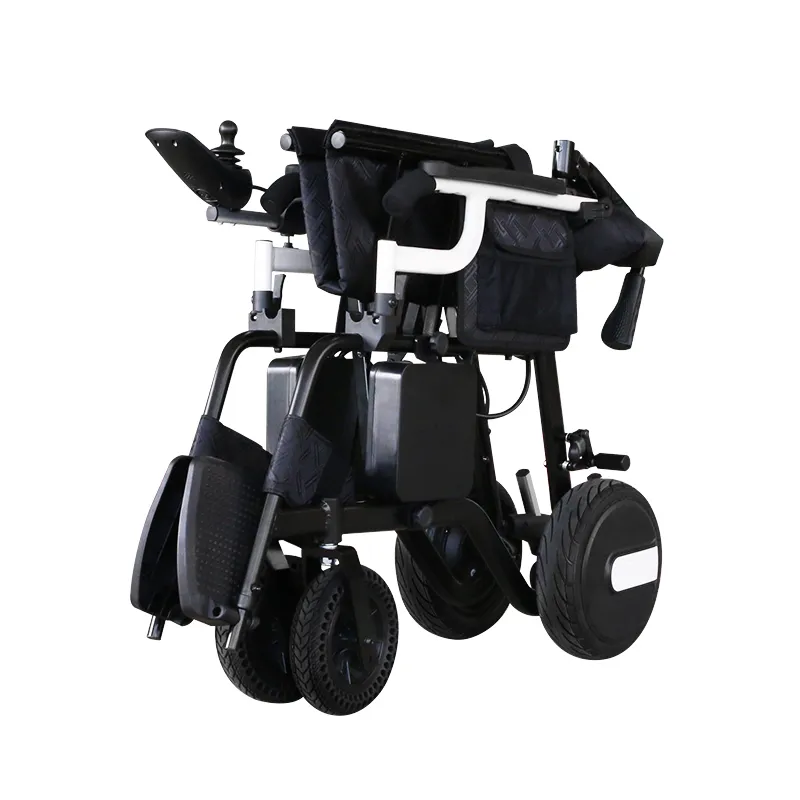
What's the difference between the names Power Wheelchair and Electric Wheelchair?
To understand why they are the same device, we need to understand their naming context.
Electric Wheelchair is the most intuitive and common English expression, meaning "electric mobile wheelchair." It clearly tells the user:
• This is a wheelchair
• It is electrically powered
Power Wheelchair is a different expression, where:
• "Power" indicates power source or electric drive
• "Wheelchair" indicates a device for sitting
Therefore, Power Wheelchair means "electrically powered seated mobility device."
This expression is more commonly seen in brand advertising, the senior care industry, and electric wheelchair manufacturers.
However, the actual products are exactly the same; the only difference is the naming perspective.
What are the structural similarities between Power Wheelchair and Electric Wheelchair?
Whether called Power Wheelchair or Electric Wheelchair, the basic structure is completely identical. They both contain:
• Battery system
• Motor drive system
• Controller (Joystick control handle)
• Frame
• Seat and backrest
• Armrests and footrests
• Wheels and anti-roll wheels
• Braking system
These components constitute a complete electric wheelchair. The different names do not alter any mechanical, electrical, or software structure.
Does the Power Wheelchair function the same as an electric wheelchair?
The answer is exactly the same.
Both can:
• Forward
• Backward
• Left turn
• Right turn
• Rotate in place
• Automatic braking
• Multi-terrain capability
• Various speed controls
These are the core functions of the Electric Wheelchair, which are also the core functions of the Power Wheelchair.
There is no functional difference.
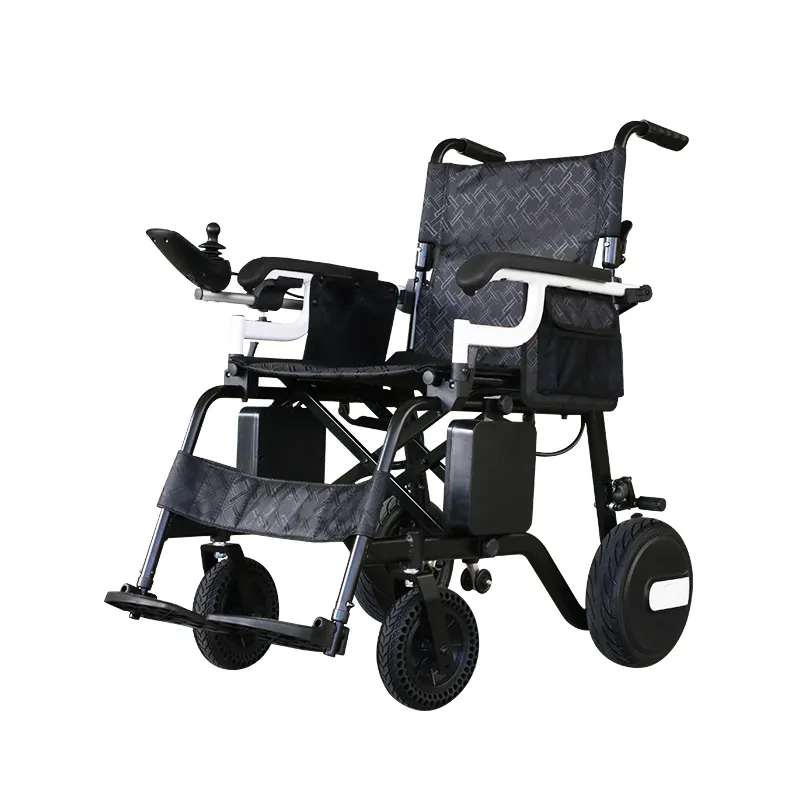
Power vs. Electric Wheelchair: Are there differences in their control methods?
The control methods are also completely identical.
Almost all modern electric wheelchairs utilize:
• Joystick control
• User-controlled direction and speed with slight pushes
• Automatic motor output adjustment by the controller system
• Automatic braking upon release
This human-machine interface is globally standardized, therefore there is no such thing as "different control methods for Power Wheelchairs."
Why do some users perceive Power Wheelchairs as more premium?
This perception stems from marketing language, not technological differences.
Some brands may label certain higher-spec Electric Wheelchairs as Power Wheelchairs for product categorization, for example:
• Equipped with a power-adjustable seat
• Equipped with a power tilt system
• Equipped with a higher torque motor
• Equipped with a superior suspension structure
However, these advanced features can be found in any Electric Wheelchair, just with different names.
In other words:
"Premium Power Wheelchair" is not an inherent attribute of Power Wheelchairs, but rather an upgrade in functionality for a specific product.
This still does not change the fact that electric wheelchairs and Power Wheelchairs belong to the same category.
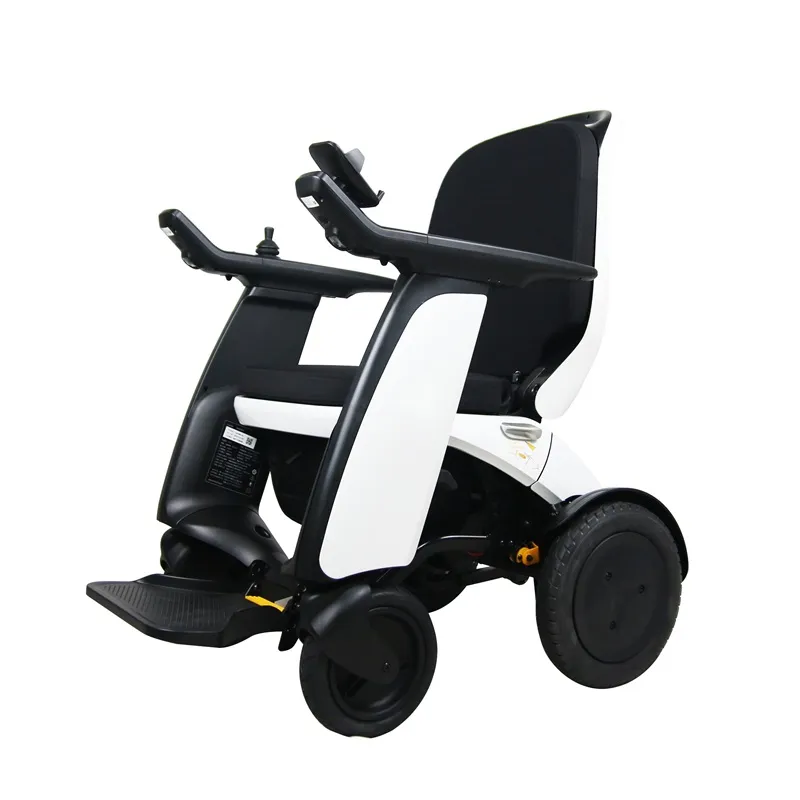
Power VS Electric Wheelchair: What are the differences in application scenarios?
From a technical perspective, there is no difference.
However, from a language usage perspective:
• Medical procurement typically uses "Electric Wheelchair."
• Brand promotion or home users may prefer "Power Wheelchair."
• "Electric Wheelchair" is more commonly used in the UK and Australia.
• "Power Wheelchair" appears more frequently in North America.
These are merely differences in language usage and do not involve any functional or structural differences.
Are there different product types for Electric/Power Wheelchairs?
Yes, but these product types apply to both names and do not represent different devices.
Common types of Electric/Power Wheelchairs include:
1. Indoor Electric Wheelchairs
Lightweight, small turning radius, suitable for home spaces.
2. Outdoor Electric Wheelchairs
More powerful, thicker tires, suitable for various terrains.
3. Folding Electric Wheelchairs
Lightweight, foldable, convenient for travel.
4. Heavy-Duty Electric Wheelchairs
Higher load capacity, suitable for larger users.
5. Multifunctional Seated/Reclining Electric Wheelchairs
Features electric tilting, leg raising, and height adjustment functions.
All of these types belong to the Electric/Power Wheelchair category, which is essentially a Power Wheelchair.
Power VS Electric Wheelchair: Why do professionals say there is no difference?
The reasons are clear:
✔ They have the same functions
✔ The same motor, battery, and electronic control system
✔ The same operating method
✔ The same usage scenarios
✔ The same product classification method
✔ The same medical device attributes
✔ The same regulatory requirements
From an engineering, rehabilitation medicine, and medical device management perspective, a Power Wheelchair is completely equivalent to an Electric/Power Wheelchair.
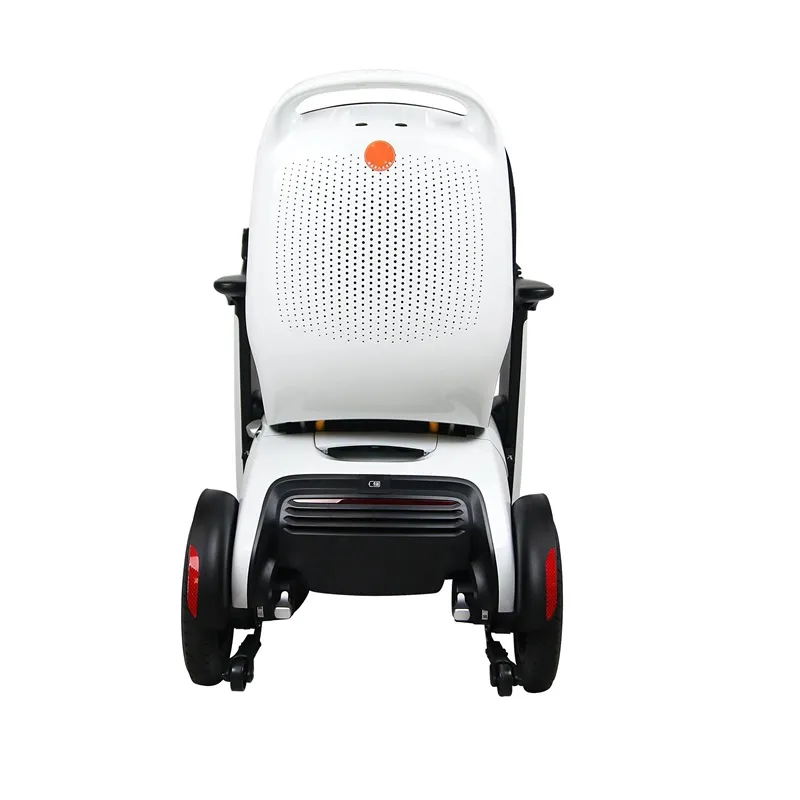
Why are consumers often confused by these two terms?
The main reason lies in the different marketing strategies of various brands and user habits.
• Some advertisements tend to use "Power Wheelchair" to emphasize its "powerful" image.
• Some retailers use "Electric Wheelchair," which is more in line with medical device terminology.
• Language habits in different countries can also influence terminology choice.
But remember this: Regardless of the name, they are all Electric/Power Wheelchairs; there is no functional difference.
Power Wheelchair vs. Electric Wheelchair: What are the similarities?
To help readers understand more clearly, here's a summary of their core similarities:
1. Consistent Technology
The same power system, control system, and power supply configuration.
2. Consistent Structure
The frame, seat, and wheelset are identical.
3. Consistent Functionality
The riding ability, braking ability, and control methods are completely identical.
4. Consistent Product Type
Whether high-end or entry-level, they belong to the same category.
5. Consistent Target Audience
Suitable for people with limited mobility, decreased physical strength, and those undergoing rehabilitation.
6. Consistent Industry Standards
The same medical standards and quality certifications.
7. Consistent Safety
Stability, braking system, and electronic control logic are all identical.
Therefore, the Power Wheelchair and Electric Wheelchair are essentially the same.
Are Power Wheelchair and Electric Wheelchair the same device?
Yes. They are the same type of electric wheelchair.
Any differences in function, structure, purpose, or technology do not stem from the name, but rather from different models designed by manufacturers for specific groups of people.
Within the industry, the relationship between Power Wheelchair and Electric Wheelchair is similar to that between "car" and "vehicle"—different names for the same type of equipment.