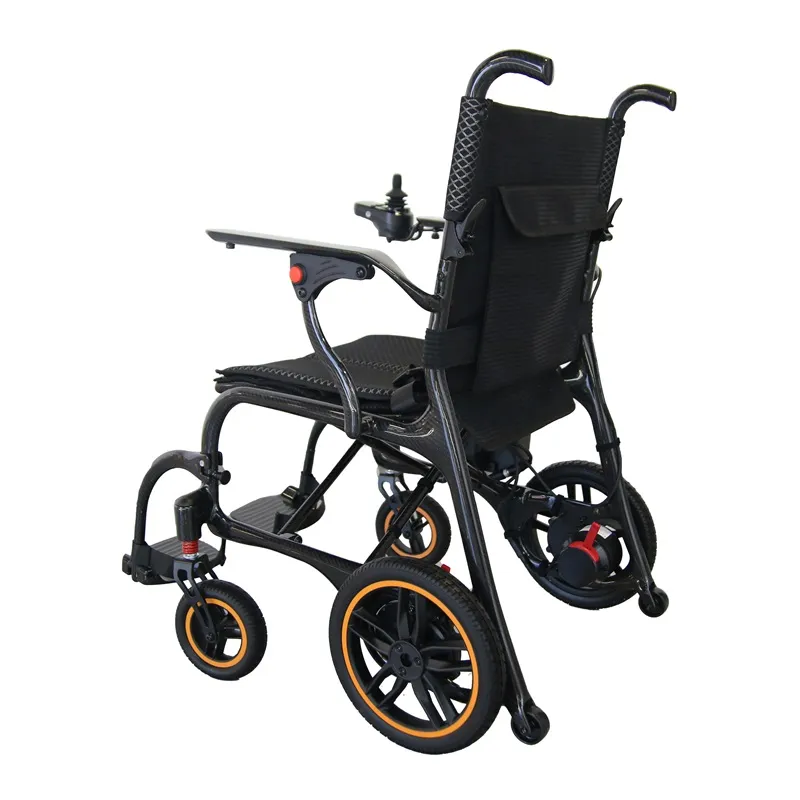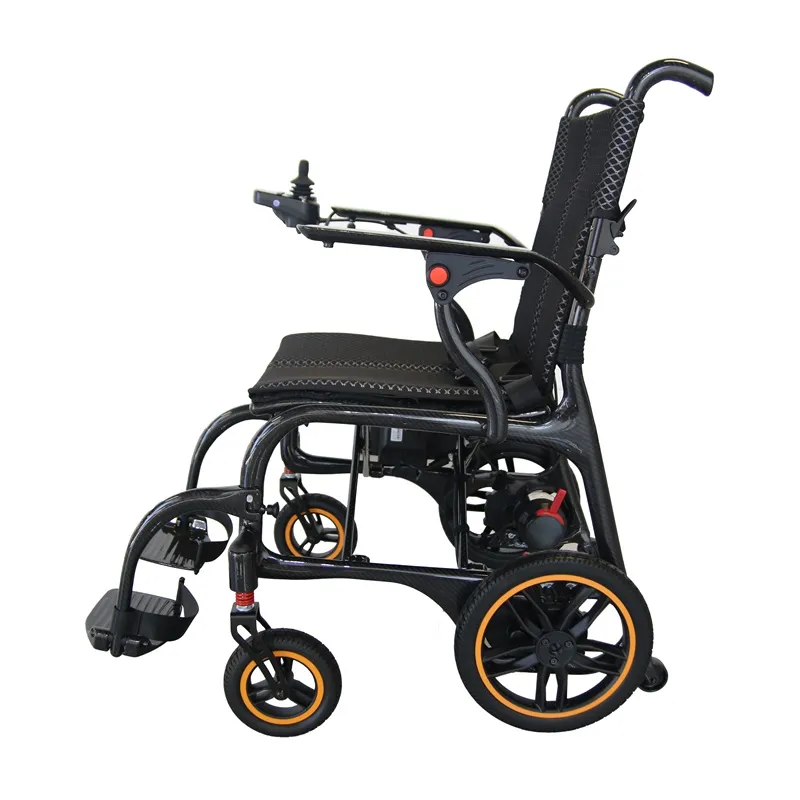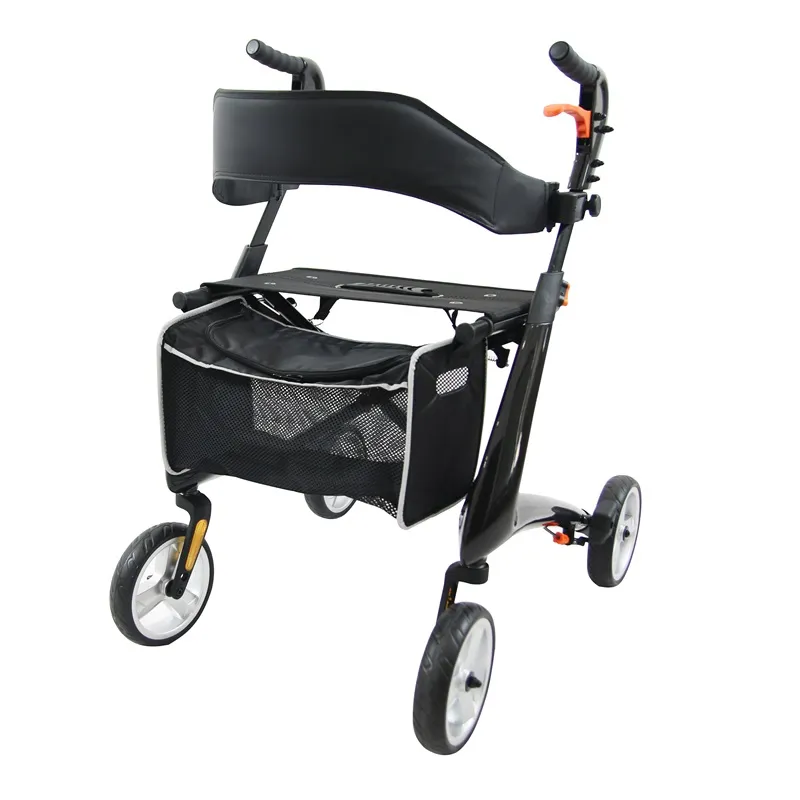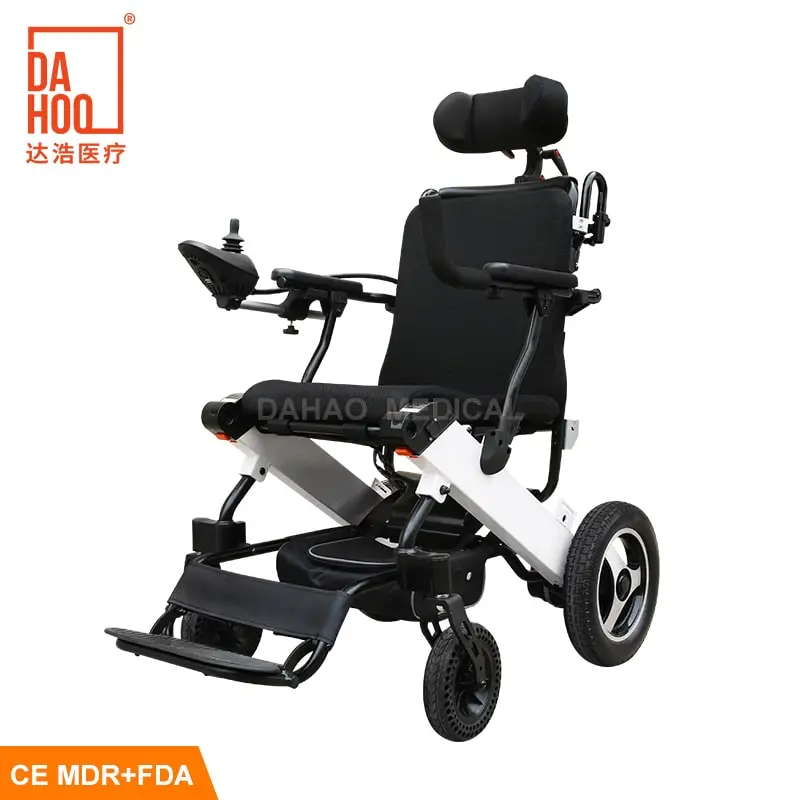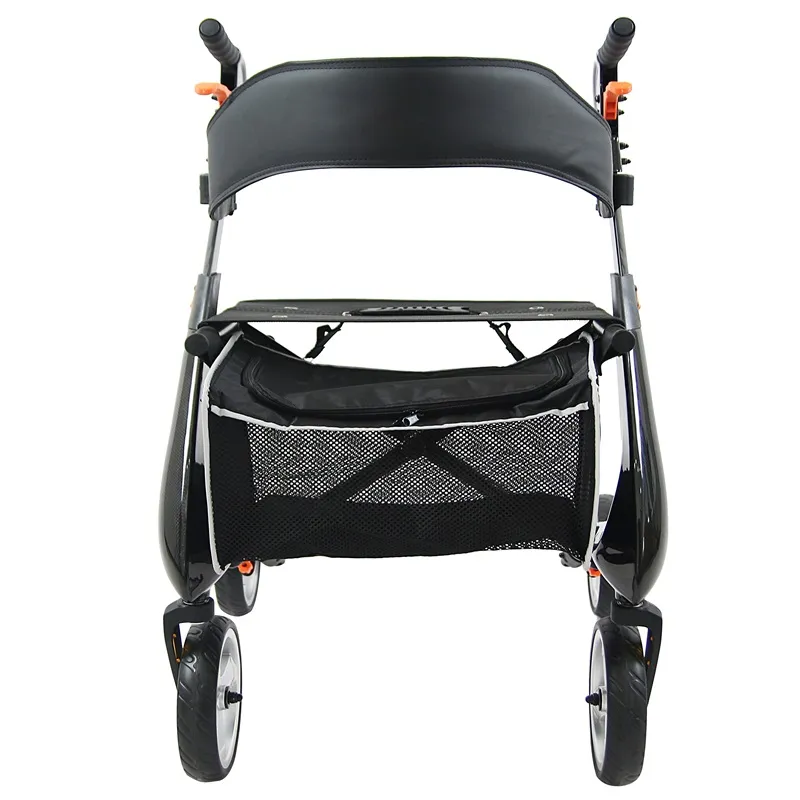

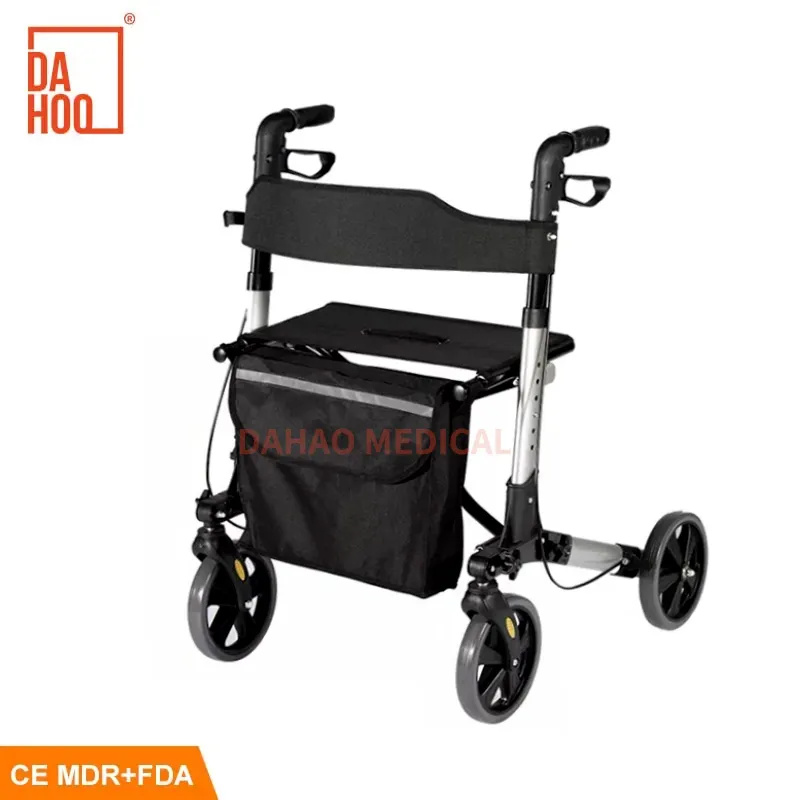
If the user is unable to take steps at all or experiences extreme difficulty, a 4-wheel rollator can no longer provide safe support, and a wheelchair is clearly the safer option.
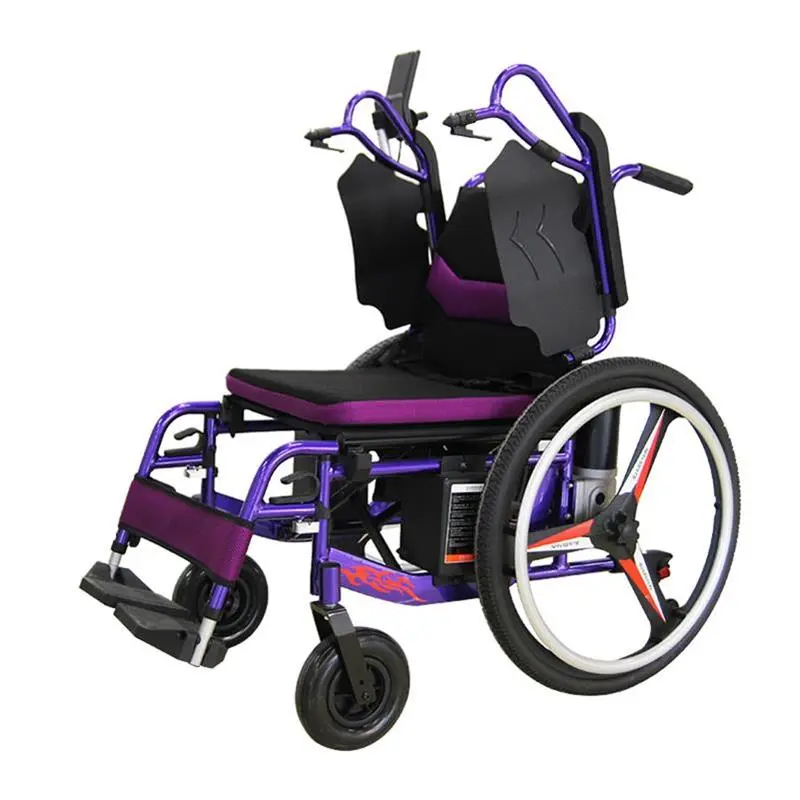
For people with insufficient hand strength, arthritis, muscle weakness, or poor balance, mobility scooters can be difficult to control. Therefore, in terms of ease of control, electric wheelchairs are clearly superior to electric mobility scooters.
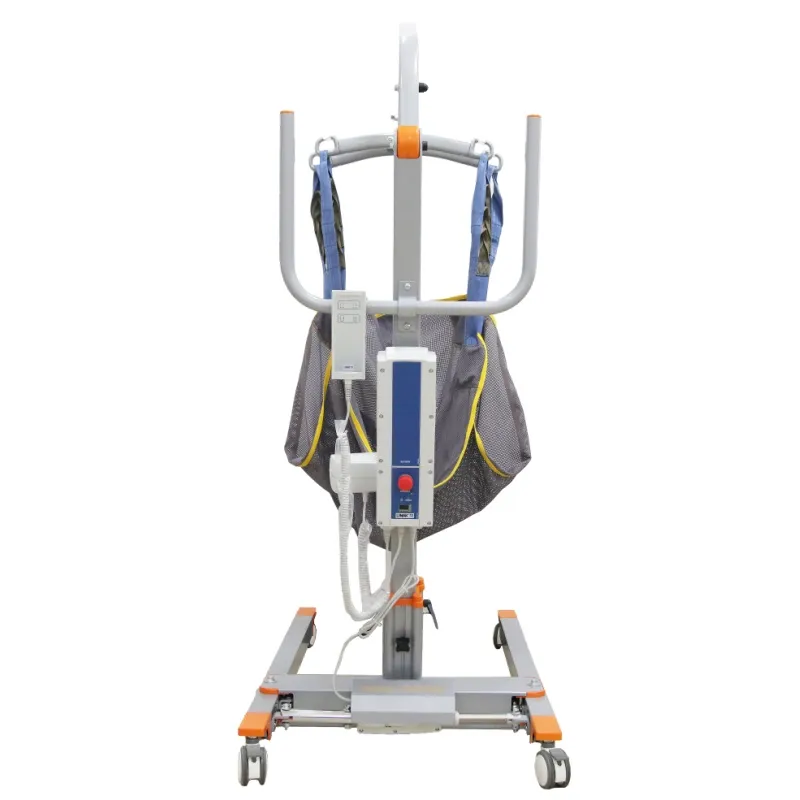
A patient transfer lifter is often referred to as a "sling-type transfer lifter" or "patient hoist." Unlike a patient transfer chair, a patient transfer lifter uses an electrically or manually driven suspension system to wrap and lift the patient's entire body using a sling.
Many people mistakenly believe that "medical supplies must be purchased through a doctor or hospital," but in fact:
Anyone can purchase a home care bed without a prescription, recommendation, or approval.
It's not like special medications or medical equipment that require approval; home care beds are sold to ordinary consumers.
A 4-wheel rollator "assists walking," while a wheelchair "replaces walking."
When a person is no longer suitable for standing or walking, continued use of a 4-wheel rollator becomes a potential hazard.
Considering the characteristics of lithium batteries and practical usage needs, the most reasonable charging range for most electric wheelchair users is usually:
80%–90%
A lift transfer chair is a professional assistive mobile device designed specifically for people with limited mobility, the elderly, people with disabilities, post-operative patients, and those requiring nursing assistance.
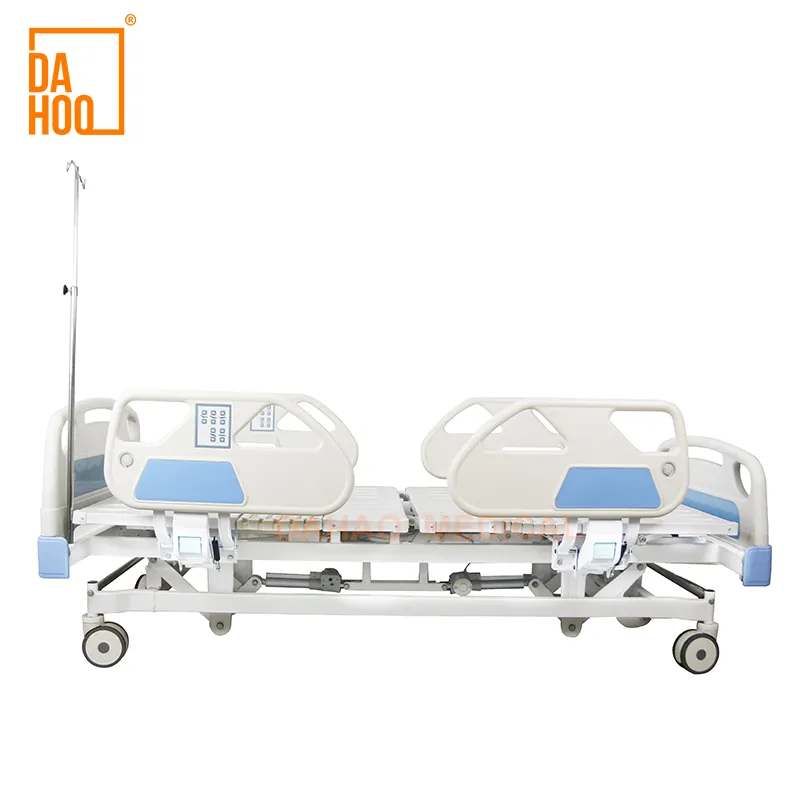
There are many classification standards for medical beds, the most common of which include: by power mode (manual, semi-electric, and fully electric); and by usage scenario (general nursing beds and ICU beds).
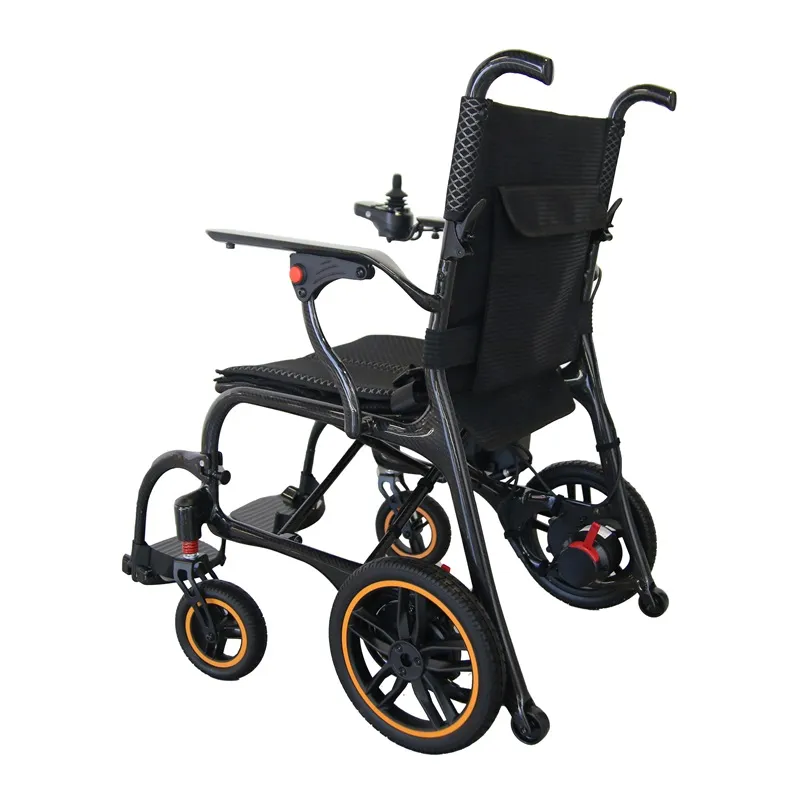
Yes. You can bring a lightweight electric wheelchair on a plane, but you must check the airline's specific regulations in advance and follow the rules regarding lithium batteries, security procedures, check-in procedures, and cargo hold storage.
You can assess this by considering the following:
• Is your walking stable?
• Are you prone to losing your balance?
• Do you frequently feel fatigued?
• Are you worried about falling?
• Do you need external support?
If multiple signals appear simultaneously, then a rollator has likely become a necessary and appropriate assistive tool.