

When choosing a walker or rollator, many people encounter confusion regarding "type classification," such as the difference between Type 1, Type 2, and Type 3. This is especially true when buying a rollator, where products are often labeled "Type 2" or "Type 3."
This classification not only relates to product functionality but also directly affects important characteristics such as stability, usage scenarios, wheel size, and whether a seat is included.
According to internationally accepted classification standards:
• All walkers are Type 1, regardless of whether they have wheels.
• Type 2 walking aids are equipped with smaller 4-6 inch wheels.
• Type 3 walking aids are equipped with larger 8-inch wheels and offer greater mobility and functionality.
This article will explain the core differences between Type 2 and Type 3 walkers from a professional perspective, helping you to choose the right walker or rollator more scientifically.
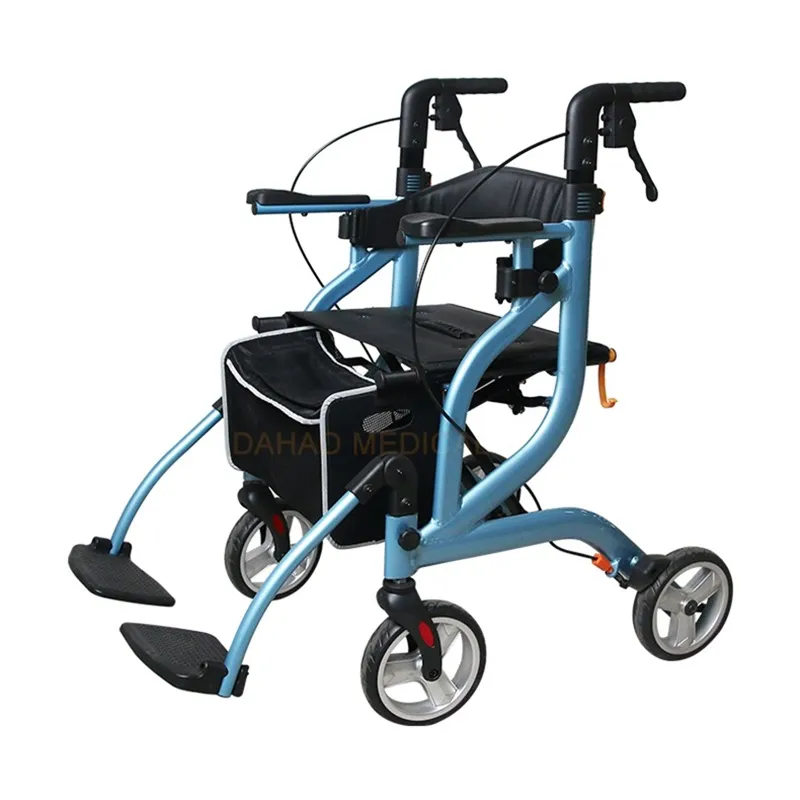
Why are walking aids categorized into Type 1, Type 2, and Type 3?
To understand the differences between Type 2 and Type 3 walking aids, we must first understand the classification logic.
Type 1: Walking Aid
• Regardless of whether it has wheels, all are Type 1;
• Emphasizes stability;
• Commonly used for post-operative recovery or short-term use.
Type 2: Small-Wheel Walking Rollator
• Small wheels, typically 4-6 inches;
• Used indoors on flat surfaces;
• Flexible but not suitable for complex outdoor environments.
Type 3: Large-Wheel Walking Rollator
• Large wheels, typically 8 inches;
• Equipped with a seat;
• High maneuverability, suitable for various indoor and outdoor scenarios.
The purpose of this classification is to help users quickly determine the optimal usage environment and safety performance of different walking aids.
What are the differences between Type 2 and Type 3 walking aids?
Below is a comprehensive comparison of the two models across multiple professional dimensions to help users or caregivers make a more accurate choice.
What impact does the smaller wheel diameter of the Type 2 walking aid have on the user experience?
Wheel diameter is a key indicator for distinguishing between Type 2 and Type 3 walking aids:
Type 2 Walking Aid
• Wheel diameter: 4-6 inches
• More suitable for small spaces
• More maneuverable
• Better fits indoor surfaces
• Less suitable for gravel roads, grass, or uneven terrain
The Benefits of Smaller Wheels
Smaller wheels are better suited for flat surfaces, making Type 2 walking aids ideal for:
• Nursing homes
• Stepless indoor spaces
• Small walks in the community
• Hospital or clinic access points
Summary:
The smaller wheels of the Type 2 walking aid mean greater indoor flexibility but limit outdoor adaptability.
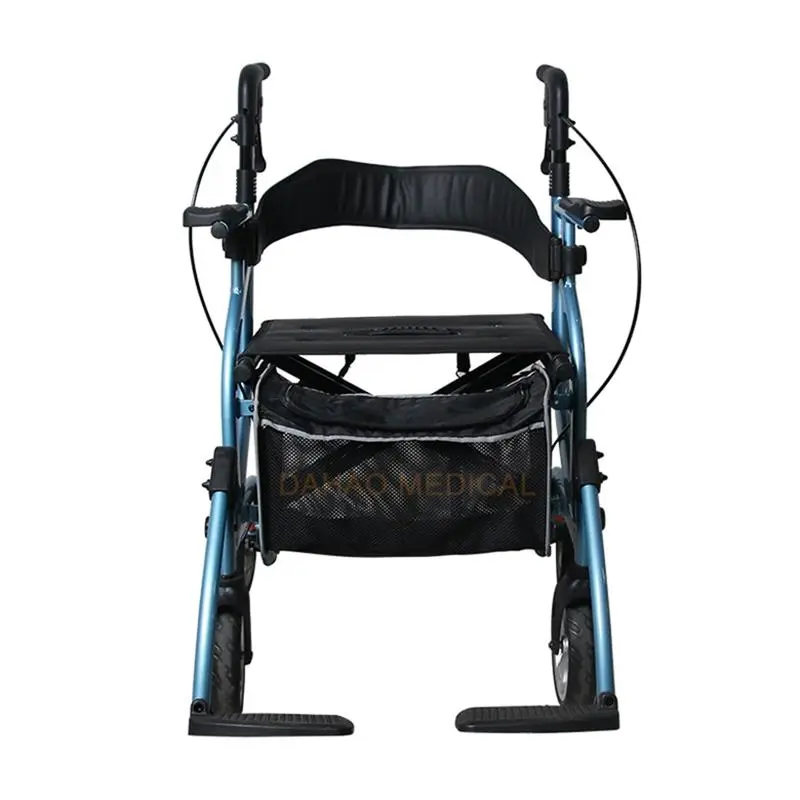
Why are Type 3 walking aids typically equipped with larger wheels?
Type 3 walking aids are equipped with large wheels of around 8 inches, which is the biggest physical difference between them and Type 2.
Advantages of Larger Wheels
• Easier to overcome small obstacles
• Better maneuverability
• Better suited for outdoor environments
• More stable on grass or brick paths
• Less effort required to push
Why are larger wheels needed?
Because of different design purposes:
The Type 3 walking aid was developed to meet the needs of users traveling "longer distances and in more complex environments."
If the user needs to:
• Walk on community streets
• Navigate park paths
• Ascend and descend slight slopes
• Travel on various surface surfaces
The larger wheels of the Type 3 walking aid significantly improve stability and safety.
What are the fundamental differences in the uses of the Type 2 and Type 3 walking aids?
Type 2 Walking Assistance Uses
• Primarily for indoor use
• Requires a flat surface
• Suitable for short distances
• Particularly suitable for nursing homes and care facilities
• Suitable for users with limited strength but still able to walk independently
Type 3 Walking Assistance Uses
• Can be used both indoors and outdoors
• Adaptable to various surface types
• Suitable for long-distance walks
• Equipped with more features
Therefore, the essential difference between the two is:
Type 2 Walking Assistance = Short-distance indoor use
Type 3 Walking Assistance = Suitable for both indoor and outdoor use, long-distance walking
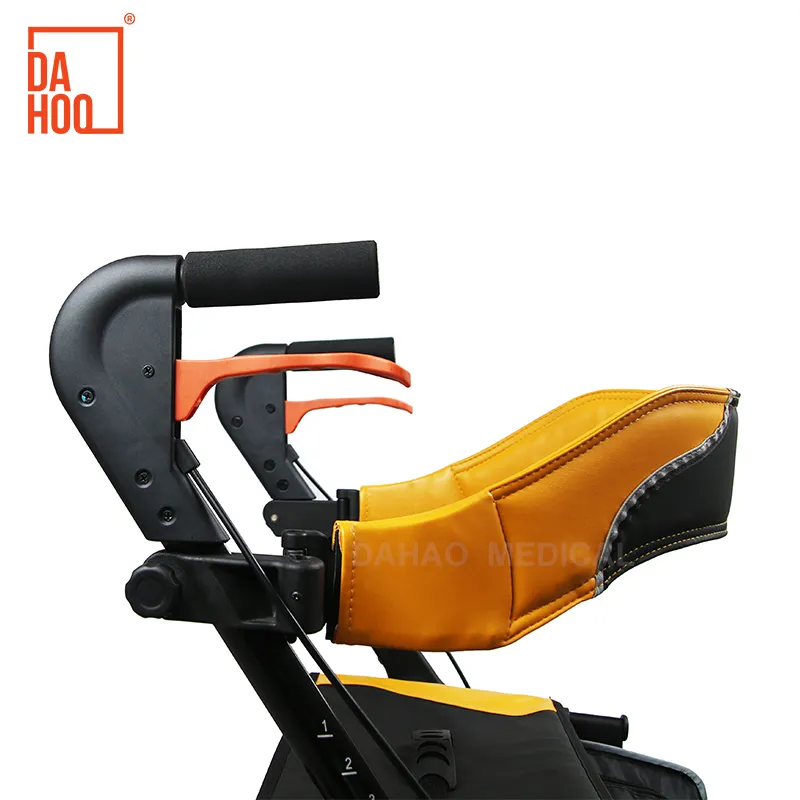
Why does the Type 3 walking assistance have a seat, while the Type 2 does not?
According to design specifications:
• Type 2 walking aids typically do not have a seat.
• Type 3 walking aids almost always have a seat.
The reasons are as follows:
Reasons why Type 2 walking aids do not have a seat:
• Small wheels reduce maneuverability.
• Not suitable for prolonged outdoor walking.
• Product positioning is biased towards short distances.
• A seat may affect flexibility and portability.
The benefits of having a seat on Type 3 walking aids:
• Users can sit down and rest when tired.
• Suitable for extended use.
• Safer for those with limited physical strength.
• Increases applicable scenarios (e.g., parks, outdoor walks).
Summary:
A seat is a hallmark feature of Type 3 walking aids and one of the differences between the two types.
What are the differences between a walking frame (Type 1) and Type 2/3 walking aids?
To avoid confusion, it is necessary to explain the position of the walking frame in the classification system.
Walkers = All fall under Type 1
Regardless of:
• Wheels or not
• Four legs or not
• Foldable or not
All are Type 1 walking aids.
Characteristics of walkers:
• Highest stability
• Slowest speed
• Best suited for post-operative recovery
• More suitable for those with extremely weak physical strength
• Generally used for short periods
• Not suitable for long distances
Therefore, walkers ≠ Type 2 or Type 3 walkers.
They belong to different design directions.
Which users are more suitable for Type 2 walkers?
Based on the small wheels and primary uses of the Type 2 walking aid, it is ideal for the following groups:
1. People who primarily spend their time indoors
Especially:
• Residents of nursing homes
• Elderly people with limited mobility at home
• Frequent users in hallways and living rooms
2. People who live on flat ground and do not go outdoors
For example:
• Hospitals
• Apartments
• Nursing homes
3. People who do not need a seat
If you do not need to rest frequently, there is no need to choose Type 3.
4. People with less strength but who need a certain degree of agility
The small wheel design makes it lightweight and flexible, suitable for use in confined spaces.
5. People who need to travel short distances
For example:
• From bedroom to living room
• From room to bathroom
• Slow walking within the home
In summary:
The Type 2 walking aid is suitable for people who need to travel short distances, indoors, and on flat ground.
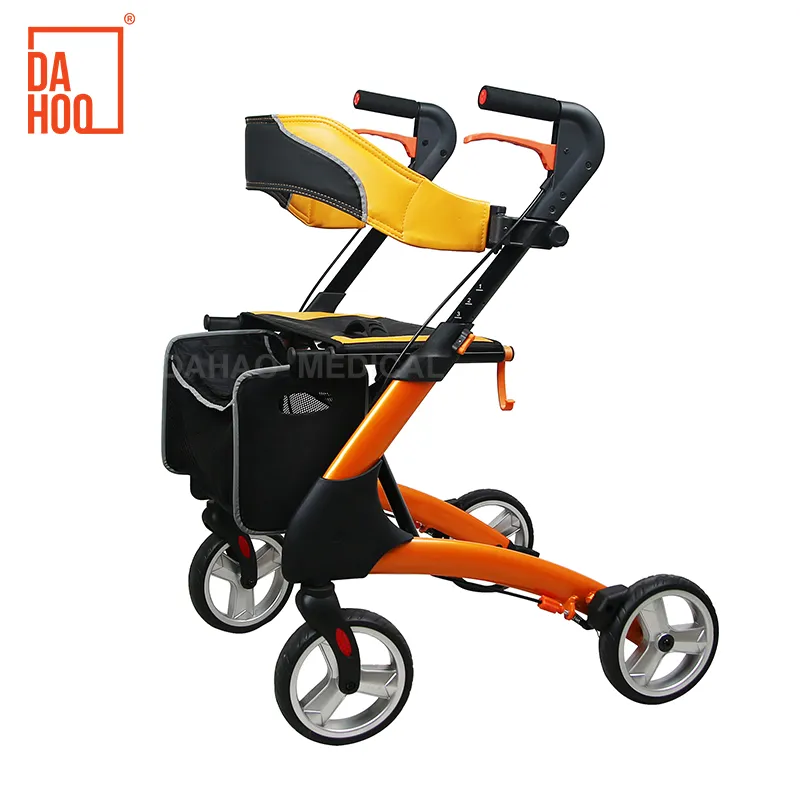
Which users are more suitable for the Type 3 walking aid?
Type 3 walking aids, with their large wheels, seat, and good maneuverability, are suitable for the following users:
1. People who are active both indoors and outdoors
If your daily walking routes include:
• Parks
• Community roads
• Shopping malls
• Sidewalks near your home
Then a Type 3 walking aid will provide better support.
2. People who frequently need to sit down and rest
The seat is very useful.
3. People who want to walk longer distances
For example:
• Daily walks
• Community activities
• Light outdoor walking
4. People who want a more stable walking aid
Large wheels make it easier to traverse steps, cobblestone streets, and small potholes.
5. People who want to reduce physical exertion
Large wheels are smoother and require less effort than small wheels.
Are Type 2 walking aids lighter than Type 3 walking aids?
Generally speaking, Type 2 walking aids have a simpler structure and are therefore usually lighter than Type 3 walking aids.
Type 2 walking aids:
• Small wheels
• No seat
• Simple frame
• Typically lighter weight
Type 3 walking aids:
• Large wheels
• Built-in seat
• More stable frame
• More features
Therefore, Type 2 walking aids are generally lighter.
However, the specific weight also depends on the materials used, such as aluminum alloy or steel.
What are the differences in stability between walking frames (Type 1) and walking aids (Type 2, Type 3)?
Because walking frames and walking carts may appear in a buyer's comparison list, it's necessary to clarify the following:
Walking Frame (Type 1): Highest stability
• Largest standing area
• Heavy-duty structure
• No wheels or only 2 wheels
• Slowest speed, safest
Suitable for:
• Post-operative patients
• Weak patients
• Patients requiring maximum support
Type 2 and 3 walking carts emphasize "mobility"
• More wheels
• Easier to push
• Faster speed
• Less strenuous
While not as stable as walking frames, they are still suitable for most daily walkers.
Can I purchase in bulk or wholesale?
Yes, Dahao Medical specializes in wholesale supply and bulk purchasing. As a large-scale factory in China, we have the production capacity to handle high-volume orders while maintaining consistent quality. Our flexible pricing and efficient logistics make it easy for distributors and businesses to buy in bulk.