News

  • What's the difference between a toilet chair and a toilet wheelchair?
    The biggest difference between the two is: Toilet chair = Fixed toilet assistance device Toilet wheelchair = Movable toilet and transfer assistance device
    2026-02-23
    More
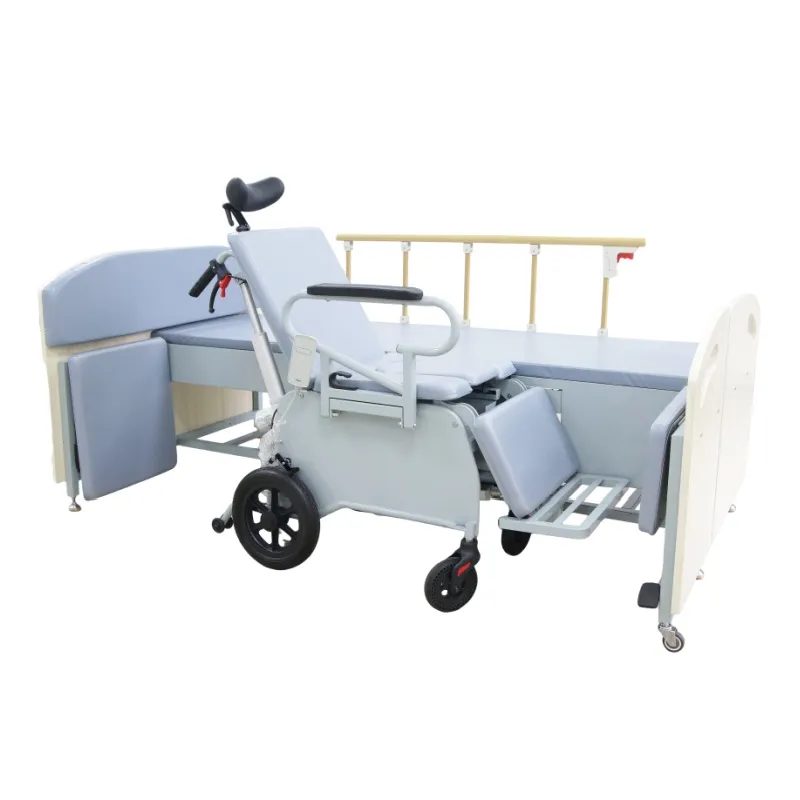
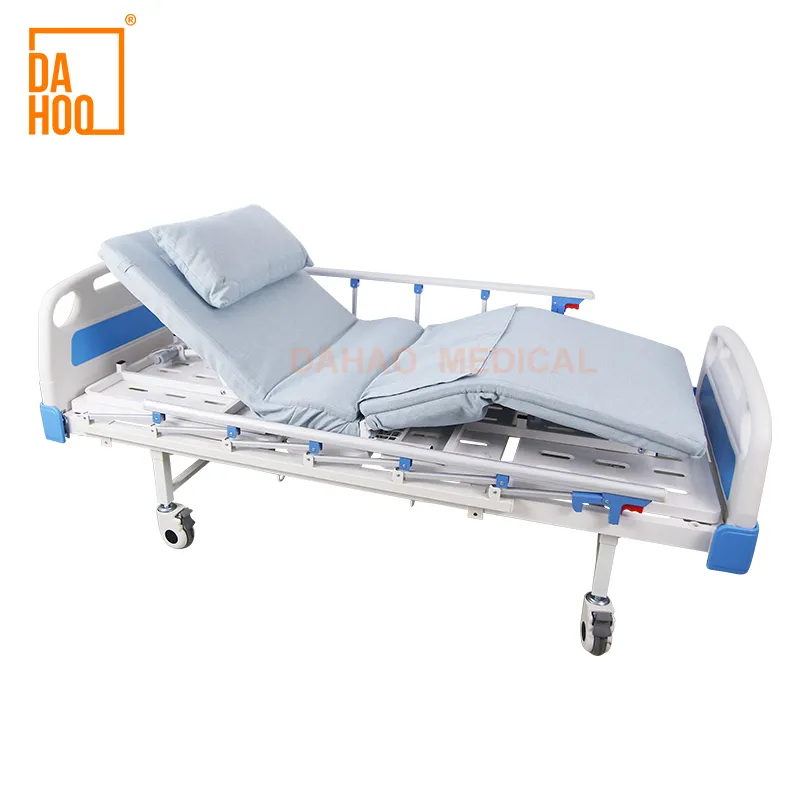
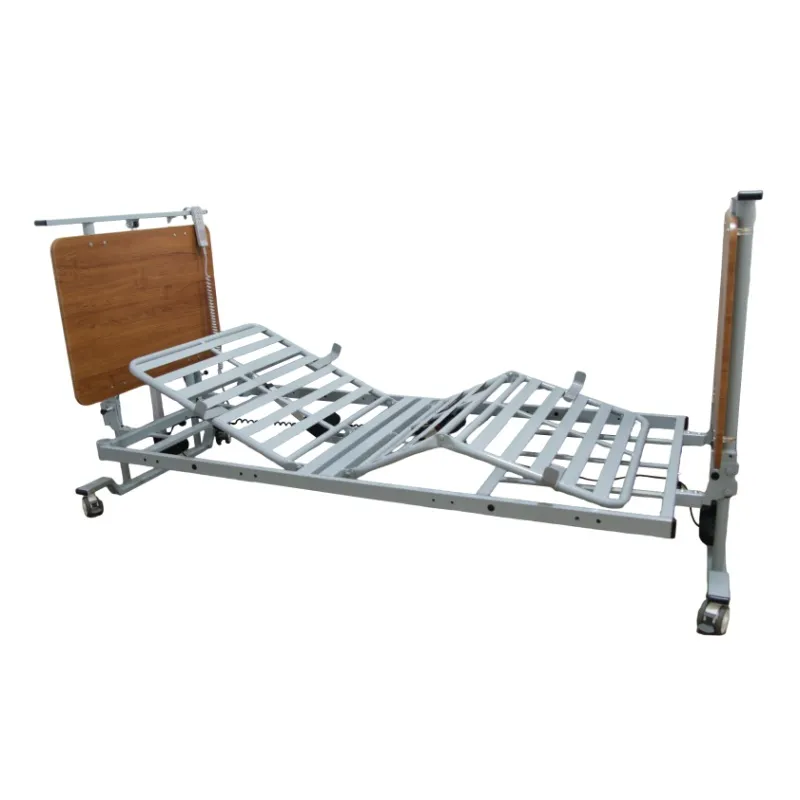
  • Who is an Adjustable Electric Home Care Bed Suitable For?
    Adjustable electric home care beds are suitable for the following groups: ✔ Long-term bedridden individuals ✔ Individuals with limited mobility ✔ Elderly individuals ✔ Post-operative recovery patients ✔ Individuals prone to falls ✔ Individuals needing assistance sitting up ✔ Families with caregivers ✔ Individuals with limited mobility who wish to maintain independence
    2026-02-20
    More
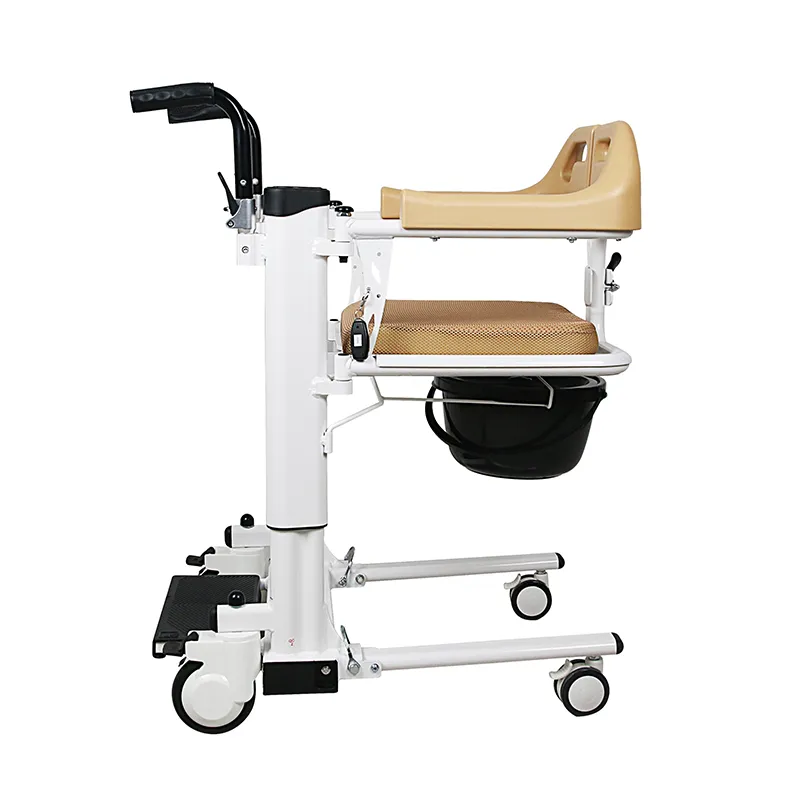
  • Is an electric lift transfer chair suitable for the elderly?
    In most cases, an electric lift transfer chair is very suitable for the elderly. It not only significantly reduces the risks of movement for the elderly but also makes it easier and safer for caregivers to complete transfers.
    2026-02-19
    More
  • What are the Pros and Cons of a wheelless walker?
    Key advantages of wheelless walkers: • Extremely high stability • Strong safety • Controllable pace of use • Strong support • Simple structure, low learning curve • Ideal for short-distance indoor use Key disadvantages of wheelless walkers: • Requires lifting to move, consuming energy • Very slow movement speed • Not suitable for long-distance walking • Not suitable for complex outdoor terrains • Prone to compensatory gait • Difficult to operate when turning or on irregular surfaces
    2026-02-17
    More


  • Who Shouldn't Use a Rollator and Should Choose a Wheelless Walker?
    The following situations are unsuitable for using a 4-wheeled walking vehicle: • Completely dependent on external support when standing • Unable to maintain upright balance even with legs spread • Immediately leans forward when letting go • Significant balance impairment, indicating severe gait instability
    2026-02-16
    More
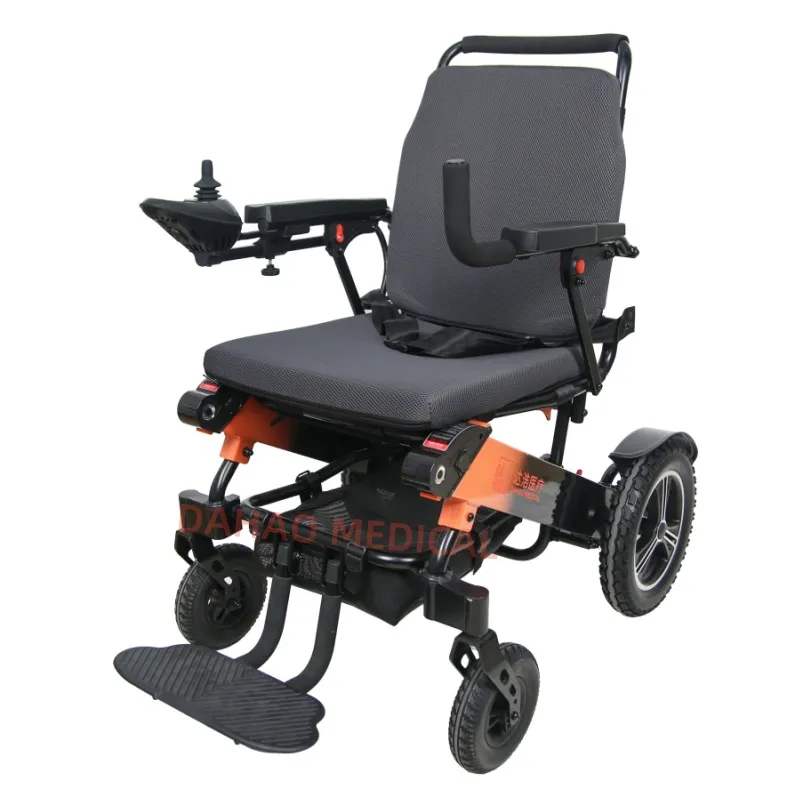
  • Where should electric wheelchairs be avoided?
    Uneven surfaces are among the most common and dangerous road conditions for electric wheelchair use. These include: • Potholes • Damaged concrete • Gravel roads • Cobblestone roads • Untreated construction surfaces • Raised brick paving
    2026-02-13
    More
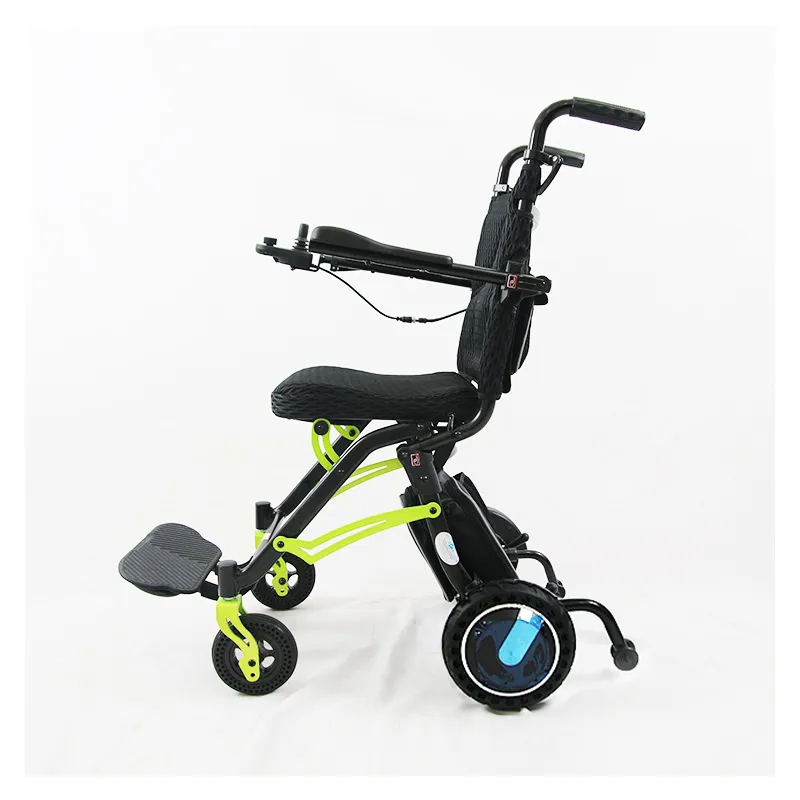
  • How Often Should Lithium-ion Battery-Powered Wheelchairs Be Charged?
    The most recommended charging frequency for electric wheelchair lithium batteries is: charge once a day, or top up when the charge level is 30%–50%. For lithium batteries, "frequent charging, without waiting until the charge is very low" is the most correct approach.
    2026-02-12
    More
  • Can two people sleep in an electric home care bed?
    From the perspectives of structural load-bearing capacity, functional attributes, safety standards, and care purposes, home care beds are only suitable for single-person use and are absolutely unsuitable for two people to sleep in the same bed.
    2026-02-10
    More
  • How Do Bedridden Patients Use the Toilet?
    A portable toilet chair (also called a bedside toilet chair or commode chair) is a toilet assistance device specifically designed for people with limited mobility. Whether at home or in a hospital, the portable toilet chair is the most common and effective toilet assistance tool for caring for bedridden patients.
    2026-02-09
    More
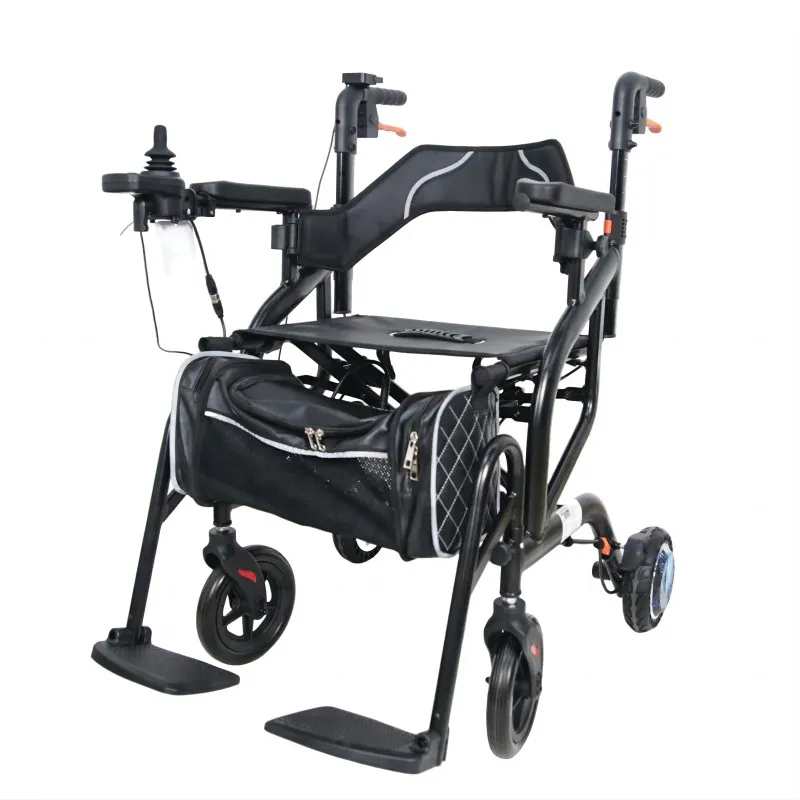
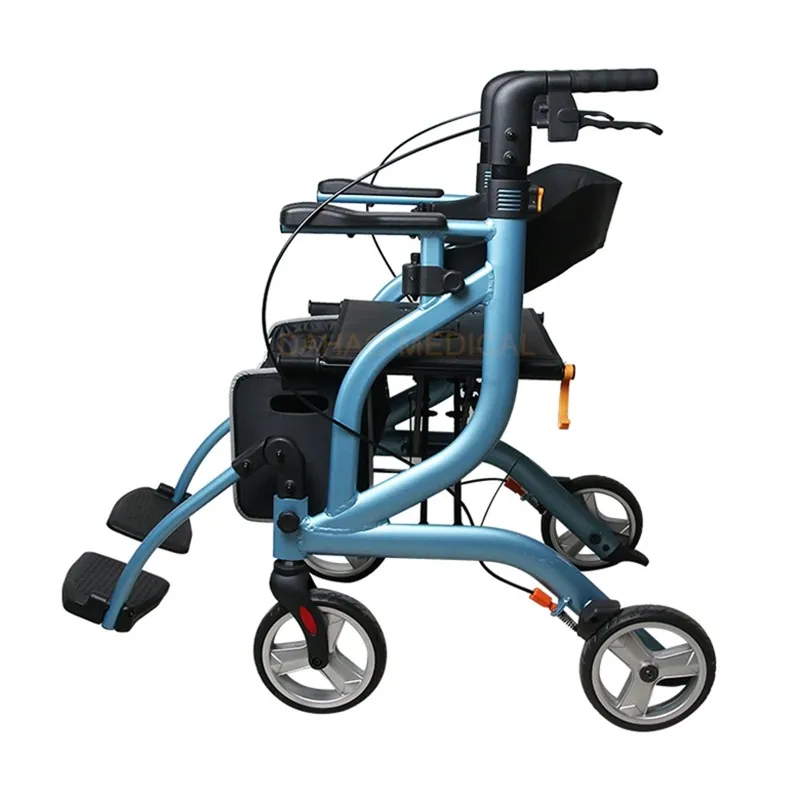
  • 4-Wheel Rollators and Manual Wheelchairs: What's the Difference?
    • 4-wheel rollator: Suitable for people who can walk but are unstable • Manual wheelchair: Suitable for people who cannot walk or stand for extended periods Therefore, the two are not interchangeable, but rather assistive devices suitable for different functional needs.
    2026-02-06
    More

    Get the latest price? We will reply as soon as possible (within 12 hours)