

Electric wheelchairs offer immense convenience to people with mobility impairments, enabling them to navigate outings, shopping, and daily life with greater independence and confidence. However, despite their stable performance and ample power, electric wheelchairs still pose risks in certain road conditions or environments.
Incorrect assessment of the surrounding environment can lead to tipping over, slipping, difficulty braking, or system malfunction. Therefore, understanding "where to avoid using electric wheelchairs" is essential safety knowledge for every user and caregiver.
This article will provide a comprehensive and in-depth analysis of which road surfaces, environments, or conditions are unsuitable for electric wheelchair use and explain the associated safety hazards.
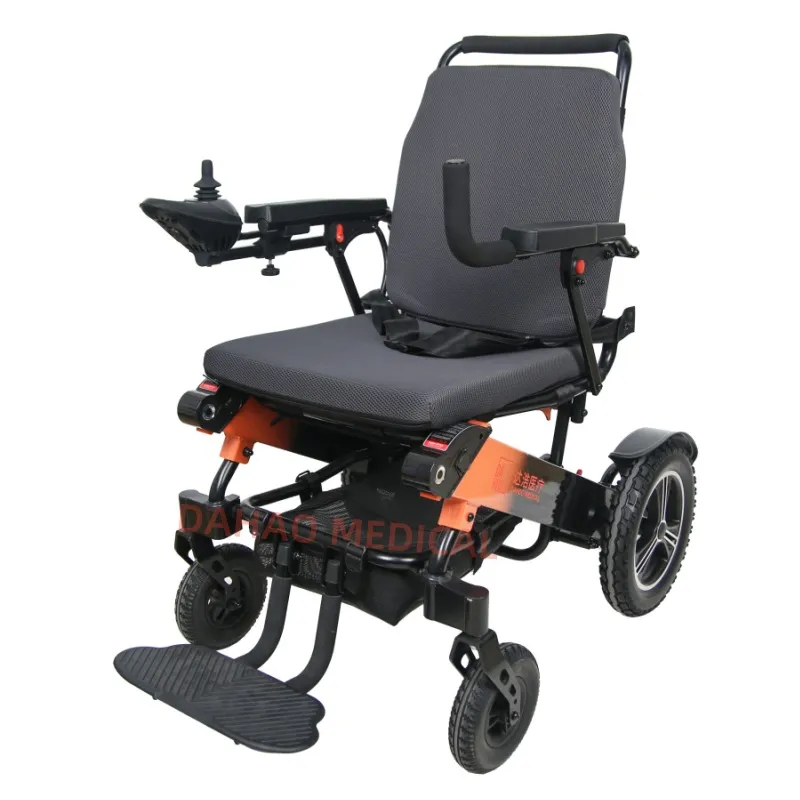
Why must electric wheelchairs be avoided in certain locations?
While electric wheelchairs offer advantages such as motor drive, electronic control systems, and ramp adaptability, they are not all-terrain vehicles. Their structure, weight distribution, wheel diameter, traction, electronic control systems, and braking characteristics all dictate that they are best suited for flat, dry, and safe surfaces.
Key reasons for avoiding unsuitable locations for using electric wheelchairs include:
• Avoiding the risk of tipping over
• Ensuring the braking system functions properly
• Preventing moisture from affecting the electronic control system
• Protecting the battery and wiring from damage
• Reducing wear and tear on tires and the motor
• Ensuring user safety
Therefore, understanding environmental risks before using an electric wheelchair is a fundamental safety requirement.
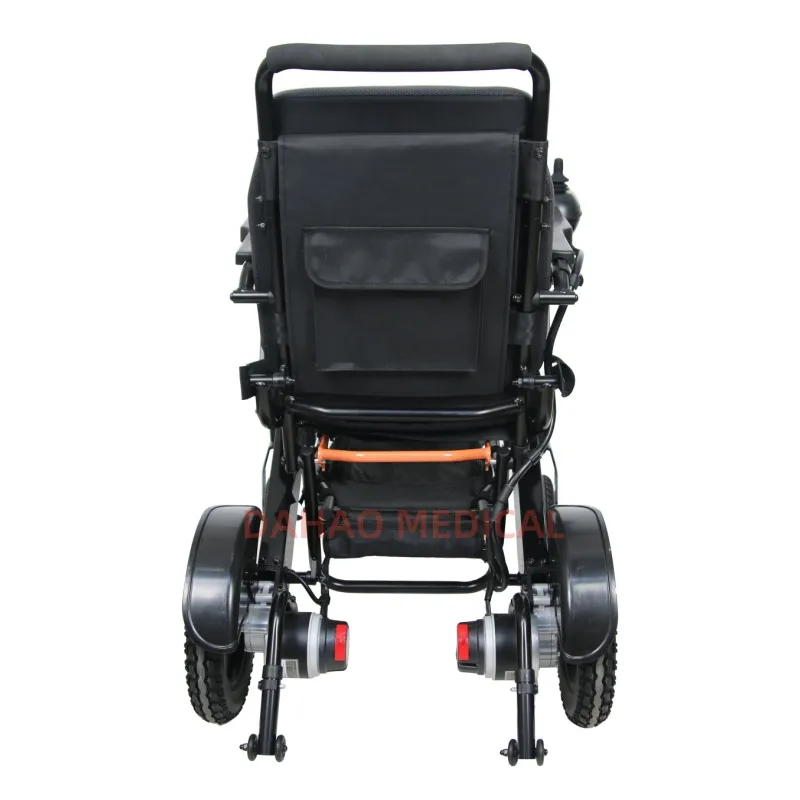
Where should electric wheelchairs not be used?
This section will analyze the unsuitable locations, reasons, and potential safety threats for electric wheelchairs.
Why should power wheelchairs not travel on uneven surfaces?
Uneven surfaces are among the most common and dangerous road conditions for power wheelchair use. These include:
• Potholes
• Damaged concrete
• Gravel roads
• Cobblestone roads
• Untreated construction surfaces
• Raised brick paving
Reasons:
1. Increased risk of tipping over
Electric wheelchairs have a fixed center of gravity. Encountering large potholes, elevation differences, or sudden tilting can easily cause them to tip forward, backward, or overturn.
2. Loss of Balance
Excessive wheelchair vibration can cause danger to the user due to insufficient trunk control.
3. Damage to the Motor and Shock Absorption System
Prolonged vibration can cause loosening, damage, and even wiring malfunctions.
4. Decreased Maneuverability
The control joystick may become less responsive or erratic, increasing the risk of accidents.
Therefore, uneven surfaces should be avoided when using a power wheelchair.
Why can't power wheelchairs be used on wet surfaces?
Wet surfaces include:
• Slippery surfaces after rain
• Areas with standing water
• Indoor areas with damp floors
• Grassy areas with dew
• Muddy surfaces
Why can't they be used in these places?
1. Significantly Reduced Braking Power
Electric wheelchairs rely on friction for braking. Slippery surfaces directly reduce tire grip, leading to inability to stop or a significantly increased braking distance.
2. Tires Are More Prone to Slipping
Tires are more prone to skidding during acceleration and cornering, making it difficult to maintain direction.
3. Water Ingress into the Electrical Control System
Moisture can trigger fault protection mechanisms and even cause damage to the controller, wiring, and interfaces.
4. Batteries May Get Moist
Although most lithium batteries have sealed casings, moisture still poses a short-circuit risk.
Wet surfaces are highly discouraged for power wheelchairs, especially in rainy weather.
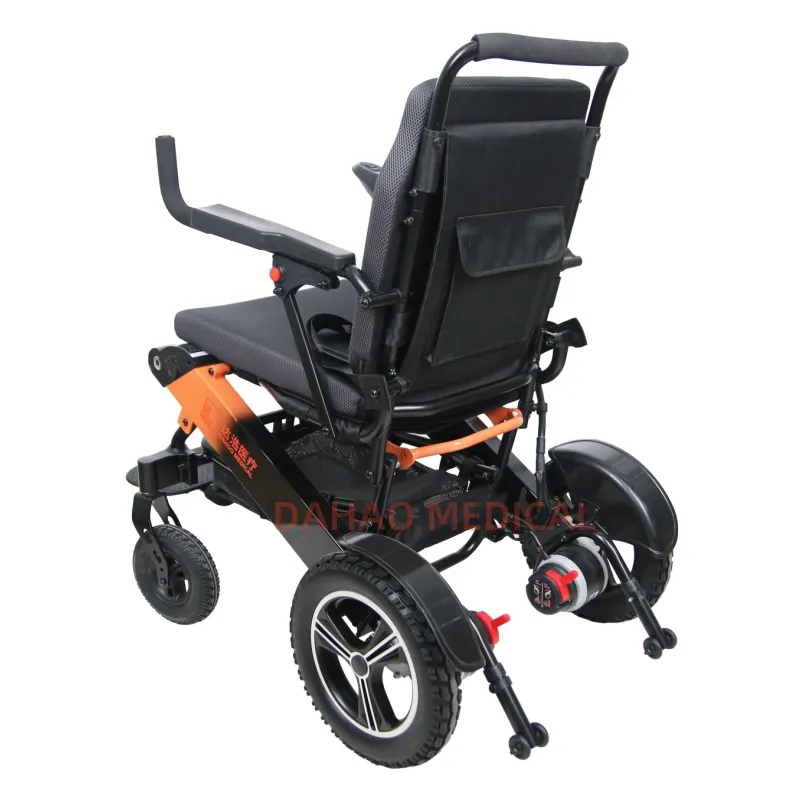
Should electric wheelchairs be avoided on sandy or soft ground?
The answer is definitely no.
Sandy surfaces include:
• Beaches
• Park sandpits
• Soft mud
• Inadequately compacted outdoor paths
Why?
1. Tires Get Stuck Deep
Electric wheelchairs are heavy, and sandy surfaces can easily cause the tires to get stuck, preventing movement and potentially damaging the motor.
2. Difficulty Steering
Soft ground does not provide effective support, reducing directional control.
3. Sand Intrusion into Mechanical Structures
Sand can enter motor bearings, axles, and controller cooling vents, causing wear or malfunction.
In general, soft soil is an environment where power wheelchairs are absolutely not recommended to use.
Is an electric wheelchair suitable for use near steep slopes or stairs?
Electric wheelchairs should be avoided on steep slopes, ramps with excessive inclines, or near stair platforms.
Potential hazards include:
• Difficulty climbing slopes: If the slope exceeds the device's design range, it is prone to slipping or tipping over.
• Risk of falling near steps: Even a slight mishap or vibration could lead to a fall.
• Difficulty braking on steeper slopes: Downhill is especially dangerous, as gravity acceleration is difficult to control.
• Overloading the motor: This may cause overheating and a protective shutdown.
Use is not recommended in environments with unknown slopes or without guardrails.
Can power wheelchairs travel on wet or oily floors in shopping malls?
Floors in shopping malls, hospitals, restaurants, etc., are often very slippery. Combined with waxing, cleaning, and anti-slip agents, the traction of power wheelchairs can suddenly decrease when wet.
Oily surfaces are even more dangerous:
• Tire slippage and loss of control
• Extreme instability during acceleration and cornering
• Unpredictable braking distance
Therefore, avoid areas such as shopping malls undergoing cleaning or oily areas outside restaurant kitchens.
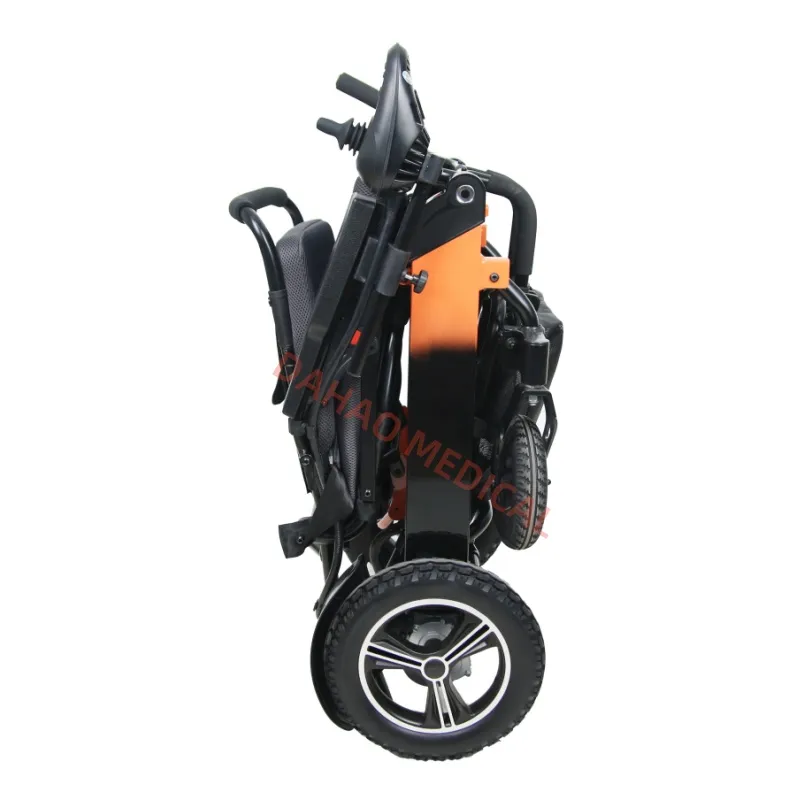
Why can't power wheelchairs be used in strong winds or extreme weather?
Although not in a fixed location, strong winds and storms are inherently dangerous.
Strong winds may:
• Blow the power wheelchair off course
• Increase the risk of tipping over
• Cause sunshades and hanging bags to become "wind resistance," leading to instability
Heavy rain can also cause:
• Control system malfunction
• Water entering the battery compartment
• Increased slipperiness on wet surfaces
Therefore, extreme weather is not a suitable scenario for the use of power wheelchairs.
Can power wheelchairs be used on roads with heavy traffic?
The following situations should be avoided:
• Urban motor vehicle lanes
• Pedestrian walkways with heavy traffic
• Illegally occupied road areas
• Pedestrian crossings without fixed crosswalks
Electric wheelchairs are low-speed transportation tools and are not suitable for sharing high-speed traffic or crossing roads with obstructed visibility.
What are the consequences of using a power wheelchair in unsuitable scenarios?
Improper use can lead to the following:
• Risk of tipping over, causing injury to the user
• Fall accidents, such as near platform edges or steps
• Tire slippage, resulting in loss of steering control
• Short circuits or malfunctions in electronic systems
• Battery damage leading to reduced range
• Accelerated wear and tear on mechanical structures
• Overheating of the motor causing a protective shutdown
Therefore, safety environmental requirements must be followed.
How can you determine if a location is safe when using a power wheelchair?
You can quickly determine this using the following methods:
• Is the ground hard, level, and dry?
• Are there any obvious height differences, potholes, or damage?
• Is the surface excessively slippery?
• Is there water, oil, or mud nearby?
• Does the ramp exceed the maximum safe climbing angle for a power wheelchair?
• Is there enough space to turn?
• Is there a risk of sudden strong winds?
If any of these conditions are not met, it is recommended to avoid the area or change the route.
Where should power wheelchairs be avoided?
In brief summary:
❌ Uneven surfaces
❌ Damp, waterlogged, or slippery surfaces
❌ Sandy or loose soil
❌ Platforms near steep slopes or steps
❌ Oily or waxed surfaces
❌ Extreme weather conditions
❌ Complex traffic conditions
Electric wheelchairs are inherently safe and reliable modes of transportation, but only if used in suitable environments. By avoiding these hazardous conditions, electric wheelchairs become more reliable and durable, while providing users with better safety.
How can Dahao Medical’s products enhance patient mobility?
Dahao Medical is dedicated to enhancing patient mobility through our wide range of products, including Electric Wheelchairs, Home Care Beds, and Transfer Chairs. Our Electric Wheelchairs are designed for ease of movement, comfort, and reliability, making them ideal for patients with limited mobility. Additionally, our Hospital Care Beds provide adjustable positions to ensure comfort and support for patients.