

Electric wheelchairs are essential for many people's daily mobility and rehabilitation care, and lithium-ion batteries are the core energy system of these wheelchairs. The correct charging frequency and percentage not only affect the wheelchair's range but also directly impact the lithium-ion battery's lifespan, safety, and overall maintenance costs.
Therefore, "How often should power wheelchairs be charged?" and "How much should they be charged?" are among the most pressing questions for users.
This article will help you truly understand how to extend the lifespan of your electric wheelchair's lithium-ion battery, ensuring the device remains reliable, stable, and efficient.
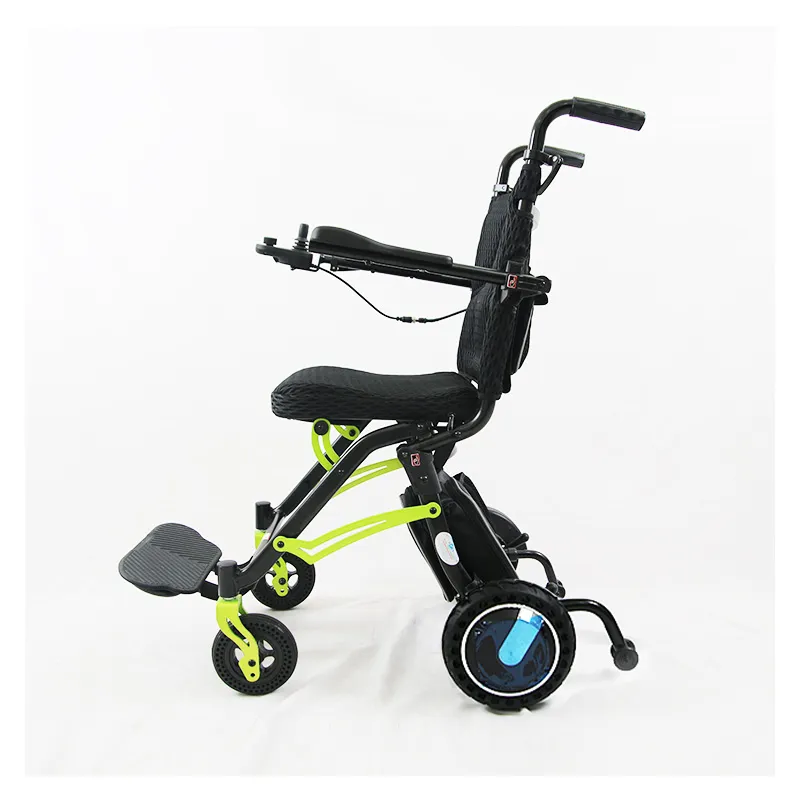
Why Do Electric Wheelchair Lithium-ion Batteries Need Scientific Charging?
Lithium-ion batteries differ from traditional lead-acid batteries; they are lighter, more efficient, and have a longer lifespan, but they also require more standardized charging management.
The benefits of scientific charging for electric wheelchairs include:
• Extending lithium battery life (avoiding overcharging or over-discharging)
• Maintaining stable battery range
• Reducing battery internal resistance growth and maintaining output performance
• Reducing safety risks
• Ensuring user availability and avoiding sudden power outages
Therefore, we must establish reasonable and sustainable charging habits based on the characteristics of lithium batteries.
How often should an electric wheelchair be charged?
—It is recommended to charge daily or maintain a medium to high charge level.
✔ The most recommended charging frequency for electric wheelchair lithium batteries is: charge once a day, or top up when the charge level is 30%–50%.
For lithium batteries, "frequent charging, without waiting until the charge is very low" is the most correct approach.
1. Why is daily charging recommended?
• Electric wheelchairs are high-frequency, high-load devices; daily top-ups ensure the battery remains in a healthy state.
• Lithium batteries are most vulnerable to "deep discharge," meaning waiting until the charge level drops to 0–20% before charging.
• Daily charging reduces the rapid decrease in battery internal resistance, improving long-term durability.
2. Why is it not recommended to let the battery drain very low before charging?
Because deep discharge of lithium batteries can lead to:
• Decreased battery activity
• Accelerated capacity decay
• Reduced charging cycle life
• Potentially triggering low-voltage protection, causing temporary inability to power on
Therefore, do not wait until the power wheelchair is completely out of power before charging.
3. Is daily charging necessary?
Even if the electric wheelchair is used infrequently or almost never on a given day, it is recommended to:
• Charge every 1-2 days
To avoid damage caused by voltage drop during resting.

What percentage should the lithium battery of a power wheelchair be charged to?
—80%–100% is the safest
Many users worry that "lithium batteries cannot be overcharged," but this is a misconception, especially for power wheelchairs.
✔ Optimal charging endpoint: Charging to 100% is safe and normal.
Why?
Because the lithium batteries in power wheelchairs are equipped with a BMS (Battery Management System), which automatically prevents overcharging and will not be damaged by reaching 100%.
1. Why can I choose to charge to 80%?
Charging to 80% can slightly slow down the aging of lithium batteries, but the difference is minimal and may affect battery life.
For users who need long battery life, a full charge is more suitable.
2. Is charging overnight safe?
As long as you use the original charger and ensure ventilation:
• ✔ You can charge overnight.
• ✔ The charger will automatically switch to trickle charging or protection mode after full charge.
• ✔ It will not cause overcharging damage.
However, it is not recommended to leave the battery plugged in for extended periods. Try to disconnect the power after it is fully charged.
Do I need to wait until the power wheelchair is completely out of power before charging?
—Absolutely not!
One of the biggest taboos for lithium batteries is deep discharge. Therefore:
❌ Do not wait until the battery level is 0%-10% before charging.
✔ Correct practice:
• Start charging when the battery level is 30%-50%.
• Even if only 30% has been used, you can still charge it promptly.
What are the effects of deep discharge?
• Significant decline in electric wheelchair battery life
• Reduced battery cycle life
• Failure to power on properly or triggering protection mode
• Low internal voltage accelerates aging
Lithium batteries do not require "activation" or "complete depletion before recharging."

What are the best charging habits for power wheelchair lithium batteries?
The following are the most scientific charging methods to maintain longevity and safety:
1. Charge daily to ensure sufficient charge
Avoid waiting until the battery is completely depleted before charging.
2. Do not let the battery drain to very low levels for extended periods
Charge when the battery level is between 30% and 50%.
3. Use the original charger
Voltage mismatch can cause damage or danger.
4. Ensure a well-ventilated charging environment; do not charge while covered by blankets
Avoid heat buildup that could trigger the control system's protection mechanism.
5. Do not charge in extreme temperatures
• Below 0℃: Reduced charging efficiency
• Above 40℃: Accelerated battery aging
How should the battery of a power wheelchair be charged when it is not in use for an extended period?
Many users don't use their power wheelchairs daily, so it's important to understand the proper storage methods for lithium batteries.
✔ Correct Storage Methods:
• Charge to 50%–70%
• Recharge every 30–45 days
• Do not leave fully charged batteries idle for extended periods
• Do not leave batteries idle for extended periods with low charge
Capacity degradation caused by idleness is irreversible, therefore regular maintenance is crucial.
What are the most common mistakes when charging lithium batteries for electric wheelchairs?
The following mistakes are very common but can accelerate battery aging and even affect the normal operation of the power wheelchair.
Mistake 1: Riding until the battery is completely depleted before charging
Deep discharge significantly shortens the lifespan of lithium batteries.
Mistake 2: Using a non-original charger
Incompatible voltage can damage the battery or the main control system.
Mistake 3: Charging in humid or high-temperature environments
Affects safety and charging efficiency.
Mistake 4: Not charging for extended periods
Causes dormancy or capacity degradation.
Mistake 5: Using the wheelchair while charging
May cause current fluctuations, affecting the battery management system.
How long does a lithium-ion battery-powered electric wheelchair last on a single charge?
Factors affecting battery life include:
• Battery capacity (Ah)
• Drive motor power
• User weight
• Road resistance
• Usage frequency
• Proper charging method
Prolonged deep discharge will significantly shorten the battery life of an electric wheelchair, reducing it by 20%-30%.
Proper charging ensures more stable battery life.
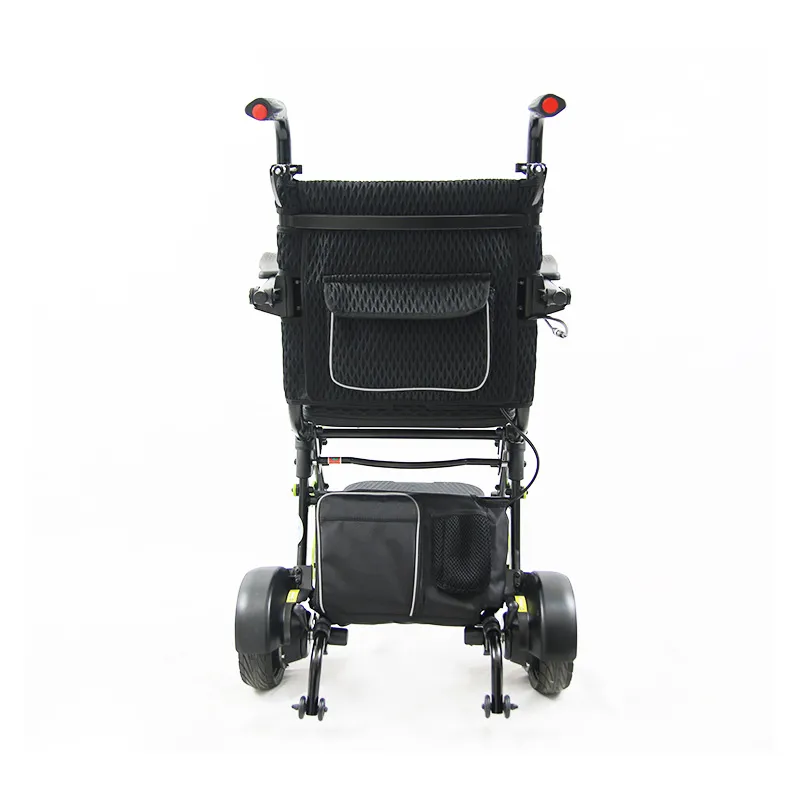
The Correct Charging Method for Lithium-Ion Batteries in Electric Wheelchairs
The following are the core conclusions, applicable to all lithium-ion battery-powered electric wheelchairs:
✔ Charge daily, maintaining a charge level between 50% and 100%.
✔ Do not wait until the charge is very low (below 20%) before charging.
✔ Use the original charger and charge in a well-ventilated environment.
✔ Disconnect the power after fully charging; it doesn't need to be plugged in continuously.
✔ If not used for extended periods, recharge every 30-45 days.
✔ Maintaining good charging habits can extend battery life by more than 30%.
Proper charging not only protects the lithium-ion battery but also makes the electric wheelchair more reliable, safer, and more durable.
What is Dahao Medical’s expertise in healthcare equipment?
Dahao Medical has been a pioneer in manufacturing healthcare mobility products since 2008. With years of experience, we specialize in high-quality medical equipment such as Electric Wheelchairs, Transfer Chairs, Hospital Care Beds, and 4-Wheel Rollator Walkers.
Our focus on innovation, safety, and customer satisfaction has made us a trusted supplier in over 100 countries. We are committed to offering durable, affordable, and customized products that improve patient care and caregiver efficiency.