
News

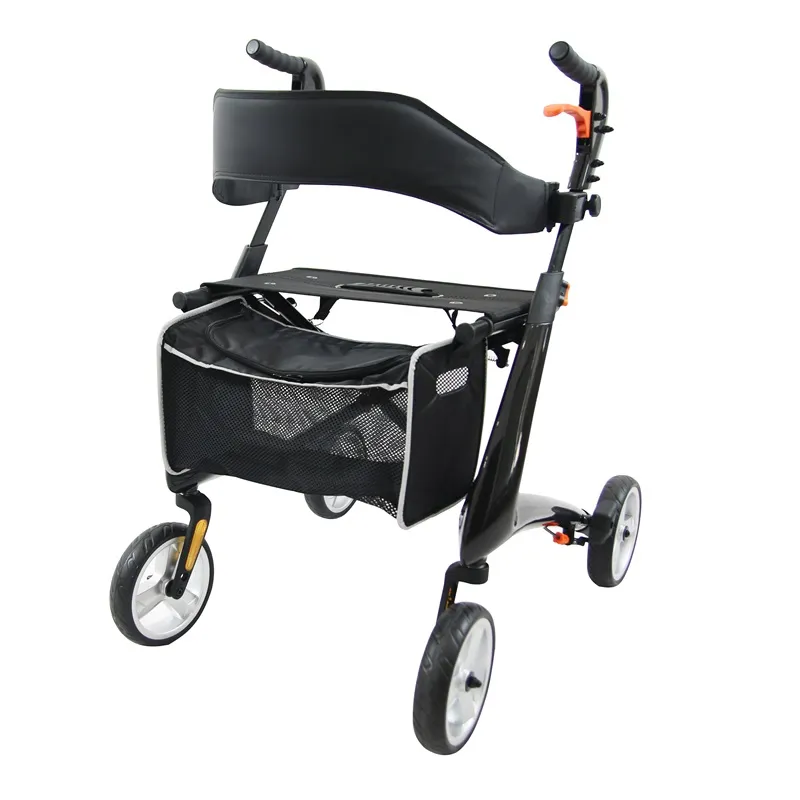
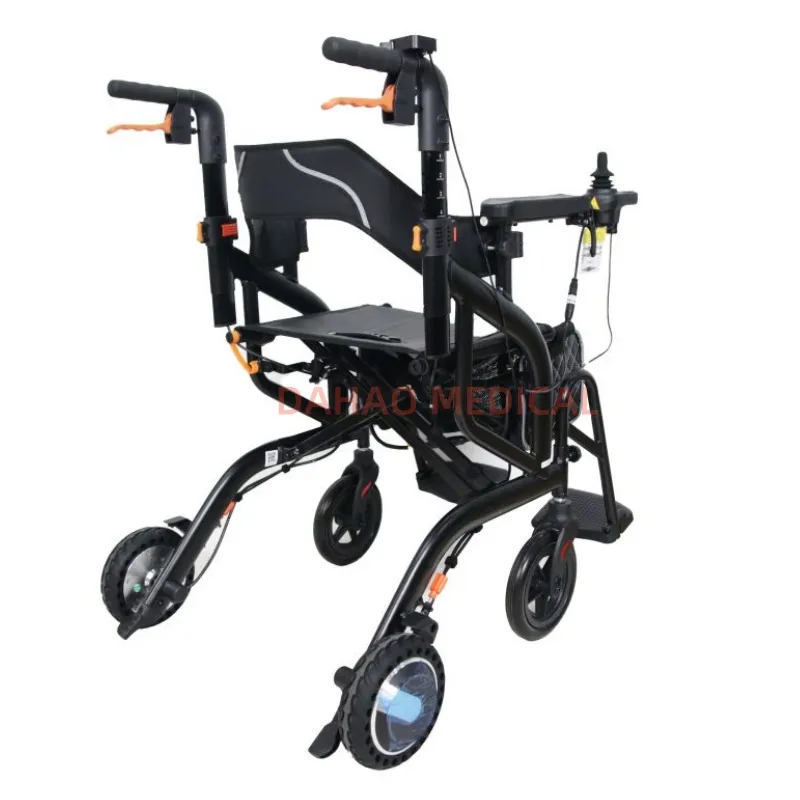
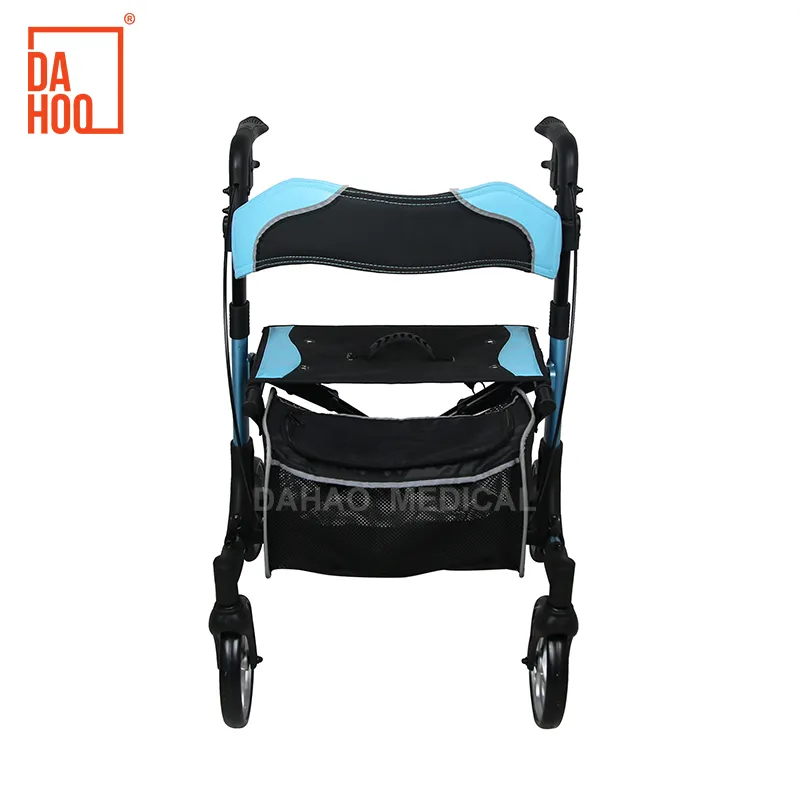
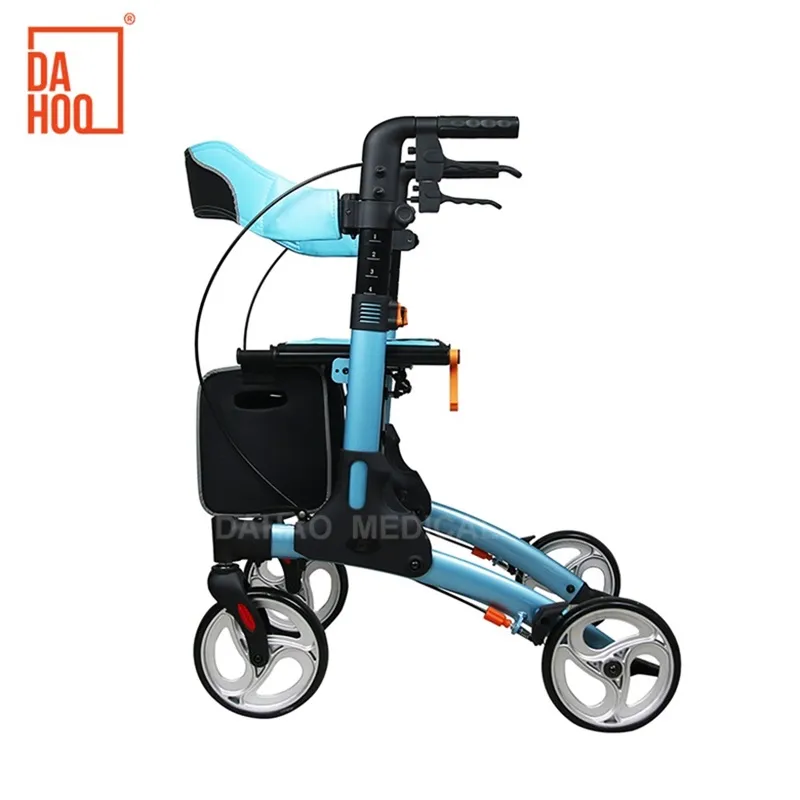
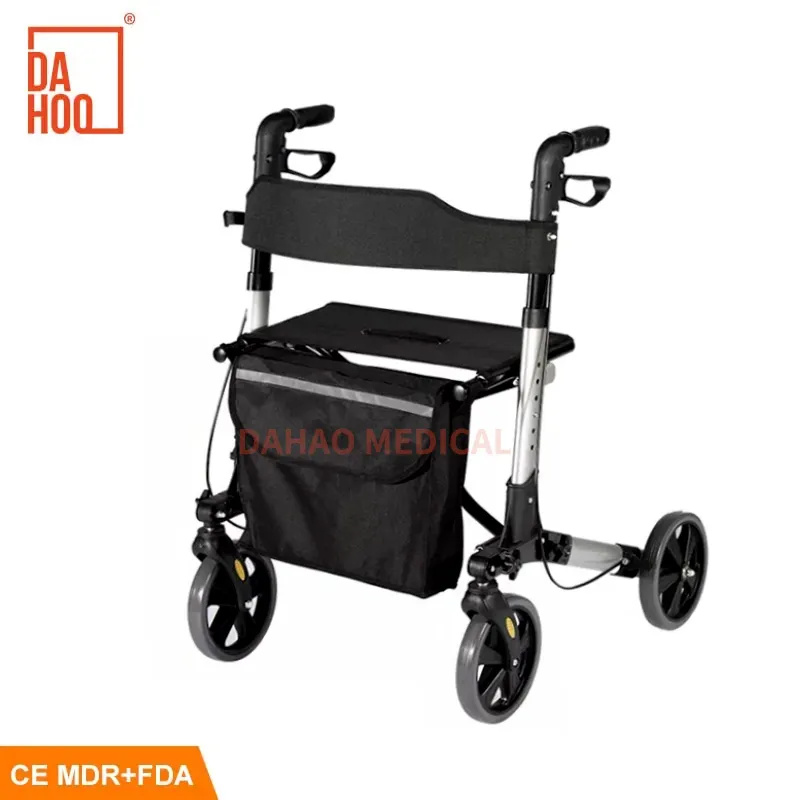
  • Are bigger wheels always better for a 4-wheel rollator?
    ✅ Outdoor use: Larger wheels generally result in better performance. • Easier obstacle crossing • More comfortable walking • Better stability However, "bigger wheels are always better" is not always true.
    2026-03-05
    More
  • What's a better option than a 4-wheel rollator?
    are assistive devices without wheels; the user lifts the aid with each step to move forward. They are much more stable than 4-wheel rollators, especially suitable for people with very poor balance or those just beginning rehabilitation training.
    2026-02-27
    More
  • What are the Pros and Cons of a wheelless walker?
    Key advantages of wheelless walkers: • Extremely high stability • Strong safety • Controllable pace of use • Strong support • Simple structure, low learning curve • Ideal for short-distance indoor use Key disadvantages of wheelless walkers: • Requires lifting to move, consuming energy • Very slow movement speed • Not suitable for long-distance walking • Not suitable for complex outdoor terrains • Prone to compensatory gait • Difficult to operate when turning or on irregular surfaces
    2026-02-17
    More
  • Who Shouldn't Use a Rollator and Should Choose a Wheelless Walker?
    The following situations are unsuitable for using a 4-wheeled walking vehicle: • Completely dependent on external support when standing • Unable to maintain upright balance even with legs spread • Immediately leans forward when letting go • Significant balance impairment, indicating severe gait instability
    2026-02-16
    More
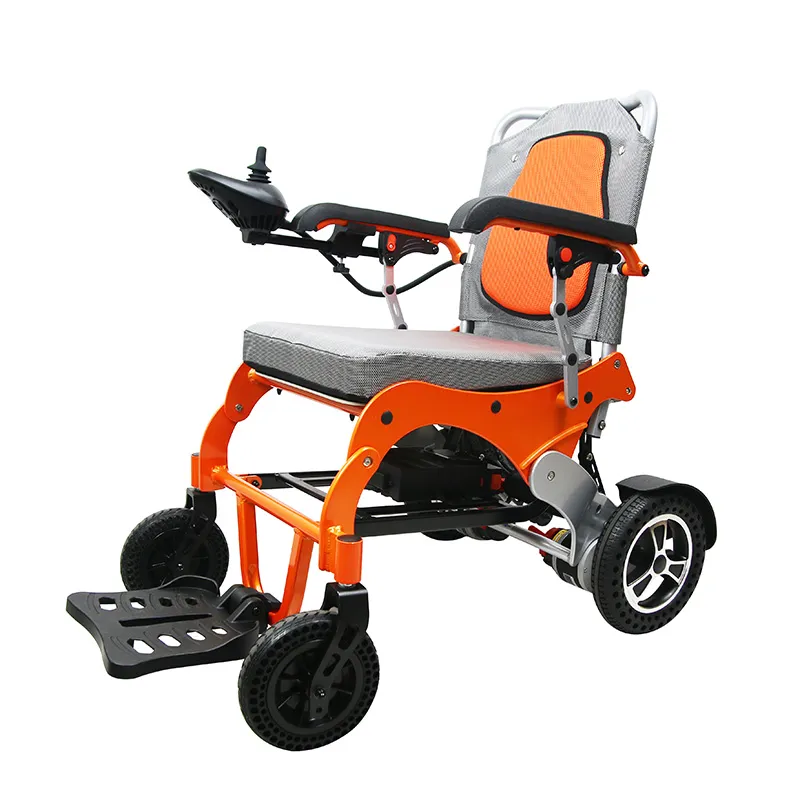
  • 4-Wheel Rollators and Manual Wheelchairs: What's the Difference?
    • 4-wheel rollator: Suitable for people who can walk but are unstable • Manual wheelchair: Suitable for people who cannot walk or stand for extended periods Therefore, the two are not interchangeable, but rather assistive devices suitable for different functional needs.
    2026-02-06
    More
  • Which is safer: a 4-wheel rollator or a wheelchair?
    If the user is unable to take steps at all or experiences extreme difficulty, a 4-wheel rollator can no longer provide safe support, and a wheelchair is clearly the safer option.
    2026-01-29
    More
  • Why are 4-wheel rollators not recommended anymore?
    A 4-wheel rollator "assists walking," while a wheelchair "replaces walking." When a person is no longer suitable for standing or walking, continued use of a 4-wheel rollator becomes a potential hazard.
    2026-01-20
    More
  • How to Determine if You Need a Rollator Walker?
    You can assess this by considering the following: • Is your walking stable? • Are you prone to losing your balance? • Do you frequently feel fatigued? • Are you worried about falling? • Do you need external support? If multiple signals appear simultaneously, then a rollator has likely become a necessary and appropriate assistive tool.
    2026-01-12
    More
  • Can you sit and walk using a 4-wheel rollator?
    The seats in 4-wheel rollator walkers are typically lightweight, designed to: • Provide short breaks • Prevent user fatigue from prolonged standing • Help users temporarily recover energy while walking But it is absolutely not designed for "sitting and gliding" or "being pushed around."
    2026-01-08
    More
  • Is Walking with a 4-Wheel Rollator a Good Form of Exercise?
    Walking itself is a low-impact, easy-to-maintain, and low-risk form of exercise, and the extra stability and support provided by the 4-wheel rollator allows more people who were previously unable to walk safely for extended periods to regain their mobility, thus achieving the goal of exercising and maintaining health.
    2025-12-29
    More

    Get the latest price? We will reply as soon as possible (within 12 hours)