

A wheelless walking aid (also known as a standard walking aid) is a walking assistive device that provides the highest stability. It has no wheels and requires the user to lift or move the device forward with each step, making it widely used for post-operative rehabilitation, those with poor balance, the weak, or those at high risk of falls.
However, no matter how stable a wheelless walking aid is, improper use can lead to falls, joint strain, abnormal posture, and even device damage.
This article will systematically analyze common operational errors, incorrect postures, incorrect environments, improper weight-bearing methods, and easily overlooked safety risks associated with wheelless walking aids from a professional perspective.
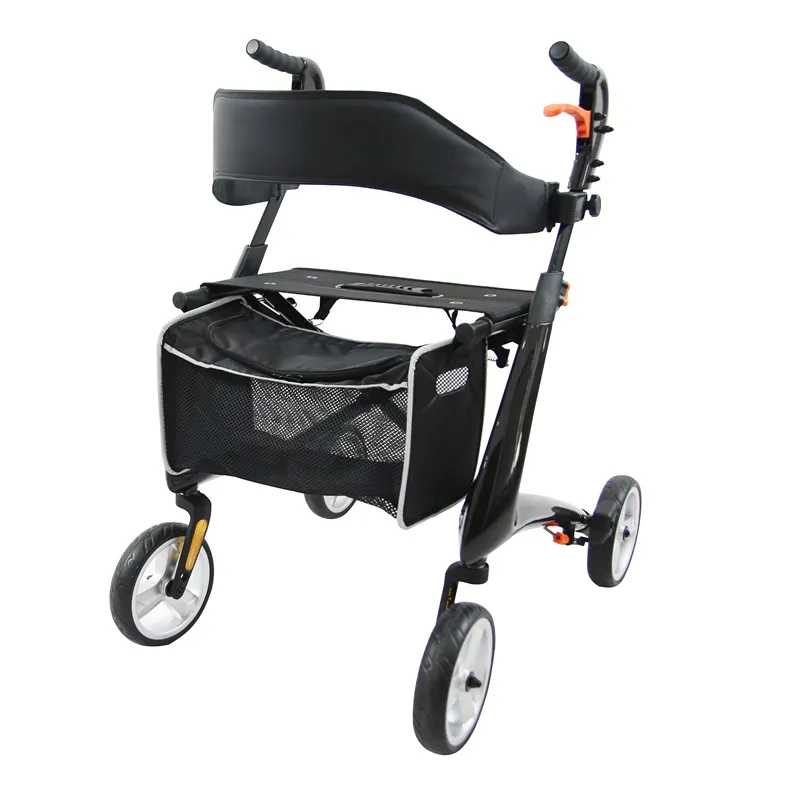
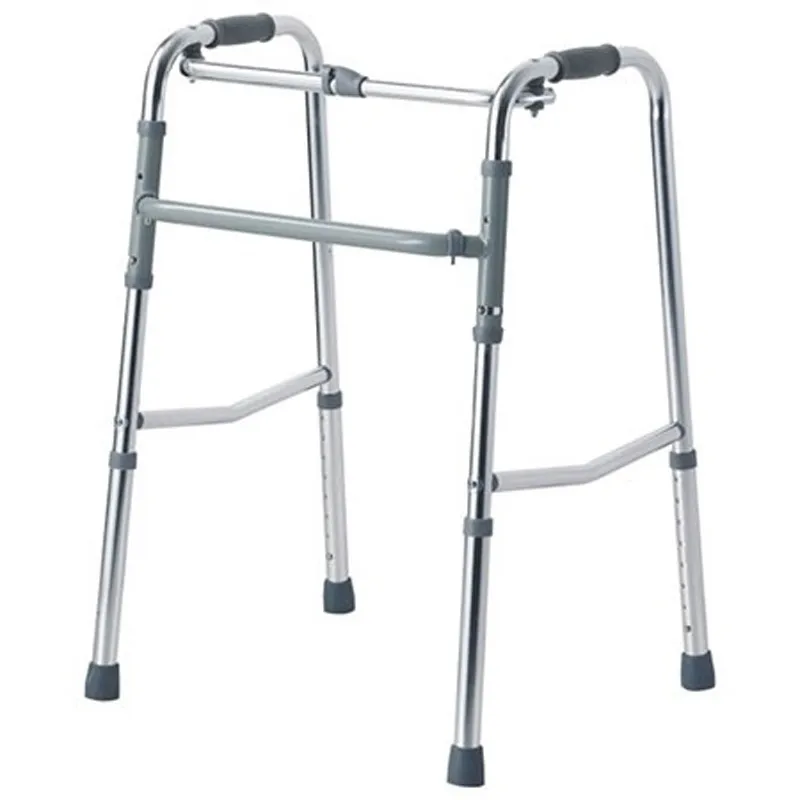
wheelless walking aid
Why are wheelless walking aids safer for some people? Where does their stability come from?
Wheelless walkers are recommended by many doctors and rehabilitation therapists because:
• Stable four-point support
• No slipping or rolling
• Complete user control over gait
• No need to understand braking operation
• Provides strong support when standing
• Suitable for extremely weak individuals or those who have just undergone surgery
Because of their high stability, many people mistakenly believe that "it's safe no matter how you use it." However, the safety of wheelless walkers depends on correct posture, the right environment, and proper usage. Misuse can not only reduce stability but also create serious risks.
What should you not do when using a wheelless walker? —A comprehensive analysis of common mistakes
The following behaviors must be avoided when using a wheelless walker, each of which can directly lead to falls, fatigue injuries, or device malfunction.
Why shouldn't you put your entire body weight on the wheelless walker?
Many people mistakenly believe:
Wheelless walkers are for supporting body weight.
But from a professional perspective, it is clear that:
The purpose of wheelless walkers is to provide auxiliary support, not to bear weight.
✘ Incorrect Practices
• Putting all body weight on the walker
• Using the walker to replace standing ability
• Extending arms fully downwards
• Leaning the upper body excessively forward, as if "hanging" on the walker
✘ Harmful Effects
• Increased risk of forward tilting → Increased risk of falling forward
• Excessive pressure on wrists and shoulders → Can lead to shoulder and wrist pain
• Long-term poor posture can lead to hunchback
• If the four legs of the walker are not properly aligned, it will wobble
Correct Practices:
Lightly grip the handles for balance and partial support, rather than relying on them entirely.
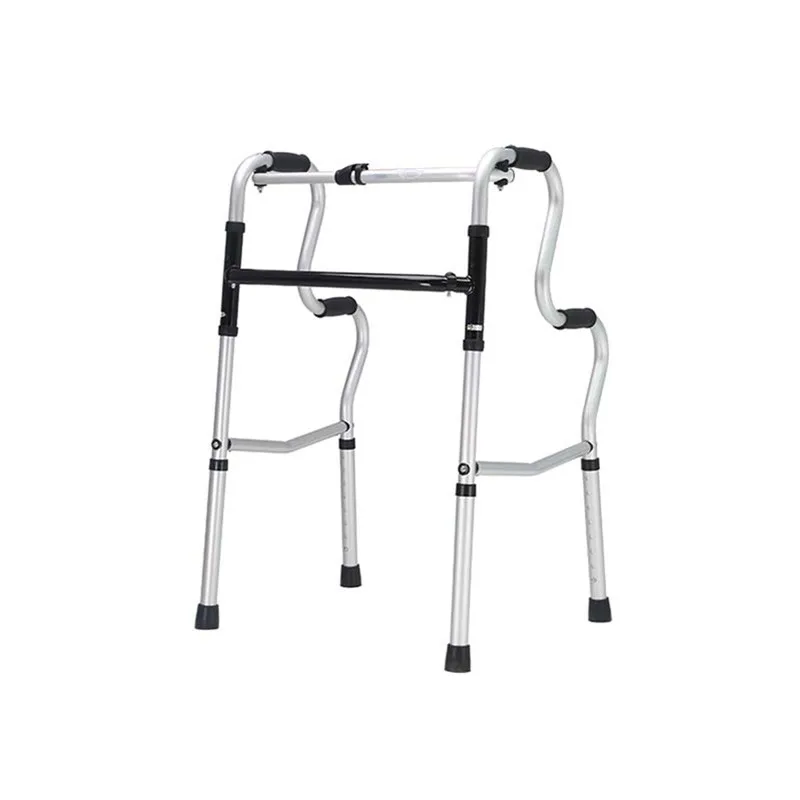
Can I place items freely on a wheelless walker? Why can't I hang heavy objects on it?
The structure of wheelless walkers makes them unsuitable for weight-bearing.
Especially avoid:
✘ Hanging bags or shopping bags on the walker
✘ Hanging heavy items on the handrails or front bar
✘ Attaching extra equipment to the walker
Hazards:
• Heavy objects cause the walker to tilt forward → easily leading to tipping over
• Increased burden on the user when lifting the walker
• Unstable gait
• Difficulty controlling the walker
• Deformation or damage to the walker's legs due to heavy objects
If you need to carry items, use a dedicated lightweight bag or attach accessories designed by the manufacturer, instead of arbitrarily hanging items.
Why shouldn't you step over objects, push a wheelless walker over steps or thresholds?
Some people attempt to:
• Lift the wheelless walker over thresholds
• Push the walker over steps
• Climb stairs with the walker
• Use the walker to push against obstacles
This is extremely dangerous:
Wheelless walkers are not designed for stepping.
Any attempt to force your way over obstacles may result in:
• Walking aid getting stuck
• Loss of balance
• Falling forward
• Wear or detachment of walking aid footpads
The correct way is:
The user should first stabilize themselves, then adjust the walking aid's position, and ensure all four feet are firmly on the ground before moving to the next step.
Why should wheelless walking aids not be used on wet, slippery surfaces?
Although wheelless walking aids lack wheels, the friction between the footpads and the ground is crucial for stability. If the ground is slippery, such as:
• Bathroom
• Wet-mopped floor
• Oily kitchen
• Wet tiles after rain
Hazards:
• Footpads slipping
• Walking aid losing support
• Sudden fall
• Accelerated wear of footpads after wading
When using a wheelless walking aid, ensure the footpads are dry and the surface is non-slip. If using in the bathroom, install a dedicated bathroom walking aid or add a non-slip mat.
Why should wheelless walking aids not be adjusted to the wrong height?
Incorrect height is one of the most common causes of falls.
Too high:
• Arms raised too high → Shoulder shrugging
• Stiffness
• Unsteady gait
• Increased risk of imbalance
Too low:
• Upper body leaning forward
• Back arching
• Increased risk of falling forward
• Long-term lower back pain
The correct height is:
Arms hanging naturally, wrists at the same height as the walker's handles.
Why shouldn't you look at your phone or down at your feet while walking?
Many people mistakenly believe that using a wheelless walker allows them to "walk more safely by looking at their feet." However, this is professionally very dangerous.
Looking down at your feet:
• Causes a forward-leaning posture
• Increases the risk of falls
• Shortens strides
• Makes it difficult to detect surrounding hazards in time
Looking at your phone:
• Distracts you
• Increases the risk of bumping into walls or furniture
• Makes it easy to forget to lift your walker, leading to a trip
When using a wheelless walker, keep your eyes forward to assess your surroundings.
Why shouldn't you move a wheelless walker backward?
Some people try to do the following in narrow areas:
• Walk backward
• Drag the walker backward
• Move backward when turning
These are all very dangerous.
Hazards:
• Users cannot see objects behind them
• Easily trip over furniture
• The back feet of the wheelless walker may get stuck
• The body will naturally lean backward, reducing stability
The correct method is:
Stabilize the walker before turning, then turn in small steps, instead of moving backward.
Why shouldn't you use worn-out foot pads?
Wheelless walker foot pads (rubber pads) are a critical safety component. After wear and tear:
• Significantly reduced friction
• More prone to slipping on the ground
• More likely to cause instability in the walker
Users should regularly check the footpads for:
• Wear
• Cracks
• Loosening
If any problems are found, they must be replaced immediately.
Is it okay to stand up or sit down while holding onto the wheelless walker? Why is this not recommended?
Many people are accustomed to using the wheelless walker to stand up or sit down from a chair.
However, this is very dangerous because wheelless walkers are not designed to bear weight.
Hazards:
• The walker may slide forward
• The user is prone to falling
• The walker may tip over
The correct way is:
Stand up by holding onto the chair armrests with both hands, and only after you are stable should you grasp the wheelless walker.
What kind of shoes should not be worn when using a wheelless walker?
Shoes have a significant impact on the stability of using a wheelless walker.
Unsuitable Shoes:
• Slippers
• Loose-fitting shoes
• High heels
• Shoes with particularly slippery soles
• Thick soles that reduce ground perception
These will all affect balance and increase the risk of falls.
Recommended Shoes:
• Non-slip soles
• Closed-fitting shoes
• Moderately elastic shoes
• Lightweight shoes
Why shouldn't you use a wheelless walker in narrow or cluttered environments?
A wheelless walker requires repositioning all four feet with each step. Small or cluttered spaces can cause:
• Forefoot getting stuck in furniture
• Getting stuck in corners
• The walker not being able to be fully stable
Cluttered spaces can lead to:
• Falls
• Injuries
• The walker not being able to support itself properly
Therefore, the environment must be:
• Wide paths
• Clean ground
• Free from clutter
What behaviors should be avoided when using a wheelless walker?
Here are the most critical things to avoid:
❌ Do not put your full weight on the wheelless walker.
❌ Do not hang heavy objects or carry miscellaneous items.
❌ Do not jump over obstacles, steps, or push forcefully.
❌ Do not use it on wet or slippery surfaces.
❌ Do not use a walker of the wrong height.
❌ Do not use your phone while walking or look down at your feet.
❌ Do not move backward.
❌ Do not use abrasive footpads.
❌ Do not stand up or sit down while holding onto the walker.
❌ Do not force your way through confined spaces.
Proper use of the wheelless walker maximizes its advantages: stability, safety, and reliability.
How does Dahao Medical support long-term cooperation?
Dahao Medical focuses on building long-term partnerships rather than one-time sales. The company offers stable pricing strategies, continuous product improvement, and reliable delivery schedules. For distributors and brands sourcing Electric Wheelchairs or Hospital Care Beds from China, this long-term approach supports sustainable growth and predictable purchasing plans.