
News

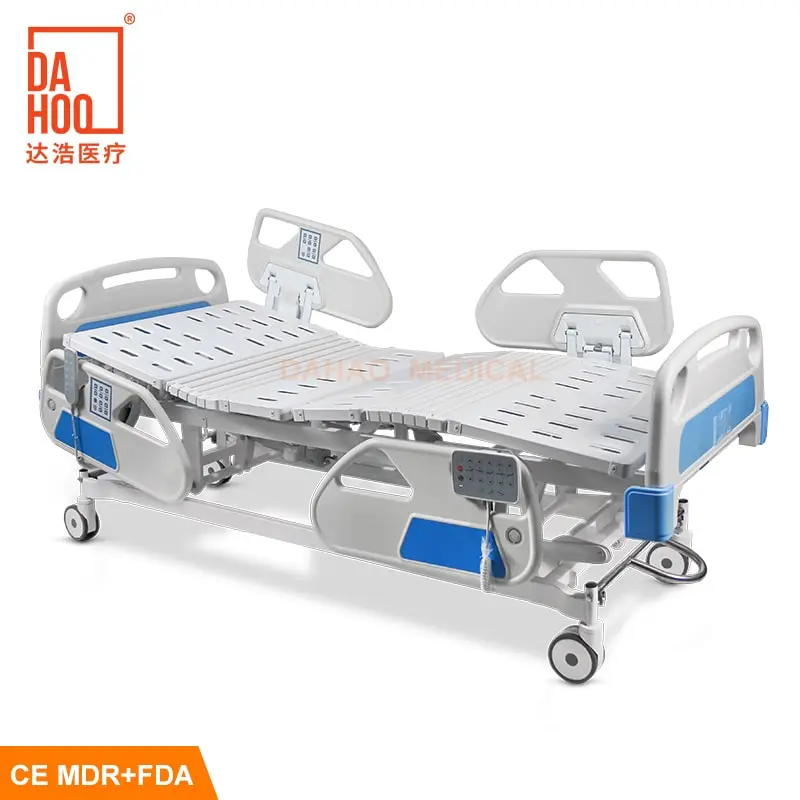
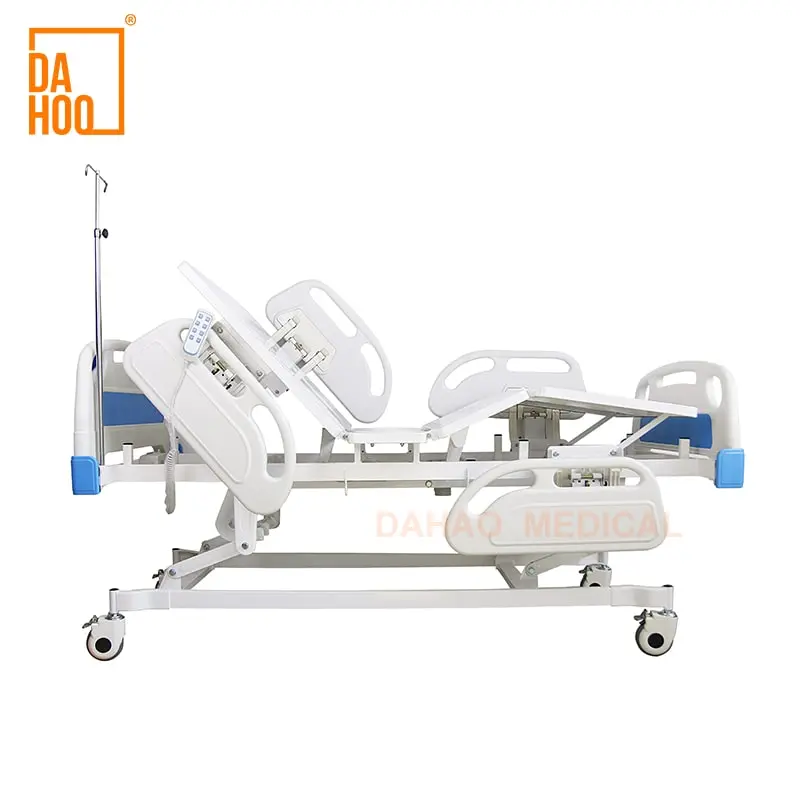
  • Semi-electric and Fully Electric Hospital Beds: What's the Difference?
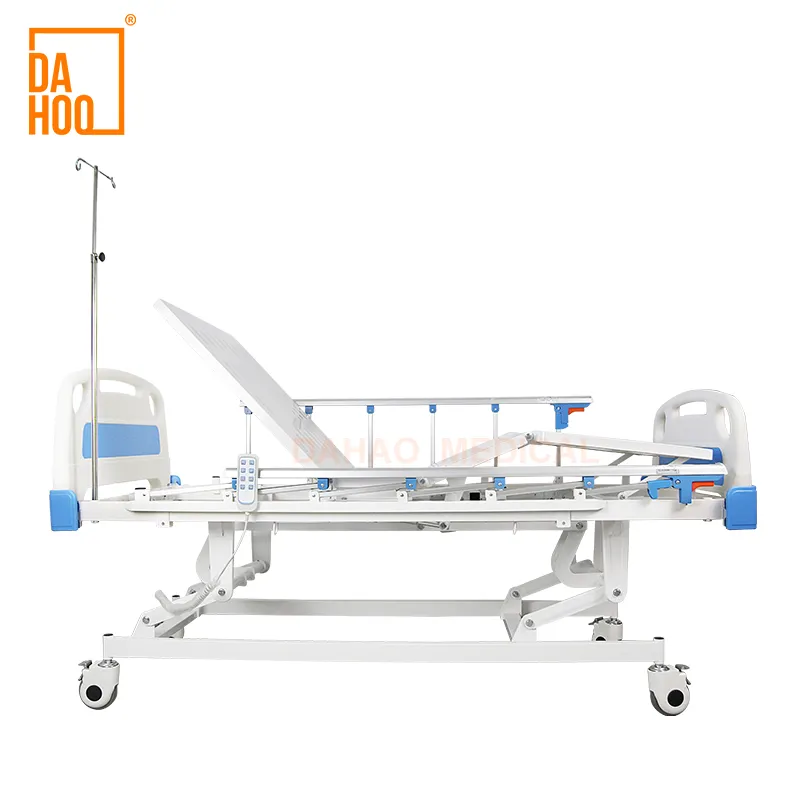
    A semi-electric hospital bed refers to: a medical bed where some functions are achieved electrically and some functions are achieved manually. A fully electric hospital bed means that all major functions are achieved through an electric system, requiring no manual operation.
    2026-05-15
    More
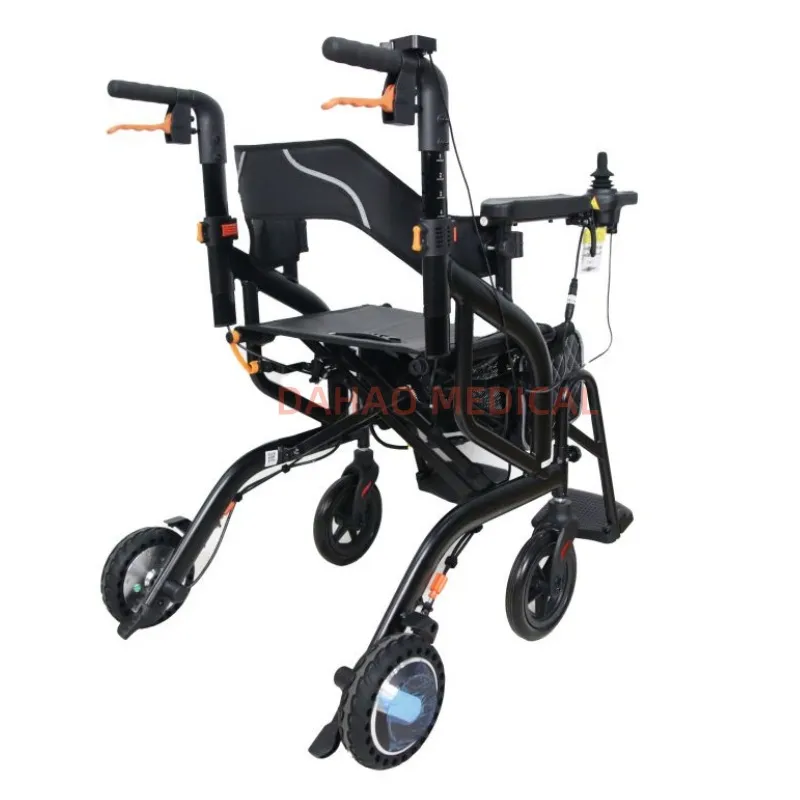
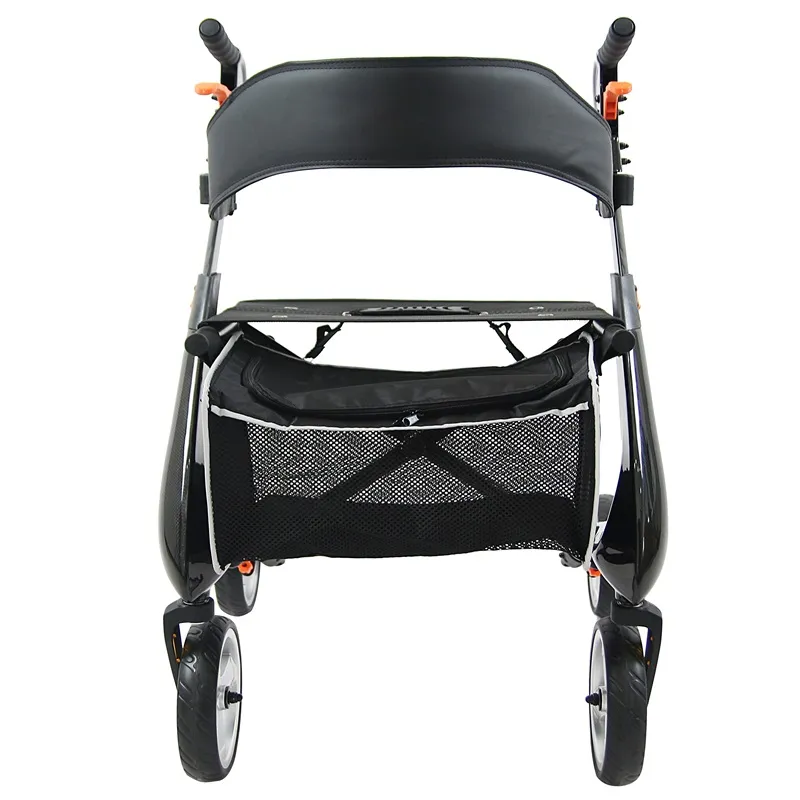
  • What are the differences between Type 2 and Type 3 walkers?
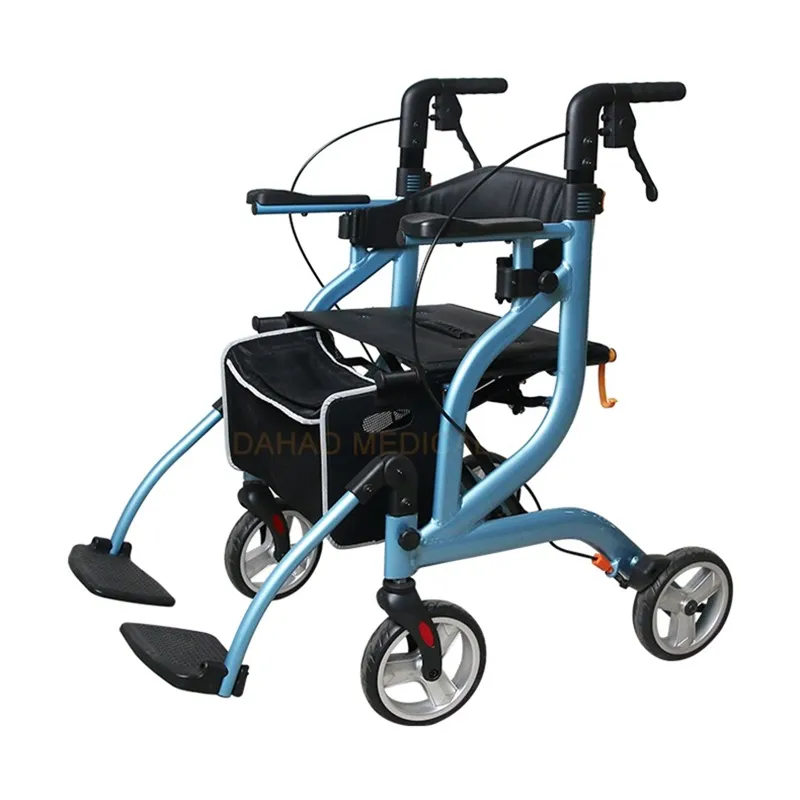
    • All walkers are Type 1, regardless of whether they have wheels. • Type 2 walking aids are equipped with smaller 4-6 inch wheels. • Type 3 walking aids are equipped with larger 8-inch wheels and offer greater mobility and functionality.
    2026-05-14
    More
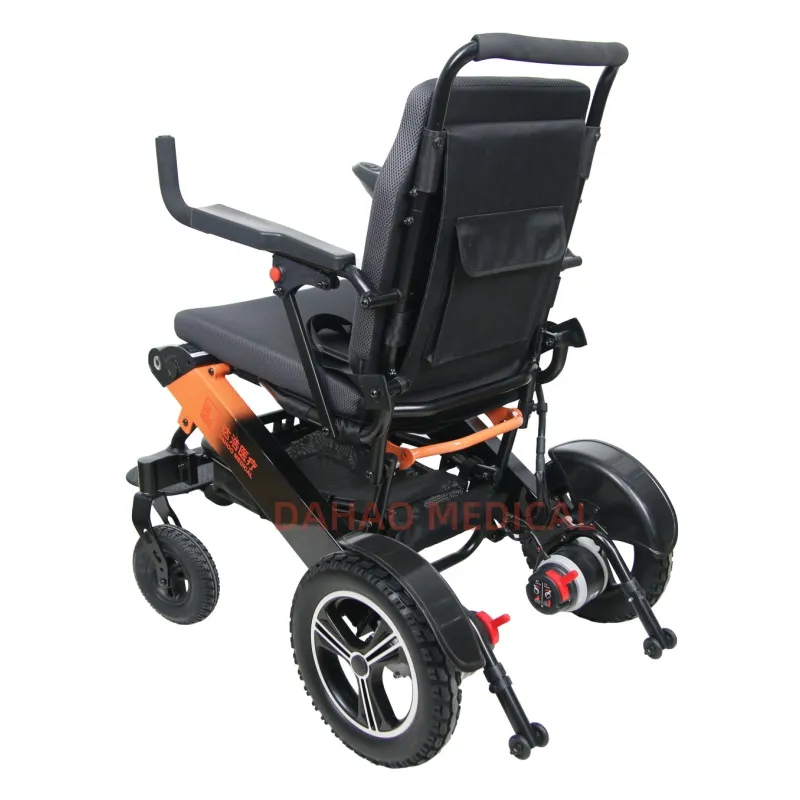
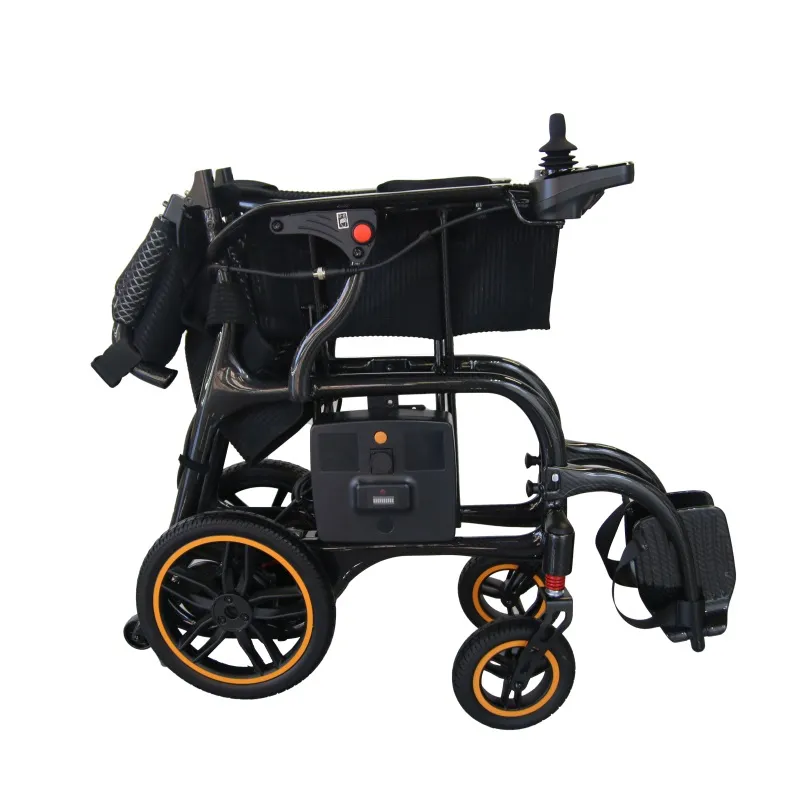
  • Which Type of Wheelchair Is Best for the Elderly? Electric Wheelchair
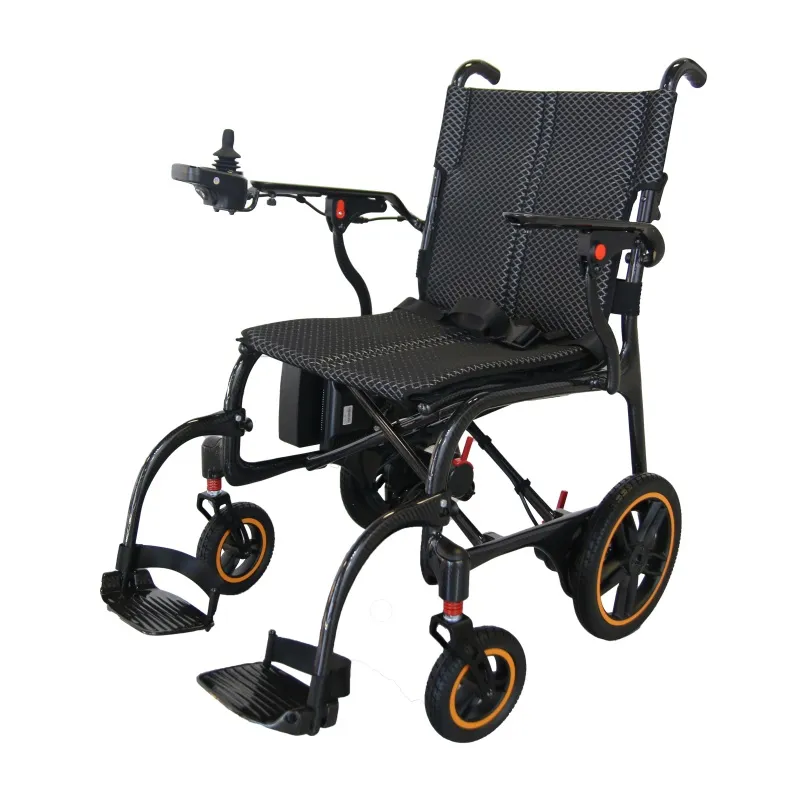
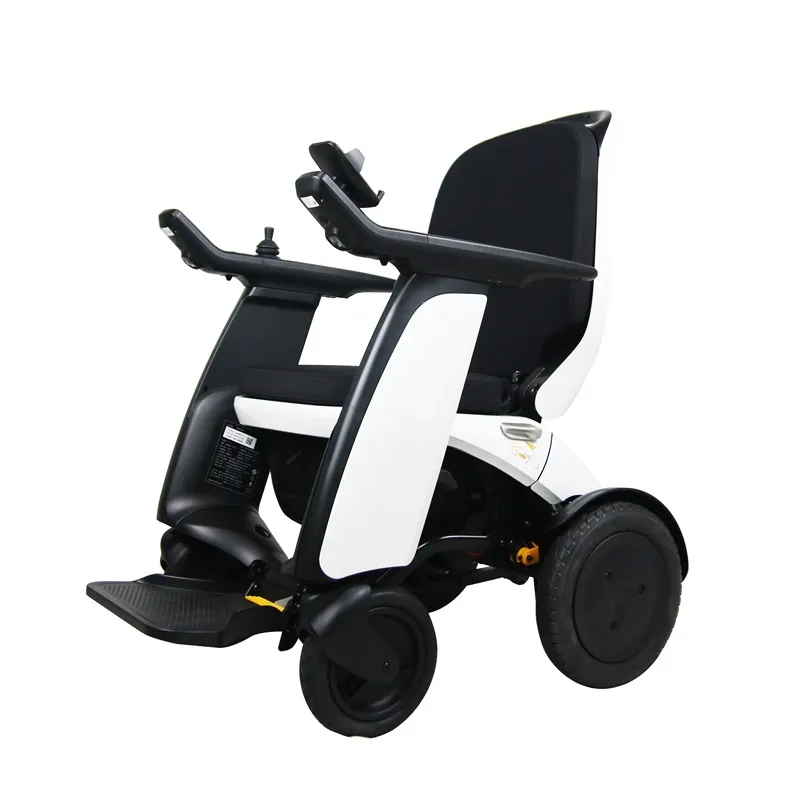
    An electric wheelchair is an assistive device that uses a motor and battery-powered system, allowing users to move easily using joysticks or other control devices. Compared to manual wheelchairs, electric wheelchairs do not require arm strength to push, making them ideal for the elderly.
    2026-05-12
    More
  • Can I Push a Lift Transfer Chair Myself?
    Lift transfer chairs are not mobility aids and do not meet the requirements for autonomous propulsion: • Rear wheel design • Handwheels (only found in wheelchairs) • Central center of gravity layout Therefore, the vast majority of lift transfer chairs are not suitable for user self-propelled movement.
    2026-05-11
    More
  • What are the risks of using a patient lifter?
    Patient Fall Risk The most common risks stem from: • Unlocked casters • Unstable seating posture • Inaccurate transfer position • Sudden movement during use • Unfastened seatbelt If a patient tilts or slides during lifting, they may fall from the patient lifter, resulting in serious injury.
    2026-05-08
    More
  • What is a Fully Electric Medical Bed?
    Fully Electric Medical Bed. It relies on an electric structure composed of electric push rods, controllers, and remote controls, so that actions such as raising and lowering the bed, adjusting the backrest, and adjusting the legs are all completed entirely by motor drive without manual operation.
    2026-05-06
    More
  • What is the correct way to walk with a four-wheeled rollator?
    Push the bike first, then step – but don't push too far. The correct sequence is: 1) Push the bike forward slightly. 2) Step with one foot. 3) Step with the other foot. 4) Repeat. Simply put, "bike first, feet follow."
    2026-05-04
    More
  • What are the Pros and Cons of a 4-wheeled walking aid?
    Advantages of four-wheeled walking aids include: • Easier walking • More natural gait • Better suited for long distances and outdoor activities Disadvantages include: • Less static support than wheelless walking aids • Requires a certain level of maneuverability
    2026-05-01
    More
  • Are wheeled or wheelless walking aids better?
    There is no absolute safety. The safest approach is: user ability + matching the correct type of equipment. If the user is too weak, a wheeled walker is unsafe; if the user is too weak to lift a wheelless walker, then a wheelless walker is unsafe.
    2026-04-29
    More
  • What could be better than a wheelchair?
    The answer often points to a tool that assists walking while providing stable support—a four-wheeled walking aid. When a person can still walk but is unsteady, a four-wheeled walking aid helps them walk more safely and further, while maintaining physical function, compared to using a wheelchair directly.
    2026-04-27
    More

    Get the latest price? We will reply as soon as possible (within 12 hours)