
News

  • Which Walking Aid Is Best Suited for People with Poor Balance?
    The following situations suggest that you may benefit from using a 4-wheeled walker: 1. You frequently feel unsteady or wobbly while standing. 2. You experience an unsteady gait or drift to one side while walking. 3. You lose your center of gravity when turning corners. 4. You feel weakness in your legs or tire easily.
    2026-05-28
    More
  • Under What Circumstances Should a 4-Wheel Rollator Not Be Used?
    If a user is unable to safely control the device, cannot maintain their balance, or if the surrounding environment is unsuitable for wheeled mobility aids, a 4-wheeled walker should not be used. Using a 4-wheeled walker under unsuitable conditions not only fails to provide assistance but also poses a significant safety hazard.
    2026-05-26
    More
  • What are the differences between Type 2 and Type 3 walkers?
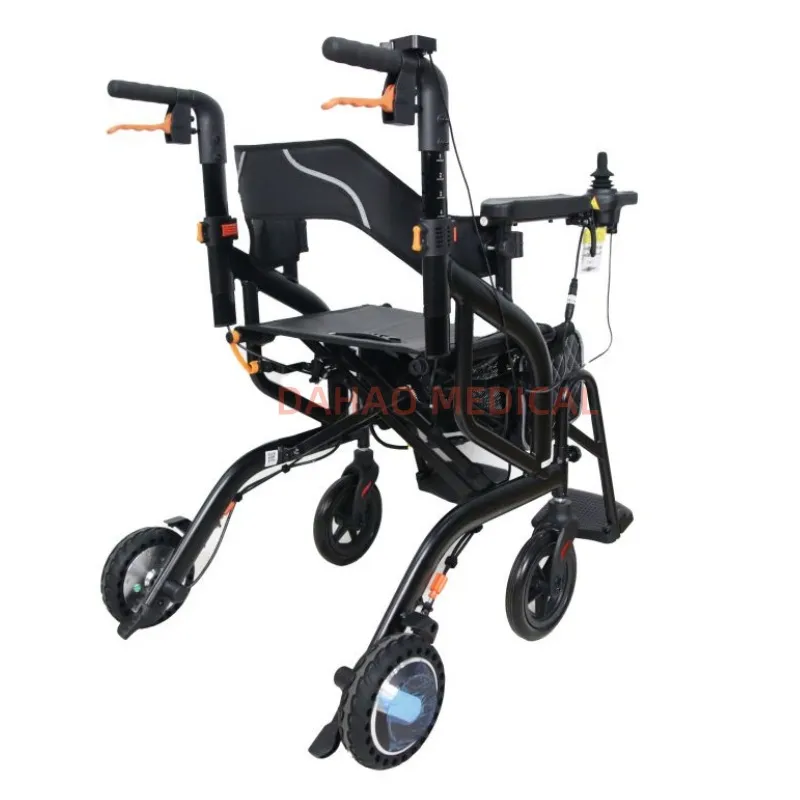
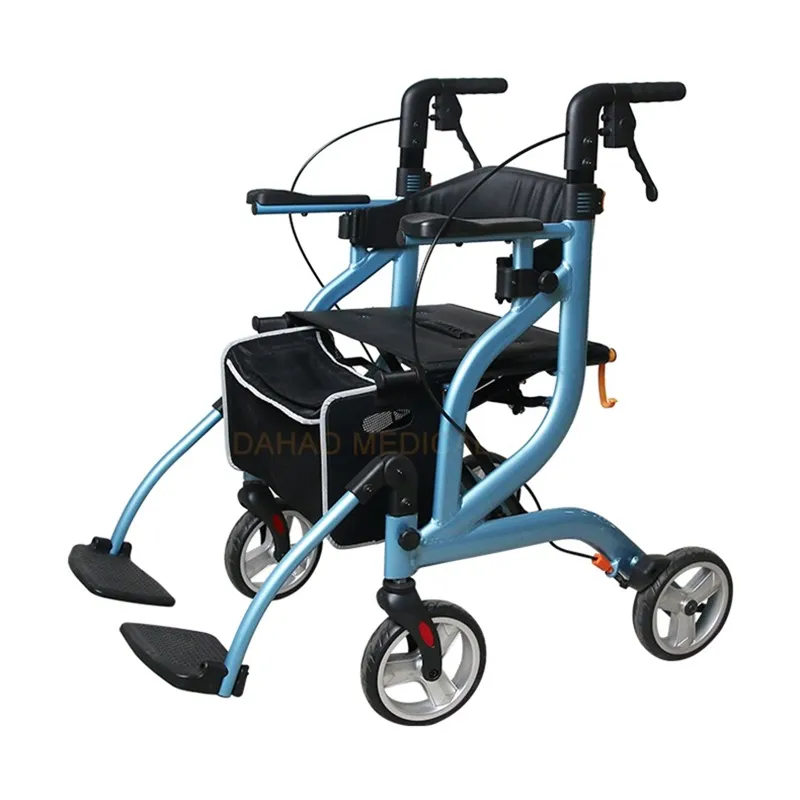
    • All walkers are Type 1, regardless of whether they have wheels. • Type 2 walking aids are equipped with smaller 4-6 inch wheels. • Type 3 walking aids are equipped with larger 8-inch wheels and offer greater mobility and functionality.
    2026-05-14
    More
  • What is the correct way to walk with a four-wheeled rollator?
    Push the bike first, then step – but don't push too far. The correct sequence is: 1) Push the bike forward slightly. 2) Step with one foot. 3) Step with the other foot. 4) Repeat. Simply put, "bike first, feet follow."
    2026-05-04
    More
  • What is the lightest 4-wheeled rollator?
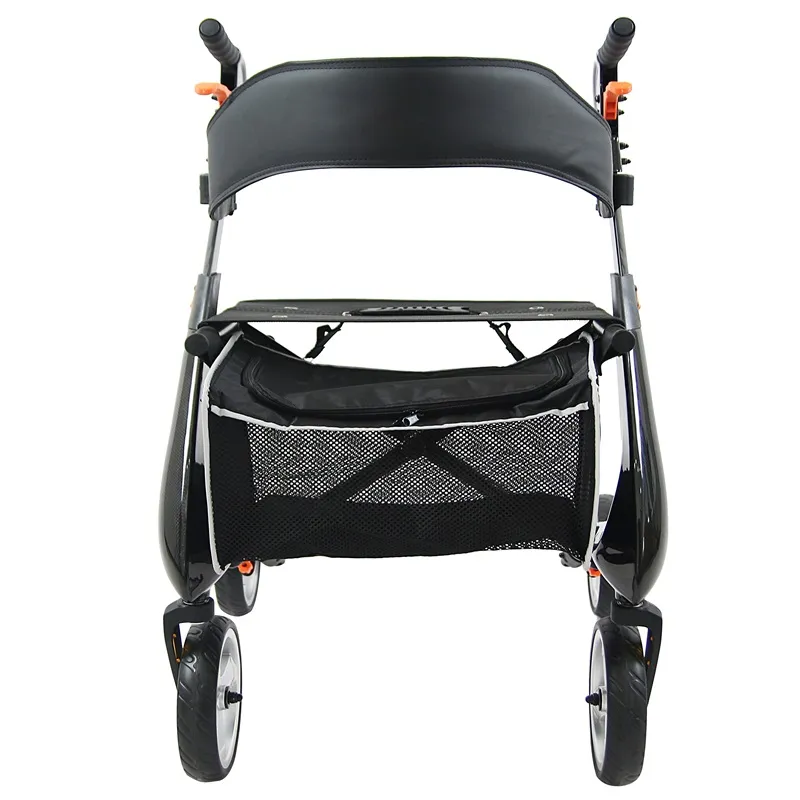
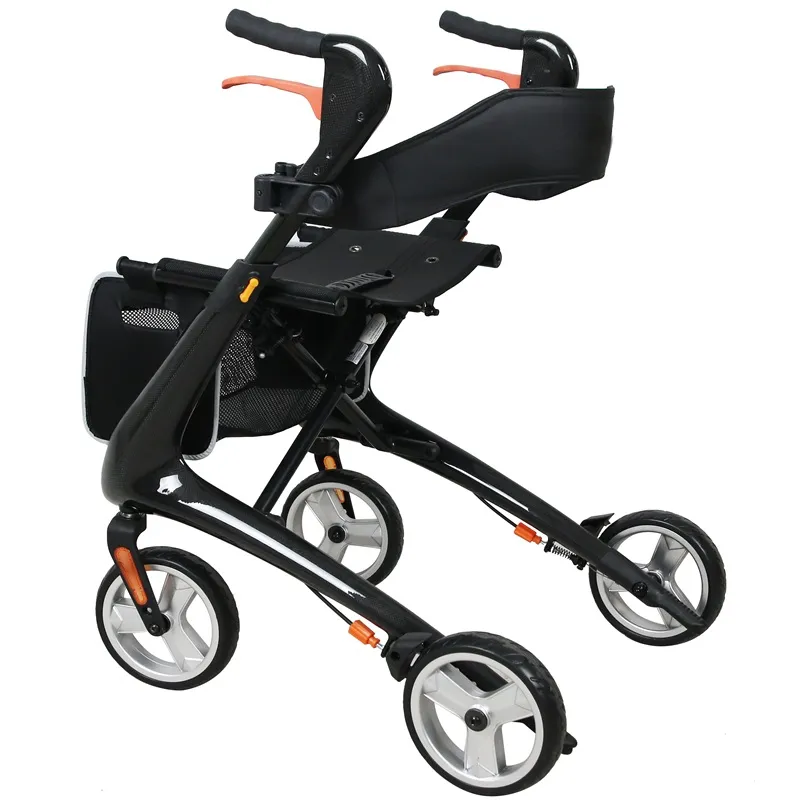
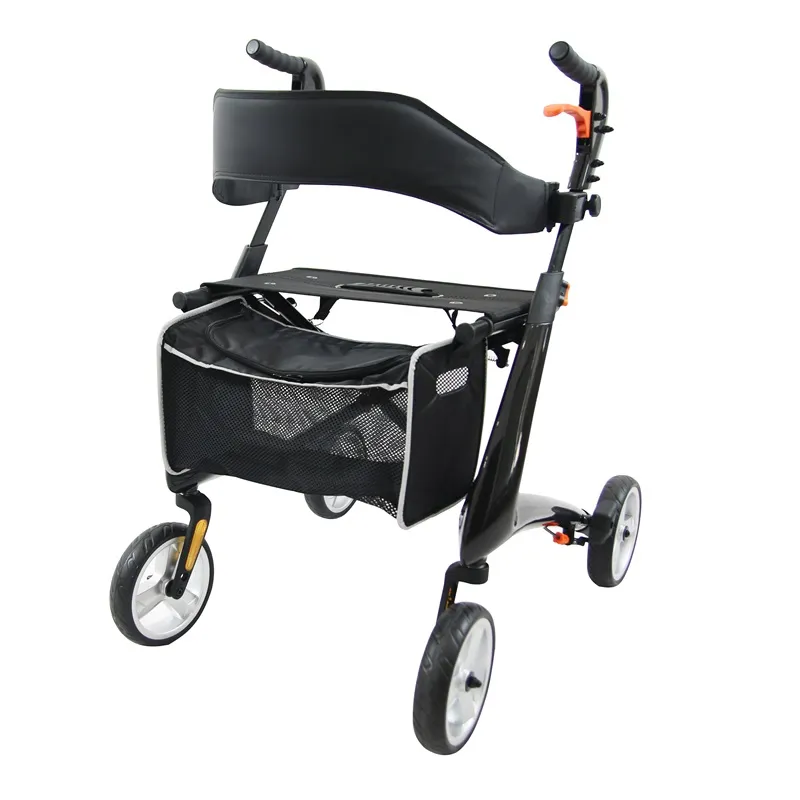
    Among existing materials, carbon fiber 4-wheeled rollators can weigh approximately 6 kg, making them one of the lightest types currently available. Their advantages include: • Extremely light weight • High-strength structure • Excellent portability • Easy folding
    2026-04-21
    More
  • Why are people choosing 4-wheeled rollators instead of canes?
    While canes are lightweight and simple, they have significant limitations in terms of stability, support capacity, load-bearing capacity, operation, and safety. 4-wheeled rollators, with wheels, brakes, and a seat, offer more comprehensive walking support, making them a preferred choice for many.
    2026-04-17
    More
  • Can I bring a 4-wheel rollator on a plane?
    International aviation regulations (such as IATA guidelines) typically classify 4-wheel rollators as "mobility aids," similar to wheelchairs, canes, and walking frames. These devices must be allowed to be transported with passengers and are not included in checked baggage allowance.
    2026-04-13
    More
  • Are 4-wheel rollators prone to tipping over?
    A 4-wheel rollator is safe when used correctly, with reasonable weight, and when the user has a certain level of balance; however, it is very easy to tip over if operated improperly, excessively weighted, or if the user is in poor physical condition.
    2026-03-26
    More
  • Can a 4-wheel rollator be folded?
    Not all 4-wheel rollators are foldable, but most models on the market adopt a folding design. Lightweight walking aids, in particular, often have convenient folding functions, making them more suitable for users who need to go out frequently or have limited carrying or storage space.
    2026-03-20
    More
  • How to Choose Between a 4-Wheel Rollator and a Wheelless Walking Aid?
    Wheelless walking aid: Maximum stability, lightest, but strenuous, slow, no seat, suitable for early rehabilitation and those with very weak balance. 4-wheel rollator: Minimal effort, best suited for outdoor activities and long distances, includes a seat, improves independence, but requires basic balance and braking skills.
    2026-03-12
    More

    Get the latest price? We will reply as soon as possible (within 12 hours)