Significantly reduces the risk of injury to caregivers
This is one of the primary advantages of electric patient lifters. Back injuries among caregivers have long been a major occupational health issue in the global care industry.
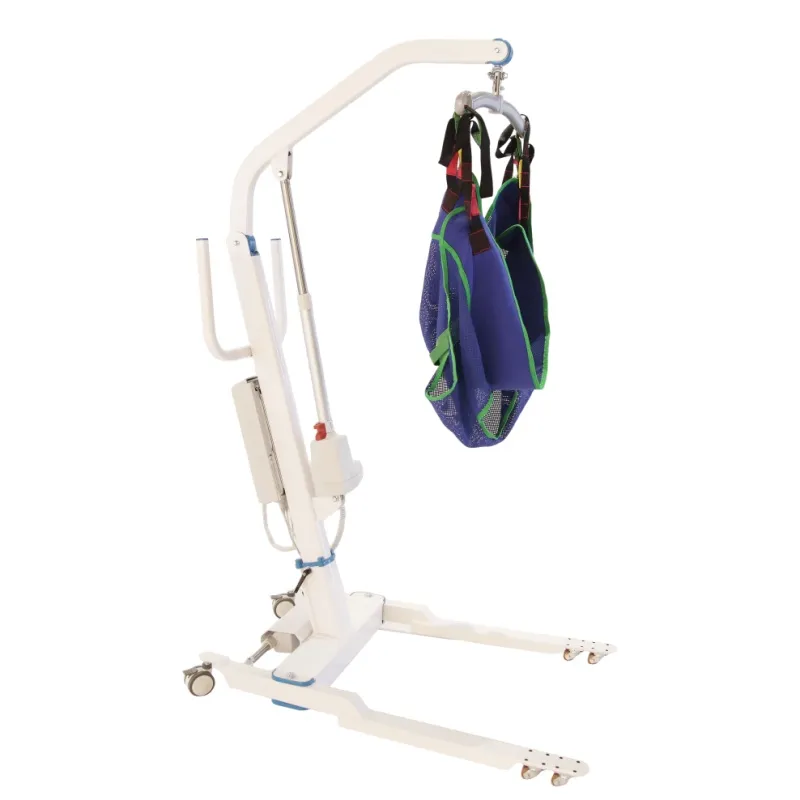
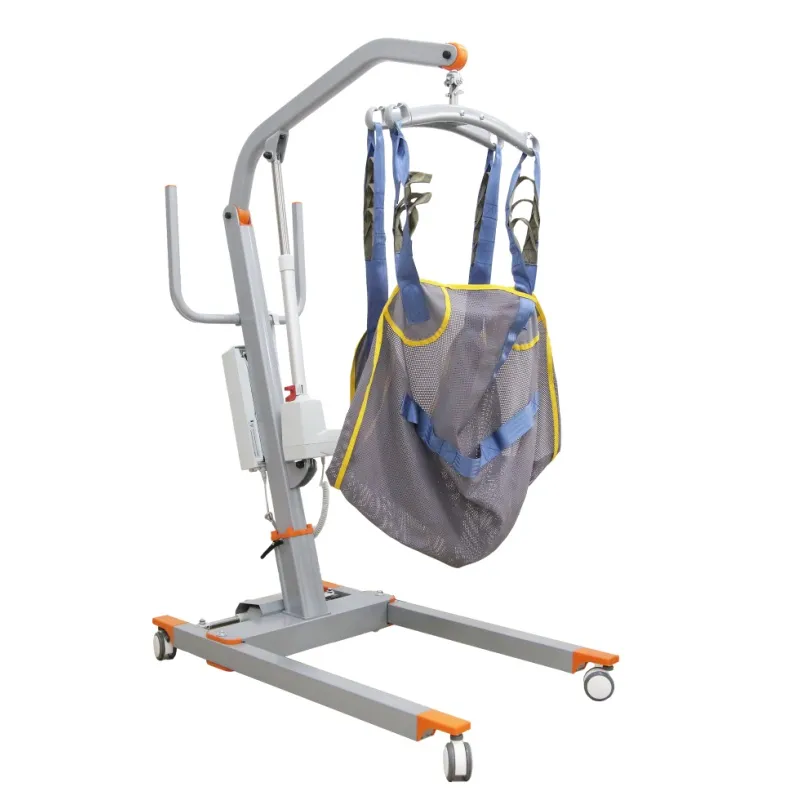
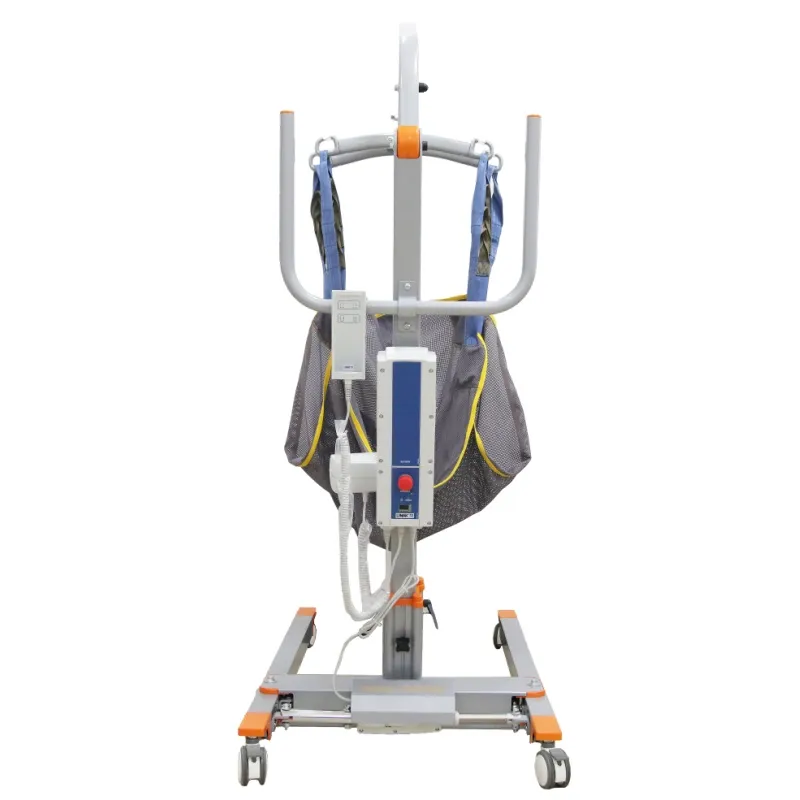
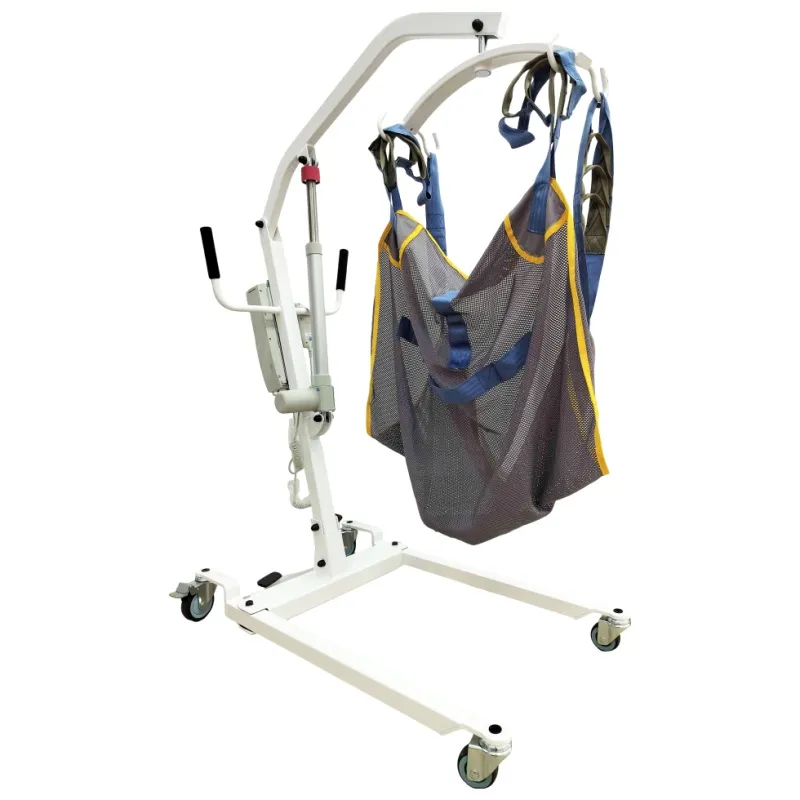
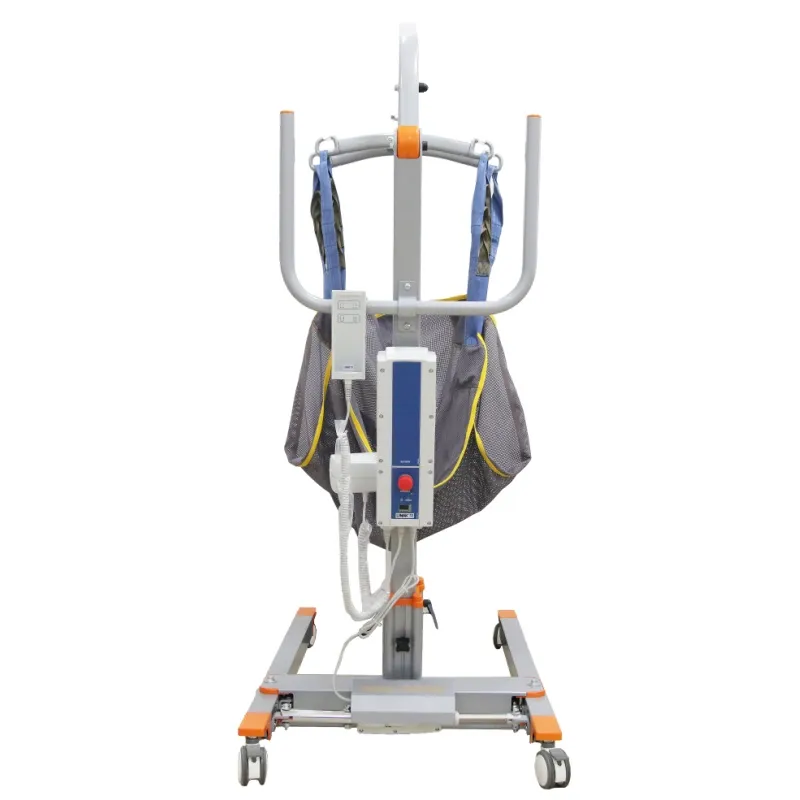
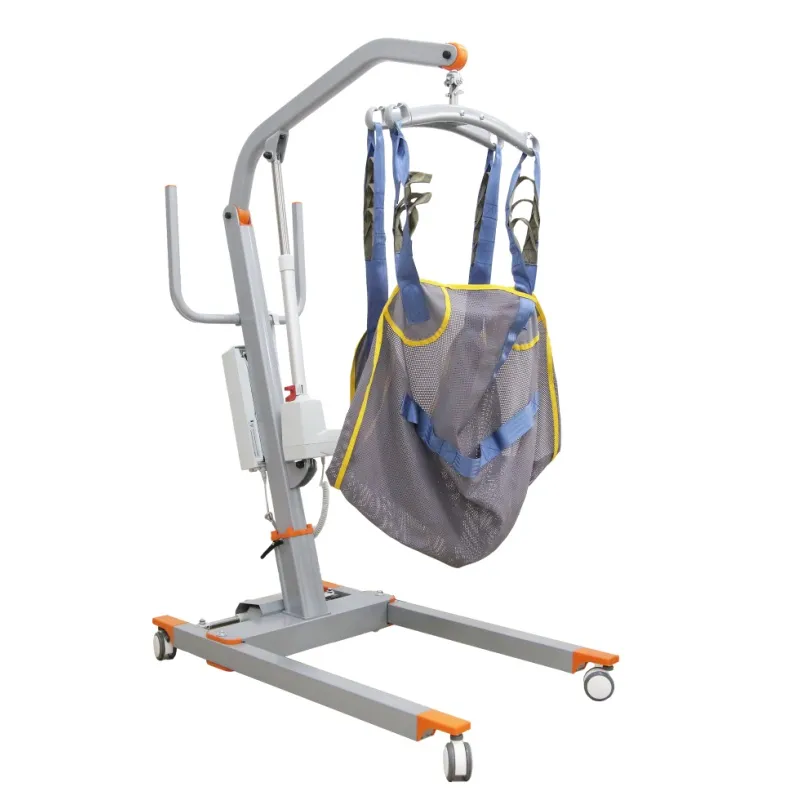
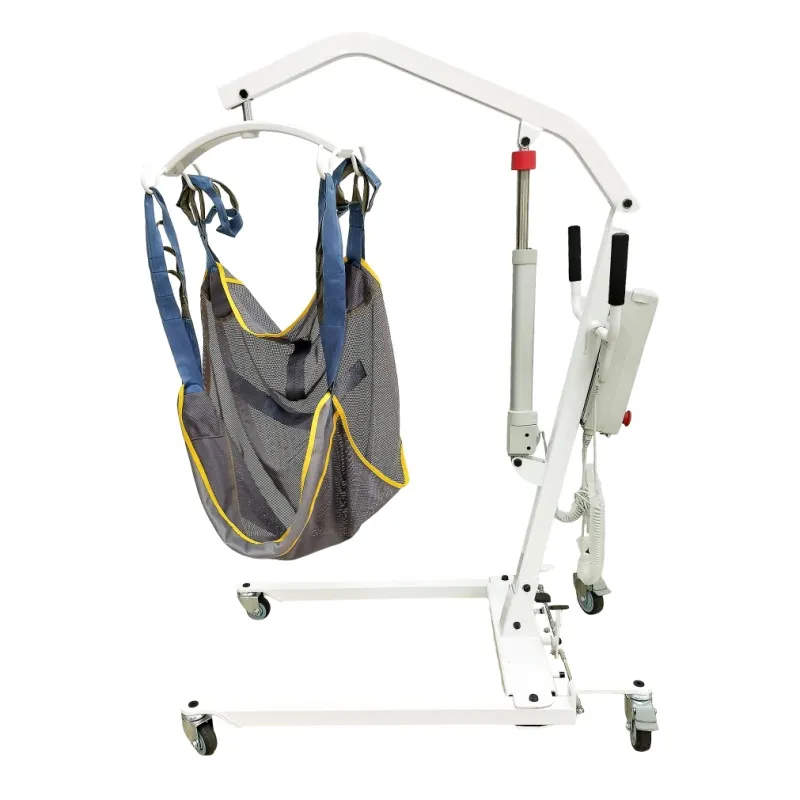
The advent of the sling-style patient hoist essentially transforms "manual lifting" into "mechanical transfer." Once supported by a specialized sling, the patient is smoothly lifted by the hoist’s hydraulic, electric, or electro-hydraulic system, followed by lateral movement and lowering into position.
While most long-term bedridden elderly individuals can use a lift transfer chair, professional assessment is required before use if there are conditions such as severe fractures, unstable vital signs, or severe pressure ulcers.
While not every patient requires a patient lifter, these devices play a crucial role for individuals with limited mobility or those unable to transfer independently.
From the perspective of equipment functionality, the answer is:
Yes, sling-style patient lifters are technically capable of being operated by a single person.
While technically feasible, operating a sling-style patient lifter alone is not the optimal choice. Safety must always be the top priority.
Patient Fall Risk
The most common risks stem from:
• Unlocked casters
• Unstable seating posture
• Inaccurate transfer position
• Sudden movement during use
• Unfastened seatbelt
If a patient tilts or slides during lifting, they may fall from the patient lifter, resulting in serious injury.
If a patient lifter is not operated correctly, instability may occur when moving a person on a sling-type patient lift, potentially causing the patient to collide with surrounding objects.
One of the uses of patient lifters is to:
Transform "physical labor-intensive care" into "operational care."
By having the equipment bear the main weight, caregivers only need to operate and guide, significantly reducing their physical burden.
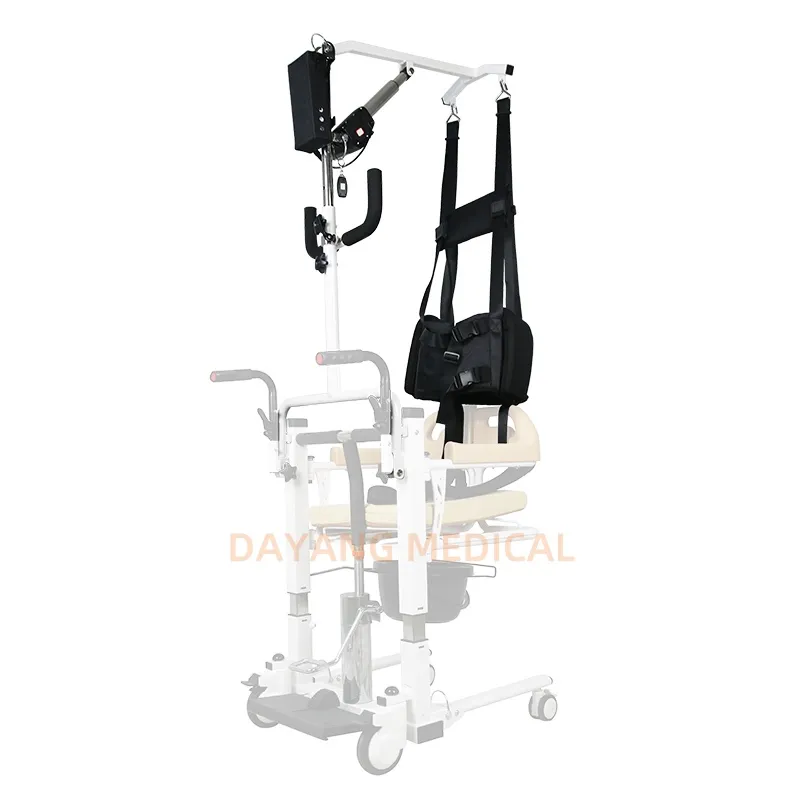
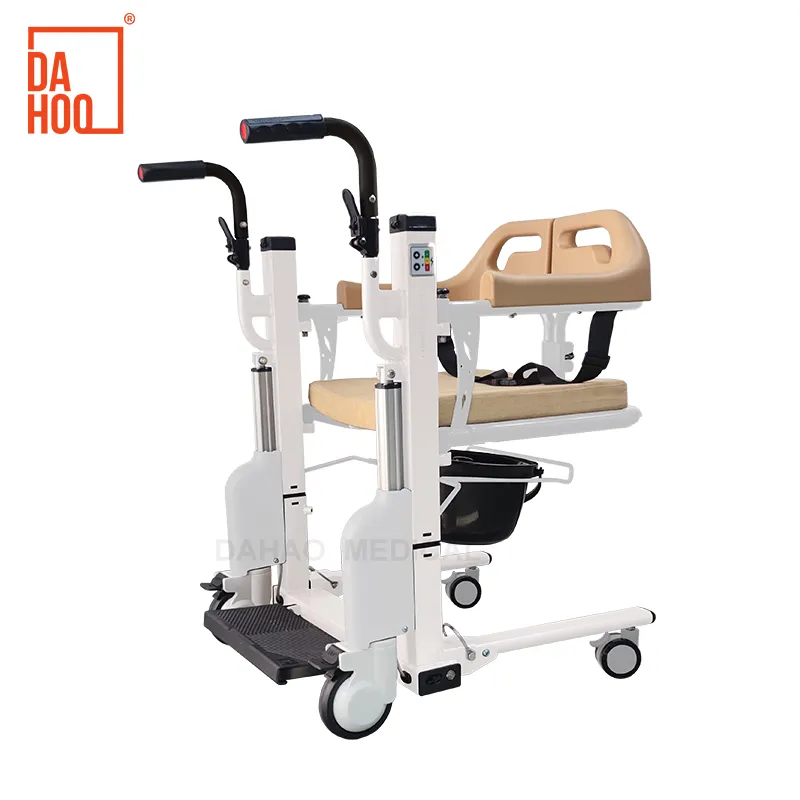
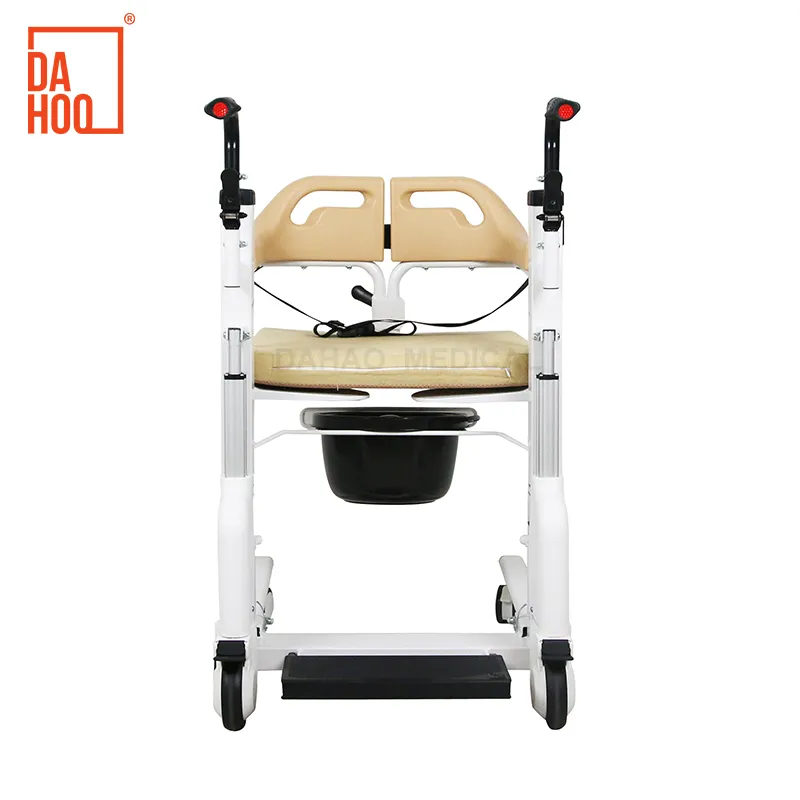
In a lift transfer chair, the hydraulic system is a mechanical system that uses fluid pressure to achieve smooth lifting.
If the lift transfer chair cannot adjust its height, it cannot achieve "barrier-free, low-risk" transfers.
Most lift transfer chairs on the market have a nominal load-bearing capacity of:
✔ 100KG
or
✔ 120KG
or
✔ 150KG
They typically won't be lower than 100KG or higher than 150KG.