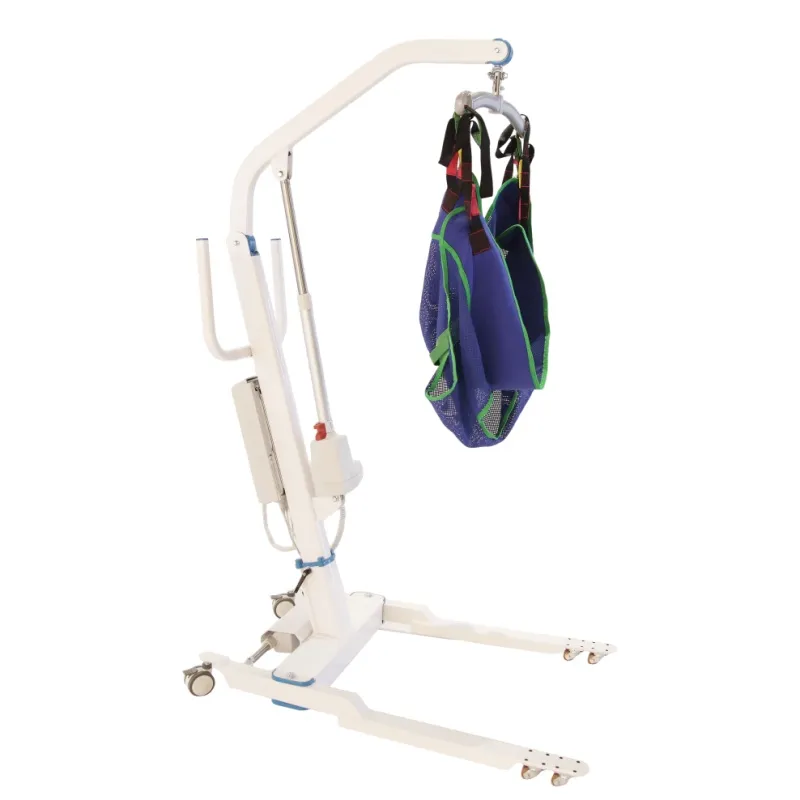
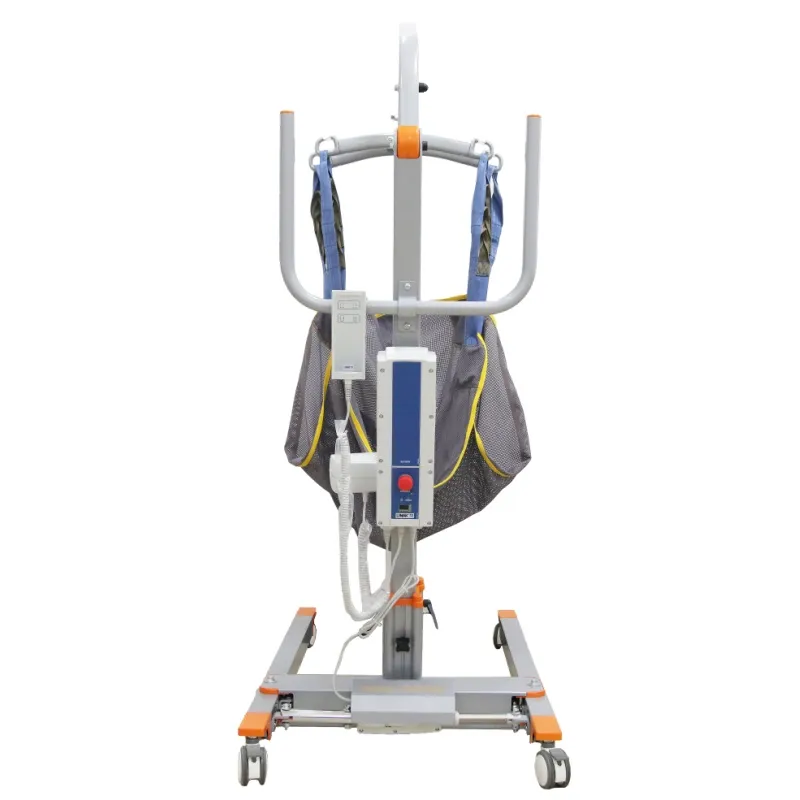
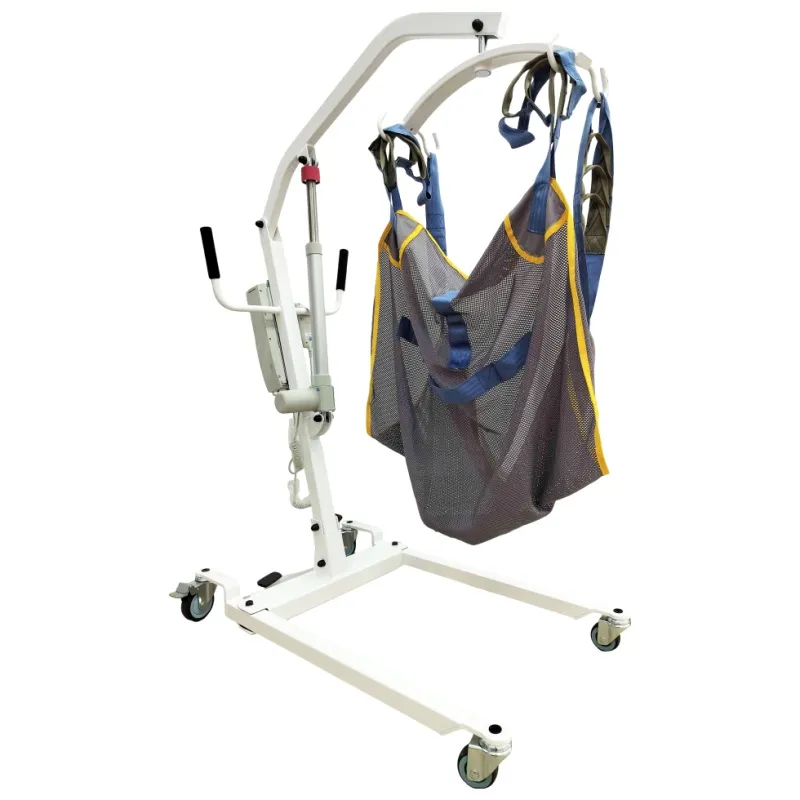
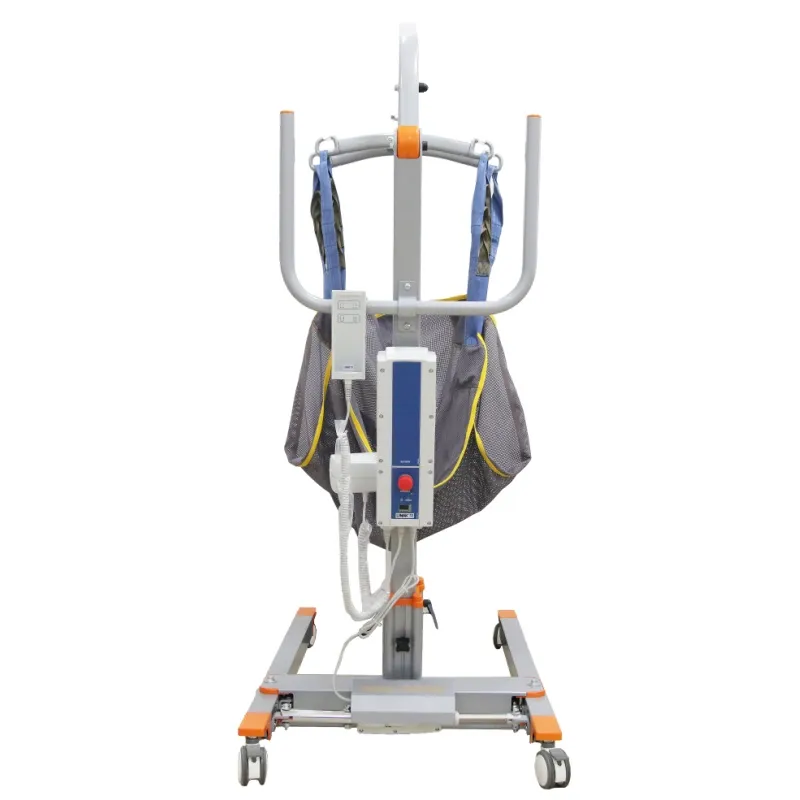
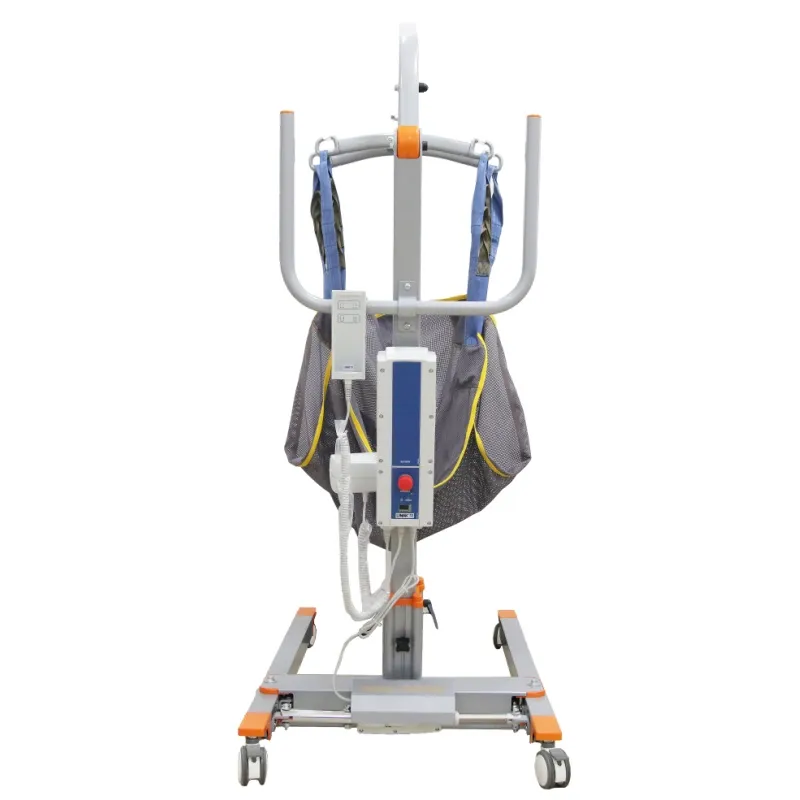
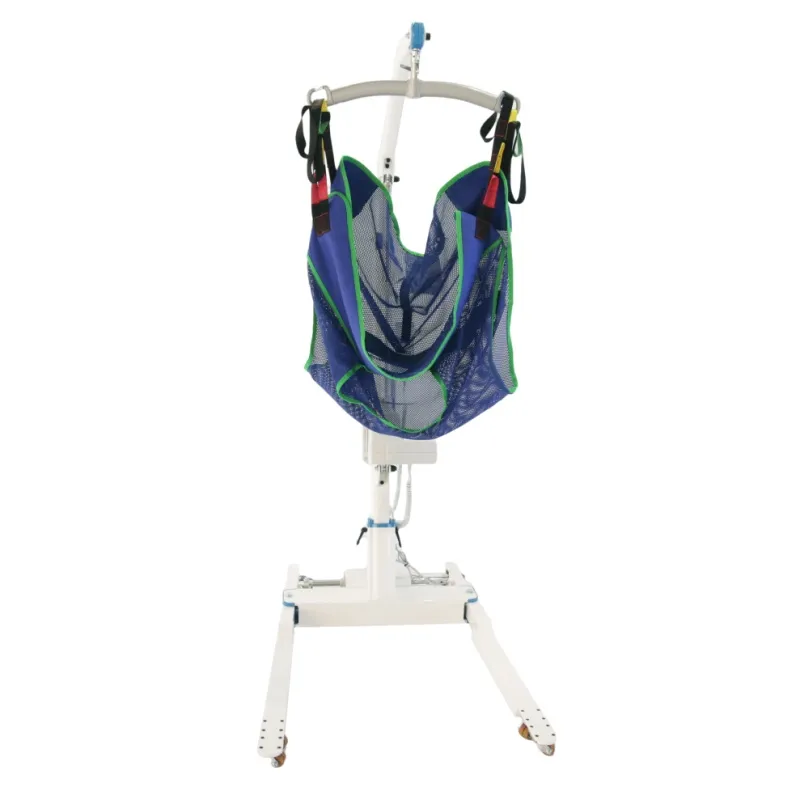
Significantly reduces the risk of injury to caregivers
This is one of the primary advantages of electric patient lifters. Back injuries among caregivers have long been a major occupational health issue in the global care industry.
While not every patient requires a patient lifter, these devices play a crucial role for individuals with limited mobility or those unable to transfer independently.
From the perspective of equipment functionality, the answer is:
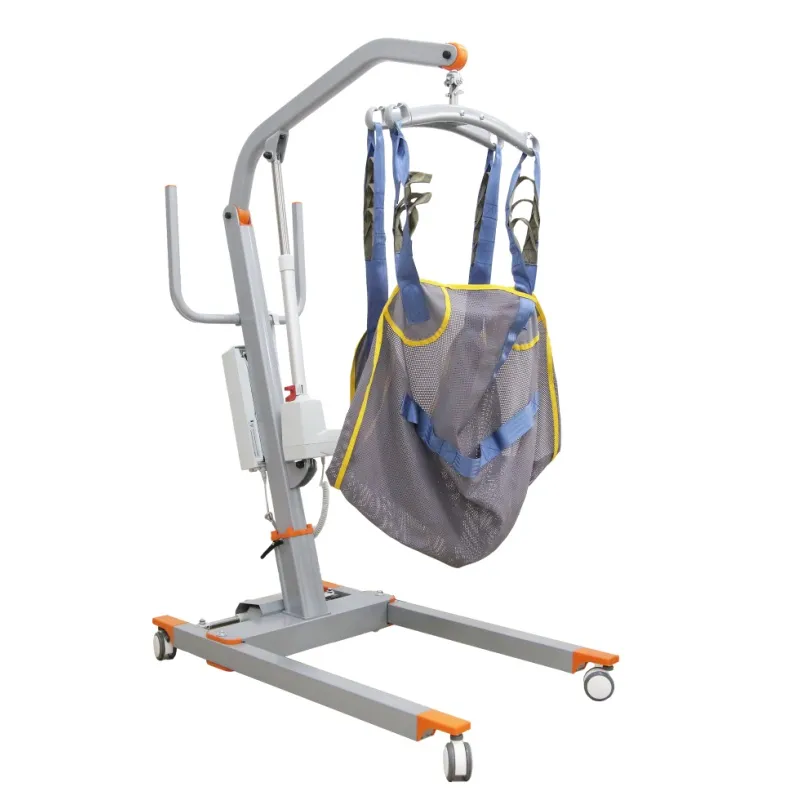
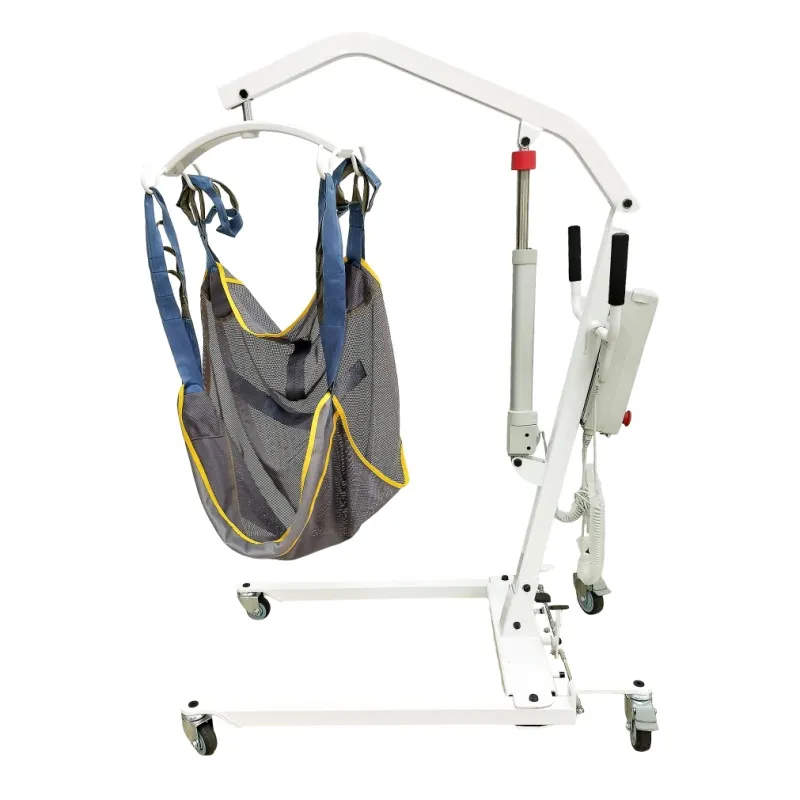
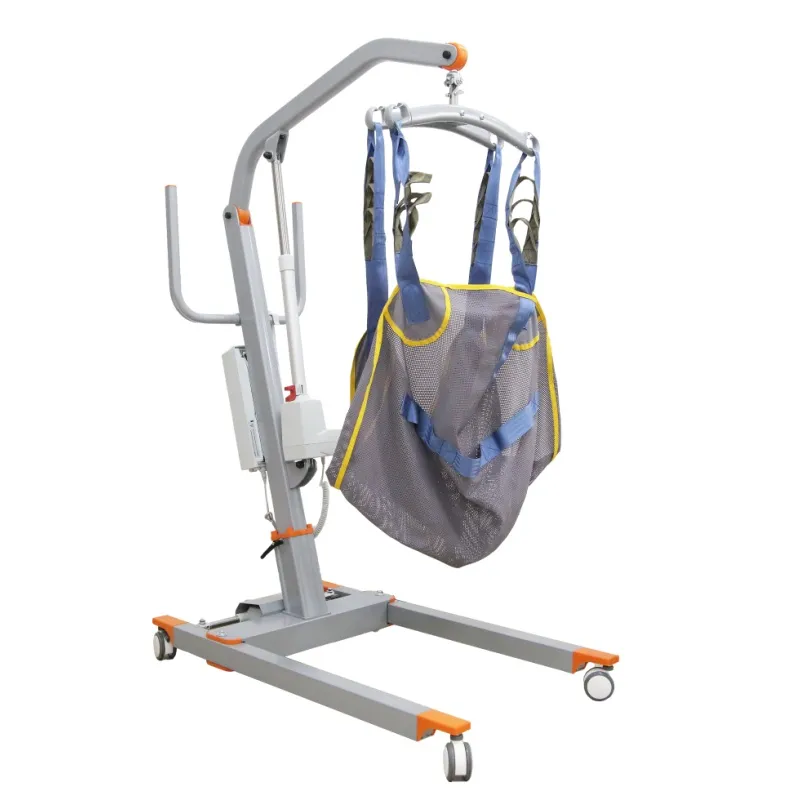
Yes, sling-style patient lifters are technically capable of being operated by a single person.
While technically feasible, operating a sling-style patient lifter alone is not the optimal choice. Safety must always be the top priority.
Patient Fall Risk
The most common risks stem from:
• Unlocked casters
• Unstable seating posture
• Inaccurate transfer position
• Sudden movement during use
• Unfastened seatbelt
If a patient tilts or slides during lifting, they may fall from the patient lifter, resulting in serious injury.
If a patient lifter is not operated correctly, instability may occur when moving a person on a sling-type patient lift, potentially causing the patient to collide with surrounding objects.
One of the uses of patient lifters is to:
Transform "physical labor-intensive care" into "operational care."
By having the equipment bear the main weight, caregivers only need to operate and guide, significantly reducing their physical burden.
A patient lifter is not a device that can be used safely simply by pressing a button. It involves multiple aspects, including human support, center of gravity shifts, equipment structure, and operational procedures. Using it without necessary training can directly impact the safety of both the person being transferred and the operator.
Yes, improper use of a patient lifter can indeed lead to it tipping over.
The core reasons include:
• Overloading
• Improper sling or connection methods
• Unsuitable ground conditions
• Incorrect operating procedures
Before lifting a patient, the following actions are prohibited:
• Failure to check that the patient lifter is in normal working order
• Failure to confirm that the lifting system is functioning smoothly
• Failure to confirm that the base is stable
• Failure to confirm that the sling connections are secure