

In nursing care and home care, patient transfer is a seemingly simple but actually high-risk procedure. With the widespread use of patient lifters in hospitals, rehabilitation facilities, and home care settings, a crucial question has been repeatedly raised:
Does using a patient lifter require training?
The answer is clear and unambiguous: For the safety of the person being transferred, it is essential; you cannot operate it blindly.
A patient lifter is not a device that can be used safely simply by pressing a button. It involves multiple aspects, including human support, center of gravity shifts, equipment structure, and operational procedures. Using it without necessary training can directly impact the safety of both the person being transferred and the operator.
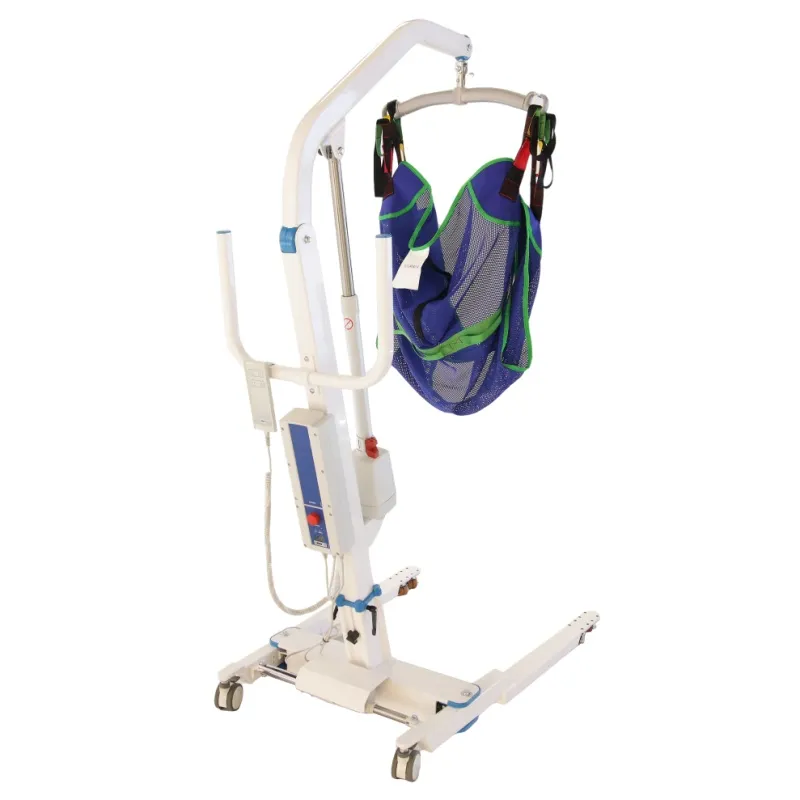
Why can't a patient lifter be used without training?
This is the core starting point for understanding the whole issue.
Is operating a patient lifter really simple?
On the surface, the basic functions of a patient lifter seem straightforward:
• Lifting and lowering
• Pushing
• Positioning
• Fixing
However, using a patient lifter is not merely "operating the equipment," but a systematic process that combines human body condition, equipment structure, and operational procedures. Without professional training, operators often focus solely on the equipment's movements, neglecting overall control of the patient's condition.
What is the primary purpose of patient lifter training?
What are the core objectives of the training?
Patient lifter training is not intended to increase operational difficulty, but rather to achieve the following core objectives:
• Ensuring the safety of the patient being moved
• Reducing the physical burden on nursing staff
• Minimizing uncertainties and risks during operation
• Ensuring the correct use of the patient lifter
In short, the essence of training is to ensure the patient lifter functions safely.
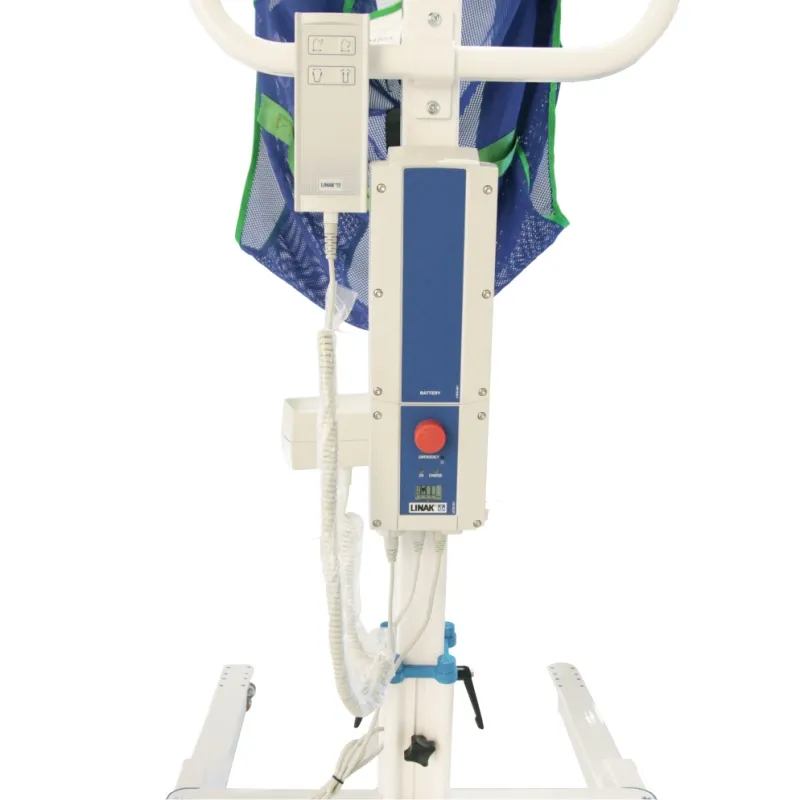
What are the potential risks associated with using a patient lifter?
What problems arise from a lack of training?
Using a patient lifter without training may lead to the following risks:
• Improper sling installation
• Instability in the patient's posture
• Shift in center of gravity
• Incorrect operation sequence
• Inadequate response to emergencies
These problems are not caused by the equipment itself, but rather stem from a lack of understanding of the patient lifter's working principles and correct operating procedures.
Is patient lifter training only for professional nursing staff?
Do home caregivers also need training?
This is a common misconception.
Many people believe that only professionals in hospitals or nursing facilities need patient lifter training, while home care can be "operated based on experience." This understanding is inaccurate.
Whether in a professional or home care setting:
• The body of the person being moved is equally vulnerable.
• The risks involved in the movement process are not reduced.
• The structure and operating logic of the patient lifter do not change.
Therefore, whenever a patient lifter is used, appropriate training is necessary.
What aspects does patient lifter training typically include?
Is training simply about "how to press the buttons"?
Of course not.
Systematic patient lifter training usually covers the following aspects:
• The structural components of the patient lifter
• Functional descriptions of different parts
• Key points for pre-operation checks
• Correct operating sequence
• The posture and support principles for the person being moved
• Safety precautions
These elements together form the foundation for the safe use of a patient lifter.
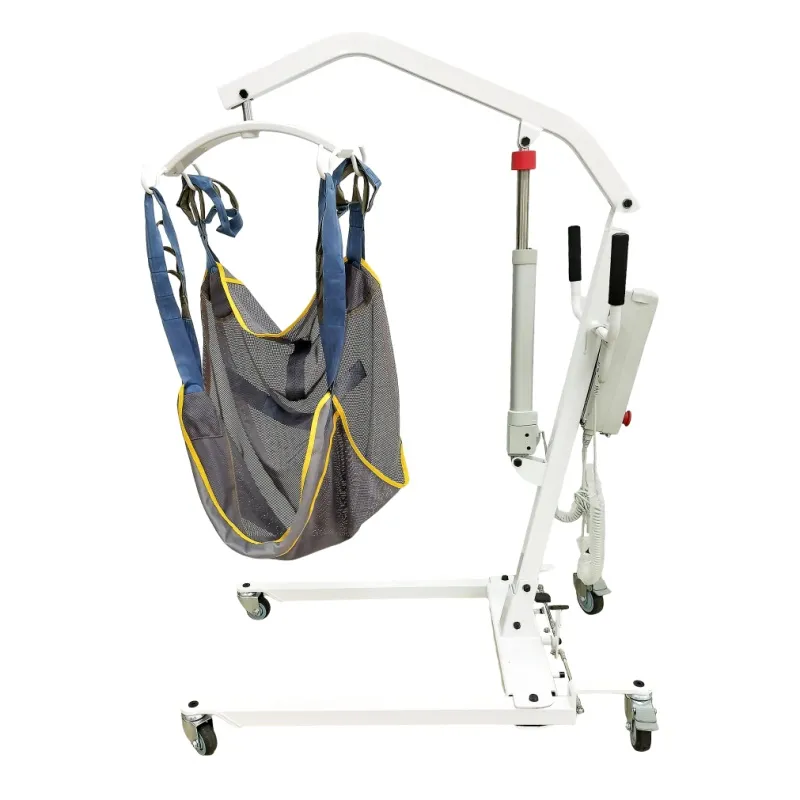
Why is "blindly operating" a patient lifter dangerous?
What is blind operation?
Blind operation typically manifests as:
• Using the equipment without understanding its structure
• Failing to check the equipment's status
• Not correctly understanding the sling and support methods
• Failing to consider the physical condition of the person being moved
In such cases, even if the patient lifter itself is in good working order, safety during use cannot be guaranteed.
Does patient lifter training help reduce operational errors?
The answer is yes.
How does training reduce the probability of errors?
Through systematic training, operators can:
• Understand the purpose of each step of the operation
• Understand the potential consequences of incorrect operation
• Develop standardized operating habits
• Improve sensitivity to abnormal situations
This is crucial for the safe use of patient lifters.
What is the relationship between patient lifter training and safety awareness?
Is training merely skills transfer?
No, it's more than that.
Another crucial role of patient lifter training is establishing a proper safety awareness, including:
• Respect for the patient's physical condition
• Vigilance regarding the risks involved in the procedure
• Emphasis on standardized procedures
With this safety awareness, operators will be more cautious when using the patient lifter, rather than relying on "feeling" or "experience."
Is it suitable to learn by doing with a patient lifter?
Can you learn by trial and error without training?
From a professional perspective, this is highly discouraged.
The patient lifter is not a device with low trial-and-error costs. Any improper operation may:
• Affect the stability of the patient being moved
• Increase the risk of falls or uneven force
• Cause psychological and physical stress for the operator
Therefore, receiving training before officially using a patient lifter is a more reasonable and safer choice.
Is patient lifter training complex and difficult to understand?
Will training increase the barrier to entry for use?
In reality, most patient lifter training aims for the opposite:
• Simplify operational understanding
• Clarify key steps
• Avoid unnecessary complex movements
Through training, operators can often master the use of patient lifters more quickly and consistently, rather than being intimidated by the equipment.
Does patient lifter training help extend the equipment's lifespan?
While the primary goal of training is safety, its added value cannot be ignored.
Does correct use affect the equipment's condition?
Operators who receive proper training typically:
• Operate the equipment according to specifications
• Avoid improper stress
• Reduce structural wear
This not only helps in the safe use of patient lifters but also helps maintain the equipment's good condition.
Why do professional organizations generally emphasize patient lifter training?
Has training become an industry consensus?
In the usage guidelines for nursing equipment, patient lifter training has long been considered a basic requirement.
This is because:
• Patient lifters are directly related to personal safety
• The operation process involves human suspension and movement
• Incorrect operation has relatively serious consequences
Therefore, emphasizing training is not a formality but a consensus formed through long-term practice. Can patient lifter training be completed in one go?
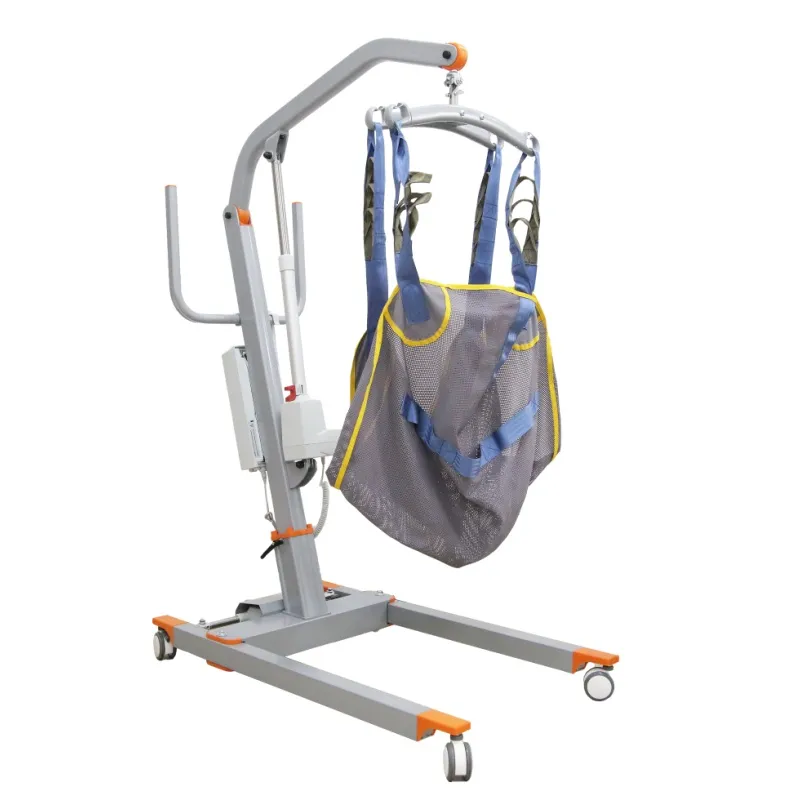
Does training require repeated reinforcement?
From a safety perspective, patient lifter training is not "once completed and forever effective," but rather:
• It needs continuous reinforcement through actual use.
• It needs to be refreshed when changing equipment or environments.
• It needs to be re-emphasized when operators change.
This is also an important reason why patient lifter training is considered a continuous safety guarantee.
Do all types of patient lifters require training?
The answer is still yes.
Does different types mean training is unnecessary?
Whether it's:
• Sling-type patient lifter
• Standing-assisted transfer device
• Mobile or fixed transfer device
Anything involving the use of a patient lifter has its specific operating procedures and safety points, therefore, corresponding training is required.
Does patient lifter training mean there's a high barrier to entry?
This is a misconception that needs clarification.
The purpose of training is not to restrict use.
The purpose of patient lifter training is not to make the equipment "difficult to use," but rather to:
• Make operators feel more at ease
• Ensure the safety of the patient being transferred
• Make the entire transfer process more controllable
From this perspective, training is actually "reducing risk," not "raising the bar."
How should we correctly view the requirement that "training is required to use a patient lifter"?
From a professional perspective, this requirement should be understood as:
• Being responsible for the patient being transferred
• Being responsible for the operator
• Being responsible for the functionality of the equipment
A patient lifter is not an ordinary tool, but a device that directly participates in the nursing process. Its use must be based on correct understanding and standardized operation.
Does using a patient lifter require training?
For the safety of the patient being transferred, this is necessary. You cannot operate it blindly.
Further Summary:
• Patient lifters involve human support and movement.
• Incorrect operation poses actual safety risks.
• Training is a crucial prerequisite for ensuring safety.
Whether in a professional nursing environment or a home nursing environment, whenever a patient lifter is used, necessary user training should be emphasized and received.
This is not only a matter of respect for the equipment, but also a matter of respect for life and safety.
How does Dahao Medical support global purchasing needs?
Dahao Medical is structured to support international purchasing through stable production capacity, standardized quality systems, and flexible cooperation models. With an annual output of over 50,000 electric wheelchairs and a wide range of nursing care equipment, the factory can handle bulk orders, repeated supply, and fast lead times. Buyers looking to source Hospital Care Beds, Electric Patient Lifters, or Transfer Chairs directly from a Chinese manufacturer benefit from competitive pricing, professional sales support, and consistent product quality.