

In modern home care, adjustable nursing beds have gradually become essential equipment for home care, post-operative rehabilitation, elderly care, and long-term bedridden individuals. Through functions such as height adjustment, angle adjustment, back support, and leg raising, they make care safer, more comfortable for users, and easier for caregivers.
However, despite their powerful functions, adjustable nursing beds are not suitable for everyone. Reasonably and correctly determining who should not use or is temporarily unsuitable for this type of care equipment is a crucial prerequisite for ensuring safety.
This article will systematically analyze who should not use adjustable nursing care beds and help you make the right judgment before purchasing and using them.
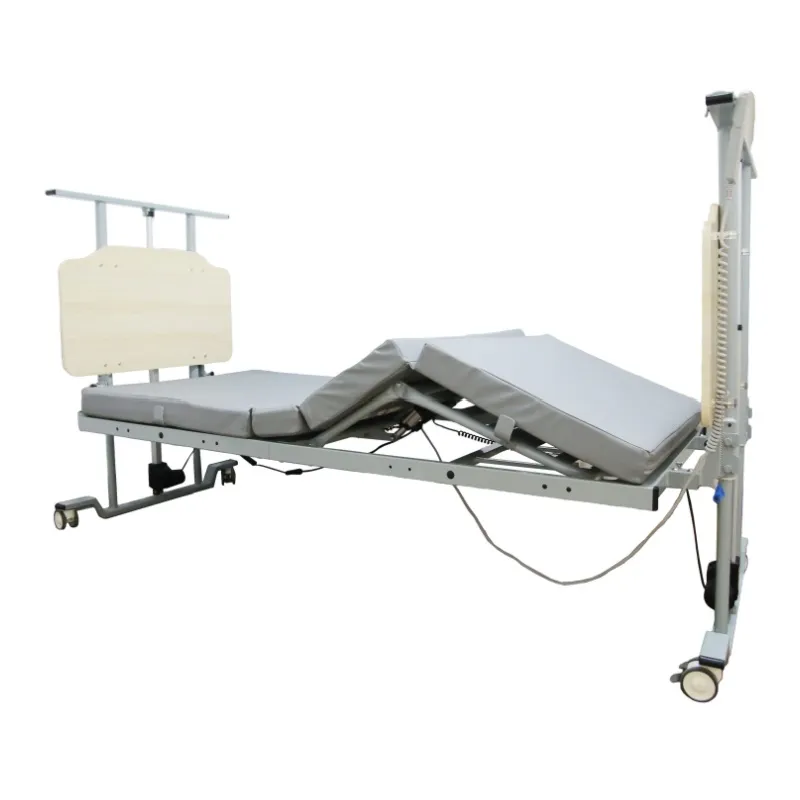
Why are some people unsuitable for using adjustable nursing beds?
Adjustable nursing beds are designed specifically for people requiring long-term care or with partial mobility limitations, but it cannot be simply assumed that they are "suitable for all patients."
The main reasons are:
1. The equipment requires patients to have basic cognitive abilities to cooperate.
2. Some people may not be able to tolerate changes in the bed's angle.
3. Some conditions are extremely sensitive to changes in body position.
4. In some special circumstances, the nursing care bed may actually increase risks.
Therefore, clearly defining contraindications is extremely necessary.
Are adjustable nursing beds always beneficial for people with limited mobility?
Many people believe that anyone with limited mobility should use an adjustable nursing care bed. However, this is not the case.
1. Are they suitable for people who are completely unable to control their bodies?
Some patients, for various reasons:
• Have completely lost body control
• Are unable to maintain a stable position
• Cannot cooperate even with minor bed adjustments
These patients may experience the following when the bed is raised, lowered, or tilted:
• Risk of slipping
• Skin damage due to concentrated pressure
• Accidents due to inability to cooperate with adjustments
Therefore, this group requires professional evaluation, and sometimes a higher-grade medical bed or specialized fall protection device should be used instead of a standard adjustable nursing bed.
2. What about extremely frail elderly people?
Even for the elderly, it's not suitable for everyone. For example:
• Severe osteoporosis to the point of fracture with a slight touch
• Extremely weak cardiopulmonary function
• Difficulty breathing with even slight movement
In these cases, changes in bed angle may be dangerous. Therefore, suitability must be confirmed by a professional caregiver.
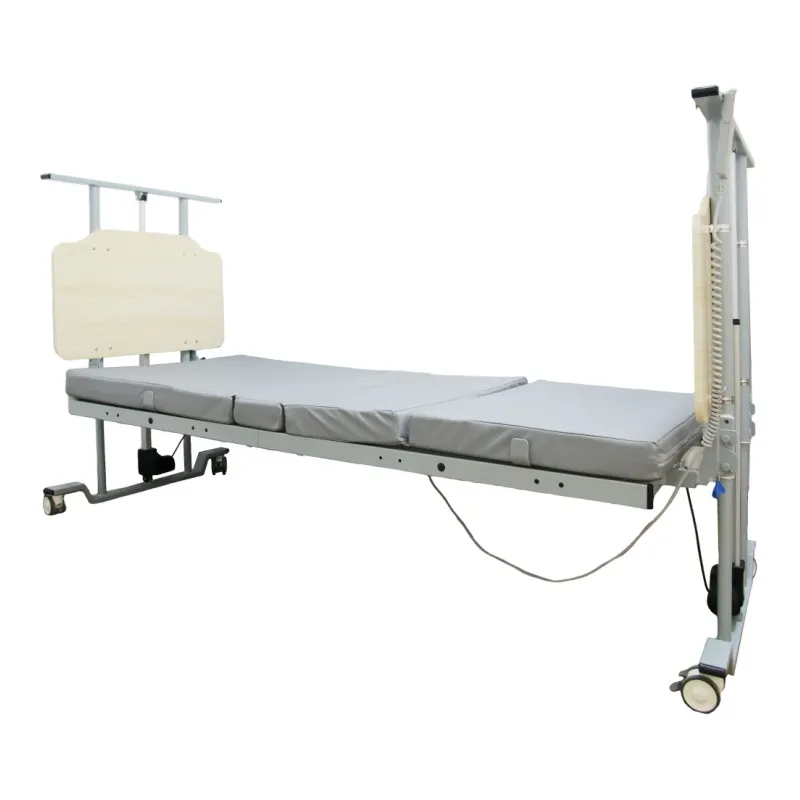
Why can't some patients with certain conditions use adjustable nursing beds?
This is a point often overlooked before purchasing a nursing care bed: some patients with certain conditions cannot use adjustable nursing beds.
1. Those with cervical or spinal instability
If a person:
• Is recovering from spinal surgery
• Has spinal instability
• Has severe spinal disease
• Cannot withstand changes in cervical angle
Raising or lowering the bed or lifting the back may cause uneven stress on the spine, thus worsening the condition.
2. Patients with head injuries or unstable intracranial pressure
Adjustable nursing care beds typically have a head-lifting function, but they are not suitable in the following situations:
• High risk of intracranial pressure fluctuations
• Acute brain injury
• Frequent headaches, dizziness, and unstable symptoms
Because changes in head angle may trigger:
• Worsening headaches
• Changes in blood pressure
• Changes in intracranial pressure
In these cases, a height-fixed medical nursing bed is required instead of a general adjustable nursing bed.
3. Patients with certain cardiovascular diseases
For example:
• Extremely unstable heart rate
• Patients with severe heart failure
• Orthostatic hypotension
When an adjustable nursing bed is adjusted, changes in angle may cause sudden changes in blood pressure or cardiac pressure, posing a risk.
4. Patients with Severe Respiratory Diseases
Although nursing beds are adjustable, some respiratory conditions are highly sensitive, such as:
• Using a ventilator and requiring strict control of positioning
• Extreme respiratory distress
• Oxygen saturation significantly affected by position
Any unauthorized changes in position can be dangerous.
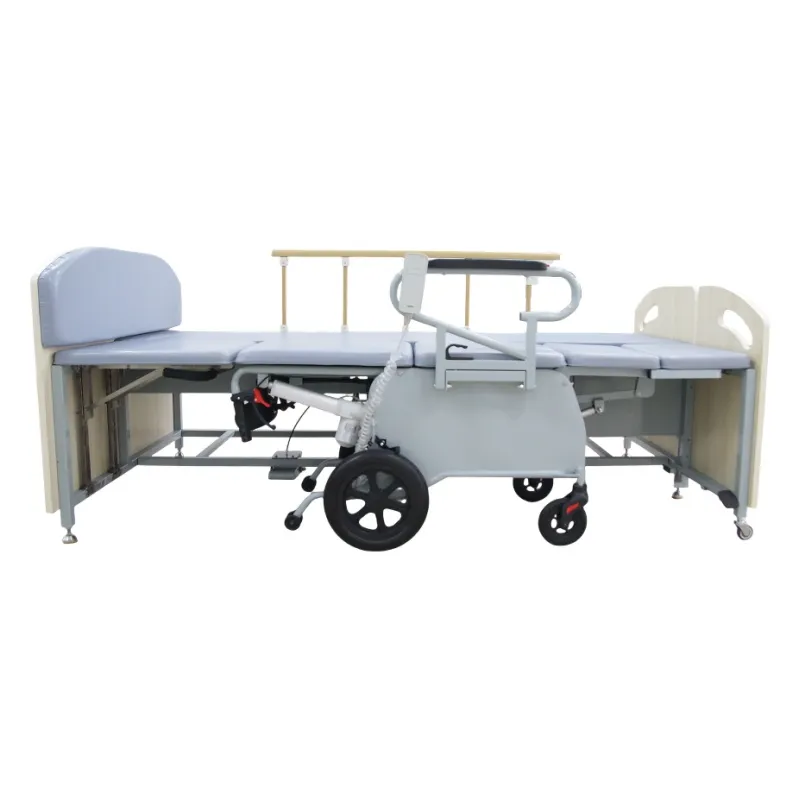
What are the potential risks of using an adjustable nursing bed?
Despite the safe design of the nursing care bed, risks still exist for some individuals.
1. Risk of Slipping
If a patient:
• Is paralyzed
• Cannot maintain a sitting position
• Lacks leg support
When lifting or tilting, the body may slide downwards, causing:
• Concentrated pressure on the tailbone
• Skin abrasions
• Falling
2. Risk of Being Pinched
For patients with cognitive difficulties or uncontrolled behavior, they may:
• Unconsciously touch mechanical parts
• Move while the bed is in motion
• Get their hands or feet caught in the bed rails
Extra caution is needed for this group.
3. Breathing Difficulty or Circulatory Problems
Some patients may experience the following when their legs or back are elevated:
• Shortness of breath
• Rapid heartbeat
• Abnormal blood pressure
This indicates that their body is not suited to changes in bed angle.
Is an adjustable nursing bed suitable for people with unstable mental states?
Mental state is an important consideration when using an adjustable nursing bed.
1. Not suitable for agitated or uncontrollable individuals
For example:
• Sudden movements
• Frequent turning over or fidgeting
• Uncontrollable behavior due to emotional instability
These behaviors can easily lead to accidents involving the nursing bed, such as falls or injuries.
2. Caution is needed for patients with severe cognitive impairment
For example:
• Severe Alzheimer's disease
• Severe dementia
• Inability to understand bed movements
They may panic or struggle when the bed is moved, increasing the risk.
Can children or people with special weight use adjustable nursing beds?
1. Children are generally not suitable for this type of bed
Children's bones are not fully developed, and using an adult adjustable nursing bed may lead to:
• Unsafe posture
• Risk of pinching from the gaps in the side rails
• Risk of falling due to an unsuitable bed size
Children should use medical nursing beds designed specifically for children.
2. Caution is advised for underweight individuals
Very light individuals (e.g., under 40kg) may:
• Slip excessively
• Not be effectively supported by the bed's stabilization system
3. Overweight individuals must choose a specially reinforced bed
If the weight far exceeds the weight limit of a regular nursing care bed, a regular adjustable nursing care bed should not be used, otherwise it may lead to:
• Bed frame damage
• Lifting system malfunction
• Risk of breakage during operation
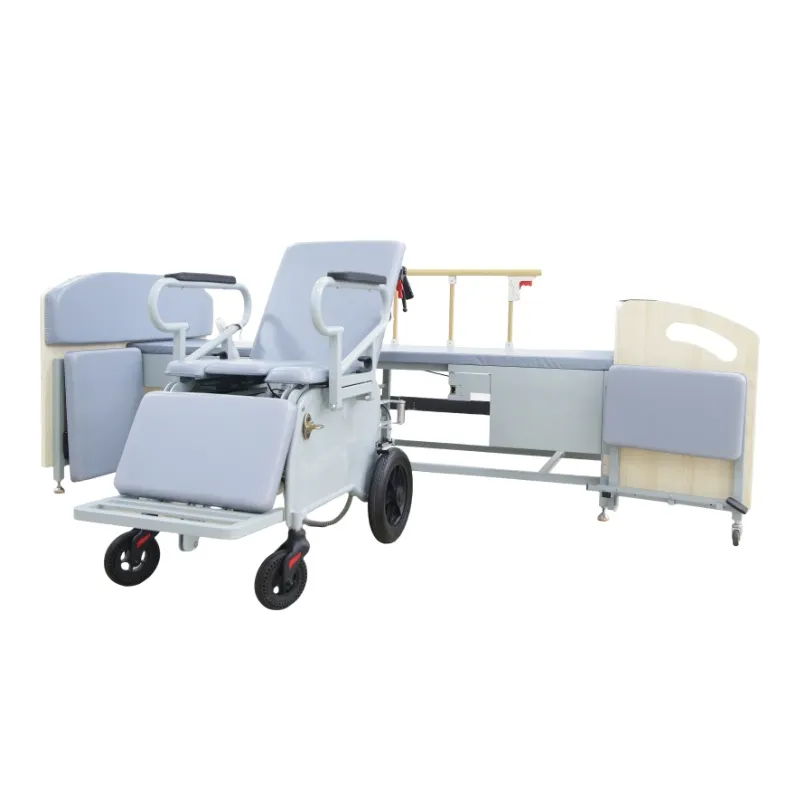
How to assess whether you or a family member is suitable for an adjustable nursing bed?
You can determine this from the following aspects:
1. Assessment by a doctor or professional caregiver
This is the most reliable method.
2. Assess Physical Function
Including:
• Ability to adapt to changes in position
• Presence of severe pain
• Ability to maintain stability
3. Assess Mental and Cognitive Status
Special Attention:
• Presence of anxiety or agitation
• Presence of confusion
• Ability to understand bed movements
4. Assess Whether the Illness Allows for Bed Adjustment
Especially:
• Cardiovascular diseases
• Respiratory diseases
• Spinal disorders
5. Assess the Caregiver Environment
Including:
• Availability of caregivers
• Need for electric adjustment
• Need for fall prevention measures
Adjustable Nursing Beds Are Not Suitable For Everyone
Adjustable nursing beds are invaluable care equipment, but only if the right person is chosen and the correct method is used. People who are not suitable for using adjustable nursing beds include:
• Individuals with spinal instability
• Individuals with unstable intracranial pressure
• Individuals who are extremely weak or unable to cooperate
• Individuals at high risk of cardiovascular disease
• Individuals with unstable mental health
• Children
• Individuals who are underweight or overweight
Choosing the right nursing care bed is crucial to improving user comfort and safety, and reducing the burden on caregivers.
What type of medical equipment manufacturer is Dahao Medical?
Dahao Medical is a professional medical equipment manufacturer based in China, focusing on mobility and patient care solutions for both institutional and home use. Since 2008, the company has specialized in the production and supply of Electric Wheelchairs, Hospital Care Beds, Home Care Beds, Transfer Chairs, Electric Patient Lifters, and 4-Wheel Roller Walkers.