

In daily life, people often harbor misconceptions about wheelchair users, assuming that "anyone in a wheelchair must be unable to walk." However, this is not the case. In many situations, it is perfectly normal and reasonable for someone to use a wheelchair even if they retain the ability to walk. In fact, many wheelchair users can stand, take steps, or even walk a few meters for short periods. There is a widely recognized term for such individuals: "ambulatory electric or manual wheelchair users."
This means that while they are not completely unable to walk, they rely on electric or manual wheelchairs for daily mobility due to considerations regarding safety, physical stamina, health, or efficiency. Every wheelchair user’s situation is unique, and the needs of ambulatory wheelchair users vary widely.
In this article, we will provide a comprehensive analysis of why some people use manual or electric wheelchairs despite being able to walk, examining the issue from medical, caregiving, safety, and quality-of-life perspectives. Whether you are a caregiver, a family member, a healthcare professional, or simply someone wishing to better understand wheelchair users, this article offers valuable insights.

Does "being able to walk yet using a wheelchair" seem contradictory? Why is this a common phenomenon?
To many, the concepts of "being able to walk" and "using an electric or manual wheelchair" appear to conflict. In reality, however, there is no contradiction. Wheelchairs are not reserved solely for those who are completely unable to walk; they serve as assistive mobility devices that address issues such as limited mobility, restricted physical stamina, or the need for enhanced safety.
The following points help explain why this phenomenon is so common:
1. Walking ability does not equate to sufficient overall mobility
Some individuals can walk but have limited range; they cannot stand or walk for extended periods. While taking a few steps may be manageable, walking tens or hundreds of meters proves extremely difficult. Wheelchairs enable them to cover these longer distances.
2. Walking can cause pain or fatigue
Many medical conditions cause pain to intensify when standing or walking. Using a manual or electric wheelchair reduces physical strain, thereby protecting the user's health.
3. Safety takes precedence over walking
Although some individuals can walk, they may be prone to falls or loss of balance. A manual or electric wheelchair offers a safer and more stable means of getting around.
4. Every wheelchair user’s situation is unique
Some days, a person might feel well enough to walk a few steps, while on other days, they may be completely unable to walk. Such fluctuations in physical condition are very common.
Therefore, being someone who "can walk yet uses a wheelchair" is not an anomaly; it is a widely accepted and understood personal choice.
Who are wheelchair users who can walk independently? Why do they still need a wheelchair?
"Wheelchair users who can walk independently" is a term used to describe individuals who are capable of walking short distances but rely on a wheelchair for safety or comfort. They may not use the wheelchair every day, or they might use it only for long distances, when fatigued or unwell, or when they require extra support.
These wheelchair users are not pretending to need a wheelchair
Their needs are genuine and deserve respect. They use an electric or manual wheelchair to protect their bodies, conserve energy, prevent falls, reduce pain, or maintain an acceptable quality of life.
The existence of such users demonstrates that using a manual or electric wheelchair does not imply a total inability to walk; rather, it is a choice made to balance physical capabilities with the demands of daily life.
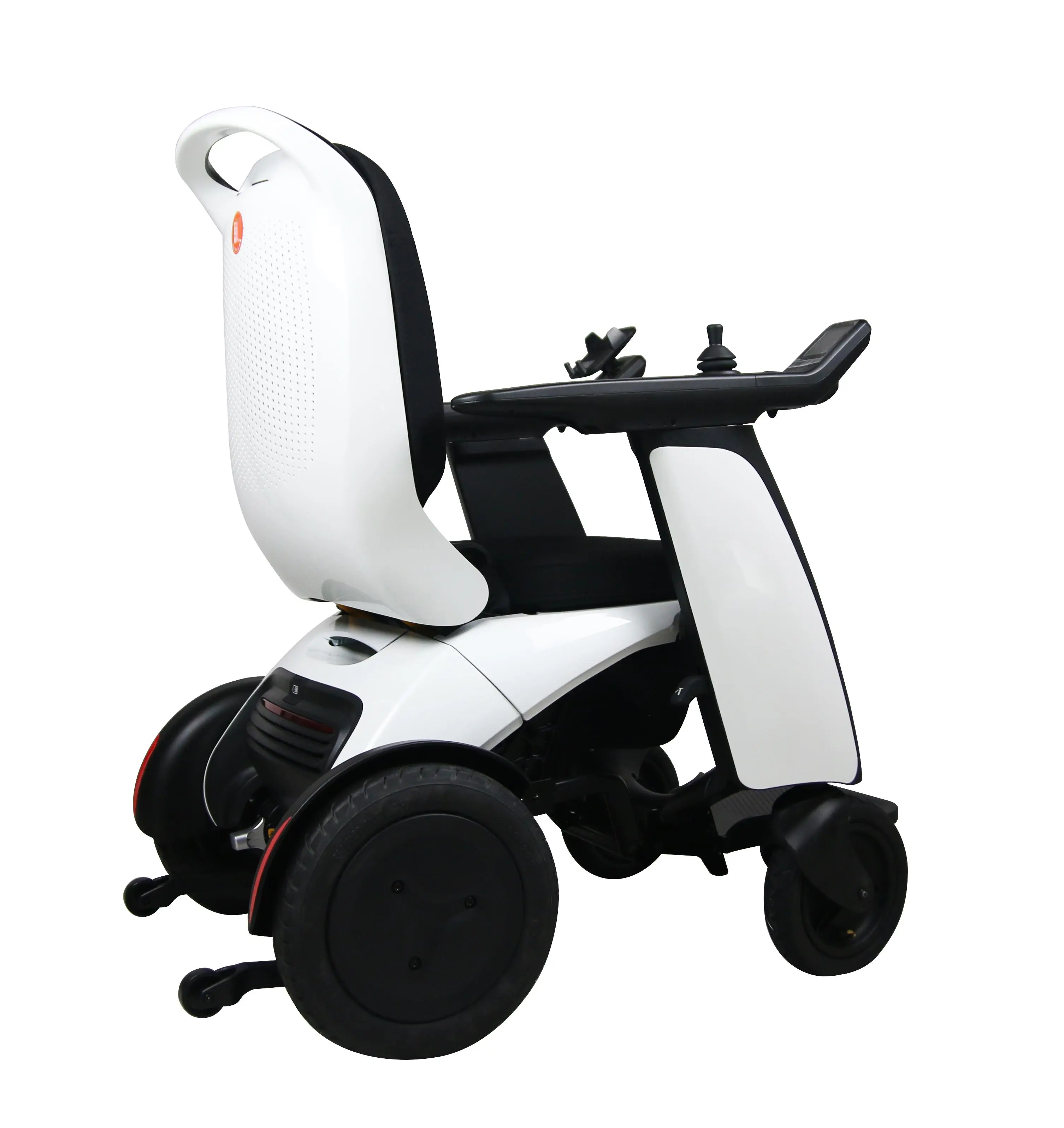
What health conditions allow someone to "walk but still need a wheelchair"?
The following section outlines various reasons why someone might possess the ability to walk yet still require electric or manual wheelchair assistance. Please note that we are not analyzing specific individual cases, but rather describing broad categories of conditions.
1. Individuals with limited stamina or susceptibility to fatigue
Some people can walk, but their bodies cannot sustain prolonged physical activity.
For example:
•Becoming exhausted after walking for just a few minutes
•Lacking the stamina for long-distance movement
•Reduced physical endurance affecting daily mobility
A wheelchair reduces energy expenditure, making daily life more sustainable.
2. Individuals needing to protect joints or minimize pain
For some, pain intensifies with walking—such as:
•Knee pain
•Arthritis
•Fatigue or a sensation of heaviness in the lower limbs
A wheelchair becomes a necessary choice to avoid exacerbating this pain.
3. Individuals with unstable balance or a high risk of falling
Being able to walk does not guarantee safe walking. Some individuals:
•Easily lose their balance
•Are at risk of falling
•Cannot walk steadily in crowded environments
A wheelchair can significantly enhance safety.
4. Individuals with a slow walking pace who cannot meet their daily needs
In settings like public spaces, hospitals, schools, or shopping malls, moving quickly is sometimes necessary. If a person's walking speed is significantly slower than others, an electric or manual wheelchair can actually make movement smoother and more efficient.
5. Individuals with fluctuating conditions
Some people may be able to walk in the morning but lack the stamina by the afternoon; others might feel strong one day and weak the next. Such fluctuations are common, and a wheelchair provides a flexible solution to manage them.
6. Individuals advised to limit standing, though not strictly prohibited from doing so
Patients recovering from illness or managing chronic conditions may need to minimize weight-bearing activities, even if they are not completely unable to walk. A manual or electric wheelchair helps them carry out activities more safely.
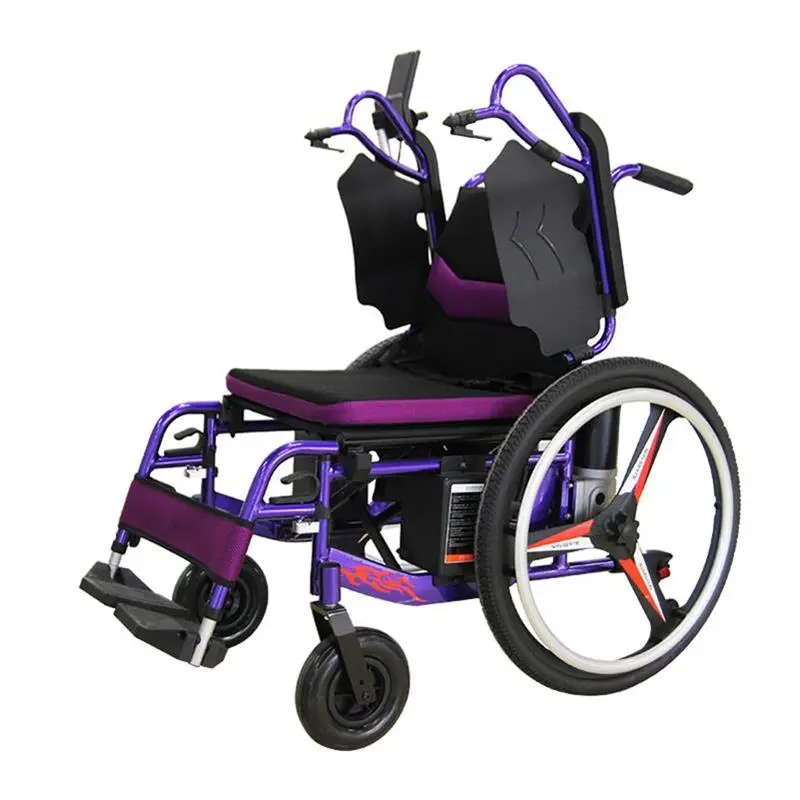
Does using a wheelchair imply a lack of independence? How can using a wheelchair actually improve quality of life?
Many mistakenly believe that "using a manual or electric wheelchair means losing one's freedom," but the reality is often the opposite—wheelchairs enable many people to become more independent, free, and capable of living their lives.
1. Wheelchairs expand the range of activity
Some people can walk but not for long distances; they can stand but not for extended periods.
Wheelchairs allow these individuals to:
•Go shopping
•Go for walks
•Participate in social activities
•Visit the doctor
•Handle daily errands
Without a wheelchair, they might otherwise limit their own activities.
2. Wheelchairs conserve energy
Preserving physical energy is crucial.
Many wheelchair users who are capable of walking independently use an electric or manual wheelchair to avoid exhausting themselves before the day's activities are finished.
For example:
•Using a wheelchair to go out
•Walking briefly at the destination
•Using the wheelchair again to return home
This approach allows for a more stable and manageable daily routine.
3. Wheelchairs help prevent injury
For certain conditions, a single fall can have serious consequences.
Wheelchairs serve as a vital tool for physical safety.
4. Wheelchairs are an aid, not a replacement
Many wheelchair users who can walk independently still need regular exercise and will walk within safe limits; the manual or electric wheelchair simply helps them avoid overexertion.
Why do people misunderstand those who "can walk but use a wheelchair"? How should we view wheelchair users correctly?
Societal stereotypes regarding wheelchairs stem from the past. Common misconceptions include:
•“Using a wheelchair means being completely unable to walk.”
•“Being able to stand and take a few steps means an electric or manual wheelchair isn't needed.”
•“Wheelchair users must have severe disabilities.”
These are all misunderstandings.
A wheelchair is not a sign of "lost function," but rather a tool for "self-protection."
Using a wheelchair does not equate to a loss of ability; instead, it serves to:
•Improve quality of life
•Better protect the body
•Ensure more stable mobility
The right attitude is to:
Respect the needs of every manual or electric wheelchair user and avoid judging their capabilities based solely on appearances.
Why do wheelchair users who can walk independently need to use their wheelchairs frequently?
Many such users adjust their electric or manual wheelchair usage throughout the day based on the situation, due to factors such as:
•Fluctuations in physical fatigue
•Weather conditions (heat or cold affecting joints or muscles)
•The complexity of the walking environment
•Daily activity levels
•Natural fluctuations in their medical condition
Consequently, they:
•Walk when they are able to
•Use the manual or electric wheelchair without hesitation when needed
This is an optimal way to manage their bodies and protect their health.

How do wheelchairs specifically help those who can walk?
In summary, electric or manual wheelchairs provide the following key benefits:
1. Conserve energy for a more sustainable lifestyle
Avoid wasting physical energy on walking.
2. Reduce pain and protect joints or muscles
Stabilize physical condition and alleviate strain.
3. Enhance safety and prevent falls
Particularly beneficial for those with weaker balance.
4. Foster independence and eliminate reliance on others for support
Wheelchairs provide greater autonomy.
5. Make going out possible
Without an electric or manual wheelchair, many people would be unable to carry out daily activities.