
News

  • What needs to be checked before using a patient transfer lifter?
    The following logic can be followed: 1. Check the overall structure of the Patient Transfer Lifter. 2. Confirm the weight capacity. 3. Check the condition of the sling. 4. Confirm that the connecting parts are secure. 5. Test the lifting system. 6. Check the wheels and brakes. 7. Check the safety devices. 8. Confirm the operating environment.
    2026-02-03
    More
  • Patient Transfer Chair and Patient Transfer Lifter: What are the differences?
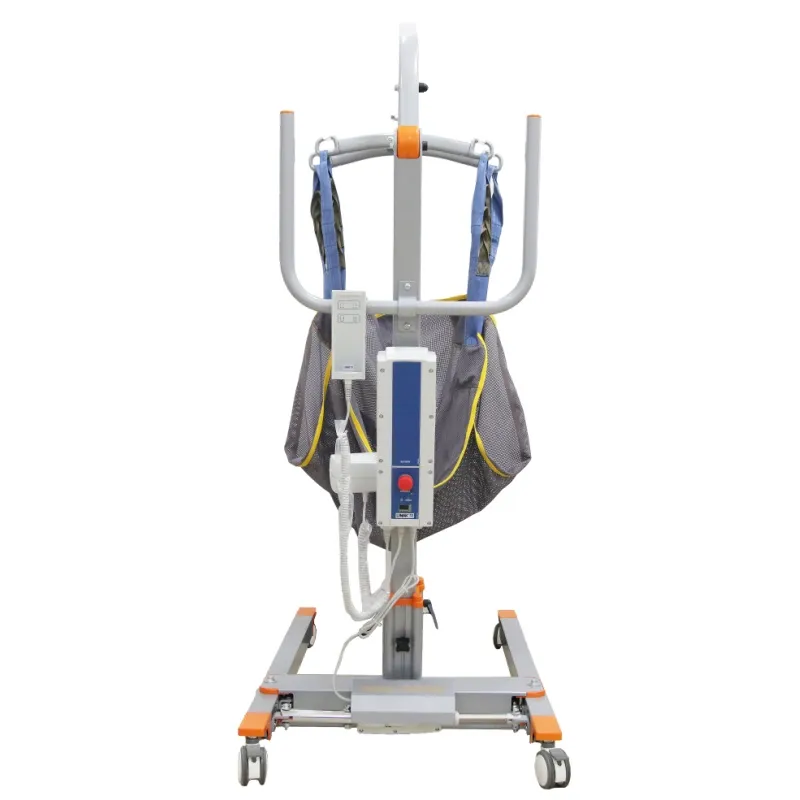
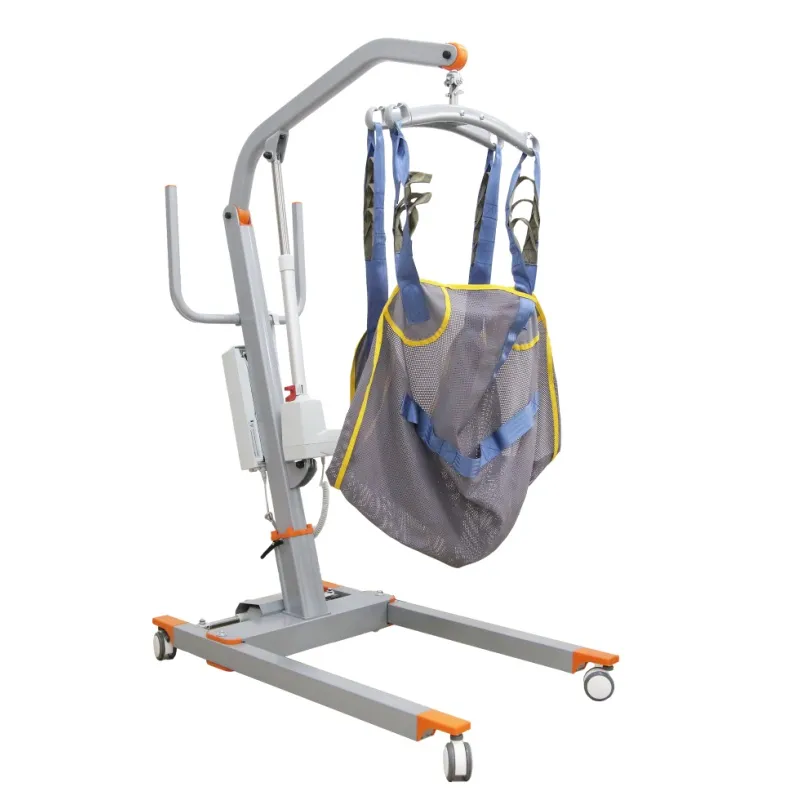
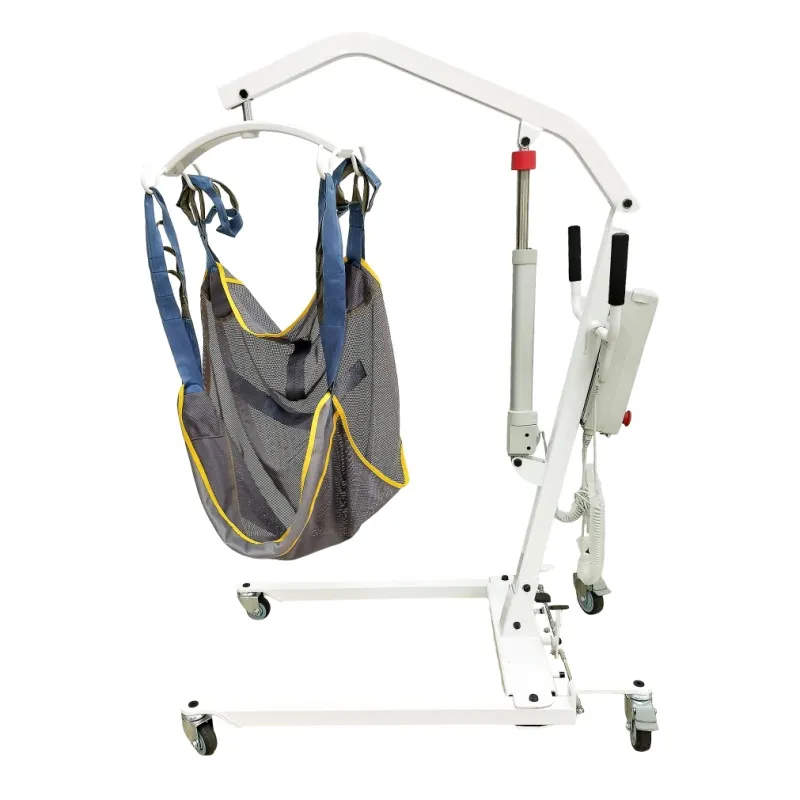
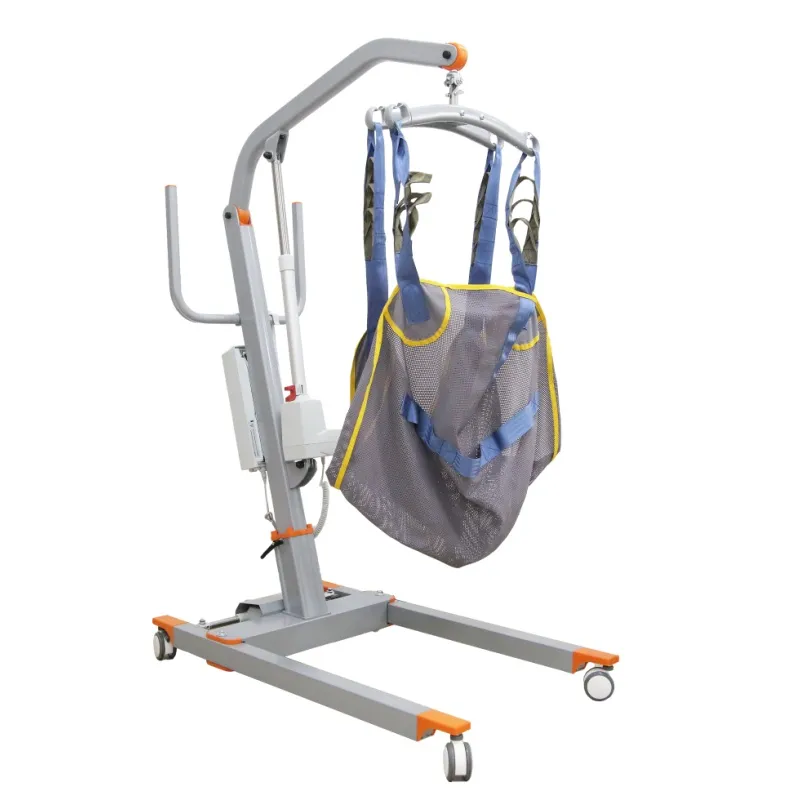
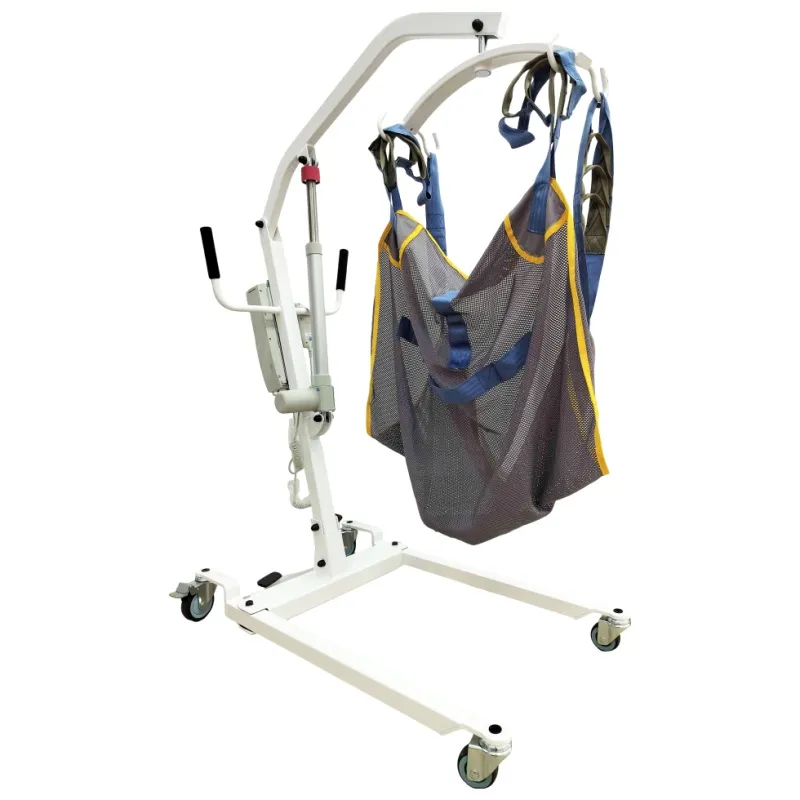
    A patient transfer lifter is often referred to as a "sling-type transfer lifter" or "patient hoist." Unlike a patient transfer chair, a patient transfer lifter uses an electrically or manually driven suspension system to wrap and lift the patient's entire body using a sling.
    2026-01-23
    More
  • What is a Lift Transfer Chair used for?
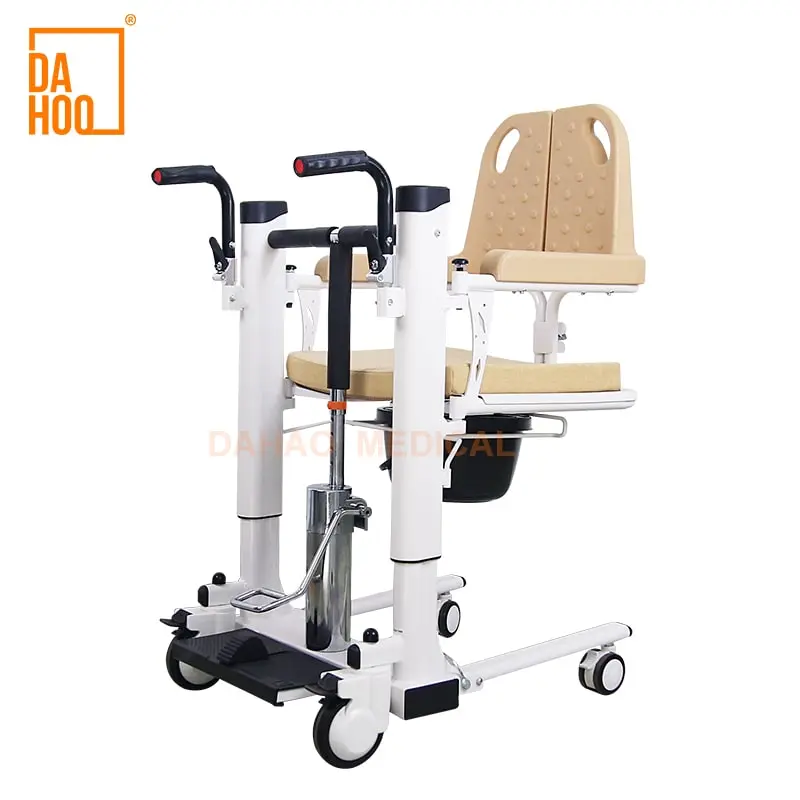
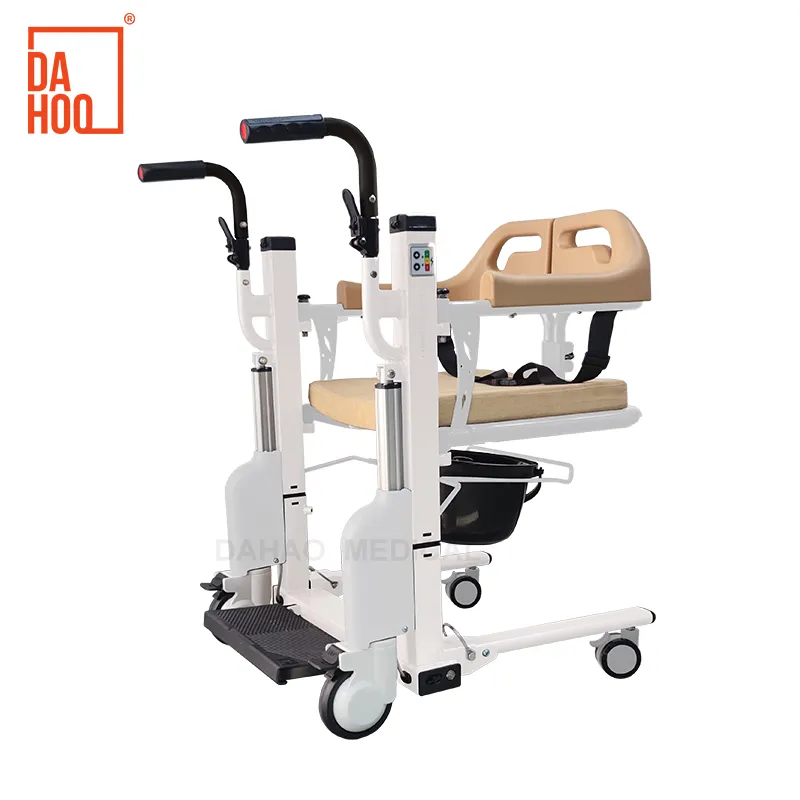
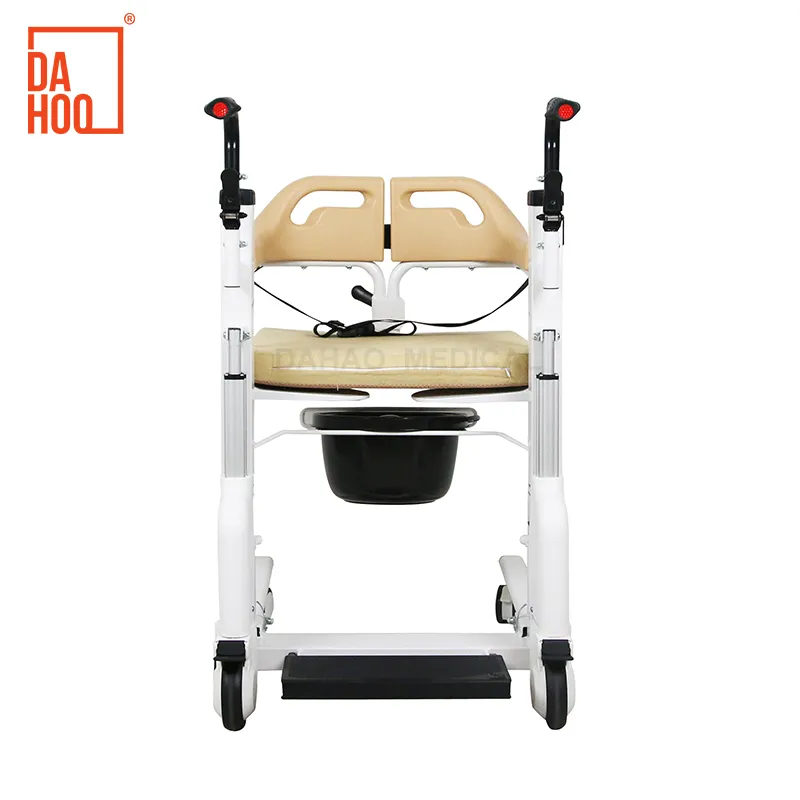
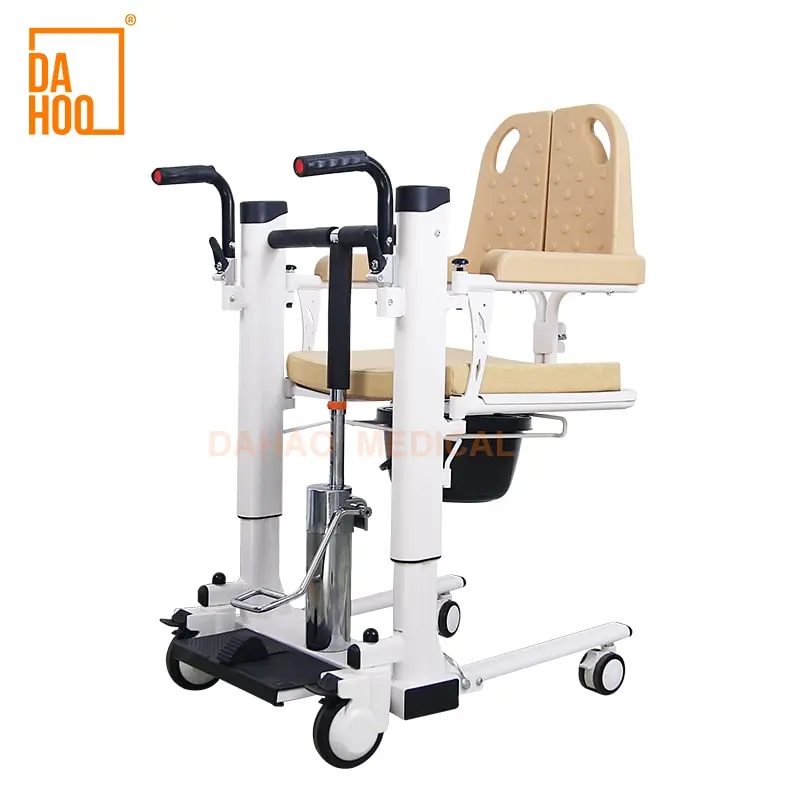
    A lift transfer chair is a professional assistive mobile device designed specifically for people with limited mobility, the elderly, people with disabilities, post-operative patients, and those requiring nursing assistance.
    2026-01-16
    More
  • What should not be done when lifting a patient?
    Before lifting a patient, the following actions are prohibited: • Failure to check that the patient lifter is in normal working order • Failure to confirm that the lifting system is functioning smoothly • Failure to confirm that the base is stable • Failure to confirm that the sling connections are secure
    2026-01-05
    More
  • Is a Lift Transfer Chair a Medical Device?
    Yes, a lift transfer chair falls under the category of medical devices, and it must comply with relevant medical device standards or regulatory requirements in different countries and regions.
    2026-01-01
    More
  • Hydraulic vs. Manual Lift Transfer Chairs: What's the Difference?
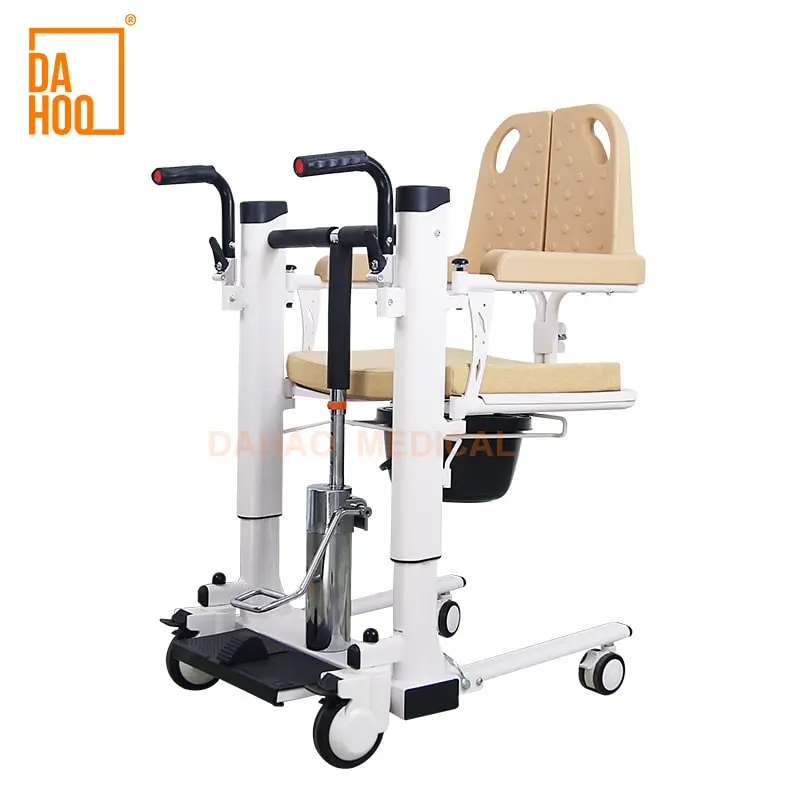
    Hydraulic lift transfer chairs use a hydraulic cylinder as the power core, achieving lifting and lowering through pressure changes in the hydraulic system. Manual chairs typically use a mechanical structure for lifting and lowering. They do not rely on hydraulic or pneumatic pressure, but instead use human power to drive the mechanical structure to raise or lower the seat.
    2025-12-24
    More
  • Can a Lift Transfer Chair Be Used for Toileting?
    Yes. Many height-adjustable transfer chairs have electric or hydraulic lifting systems, allowing caregivers to easily adjust the chair's height to be level with the toilet. This allows patients to sit down and stand up more smoothly and naturally.
    2025-12-12
    More
  • How to Use a Patient Lifter Safely?
    To ensure the patient lifter safely, reliably, and comfortably transfers the patient, nursing staff must: • Be familiar with the equipment's structure • Correctly select and wear the sling • Always maintain slow and steady movements • Observe the patient's physical response • Inspect the equipment and environment before operation
    2025-12-04
    More
  • Does Using a Lift Transfer Chair Benefit Patients?
    Many patients' biggest concern in daily life isn't mobility issues, but rather the risk of slipping, falling, or being excessively lifted during transfers. The core design principle of a lift transfer chair is to ensure patients are: • Safer • More comfortable • Less strenuous • Maintain dignity • Reduced risk of injury
    2025-12-02
    More
  • The Ultimate Guide to Safely Operating a Power Patient Lift.

    Get the latest price? We will reply as soon as possible (within 12 hours)