
News

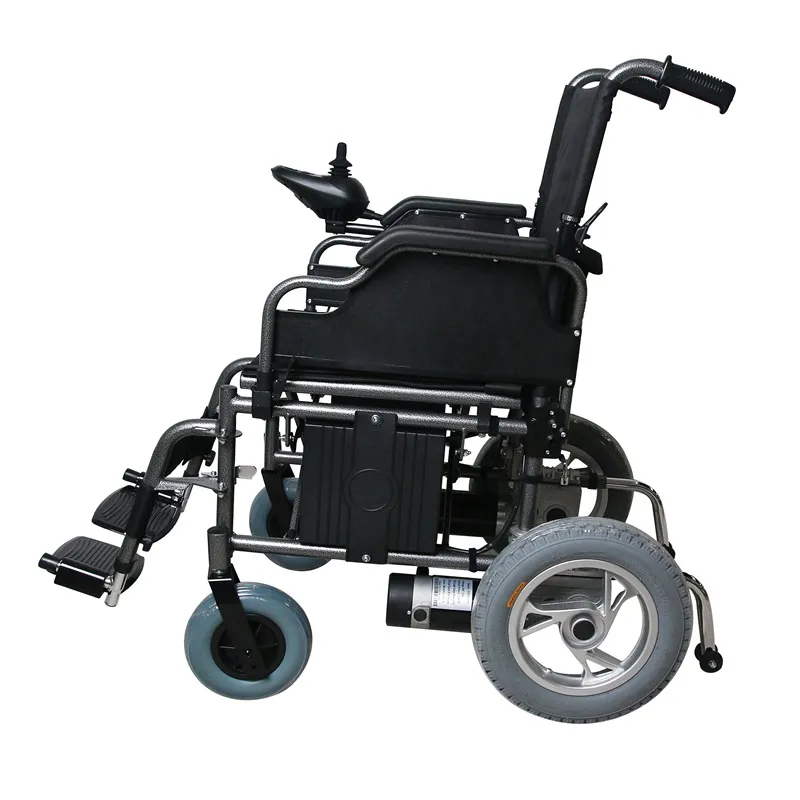
  • How Often Should Lithium-ion Battery-Powered Wheelchairs Be Charged?
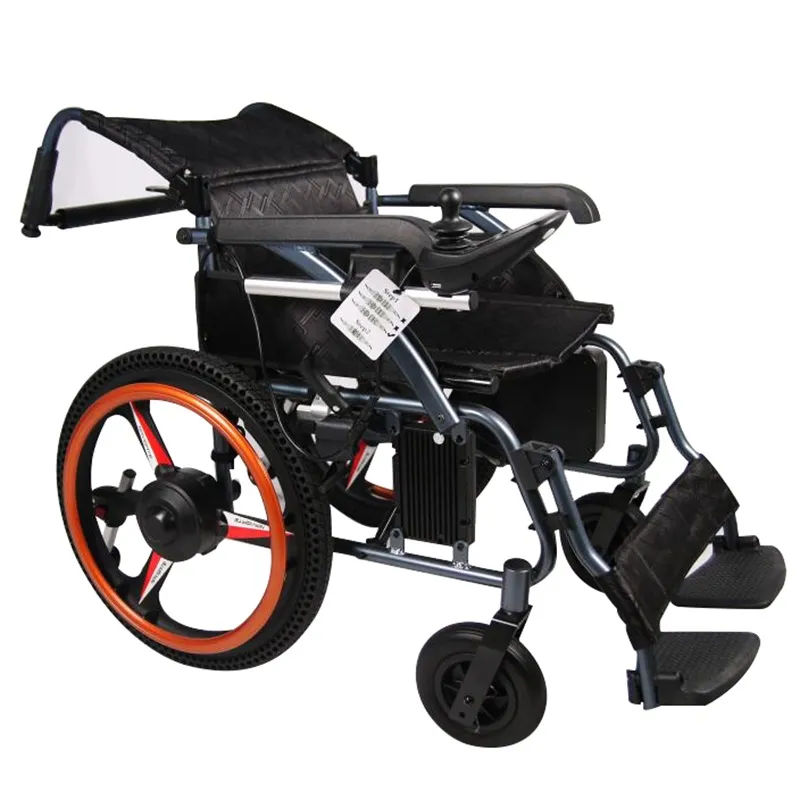
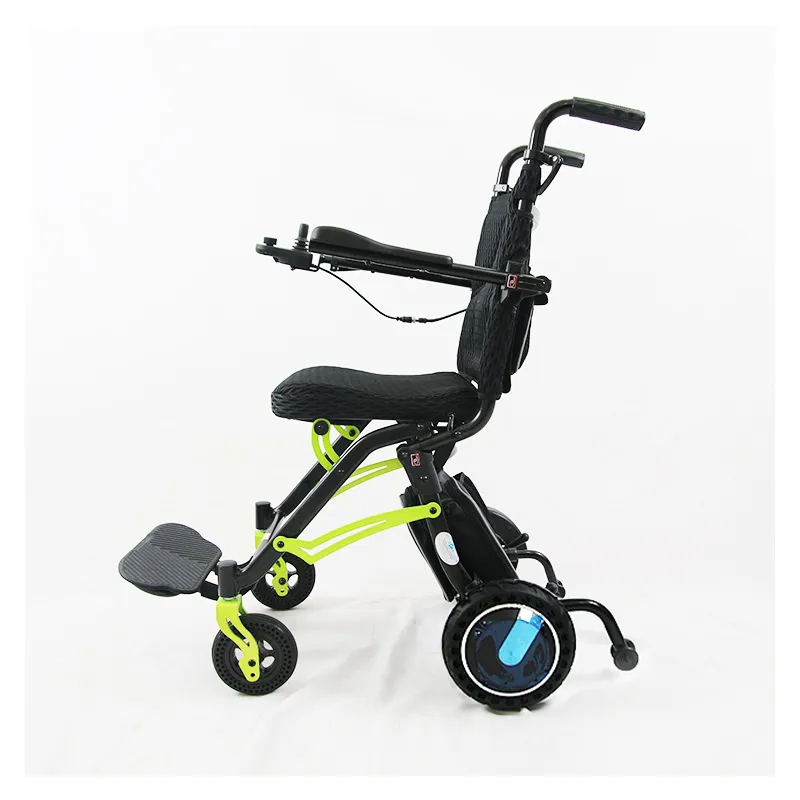
    The most recommended charging frequency for electric wheelchair lithium batteries is: charge once a day, or top up when the charge level is 30%–50%. For lithium batteries, "frequent charging, without waiting until the charge is very low" is the most correct approach.
    2026-02-12
    More
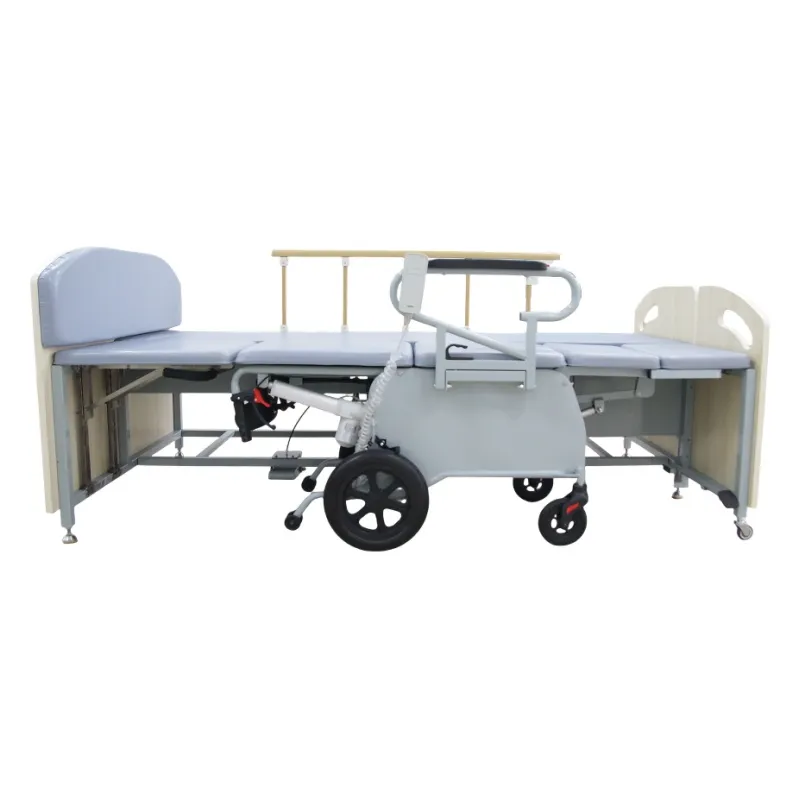
  • Can two people sleep in an electric home care bed?
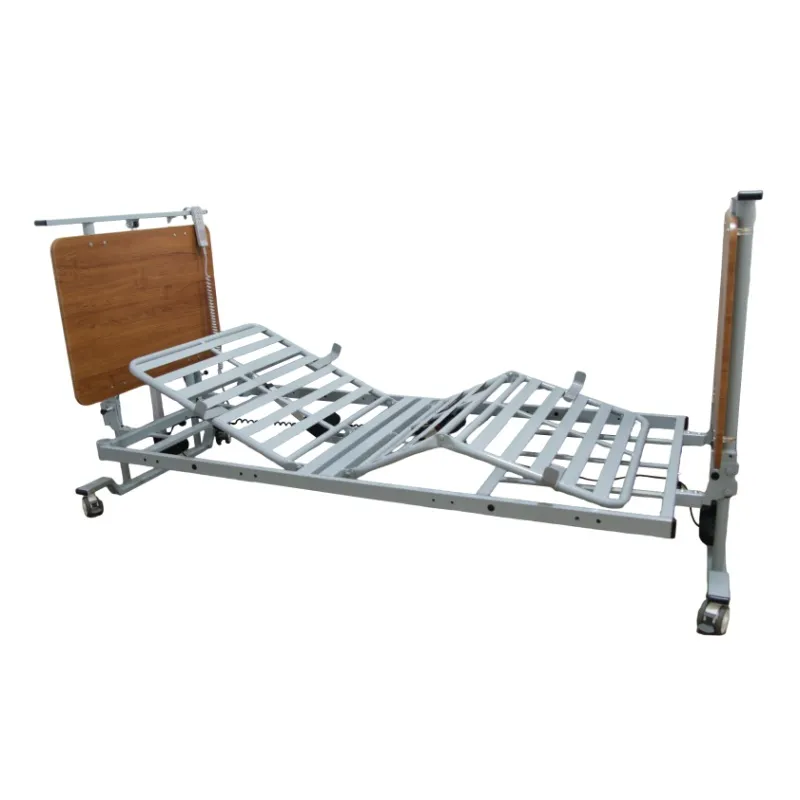
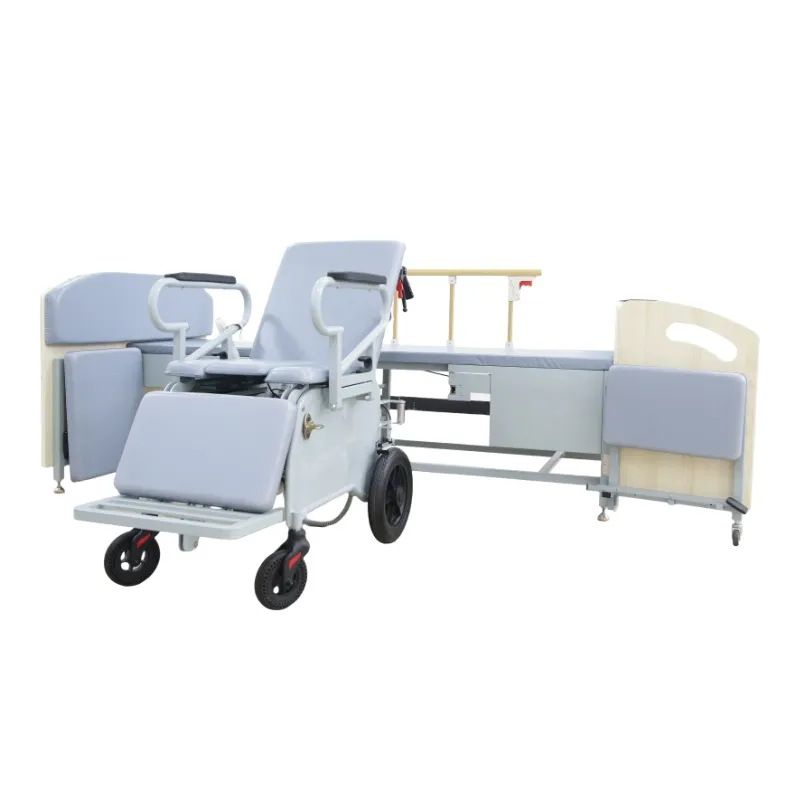
    From the perspectives of structural load-bearing capacity, functional attributes, safety standards, and care purposes, home care beds are only suitable for single-person use and are absolutely unsuitable for two people to sleep in the same bed.
    2026-02-10
    More
  • How Do Bedridden Patients Use the Toilet?
    A portable toilet chair (also called a bedside toilet chair or commode chair) is a toilet assistance device specifically designed for people with limited mobility. Whether at home or in a hospital, the portable toilet chair is the most common and effective toilet assistance tool for caring for bedridden patients.
    2026-02-09
    More
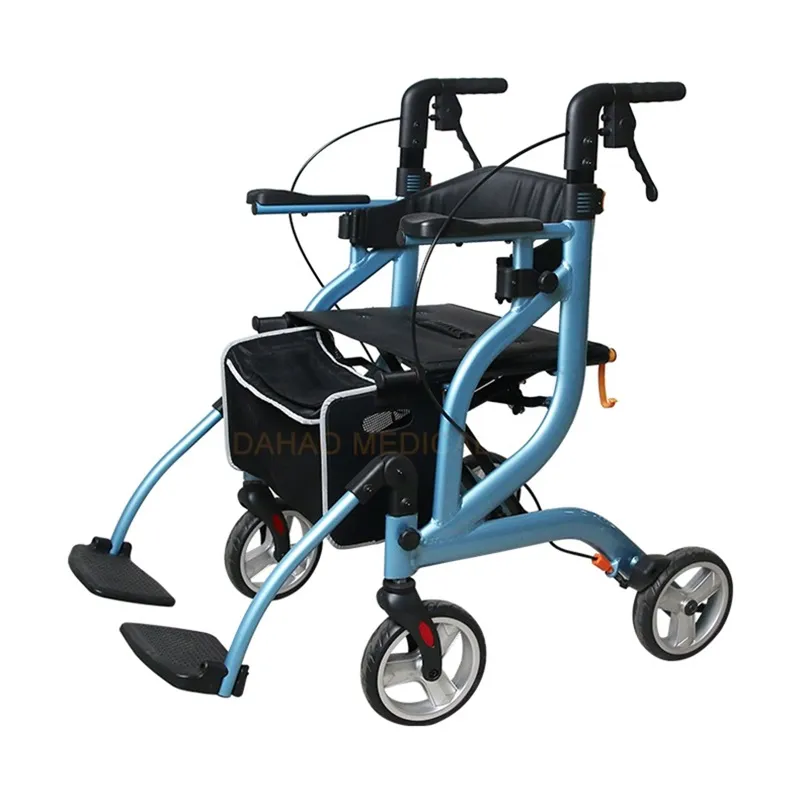
  • 4-Wheel Rollators and Manual Wheelchairs: What's the Difference?
    • 4-wheel rollator: Suitable for people who can walk but are unstable • Manual wheelchair: Suitable for people who cannot walk or stand for extended periods Therefore, the two are not interchangeable, but rather assistive devices suitable for different functional needs.
    2026-02-06
    More
  • How many years do lithium batteries in electric wheelchairs last?
    Compared to traditional lead-acid batteries, lithium batteries have a longer lifespan, typically 2-3 times that of lead-acid batteries. This is one reason why their lifespan data is relatively well-defined. High-quality lithium batteries can typically achieve 800-1200 cycle times, theoretically translating to a daily lifespan of 3-5 years.
    2026-02-05
    More
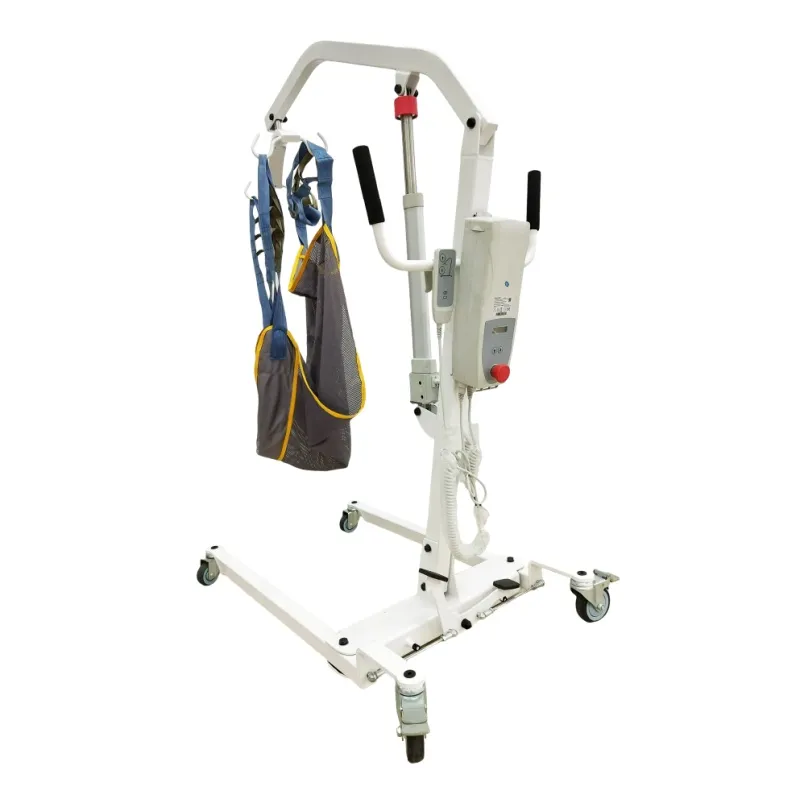
  • What needs to be checked before using a patient transfer lifter?
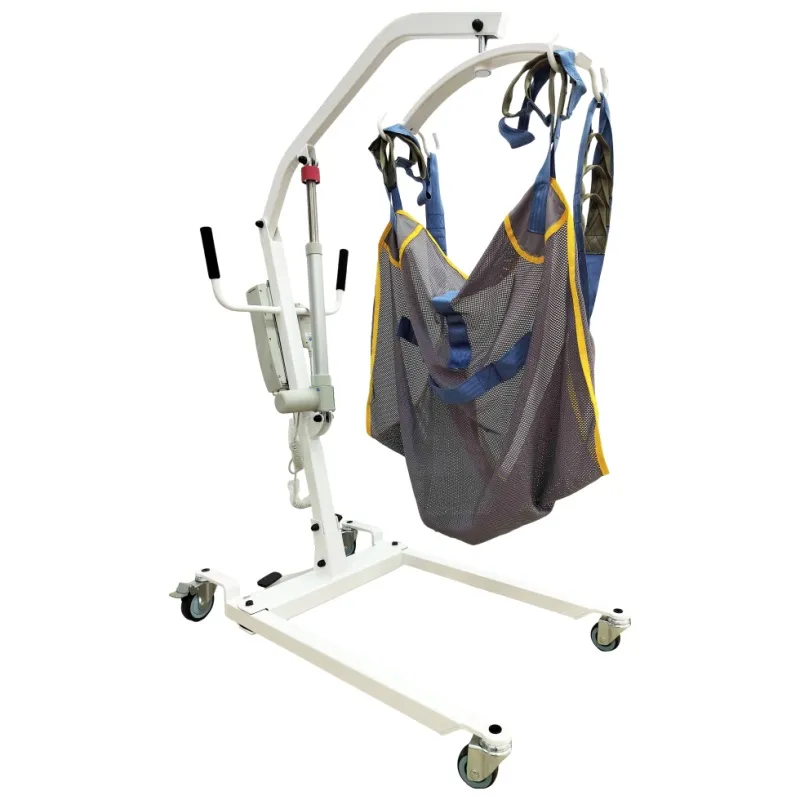
    The following logic can be followed: 1. Check the overall structure of the Patient Transfer Lifter. 2. Confirm the weight capacity. 3. Check the condition of the sling. 4. Confirm that the connecting parts are secure. 5. Test the lifting system. 6. Check the wheels and brakes. 7. Check the safety devices. 8. Confirm the operating environment.
    2026-02-03
    More
  • What are the dimensions of a home care bed?
    Generally, the length of home care beds ranges from 1900mm to 2200mm. The most common length specifications are: • 1900mm (1.9 meters) • 2000mm (2.0 meters) • 2100mm (2.1 meters)
    2026-02-02
    More
  • Which is safer: a 4-wheel rollator or a wheelchair?
    If the user is unable to take steps at all or experiences extreme difficulty, a 4-wheel rollator can no longer provide safe support, and a wheelchair is clearly the safer option.
    2026-01-29
    More
  • Why are Electric Wheelchairs Better Than Mobility Scooters?
    For people with insufficient hand strength, arthritis, muscle weakness, or poor balance, mobility scooters can be difficult to control. Therefore, in terms of ease of control, electric wheelchairs are clearly superior to electric mobility scooters.
    2026-01-27
    More
  • Patient Transfer Chair and Patient Transfer Lifter: What are the differences?
    A patient transfer lifter is often referred to as a "sling-type transfer lifter" or "patient hoist." Unlike a patient transfer chair, a patient transfer lifter uses an electrically or manually driven suspension system to wrap and lift the patient's entire body using a sling.
    2026-01-23
    More

    Get the latest price? We will reply as soon as possible (within 12 hours)