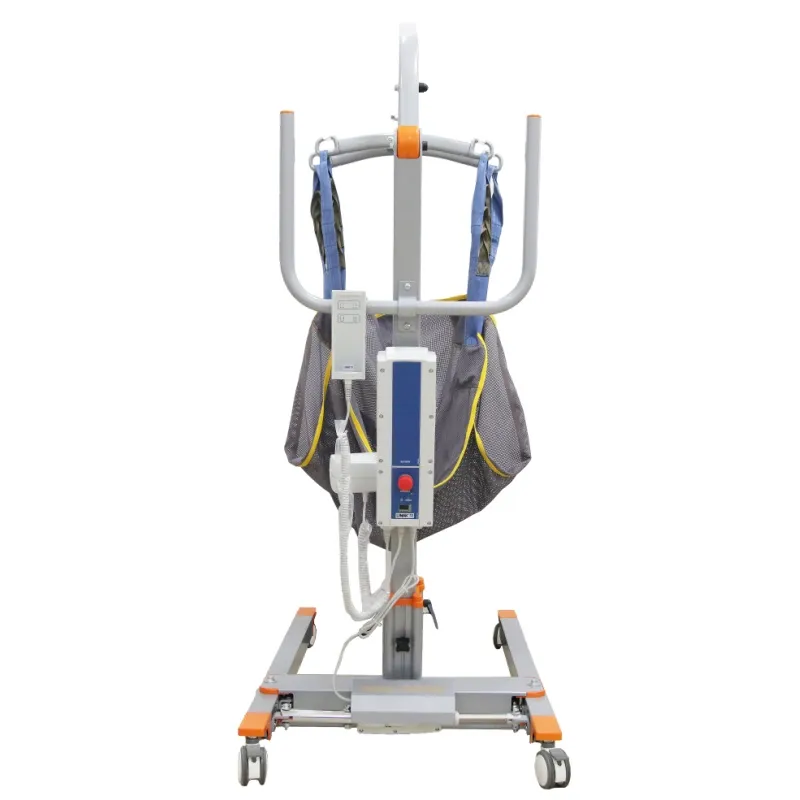
Yes, improper use of a patient lifter can indeed lead to it tipping over.
The core reasons include:
• Overloading
• Improper sling or connection methods
• Unsuitable ground conditions
• Incorrect operating procedures
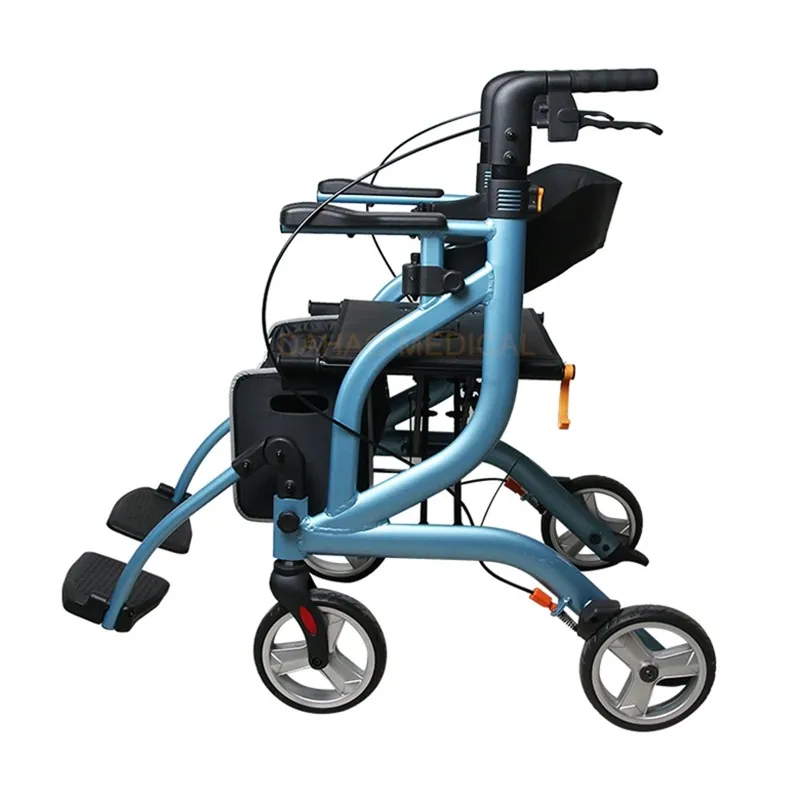
are assistive devices without wheels; the user lifts the aid with each step to move forward. They are much more stable than 4-wheel rollators, especially suitable for people with very poor balance or those just beginning rehabilitation training.
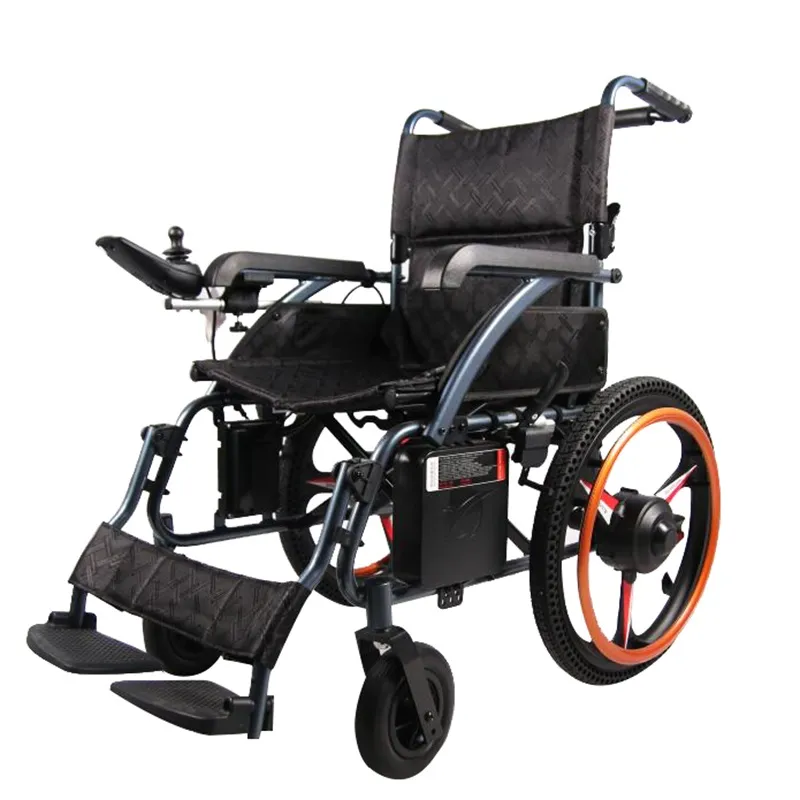
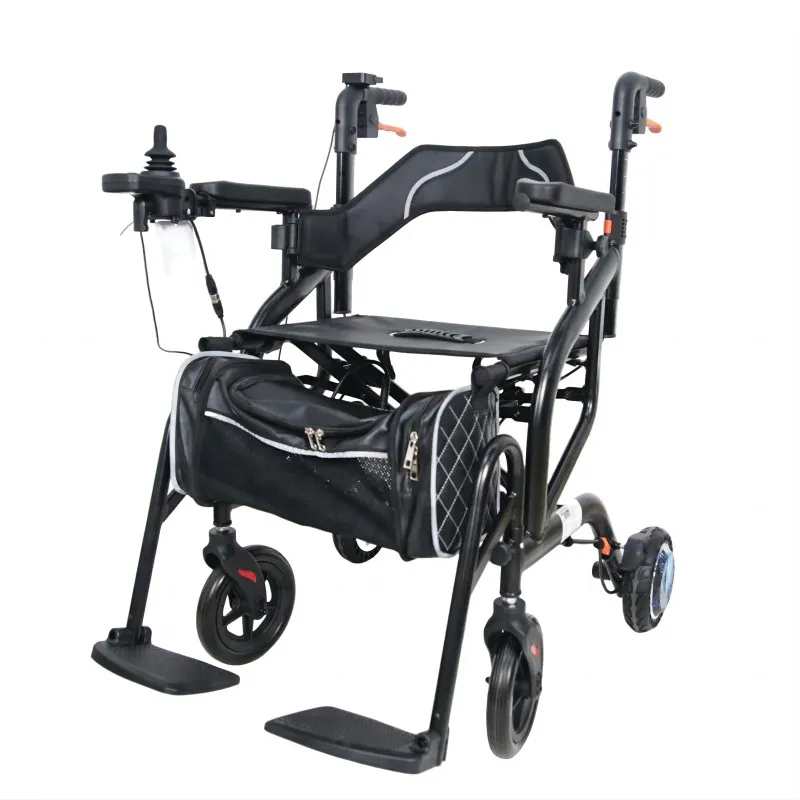
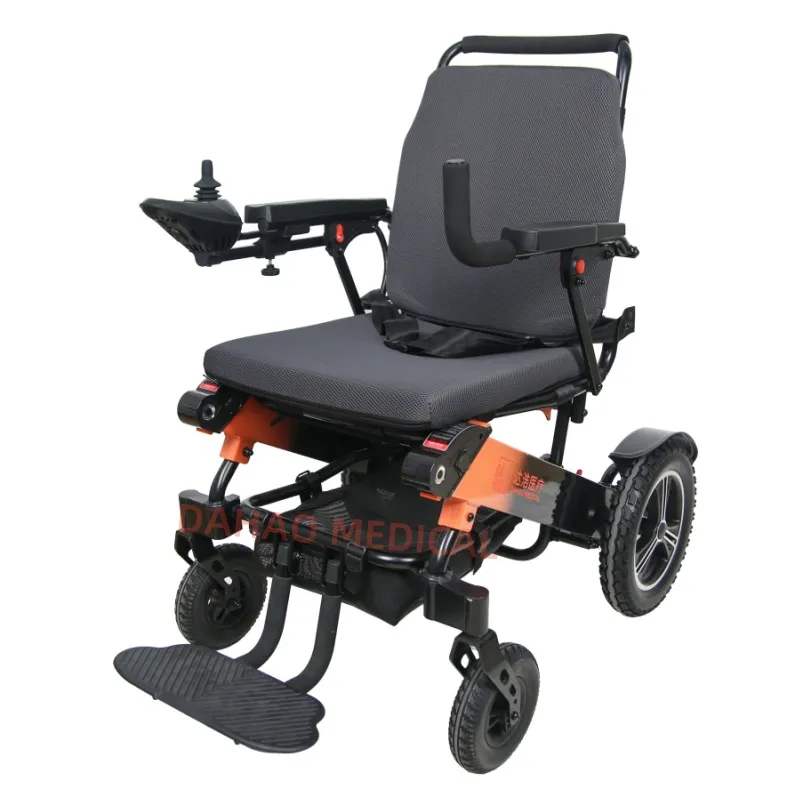
The common size range for standard electric wheelchairs is as follows:
• Overall width: approx. 60–65 cm
• Overall length: approx. 100–110 cm
• Overall height: approx. 90–100 cm
• Seat width: approx. 43–46 cm
• Seat depth: approx. 40–45 cm
• Seat height: approx. 45–50 cm
• Turning radius: approx. 80–100 cm
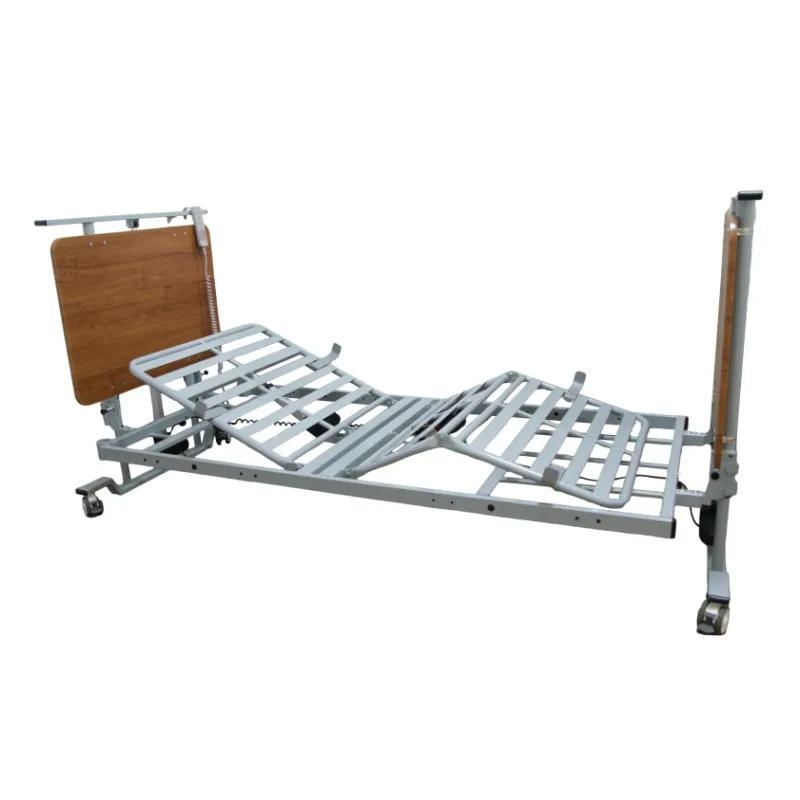
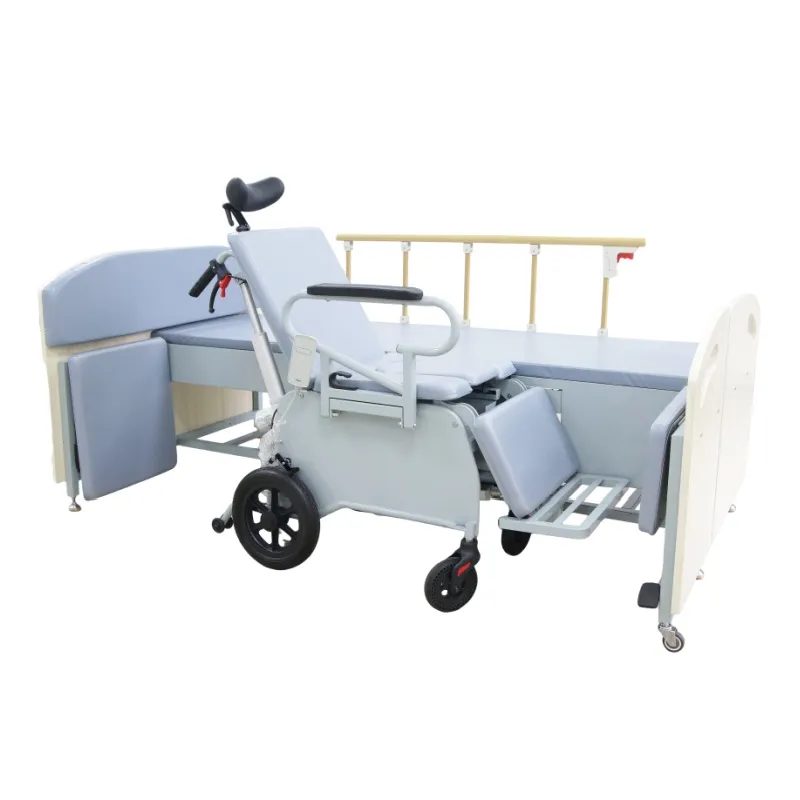
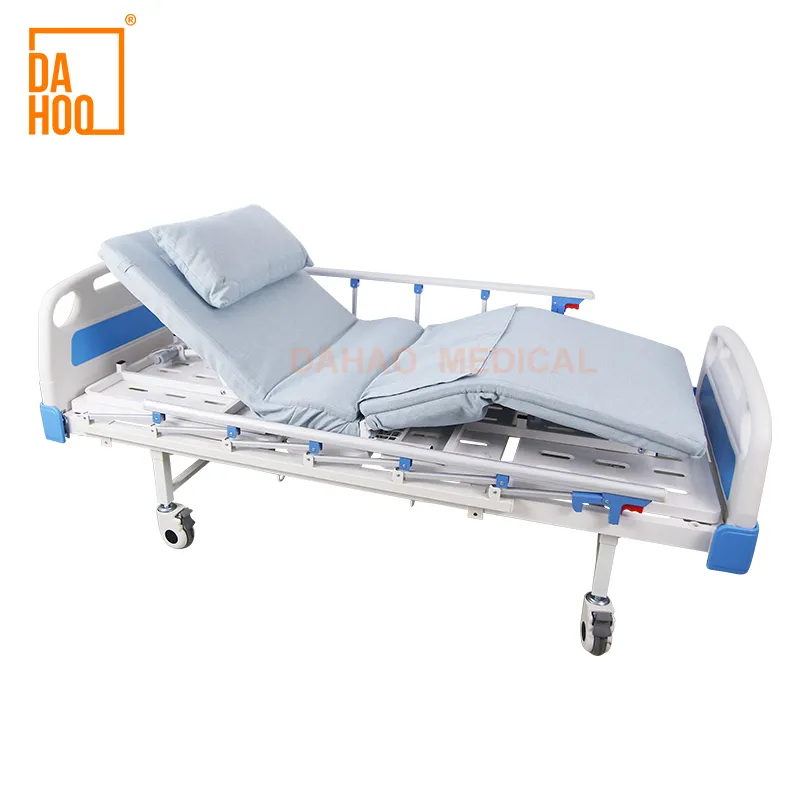
The primary value of an electric nursing bed lies in enabling families to provide near-professional level care even in non-hospital settings. It helps resolve various difficulties encountered during the care process, such as turning, sitting, transferring, cleaning, and preventing falls, making home care more controllable, safe, and easier.
The biggest difference between the two is:
Toilet chair = Fixed toilet assistance device
Toilet wheelchair = Movable toilet and transfer assistance device
Adjustable electric home care beds are suitable for the following groups:
✔ Long-term bedridden individuals
✔ Individuals with limited mobility
✔ Elderly individuals
✔ Post-operative recovery patients
✔ Individuals prone to falls
✔ Individuals needing assistance sitting up
✔ Families with caregivers
✔ Individuals with limited mobility who wish to maintain independence
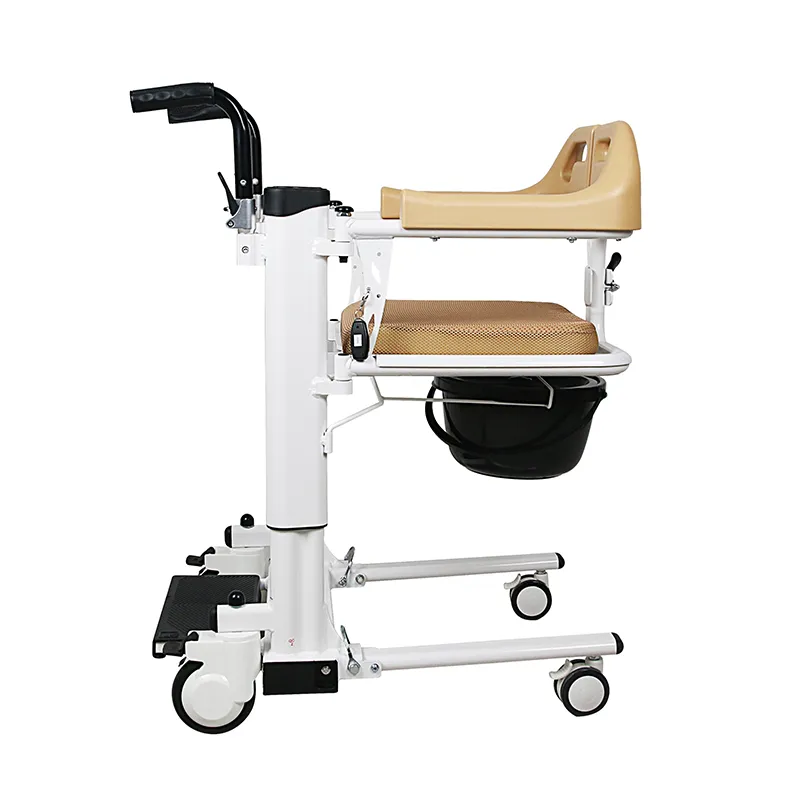
In most cases, an electric lift transfer chair is very suitable for the elderly.
It not only significantly reduces the risks of movement for the elderly but also makes it easier and safer for caregivers to complete transfers.
Key advantages of wheelless walkers:
• Extremely high stability
• Strong safety
• Controllable pace of use
• Strong support
• Simple structure, low learning curve
• Ideal for short-distance indoor use
Key disadvantages of wheelless walkers:
• Requires lifting to move, consuming energy
• Very slow movement speed
• Not suitable for long-distance walking
• Not suitable for complex outdoor terrains
• Prone to compensatory gait
• Difficult to operate when turning or on irregular surfaces
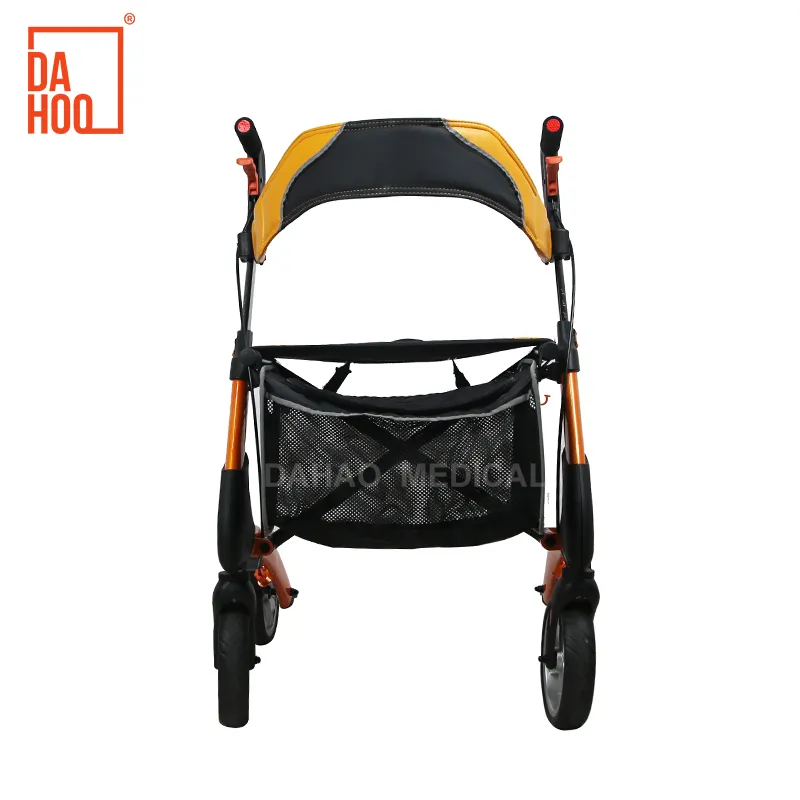
The following situations are unsuitable for using a 4-wheeled walking vehicle:
• Completely dependent on external support when standing
• Unable to maintain upright balance even with legs spread
• Immediately leans forward when letting go
• Significant balance impairment, indicating severe gait instability
Uneven surfaces are among the most common and dangerous road conditions for electric wheelchair use. These include:
• Potholes
• Damaged concrete
• Gravel roads
• Cobblestone roads
• Untreated construction surfaces
• Raised brick paving