

Lithium batteries are one of the most crucial components of modern electric wheelchairs, directly determining their range, power output, and overall user experience. For users planning to buy or currently using electric wheelchairs, the lifespan of a lithium battery is a critical question affecting long-term operating costs, safety, and performance stability.
Generally speaking, a high-quality lithium battery for an electric wheelchair typically lasts 3-5 years, and can even longer with proper maintenance. However, the actual lifespan is influenced by several factors, including usage frequency, charging and discharging habits, storage environment, charger quality, and the energy-consuming structure of the electric wheelchair itself.
This article will focus on the core theme of "How many years do lithium batteries last?", systematically breaking down the factors affecting lifespan, evaluation methods, lifespan extension techniques, and common misconceptions to help you fully understand the durability of lithium batteries in electric wheelchairs.
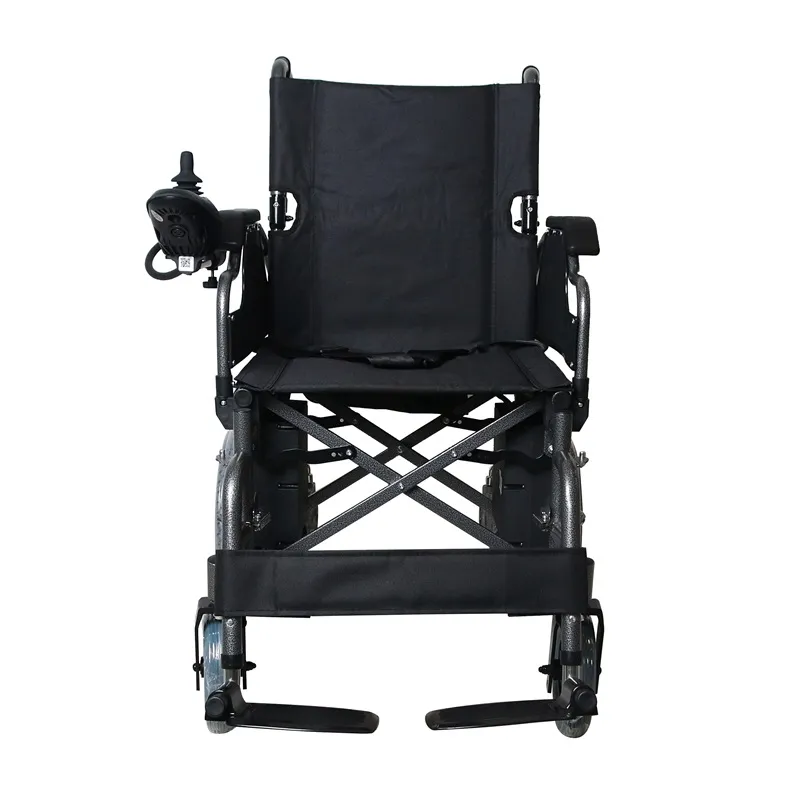
Why do electric wheelchairs commonly use lithium batteries?
To understand how many years lithium batteries in electric wheelchairs can last, it's essential to first understand why lithium batteries have become the mainstream choice in the electric wheelchair industry. Compared to traditional lead-acid batteries, lithium batteries have a longer lifespan, typically 2-3 times that of lead-acid batteries, which is one reason why their lifespan data is relatively well-defined.
The widespread use of lithium batteries in electric wheelchairs is primarily due to the following advantages:
1. Longer Cycle Life
High-quality lithium batteries typically have 800-1200 cycle times, theoretically translating to a daily lifespan of 3-5 years.
2. Higher Energy Density
They can provide longer range with a lighter weight, which is significant for electric wheelchair users who need to be on the go for extended periods.
3. Low Self-Discharge Rate
They experience less energy loss after storage, helping to slow down battery aging.
4. Lower Maintenance Requirements
Unlike lead-acid batteries, they do not require regular electrolyte replenishment or deep discharge, making daily maintenance simpler.
This is why lithium batteries are generally used as a standard reference when discussing the battery life of electric wheelchairs.
How many years can a power wheelchair lithium battery last?
Different power wheelchair brands, lithium battery capacities, and usage habits will all affect the battery's lifespan. However, we can still conduct a professional assessment based on the standard characteristics of lithium batteries.
Generally speaking:
✔ Standard lifespan: 3-5 years
Suitable for most power wheelchair users, this range is achievable under normal charging and usage conditions.
✔ Good use and maintenance: 5 years or more
If the user has good charging habits, stores the battery properly, and uses a moderate load, the lithium battery life will be significantly extended.
✔ Harsh usage conditions: Less than 2 years
Including over-discharge, exposure to direct sunlight, humid environments, and frequent overloading, these conditions will significantly shorten the lifespan.
Therefore, the lifespan of an electric wheelchair lithium battery is not a fixed value, but rather the result of multiple factors.
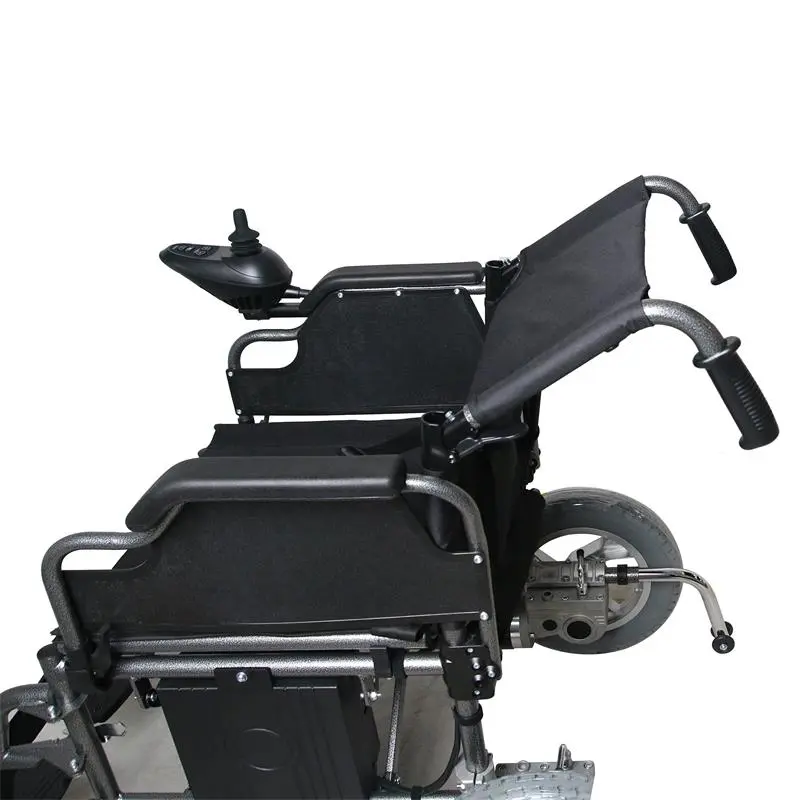
What factors affect the lifespan of an electric wheelchair lithium battery?
The lifespan of an electric wheelchair lithium battery depends primarily on the following six aspects:
1. Usage frequency
Using an electric wheelchair for 2 hours a day differs greatly from using it for 8 hours a day in terms of the number of cycles.
• Frequent use → Faster battery degradation
• Moderate use → More stable lifespan
2. Charging habits
Good charging habits have a profound impact on lifespan.
Incorrect usage methods (such as using the battery until it's completely depleted before recharging) can severely damage lithium batteries.
3. Weight and Load of the Electric Wheelchair
This includes the user's weight, the weight of items, and motor efficiency.
A heavier load → a higher battery discharge depth → a shorter lifespan.
4. Ground Environment
High-resistance surfaces such as uphill slopes, grassy areas, and gravel roads increase energy consumption and accelerate battery wear.
5. Storage and Ambient Temperature
The optimal temperature for lithium batteries is 10°C–30°C.
• High temperatures or direct sunlight → rapid capacity decay
• Extreme cold → reduced release efficiency and increased internal resistance
Prolonged use outside this temperature range will affect battery life.
6. Using the Original Charger
Non-original chargers may cause:
• Unstable voltage
• Overcharging
• Overcharging or undercharging
This will directly damage the lifespan of the electric wheelchair's lithium battery.
What are the professional standards for judging the lifespan of a power wheelchair's lithium battery?
Batteries don't suddenly "break down" one day; their capacity gradually decreases. When you notice the following, it means your battery is nearing the end of its lifespan:
1. Significantly reduced range
For example, from 20 kilometers to 10 kilometers or even less.
2. Faster charging speed
As battery capacity decreases, charging becomes unusually rapid.
3. Abnormal overheating of the battery surface
Increased internal resistance is a clear sign of aging.
4. Fluctuating battery level during use
Sudden drop or instability in battery level while driving.
5. Weakened power in the power wheelchair
Reduced power uphill, weak acceleration.
If any of these symptoms occur, even if the battery is still usable, it indicates that its lifespan is nearing its end and replacement should be considered.
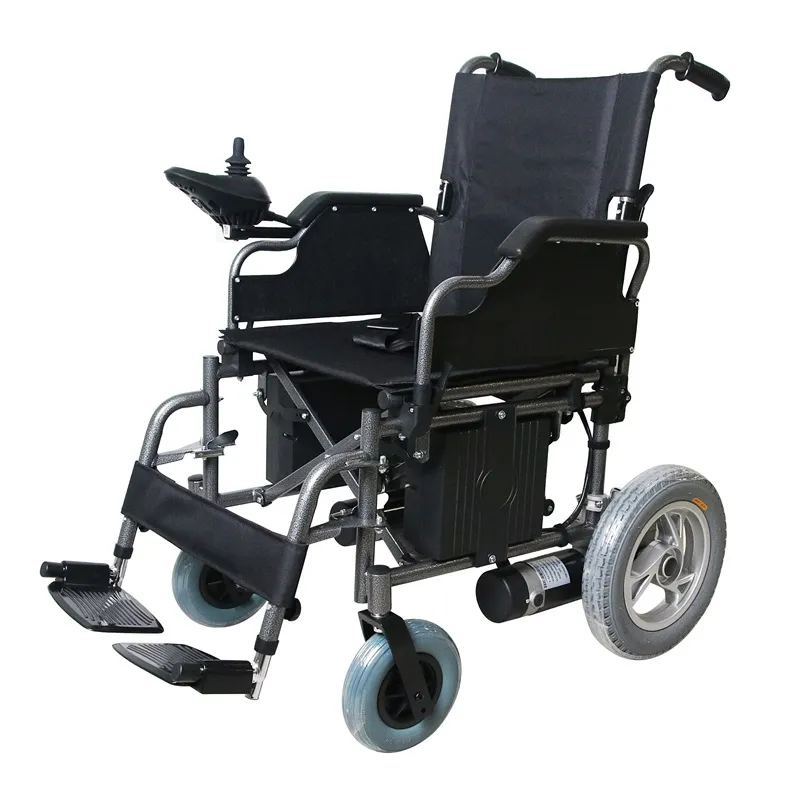
How can you extend the lifespan of a power wheelchair's lithium battery? The Most Practical Maintenance Tips
To extend the lifespan of your power wheelchair's lithium battery, consider the following:
1. Avoid deep discharge (using it until it's completely depleted)
Lithium batteries are most vulnerable to deep discharge. Recommendations:
• Charge when the battery level is around 20%.
• Don't completely deplete the battery before charging.
2. Recharge daily as needed
Ideally, use only what you need.
3. Avoid charging or storing in high-temperature environments
Including:
• Leaving the power wheelchair in direct sunlight for extended periods during summer.
• Storing the battery in environments above 40°C.
4. Use the original charger
Ensure voltage and current matching to avoid damaging the battery structure.
5. Avoid frequent overloading
Overloading not only damages the power wheelchair motor but also accelerates battery degradation.
6. Maintain 50%–60% charge when not in use for extended periods
If the power wheelchair is not used for a long time, charge it once a month.
7. Keep the battery interface clean
Dust or loose wires increase resistance and heat.
Can a power wheelchair's lithium battery continue to be used after it has aged?
The answer is: Yes, it can continue to be used, but its performance will decline.
Characteristics of an aging battery:
• Reduced battery life
• Insufficient power
• More frequent charging
If the degradation is only mild, the user can still use the power wheelchair for short distances. However, if the following occurs, it must be replaced:
• Battery bulging
• Abnormal overheating during charging
• The power wheelchair cannot start normally
• Battery life reduced by more than 70%
Long-term use of severely aged batteries is not only inconvenient but may also pose safety risks, so it is not recommended to force their use.
What issues should be considered when replacing a power wheelchair's lithium battery?
When replacing the battery, the following points are crucial:
1. You must choose an original or compatible model
The voltage and interface must be completely identical; otherwise, it may damage the power wheelchair's motor or main control system.
2. Do not choose cheap, uncertified batteries
Poor-quality batteries have short lifespans and may even pose safety issues.
3. Choose the capacity based on your usage
Larger capacity:
• Longer battery life
• Easier usage cycle
• Lower depth of discharge → Longer lifespan
4. Have a professional install it
Avoid short circuits caused by incorrect wiring.
Why is there such a big difference in how many years power wheelchair lithium batteries last among different users?
This is a question many people are curious about. Even with the same power wheelchair, some people use it for 5 years without problems, while others need to replace it after only a year and a half.
The main reason lies in differences in usage habits and environment:
• Frequent uphill climbing
• Heavier weight
• Daily use
• Frequent forgetting to charge
• Exposed to direct sunlight
• Overloading
Therefore, even for the same model of electric wheelchair, the battery life of different users can vary significantly.
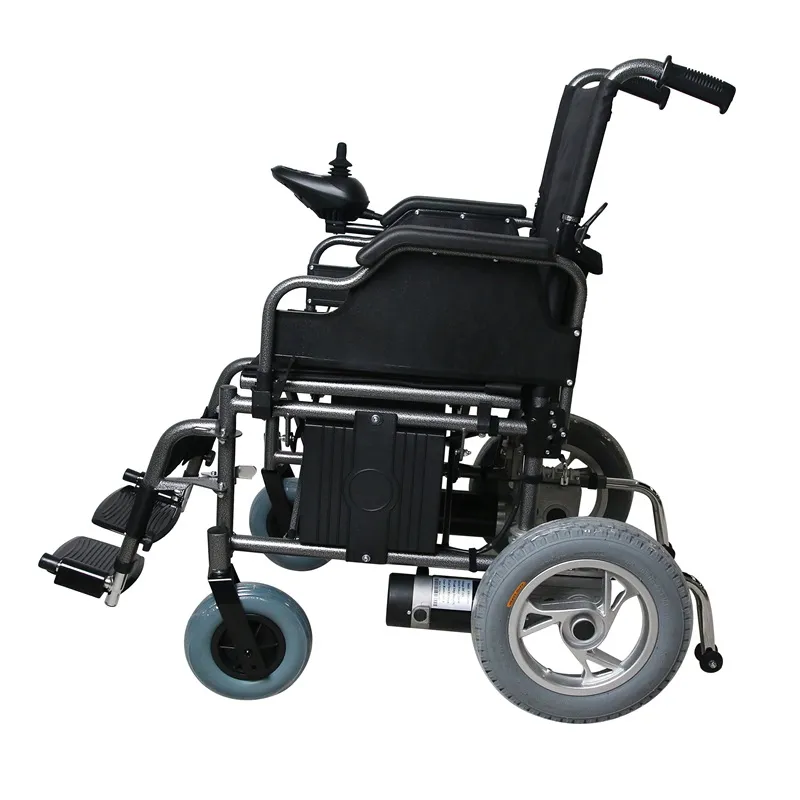
Is the lifespan of an electric wheelchair lithium battery related to its range?
Yes, but they are not directly equivalent.
• Larger capacity batteries tend to have a longer lifespan under the same usage habits.
• Because of shallower depth of discharge and slower cycle count.
• Better battery life → less daily stress on the battery → better lifespan.
Therefore, a larger capacity lithium battery not only has a longer battery life but also tends to have a longer lifespan.
Electric Wheelchair Lithium Batteries Generally Last 3–5 Years, and Can Last Even Longer with Proper Maintenance
✔ Electric wheelchair lithium batteries typically last 3–5 years.
This is the most common and reasonable lifespan range.
✔ With proper maintenance, they can last more than 5 years.
Especially if used infrequently.
✔ Improper use may require replacement in less than 2 years.
For example, exposure to direct sunlight, deep discharge, overloading, etc.
✔ Battery life depends on user habits and environment.
Not a single factor.
Choosing a high-quality lithium battery and paying attention to proper maintenance will keep your power wheelchair in optimal condition in daily life and extend battery life.
Can I find Dahao Medical products in my local area?
Dahao Medical’s products are available through a network of authorized distributors worldwide. We have established partnerships with distributors in various regions, including North America, Europe, and Asia. To find a distributor near you, please visit our website or contact our customer service team for more information. We also offer direct sales through our online platform, allowing customers to purchase directly from the manufacturer for convenience and cost-effectiveness.