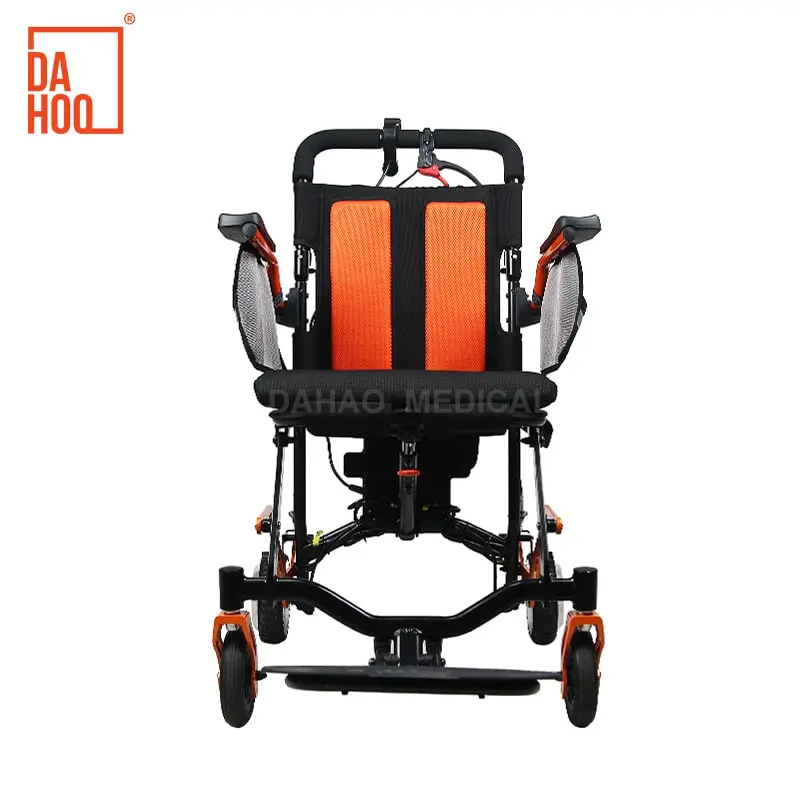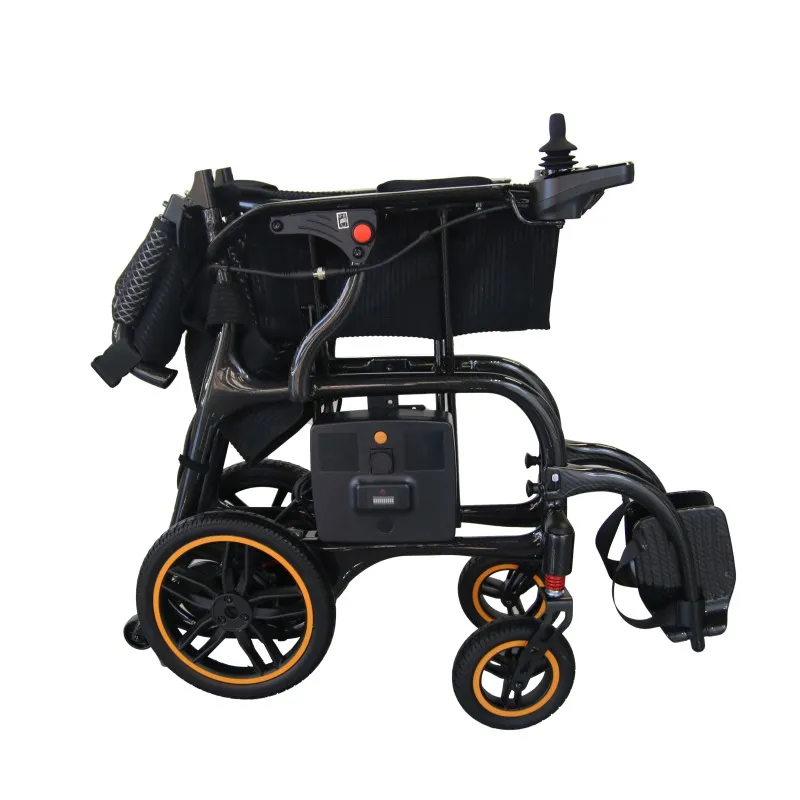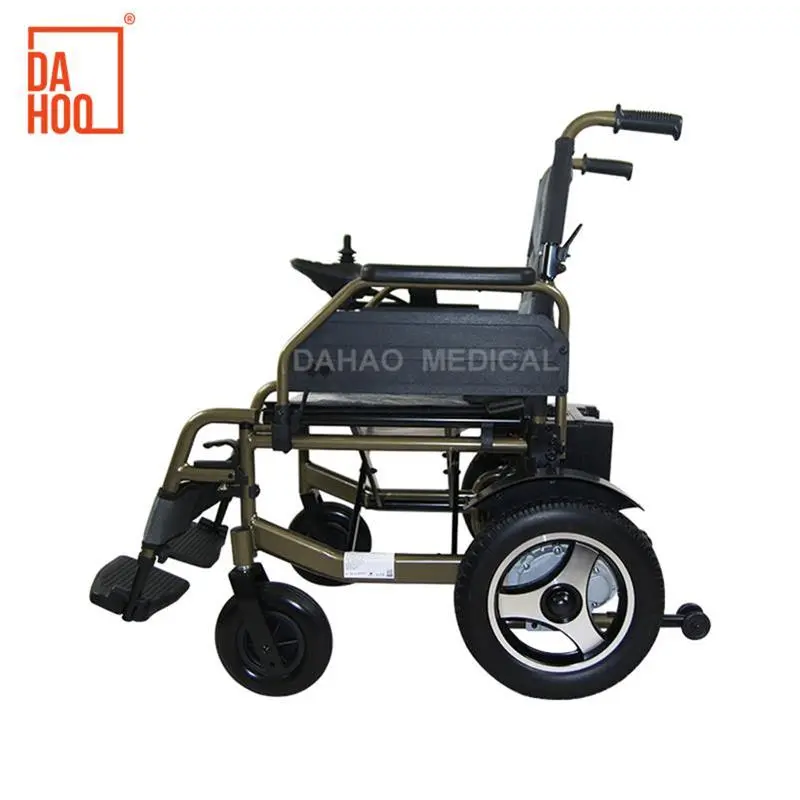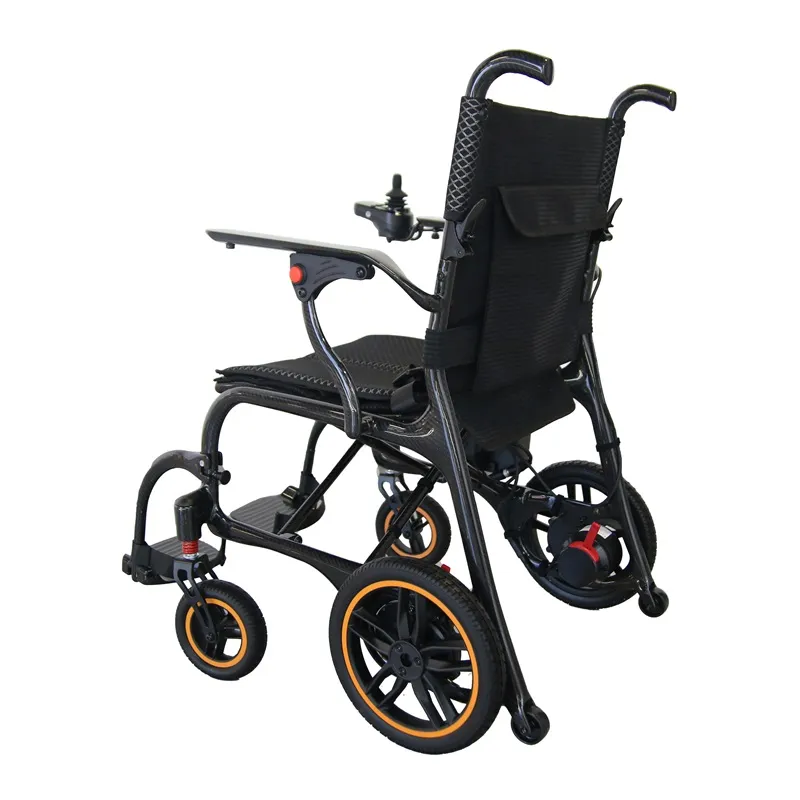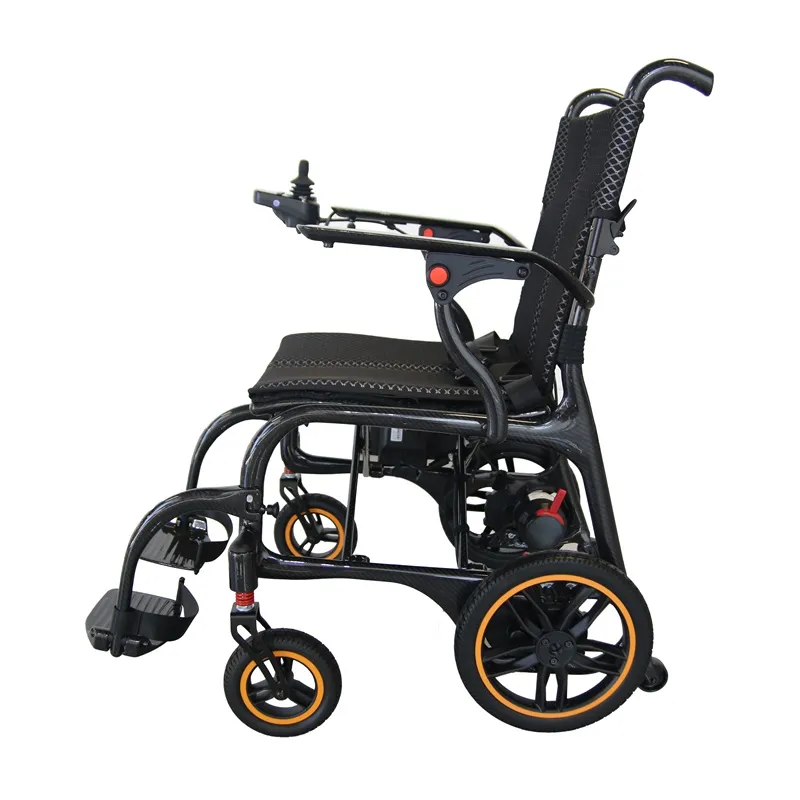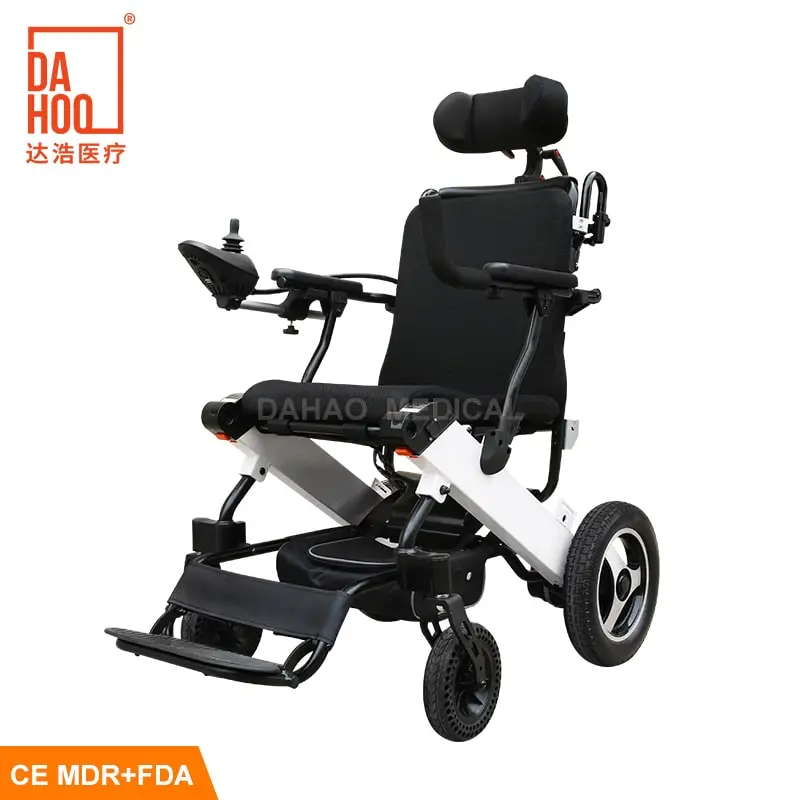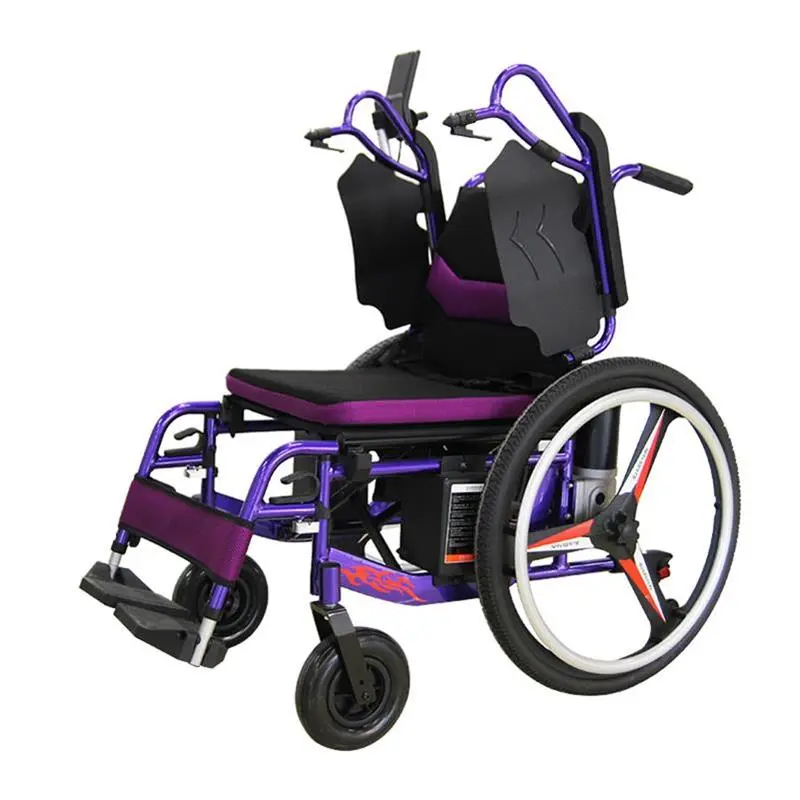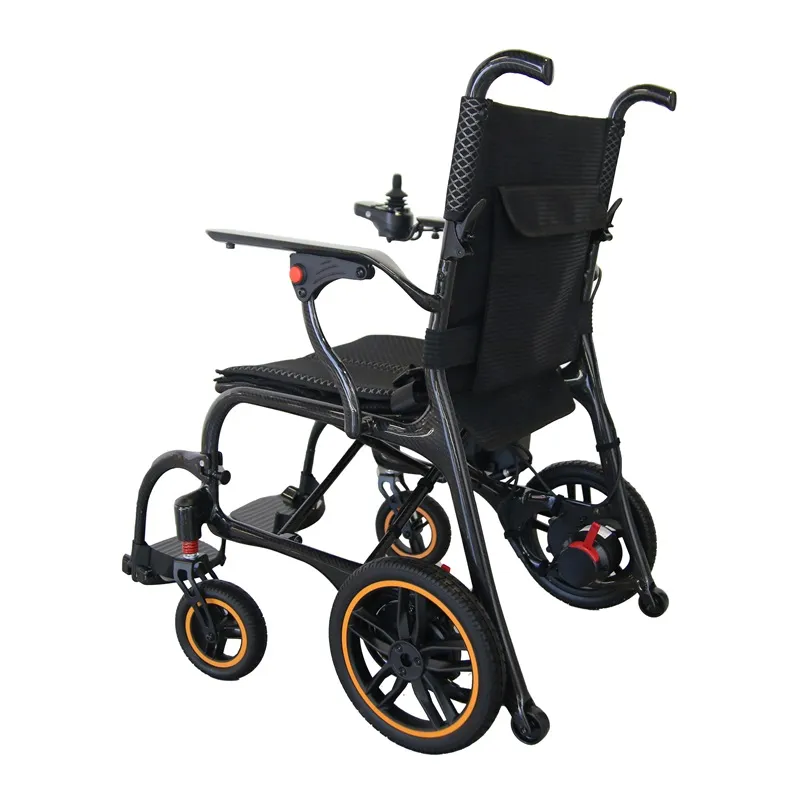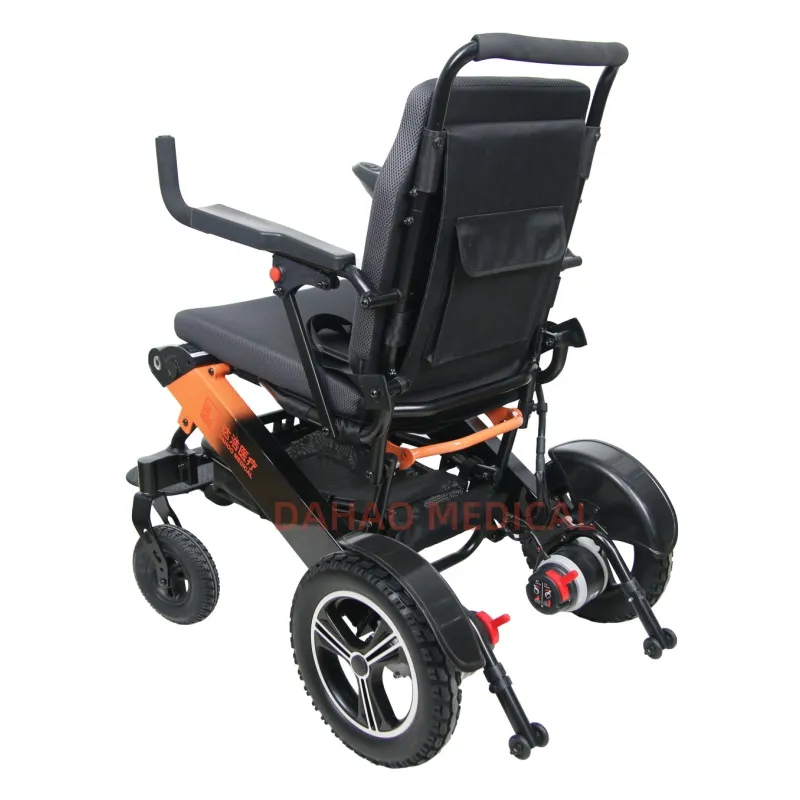

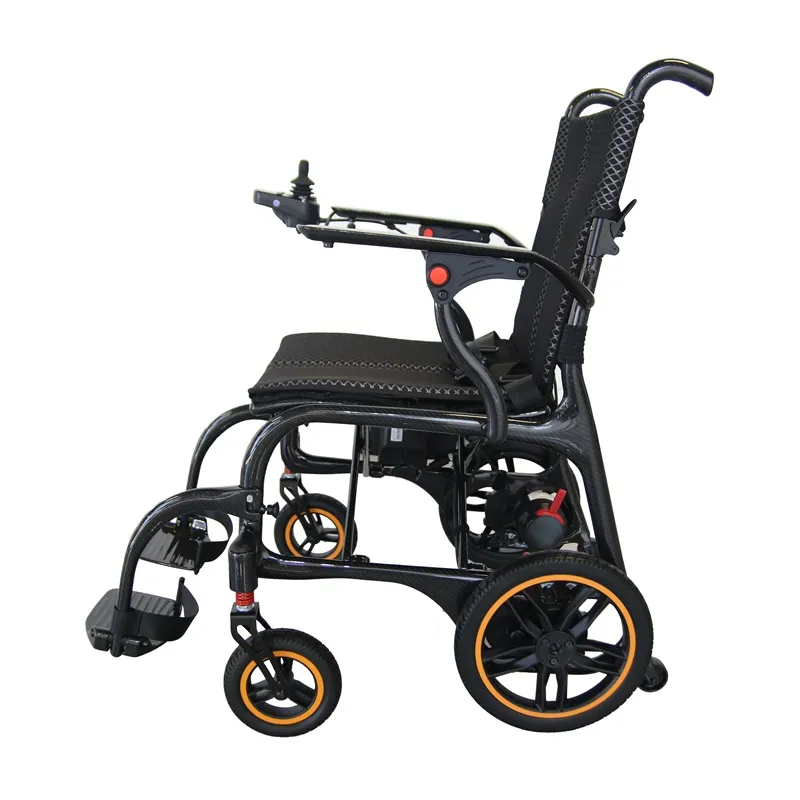
For individuals with limited mobility, insufficient upper limb strength, or who require frequent movement, electric wheelchairs are generally a more worthwhile purchase in terms of functionality.
The common size range for standard electric wheelchairs is as follows:
• Overall width: approx. 60–65 cm
• Overall length: approx. 100–110 cm
• Overall height: approx. 90–100 cm
• Seat width: approx. 43–46 cm
• Seat depth: approx. 40–45 cm
• Seat height: approx. 45–50 cm
• Turning radius: approx. 80–100 cm
The biggest difference between the two is:
Toilet chair = Fixed toilet assistance device
Toilet wheelchair = Movable toilet and transfer assistance device
Uneven surfaces are among the most common and dangerous road conditions for electric wheelchair use. These include:
• Potholes
• Damaged concrete
• Gravel roads
• Cobblestone roads
• Untreated construction surfaces
• Raised brick paving
The most recommended charging frequency for electric wheelchair lithium batteries is: charge once a day, or top up when the charge level is 30%–50%.
For lithium batteries, "frequent charging, without waiting until the charge is very low" is the most correct approach.
• 4-wheel rollator: Suitable for people who can walk but are unstable
• Manual wheelchair: Suitable for people who cannot walk or stand for extended periods
Therefore, the two are not interchangeable, but rather assistive devices suitable for different functional needs.
Compared to traditional lead-acid batteries, lithium batteries have a longer lifespan, typically 2-3 times that of lead-acid batteries. This is one reason why their lifespan data is relatively well-defined.
High-quality lithium batteries can typically achieve 800-1200 cycle times, theoretically translating to a daily lifespan of 3-5 years.
For people with insufficient hand strength, arthritis, muscle weakness, or poor balance, mobility scooters can be difficult to control. Therefore, in terms of ease of control, electric wheelchairs are clearly superior to electric mobility scooters.
Considering the characteristics of lithium batteries and practical usage needs, the most reasonable charging range for most electric wheelchair users is usually:
80%–90%
Yes. You can bring a lightweight electric wheelchair on a plane, but you must check the airline's specific regulations in advance and follow the rules regarding lithium batteries, security procedures, check-in procedures, and cargo hold storage.