Absolutely not!
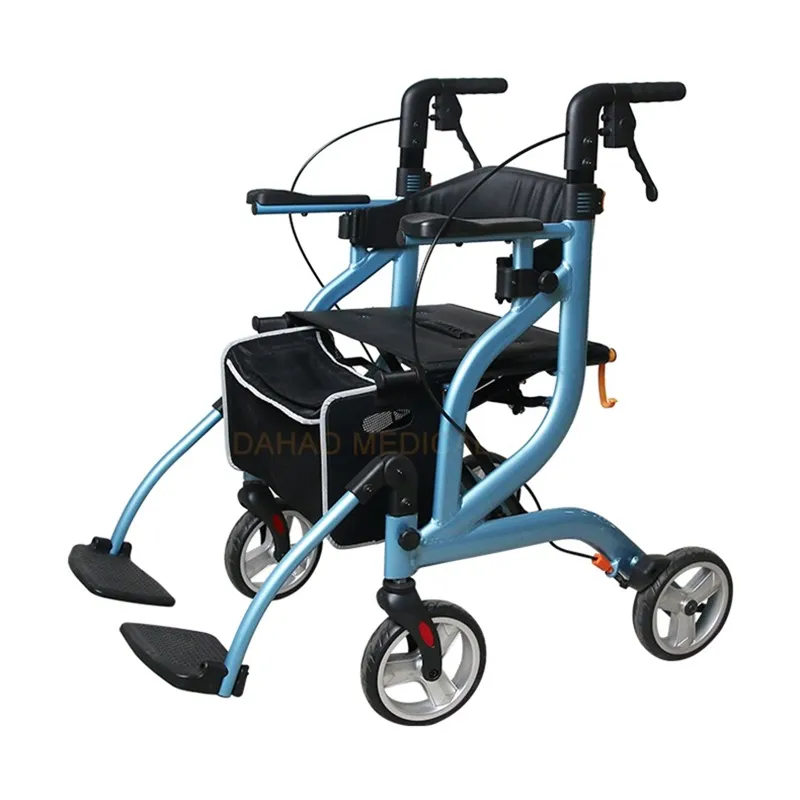
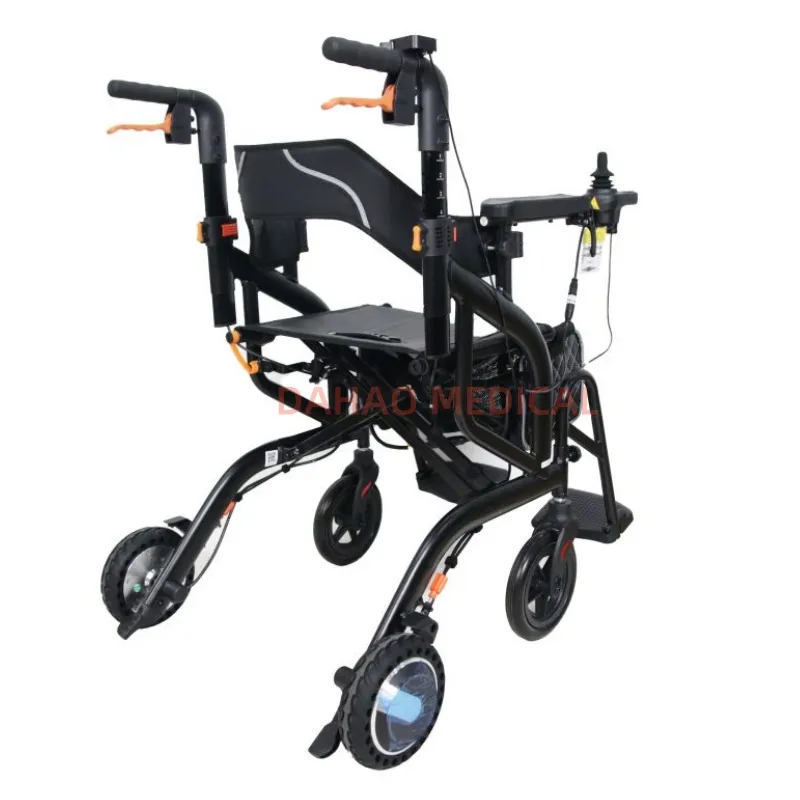
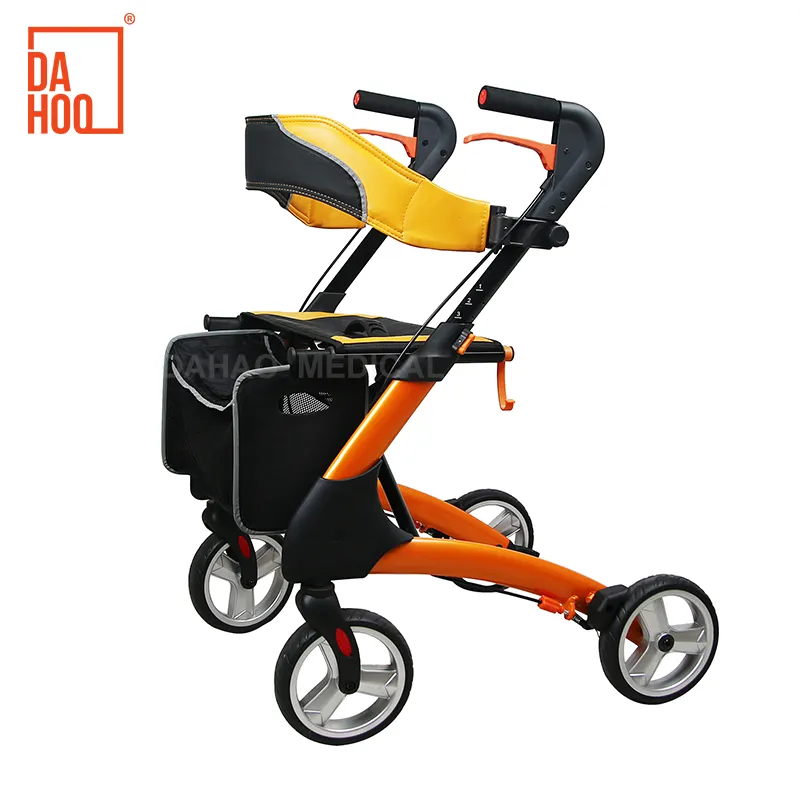
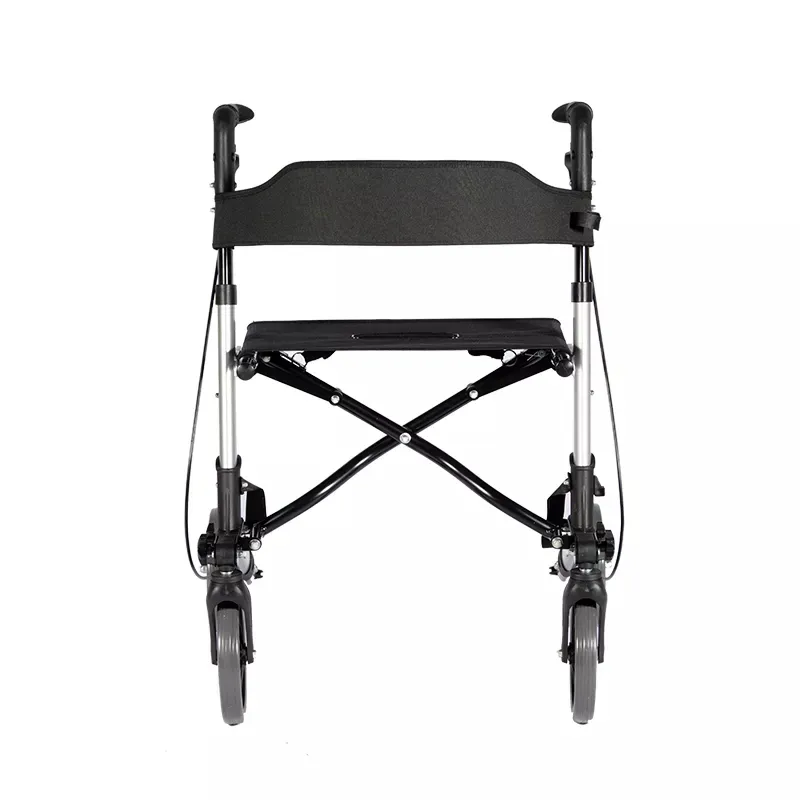
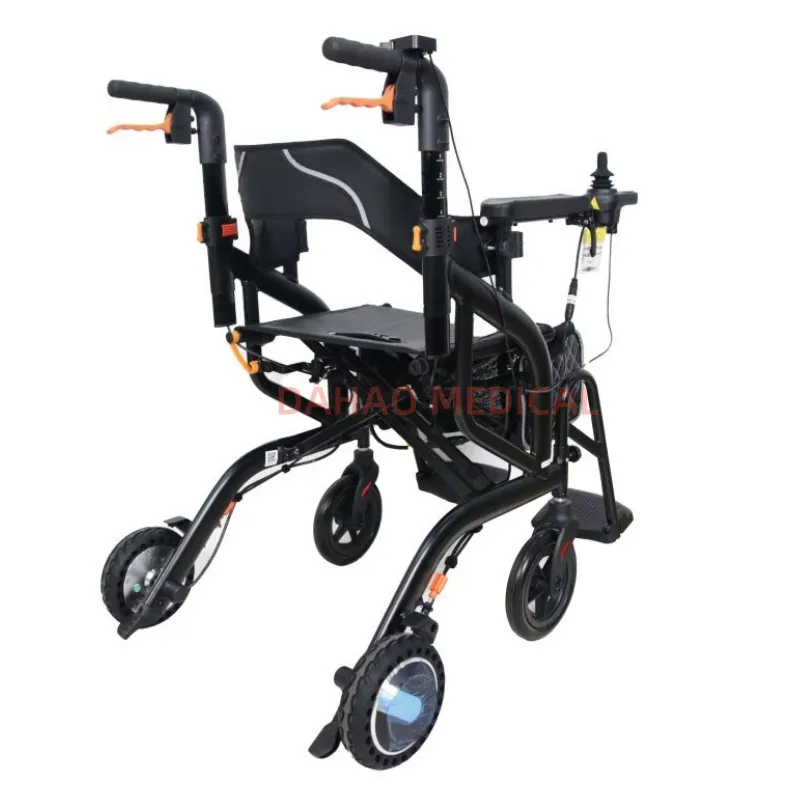
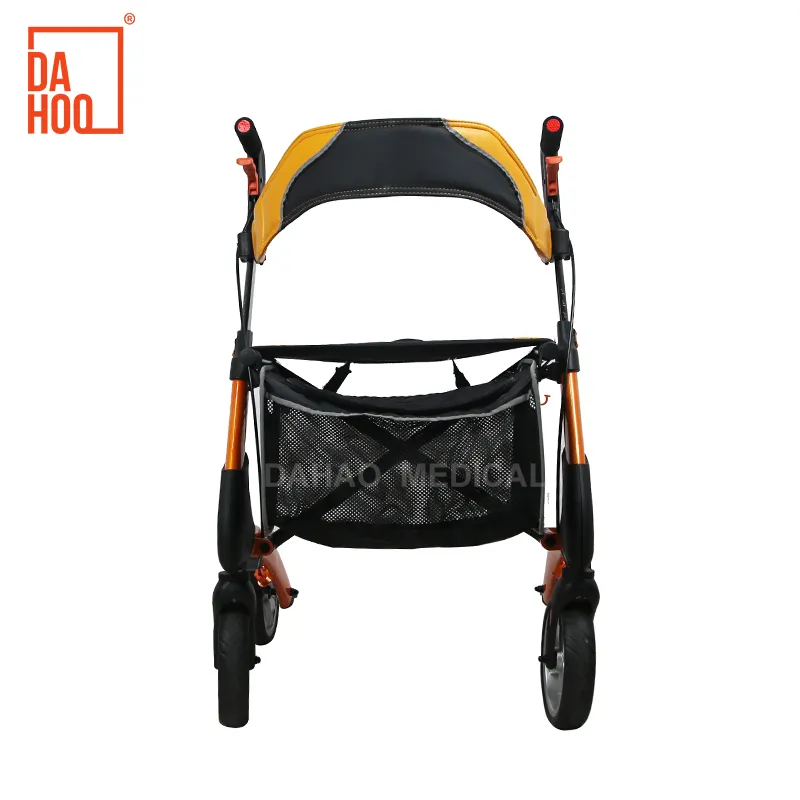
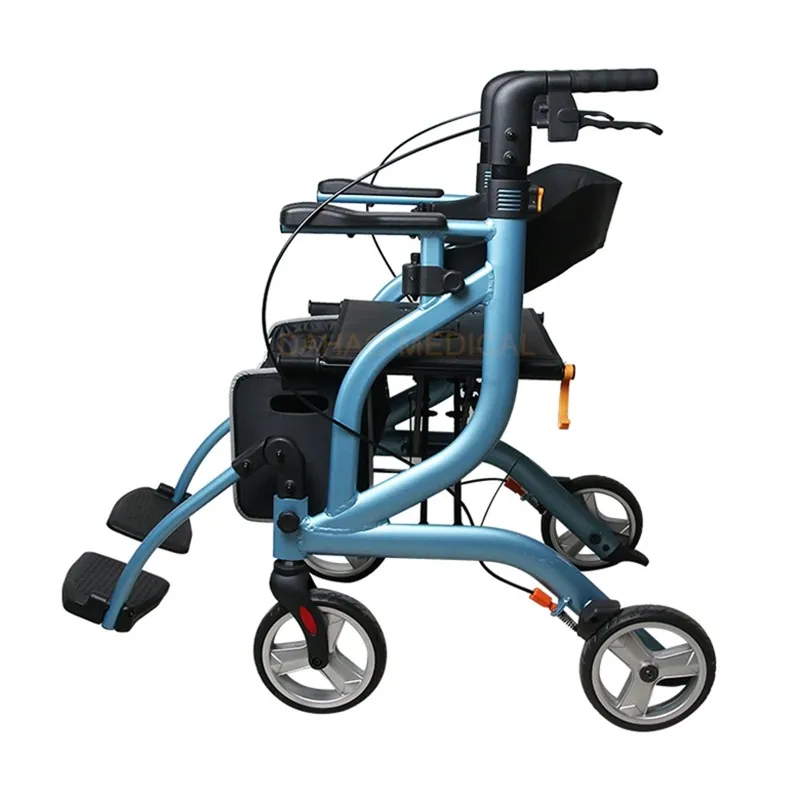
A 4-wheeled rollator is a "walking aid," not a "transportation tool."
Its design purpose is to help users walk independently and maintain balance, not to be pushed by others or to be sat on and propelled.
The following situations suggest that you may benefit from using a 4-wheeled walker:
1. You frequently feel unsteady or wobbly while standing.
2. You experience an unsteady gait or drift to one side while walking.
3. You lose your center of gravity when turning corners.
4. You feel weakness in your legs or tire easily.
• All walkers are Type 1, regardless of whether they have wheels.
• Type 2 walking aids are equipped with smaller 4-6 inch wheels.
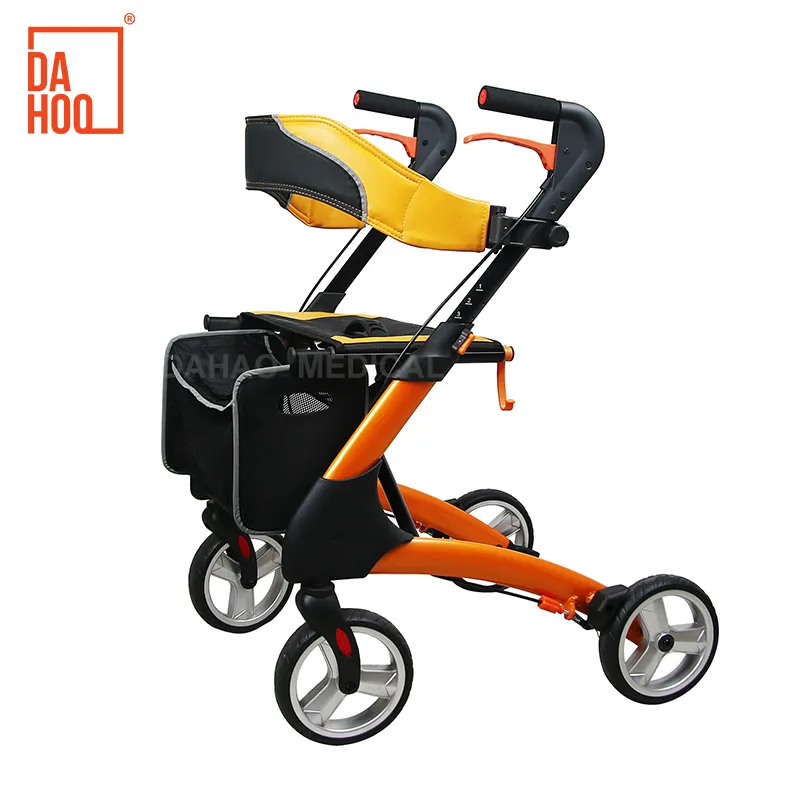
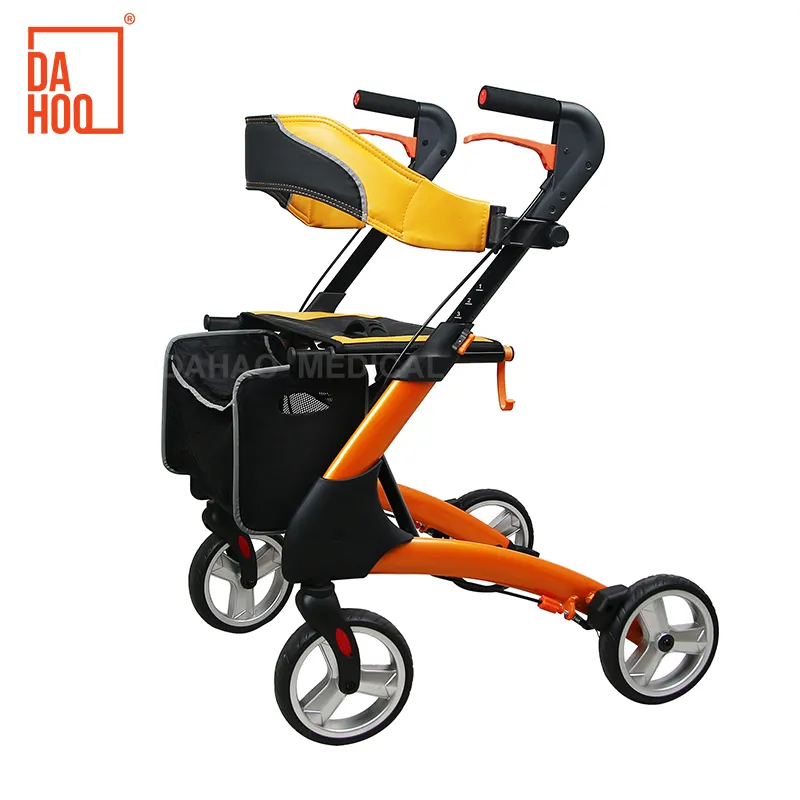
• Type 3 walking aids are equipped with larger 8-inch wheels and offer greater mobility and functionality.
Advantages of four-wheeled walking aids include:
• Easier walking
• More natural gait
• Better suited for long distances and outdoor activities
Disadvantages include:
• Less static support than wheelless walking aids
• Requires a certain level of maneuverability
There is no absolute safety.
The safest approach is: user ability + matching the correct type of equipment.
If the user is too weak, a wheeled walker is unsafe; if the user is too weak to lift a wheelless walker, then a wheelless walker is unsafe.
The answer often points to a tool that assists walking while providing stable support—a four-wheeled walking aid.
When a person can still walk but is unsteady, a four-wheeled walking aid helps them walk more safely and further, while maintaining physical function, compared to using a wheelchair directly.
Many people mistakenly believe:
Wheelless walkers are for supporting body weight.
But from a professional perspective, it is clear that:
The purpose of wheelless walkers is to provide auxiliary support, not to bear weight.
Wheelless walking aid: Maximum stability, lightest, but strenuous, slow, no seat, suitable for early rehabilitation and those with very weak balance.
4-wheel rollator: Minimal effort, best suited for outdoor activities and long distances, includes a seat, improves independence, but requires basic balance and braking skills.
are assistive devices without wheels; the user lifts the aid with each step to move forward. They are much more stable than 4-wheel rollators, especially suitable for people with very poor balance or those just beginning rehabilitation training.
The following situations are unsuitable for using a 4-wheeled walking vehicle:
• Completely dependent on external support when standing
• Unable to maintain upright balance even with legs spread
• Immediately leans forward when letting go
• Significant balance impairment, indicating severe gait instability