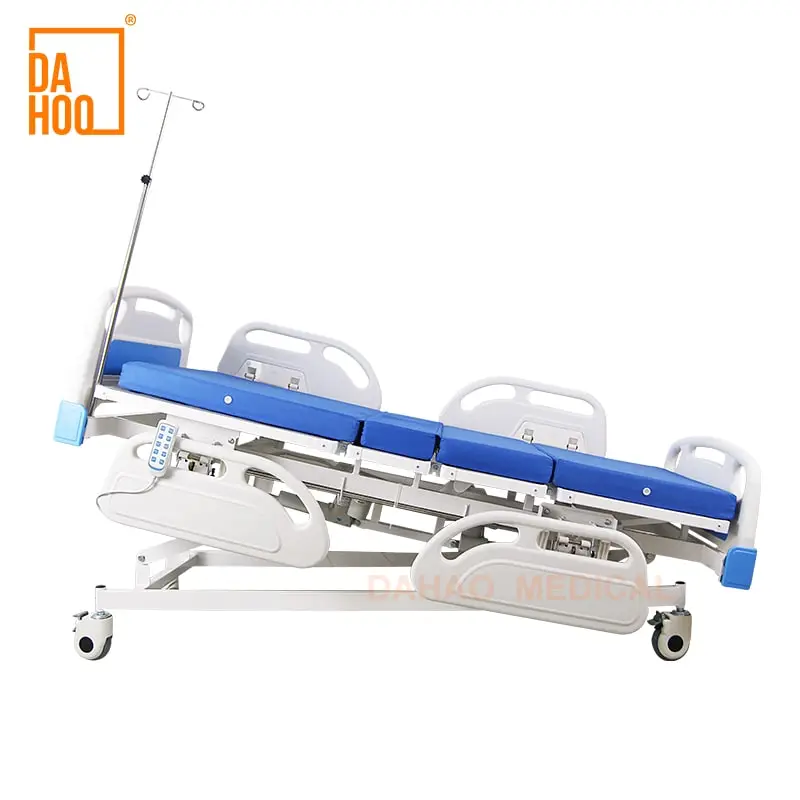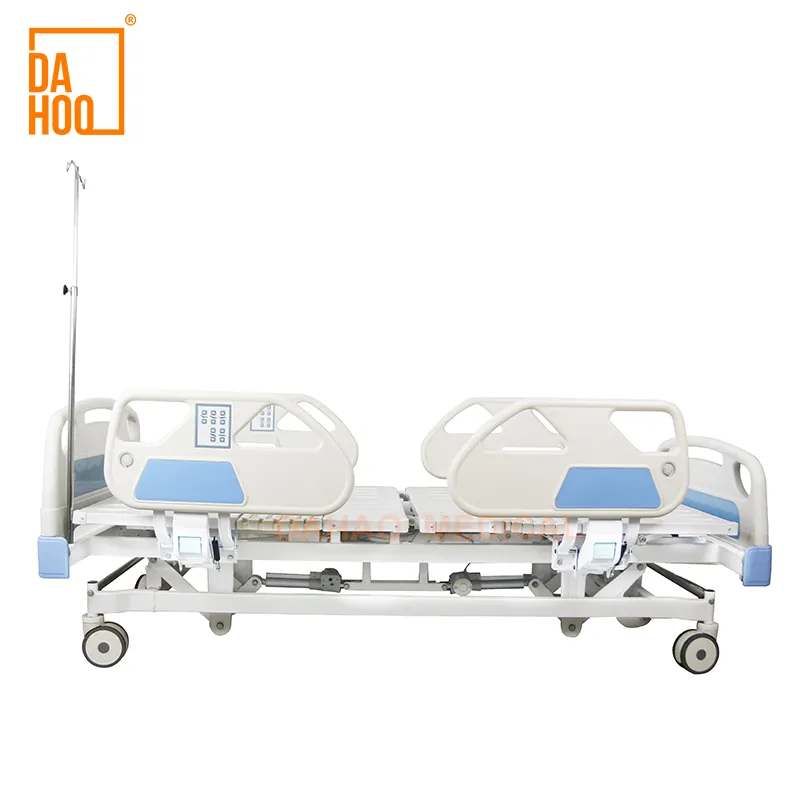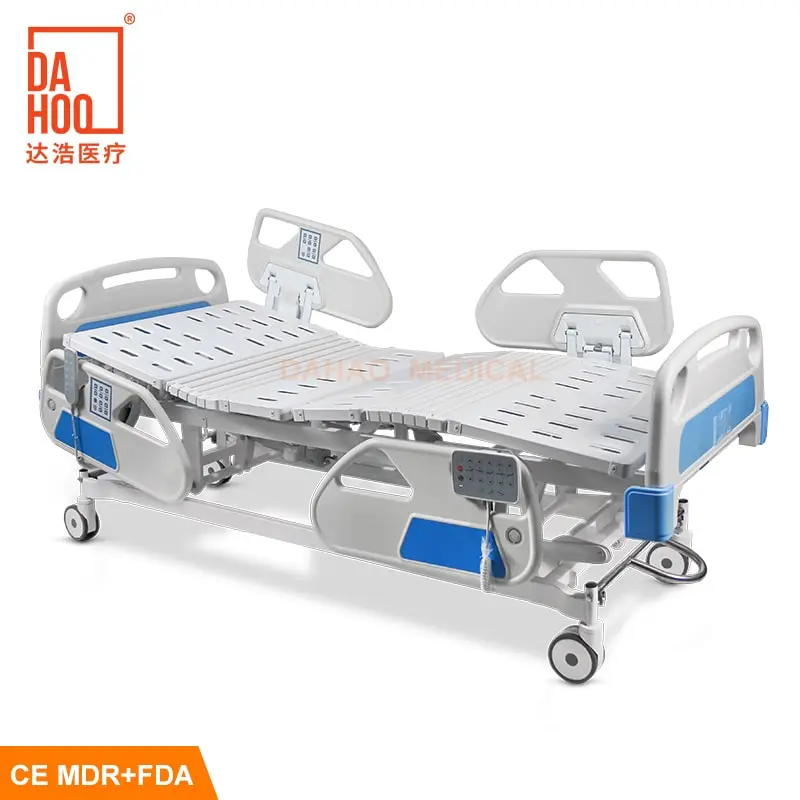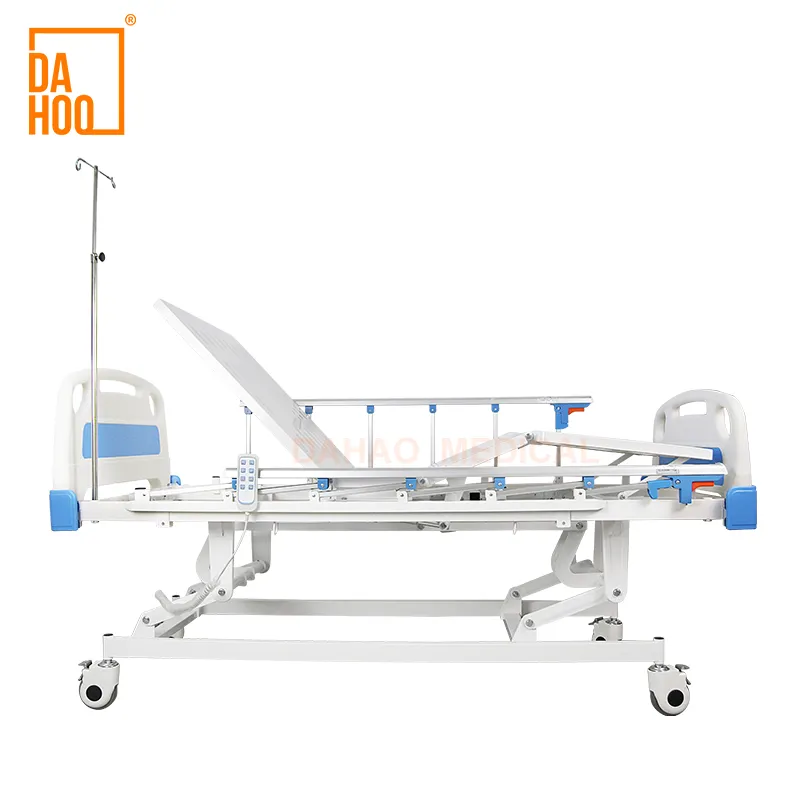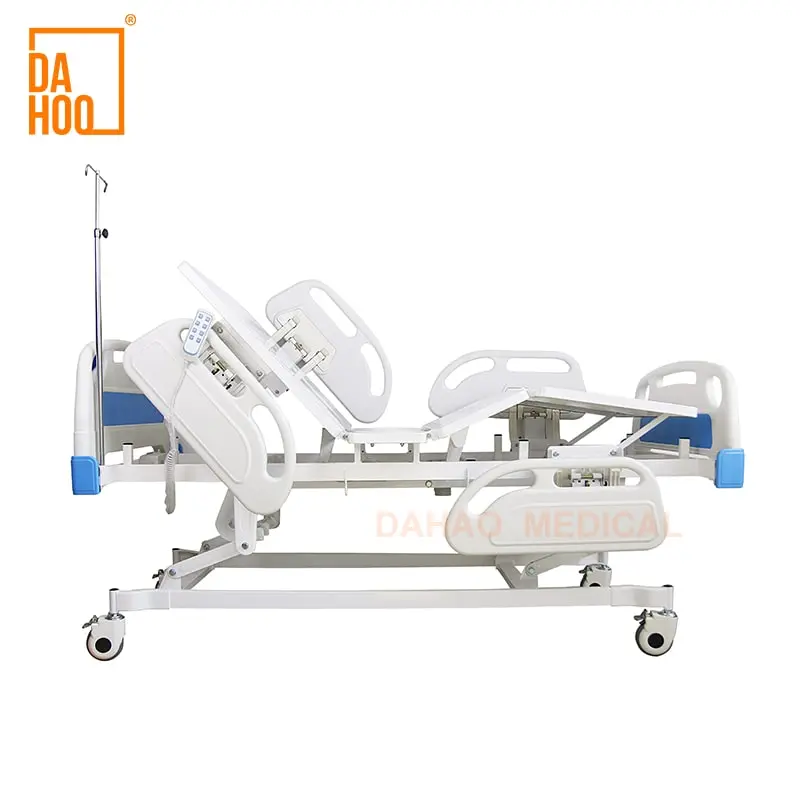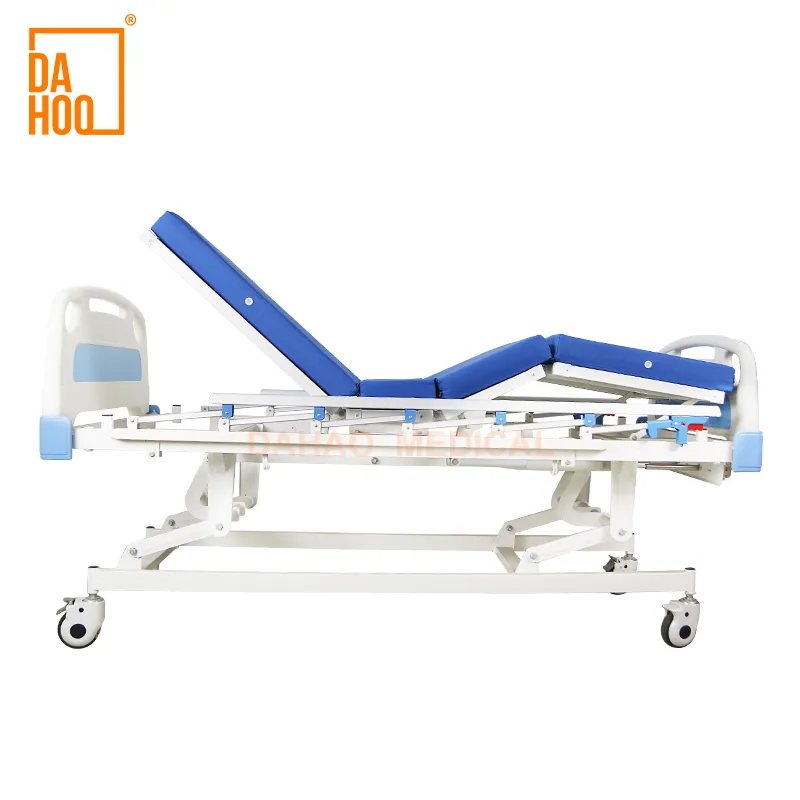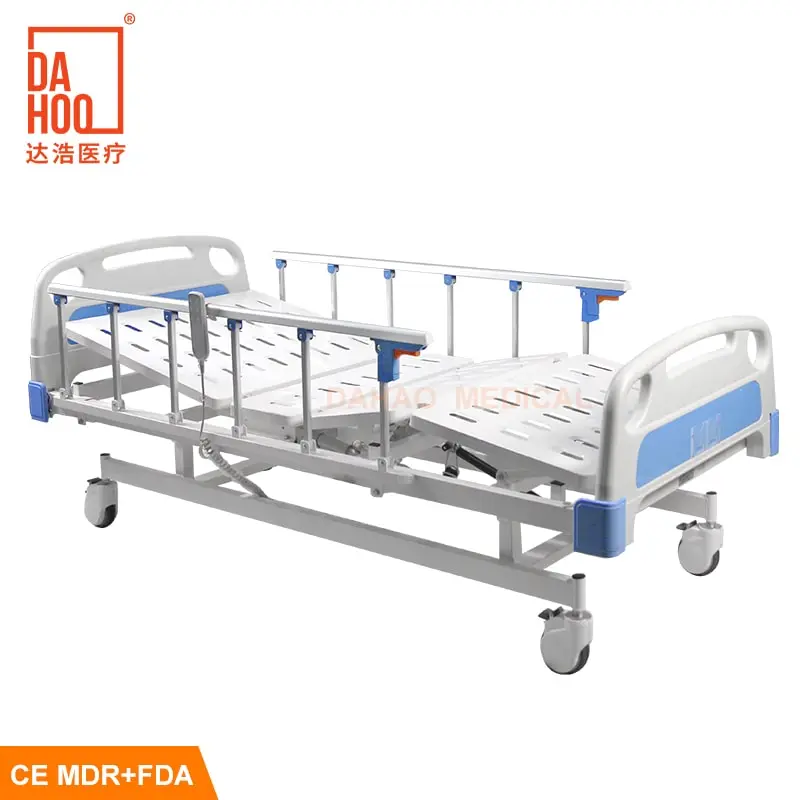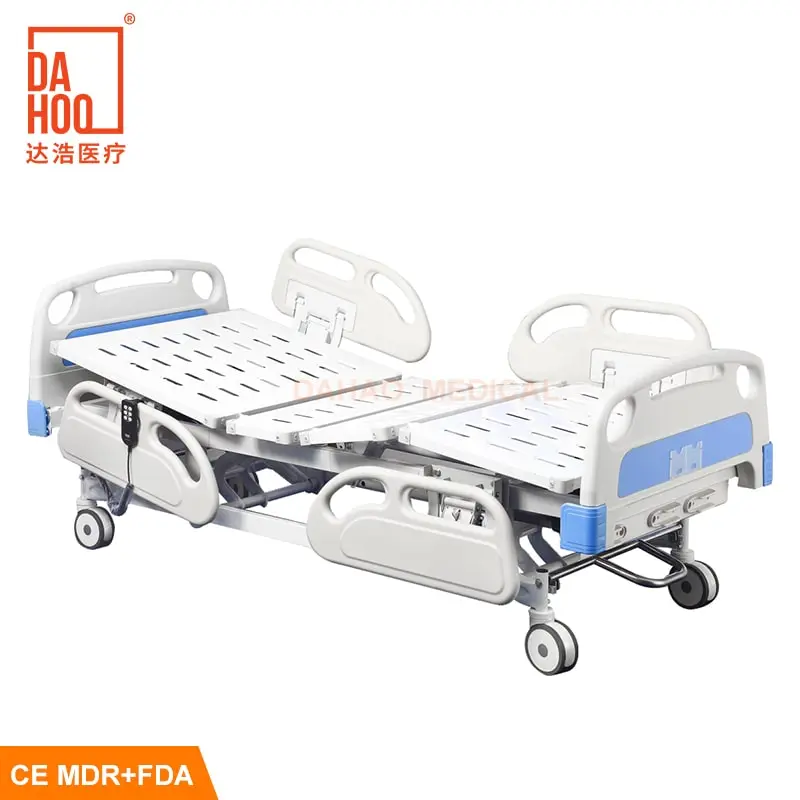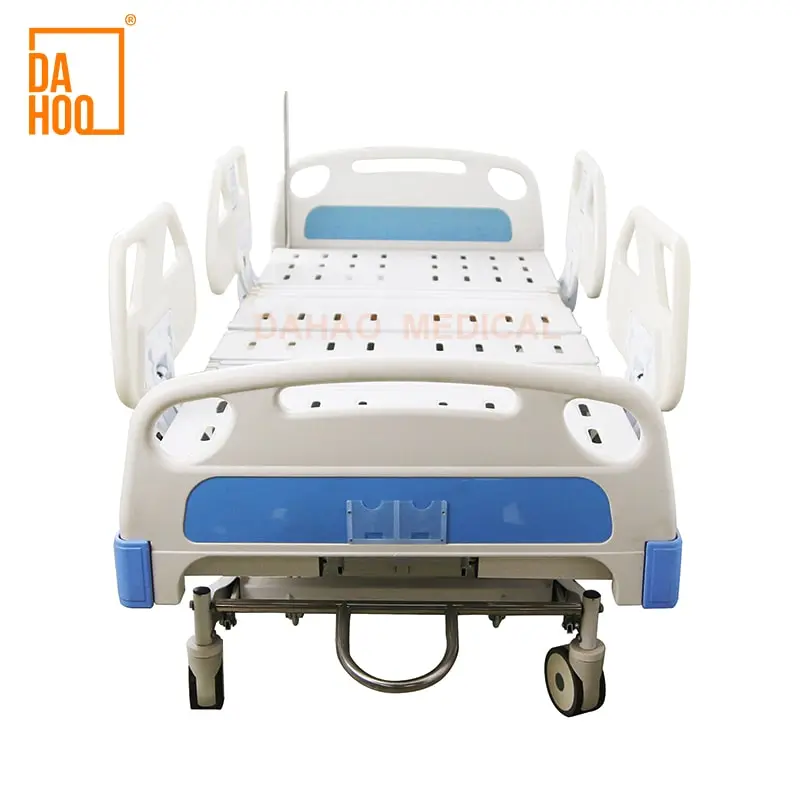

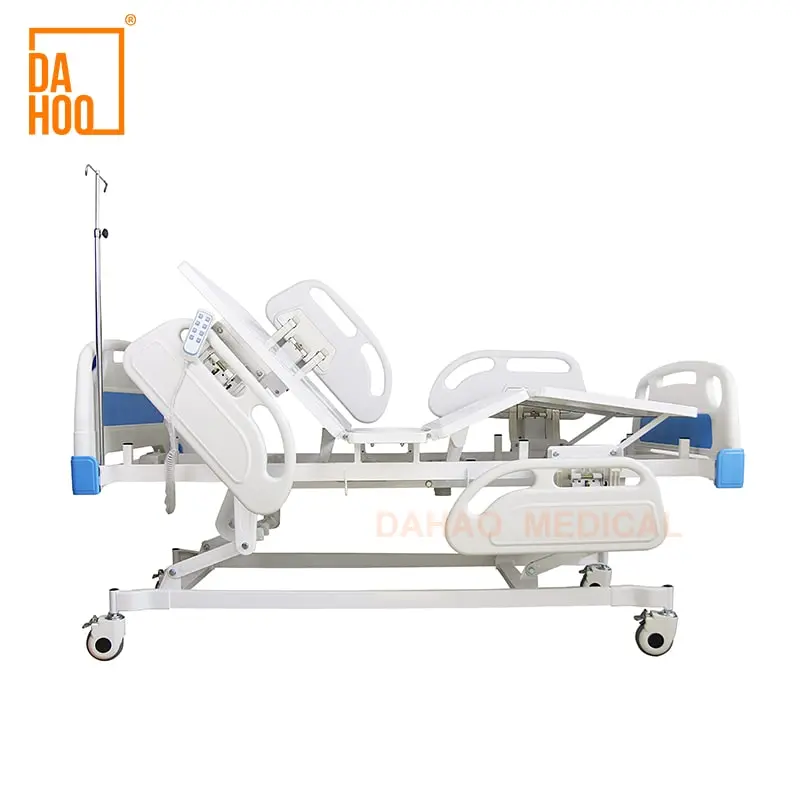
Compared to the fixed structure of standard hospital beds, adjustable beds allow for more precise control of the bed surface angle, resulting in smoother and more natural posture changes.
Based on the energy consumption profile, we can conclude:
• The motor typically operates for less than 5 minutes per day.
• Its average power consumption is significantly lower than that of common household appliances.
In other words, the electricity cost of an electric adjustable bed poses virtually no financial burden on one's daily life.
Patients who are bedridden for extended periods are prone to developing pressure ulcers (bedsores). By enabling electric adjustment of the patient's position, an electric adjustable hospital bed can:
•Allow the patient to regularly shift the areas of their body subjected to pressure.
•Assist caregivers in performing turning and repositioning tasks with greater ease.
A semi-electric hospital bed refers to: a medical bed where some functions are achieved electrically and some functions are achieved manually.
A fully electric hospital bed means that all major functions are achieved through an electric system, requiring no manual operation.
According to industry norms, most fully electric hospital beds cost between $1,500 and $3,000. Clinical-grade fully electric hospital beds with higher configurations and advanced safety and pressure care functions can exceed $5,000.
An intensive care hospital bed, also known as an ICU bed, is a specialized medical bed designed specifically for patients in the intensive care unit. ICU beds have a more comprehensive safety protection system and can be used in conjunction with various medical equipment.
The formal names for beds in hospitals are:
✔ Hospital bed
✔ Medical bed
Based on usage and function, they can be further divided into:
• General nursing beds
• Multifunctional beds
• ICU beds
Yes. ICU beds are intensive care beds; they are essentially the same type of equipment, just called different things in different contexts.
In other words:
• ICU bed = a specialized bed used in intensive care units
• Critical care bed = a high-end bed with intensive care capabilities.
One of the most common safety hazards associated with electric hospital beds is a damaged or improperly placed power cord.
However, it's important to clarify that the power cord issue is a controllable risk. With proper installation and maintenance, the electric hospital bed itself does not pose a risk of electric shock.