

In medical care and home care scenarios, "hospital beds" are among the most basic and crucial pieces of equipment. Many people notice significant differences in structure, function, and user experience between standard hospital beds and adjustable beds commonly found in home or elderly care settings.
So, what are the differences between hospital standard beds and adjustable beds? Why are more and more families focusing on the comfort of adjustable hospital beds?
This article will systematically analyze the essential differences between hospital standard beds and adjustable hospital beds from multiple professional perspectives, including design purpose, structural function, adjustment methods, and comfort, helping you to better understand their positioning and characteristics.
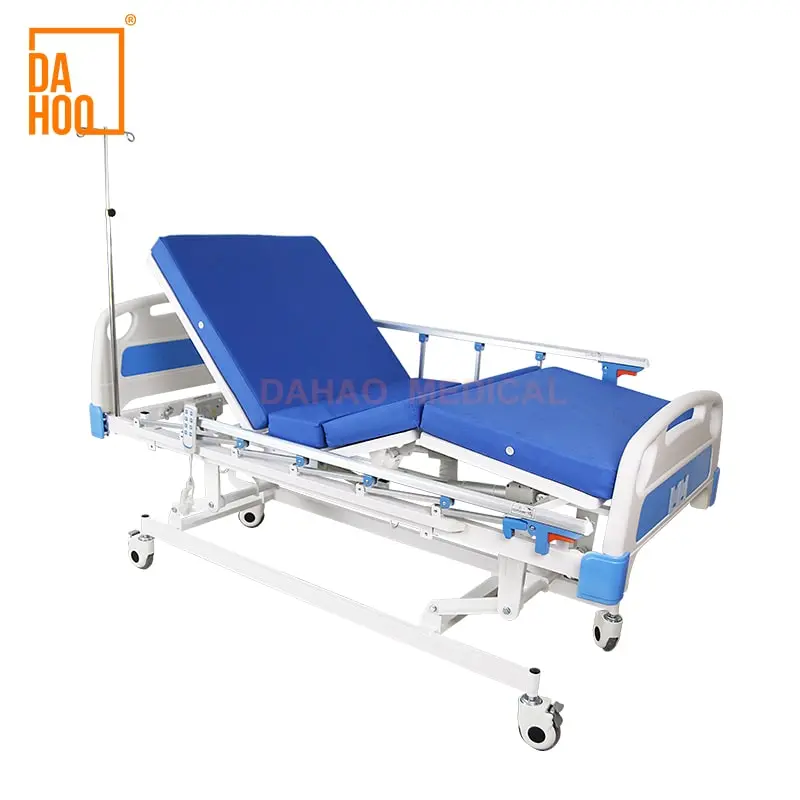
Hospital Standard Beds and Adjustable Beds: What are the Differences in Design Intent?
1. Are hospital standard beds designed for medical care?
Yes, the core design goal of hospital standard beds is to meet the clinical care needs of medical institutions. These types of hospital beds are typically used in inpatient wards, focusing on:
• Facilitating medical procedures
• Meeting basic nursing needs
• Adapting to the general use of different patients
• Facilitating centralized management by medical staff
Therefore, standard hospital beds are designed with a greater emphasis on versatility, standardization, and durability, rather than individualized comfort.
2. Why do adjustable hospital beds emphasize comfort and convenience?
In contrast, adjustable hospital beds are designed with the user's daily comfort and ease of use in mind. These beds are typically intended for:
• Home caregivers
• Individuals who are bedridden or semi-recumbent
• Elderly care or rehabilitation care scenarios
Adjustable hospital beds are not entirely designed around medical procedures, but rather focus more on changes in body posture, ease of daily activities, and user experience. Therefore, they are often more comfortable than standard hospital beds.
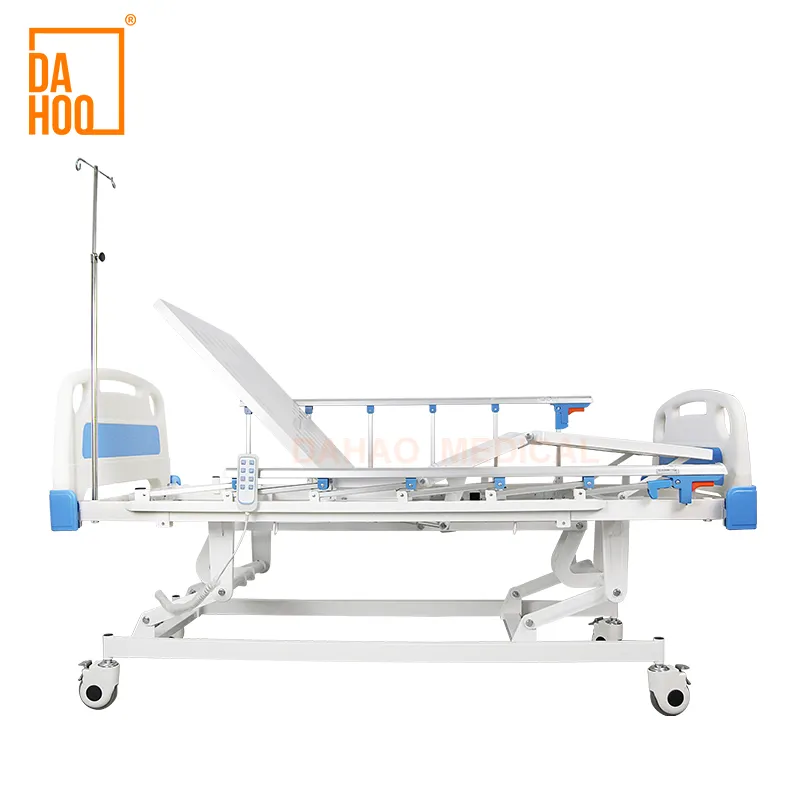
What are the core differences between the two types of beds in terms of structure and function?
1. What are the structural characteristics of standard hospital beds?
Standard hospital beds typically have the following structural features:
• Fixed or limitedly adjustable bed surface structure
• Emphasis on bed stability and load-bearing capacity
• Design conforming to hospital specifications
• Convenient for cleaning, disinfection, and maintenance.
These beds functionally meet basic nursing needs, but their adjustment range and fineness are usually limited.
2. What are the structural differences between adjustable beds and standard beds?
Adjustable beds typically employ a multi-segment bed design, using mechanical or electric methods to adjust the angle of different parts, such as:
• Backrest angle adjustment
• Leg or knee lift
• Overall height adjustment.
This structure allows adjustable beds to more flexibly adapt to changes in body posture, thereby improving overall comfort.
What are the advantages of adjustable bed adjustment methods?
1. Why is it easier to adjust posture on an adjustable bed?
The biggest feature of adjustable beds is their "adjustability." Through the adjustment function, users can change their lying, semi-reclining, or sitting posture as needed without frequent body movement.
Compared to the fixed structure of standard hospital beds, adjustable beds allow for more precise control of the bed surface angle, resulting in smoother and more natural posture changes.
2. Are the adjustments on standard hospital beds more geared towards nursing needs?
Yes. The adjustable design of standard hospital beds is primarily to accommodate nursing procedures, such as:
• Facilitating basic procedures for medical staff
• Meeting the needs of patients for short-term rest or observation
rather than prioritizing long-term comfort. This is a key difference in user experience.
Why are adjustable beds more comfortable than standard hospital beds?
1. What are the advantages of adjustable beds in terms of body support?
The human body requires different levels of support from the bed surface in different positions. Adjustable beds can help distribute pressure more naturally by adjusting the back and leg angles, making the lying posture more ergonomic.
In contrast, standard hospital beds, due to their limited adjustment functions, often only provide basic support.
2. Are adjustable beds more suitable for long-term use?
Comfort is especially important for people who need to use a hospital bed for extended periods. Adjustable hospital beds allow for multiple posture adjustments based on daily needs, reducing discomfort from maintaining the same position for extended periods.
This is why adjustable beds are often more popular than standard hospital beds in non-acute medical settings.
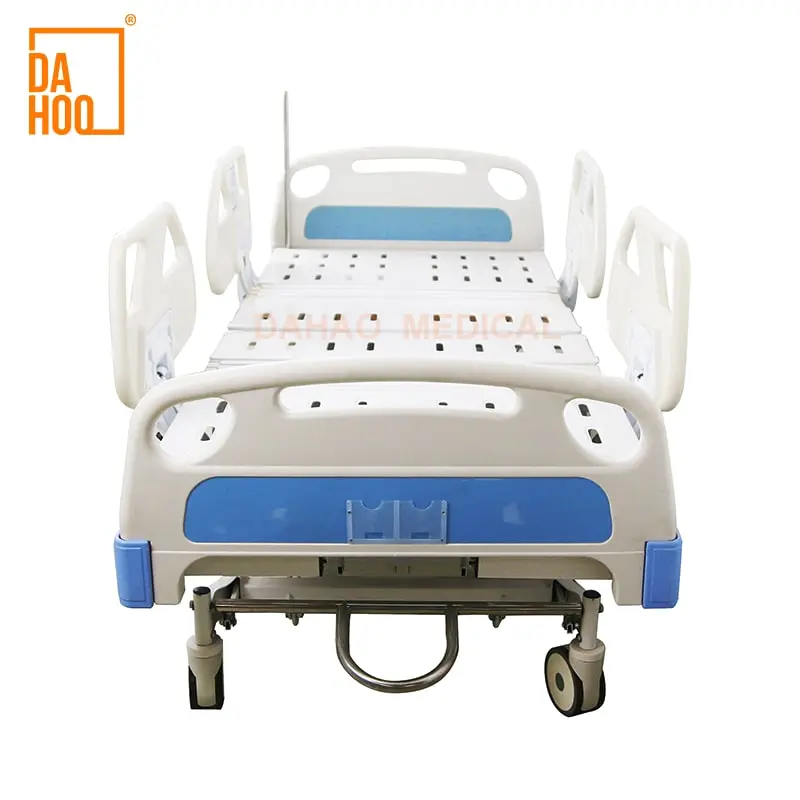
What are the safety differences between the two types of beds?
1. What are the safety design priorities of standard hospital beds?
The safety design of standard hospital beds primarily revolves around the medical environment, for example:
• Standardized guardrails
• Sturdy bed structure
• Compliance with hospital regulations.
These designs are intended to accommodate high-frequency use and frequent patient rotations.
2. Where does the safety of adjustable hospital beds lie?
Adjustable hospital beds incorporate more consideration for the user's daily activities, for example:
• Guardrail height more suited to home use
• Smooth bed adjustments to reduce sudden movements
• Height adjustment for easy getting in and out of bed.
These details ensure that adjustable beds offer both comfort and safety.
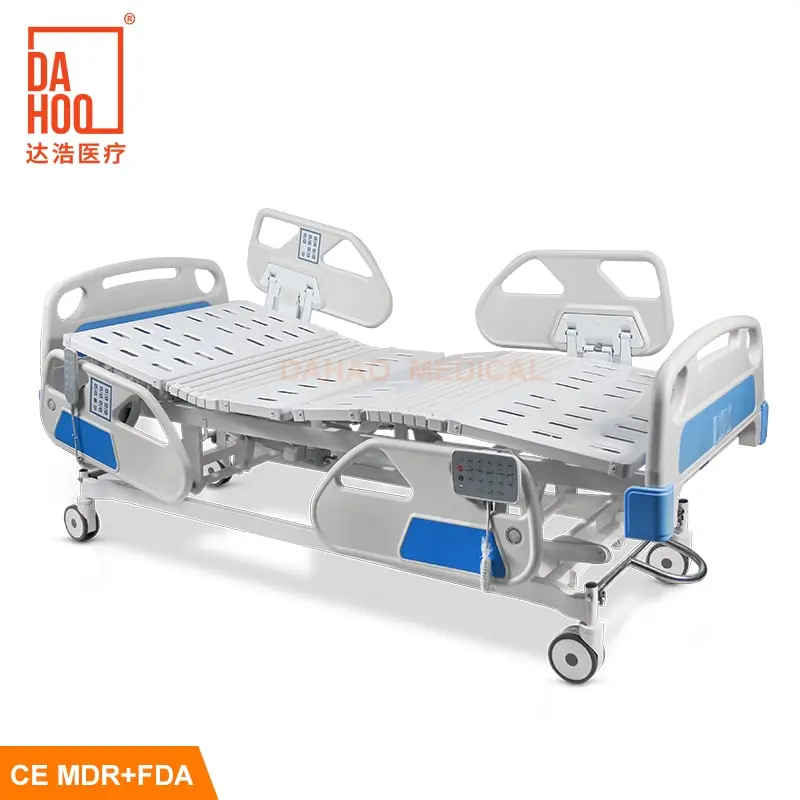
What are the different usage scenarios for standard hospital beds and adjustable hospital beds?
1. In which settings are standard hospital beds more suitable?
Standard hospital beds are primarily used in:
• Hospital wards
• Clinical nursing facilities
• Medical facilities requiring standardized configuration.
Their advantages lie in standardization, ease of management, and high durability.
2. In which groups are adjustable hospital beds more suitable?
Adjustable hospital beds are more commonly found in:
• Home care environments
• Elderly care facilities
• Individuals requiring long-term rest or care.
In these scenarios, comfort and ease of use are often more important than medical standardization.
3. Why are adjustable hospital beds not a "replacement for hospital beds"?
While adjustable hospital beds offer superior comfort compared to standard hospital beds, their purpose is not entirely the same.
• Standard hospital beds prioritize medical care.
• Adjustable hospital beds prioritize user comfort.
They serve different needs and cannot be simply substituted for each other.
What certifications do your products have?
Dahao Medical products are certified by internationally recognized organizations, including ISO13485:2016, CE, FDA, TUV, and BV. These certifications demonstrate our commitment to high quality manufacturing and safety standards. As a trusted manufacturer in China, we ensure that all products meet regulatory requirements in different markets, making it easier for customers to purchase and distribute our products globally.