

When Should Seniors Use Wheelchairs? What Signs Indicate They Should No Longer Use a 4-Wheel Rollator?
The mobility of seniors varies significantly with age, health conditions, and muscle strength. In daily life, many families struggle with a crucial question:
When should seniors switch to wheelchairs?
What situations mean they are no longer suitable to continue using a 4-wheel rollator walker? Choosing the right mobility aid is not only about convenience but also about safety, preventing fall risks, protecting seniors' independence, and improving their quality of life.
This article will provide an in-depth analysis of the criteria for judging whether seniors should use wheelchairs from a professional perspective and detail the signs that indicate a 4-wheel roller is no longer suitable.
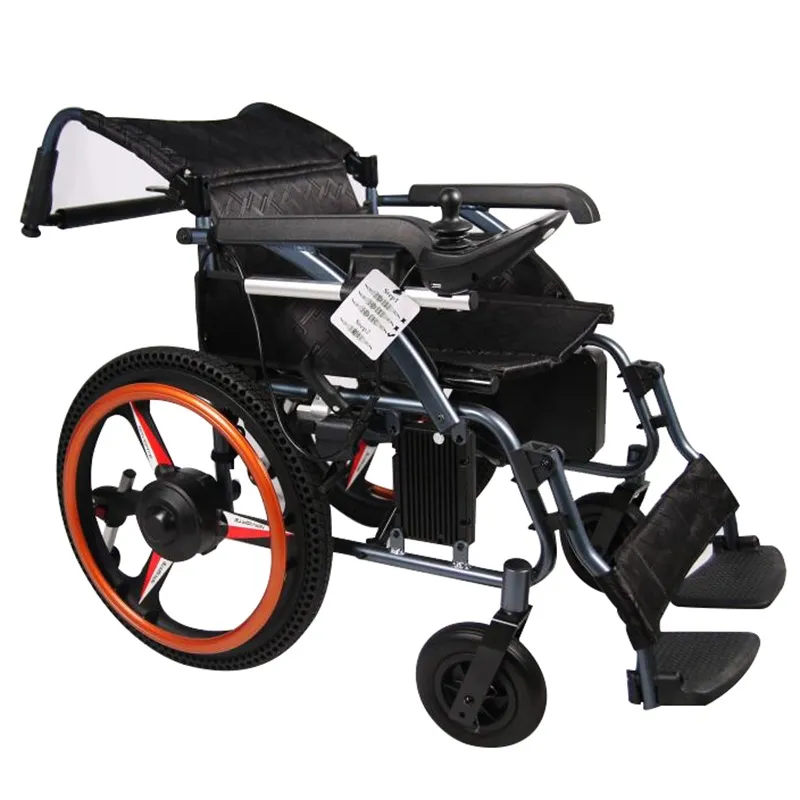
When Should Seniors Consider Transitioning from a 4-Wheel Rollator to a Wheelchair?
Deciding to use a wheelchair is not a hasty choice but a comprehensive result based on physical condition and safety assessment. Many seniors start with a 4-wheel rollator walker for assisted walking, but as their health changes, they may gradually need a wheelchair for safety.
The following situations typically indicate that wheelchair use should be considered:
1. Significantly Reduced Walking Distance
If an older adult, even with a 4-wheel rollator, cannot walk more than a few meters before needing to rest, this indicates:
• Significantly decreased walking endurance
• Insufficient muscle strength
• Inability to support basic mobility
Continuing to rely on a 4-wheel rollator walker in this situation may increase the risk of falls, while a wheelchair provides more stable support.
2. Severe Pain While Walking
Pain stems from:
• Knee degeneration
• Hip problems
• Severe lumbar spine degeneration
• Neuropathy
When the pain is so intense that it affects gait or makes it difficult to maintain balance, a wheelchair is safer than a 4-wheel rollator walker.
3. Significant Instability or Frequent Falls
If an older adult frequently experiences:
• Swaying
• Loss of balance
• Difficulty taking steps
• Reliance on external assistance to maintain upright posture
These are important signs that the walking aid is no longer providing sufficient stability, and a wheelchair should be considered as soon as possible.
4. Inability to Safely Use the Braking System of a 4-Wheel Rollator
A 4-wheel rollator has parking and driving brakes, but if an elderly person experiences:
• Insufficient hand strength
• Inability to effectively grip the brake lever
• Stiff hand joints
• Trembling hands making it difficult to control grip strength
Then the 4-wheel rollator walker is no longer safe, and a wheelchair becomes a more reliable option.
5. Prolonged Fatigue
If an elderly person needs to rest frequently after walking only a few steps, and their physical strength cannot sustain short periods of walking, a wheelchair should also be considered.
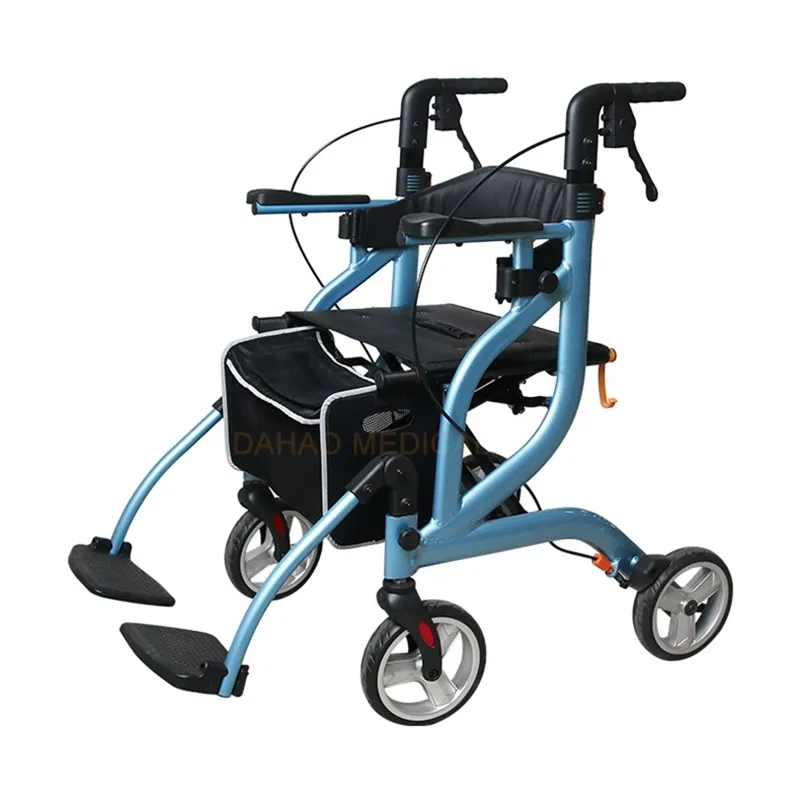
What signs indicate that an elderly person should no longer use a 4-wheel rollator?
While a 4-wheel rollator walker is a very practical assistive tool, it is not suitable for every elderly person. Several signs indicate that using a 4-wheel rollator is no longer safe for the elderly.
Below, we will analyze this in detail from the perspectives of stability, strength, cognition, and coordination.
Is the elderly person unable to maintain upper and lower limb coordination?
Balance and coordination are prerequisites for using a 4-wheel rollator walker.
If an elderly person exhibits:
• Dragging gait
• Difficulty taking steps
• Inconsistent stride height
• Swaying from side to side while walking
• Inability to hold onto the handlebars of the walker
These indicate poor coordination.
Lack of coordination significantly increases the risk of falls when using a 4-wheel rollator.
In this situation, allowing the elderly person to continue using a 4-wheel rollator is a high-risk behavior; a wheelchair significantly improves safety.
Is the elderly person unable to maintain their standing balance?
One prerequisite for using a 4-wheel rollator is that the elderly person must possess a certain level of standing balance, including:
• Ability to stand while holding onto the walker
• Ability to maintain an upright posture
• Ability to maintain a stable center of gravity when turning
If the following occurs, the 4-wheel rollator walker should no longer be used:
• Excessive forward lean when standing
• Inability to maintain a vertical posture
• Falling down with slight loosening of the handlebars
• Needing assistance to stand
These signs indicate a lack of standing balance and are clear contraindications.
Wheelchairs can prevent serious injuries from falls.
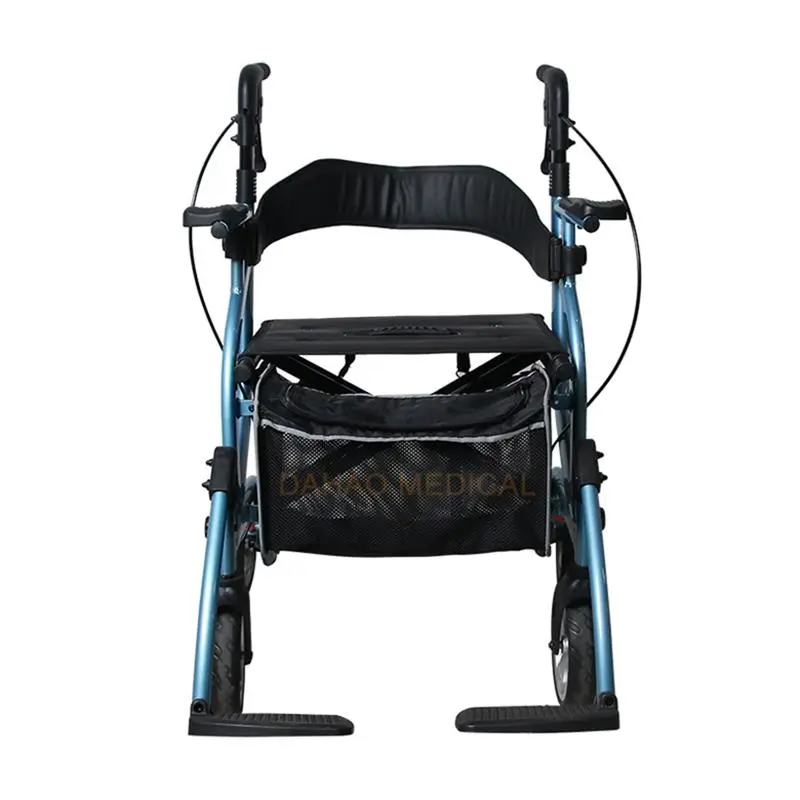
Can an elderly person control the forward speed of a 4-wheel rollator?
A 4-wheel rollator is a wheeled mobility aid that does not stop automatically. Therefore, the user must be able to control its speed and direction.
The following situations indicate that the elderly person is no longer suitable to use it:
• The rollator frequently lurches forward.
• Inability to brake in time.
• Moving too fast downhill.
• The elderly person needs to grip tightly to avoid falling forward.
These situations are typical signs of decreased motor skills, and continued use of the 4-wheel rollator walker will increase the risk of injury.
Is the elderly person no longer able to sit in the seat of the 4-wheel rollator to rest?
4-wheel rollator walkers typically come with a temporary resting seat, but the elderly person must possess the following abilities:
• The ability to turn around independently
• The ability to sit down independently
• The ability to sit down smoothly
• The ability to grip steadily when getting up
If the elderly person cannot sit or get up correctly, for example:
• Leaning to one side when sitting
• Unable to control the speed of sitting down
• Unsteady when getting up
• Noticeable swaying after getting up
These all indicate that the seat is no longer safe for the elderly person, and a wheelchair is more suitable for prolonged sitting, lying down, and mobility.
Does the elderly person have cognitive problems or slow reaction time?
Using a 4-wheel rollator requires a certain level of judgment, including:
• Judging road conditions
• Controlling direction
• Using the brakes
• Maintaining a safe distance
• Avoiding obstacles
If the elderly person has:
• Decreased cognitive ability
• Slower reaction time
• Difficulty understanding instructions
• Cannot remember how to brake
• Inability to judge speed and distance
Then continuing to use a 4-wheel rollator walker is dangerous.
A wheelchair is more suitable for elderly people who require less deliberate operation.
Is the elderly person prone to fatigue, dizziness, or palpitations?
If the elderly person experiences the following symptoms:
• Dizziness while walking
• Unstable blood pressure
• Unstable heart rate
• Shortness of breath with slight exertion
• Frequent need for rest
These all indicate that they are not suitable for using a 4-wheel rollator, as these symptoms can easily lead to sudden falls.
In this case, a wheelchair can significantly improve safety and reduce the risk of falls.
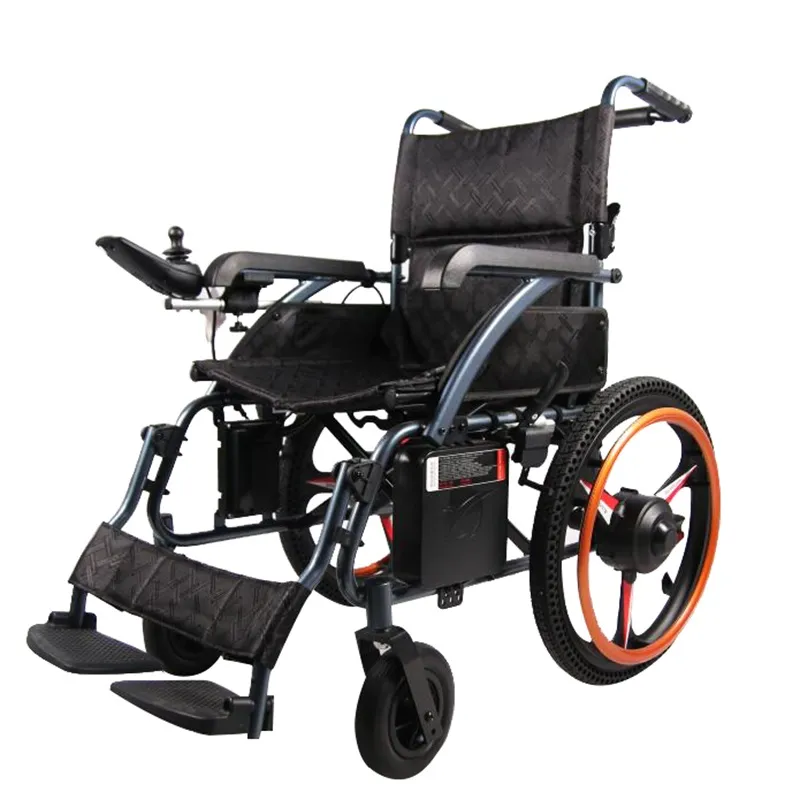
Has the elderly person ever fallen while using a 4-wheel rollator?
If the elderly person has experienced:
• Falls due to loss of control over the speed of the 4-wheel rollator walker
• Falls due to improper operation
• Falls due to instability
These are clear signs that the 4-wheel rollator walker is no longer suitable for them.
A wheelchair allows the elderly person to move safely and avoid further injury.
What are the benefits of switching to a wheelchair for the elderly?
When an elderly person is no longer suitable for using a 4-wheel rollator, timely switching to a wheelchair brings many benefits, including:
1. Improved safety
Wheelchairs are highly stable and do not require the elderly person to maintain balance.
2. Reduce Physical Exhaustion
Avoid excessive walking that can cause muscle fatigue or joint pain.
3. Reduce the Risk of Falls
Especially for seniors with poor balance, slow reaction time, or difficulty controlling their speed.
4. Improve Quality of Life
Seniors can participate in outdoor and social activities more easily.
What signs indicate that a senior should not use a 4-wheel rollator and should switch to a wheelchair?
The following situations clearly indicate that a senior should not continue using a 4-wheel rollator:
• Inability to maintain balance while standing
• Inability to control the speed or direction of the rollator
• Insufficient upper limb strength to operate the brakes
• Significant swaying or difficulty taking steps
• Extreme fatigue after walking only a few steps
• Severe pain while walking
• Decreased cognitive function and slow reaction time
• History of falls or near falls
• Inability to use the seat safely
• Heart, blood pressure, or respiratory problems leading to unsafe walking
If these signs appear, consider switching to a wheelchair to ensure the senior's safety and quality of life.
What is Dahao Medical’s approach to customer feedback?
At Dahao Medical, we actively seek and value customer feedback to improve our products and services. We use customer insights to drive innovation and make enhancements to our Electric Wheelchairs, Transfer Chairs, and Hospital Care Beds. Our R&D team listens carefully to user experiences, allowing us to make adjustments and improvements that better meet the needs of patients and healthcare providers.