

Electric wheelchairs, as an important component of modern assistive mobility devices, have become a core mode of transportation for many elderly people and those with mobility impairments. For every power wheelchair user, the question, "What is the driving range of an electric wheelchair on a full charge?" is almost one of the most important performance indicators.
Driving range not only determines the user experience but also affects the safety and convenience of daily travel. However, the driving range of electric wheelchairs varies depending on the model, battery capacity, and usage environment.
To help users better understand the driving range and choose the right electric wheelchair, this article will provide an in-depth analysis from multiple dimensions, including battery, motor, road conditions, and user weight, and will provide a complete technical explanation centered around the key term "power wheelchair."
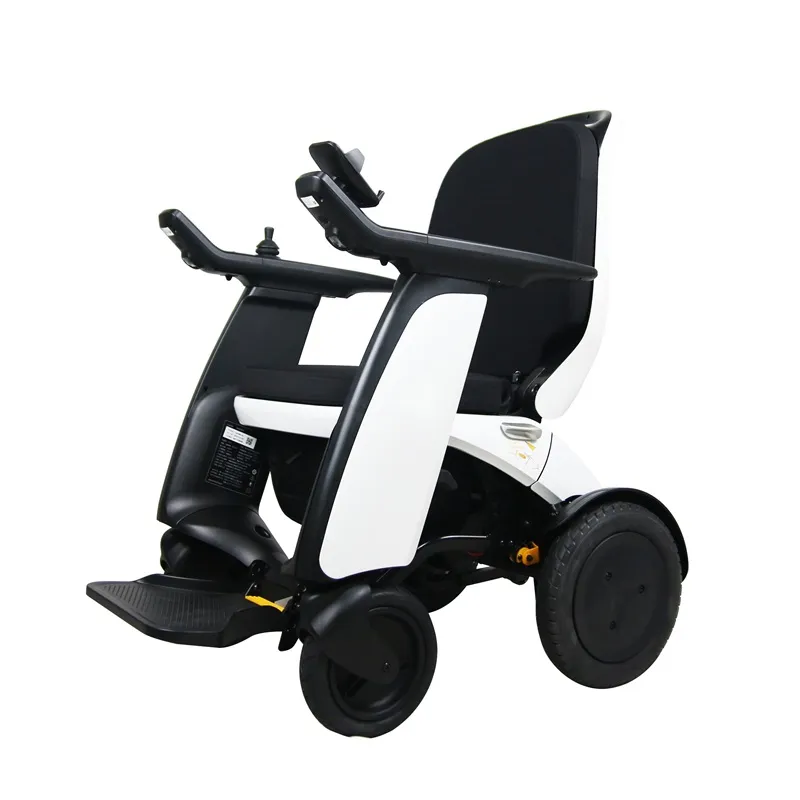
What determines the driving range of an electric wheelchair?
To accurately answer the question, "What is the driving range of an electric wheelchair on a full charge?", it's essential to understand the key factors behind the driving range of an electric wheelchair. Although electric wheelchairs appear simple, they are complex systems whose driving range is determined by components such as the battery, motor, controller, and tires.
1. Battery capacity is a key factor in determining driving range
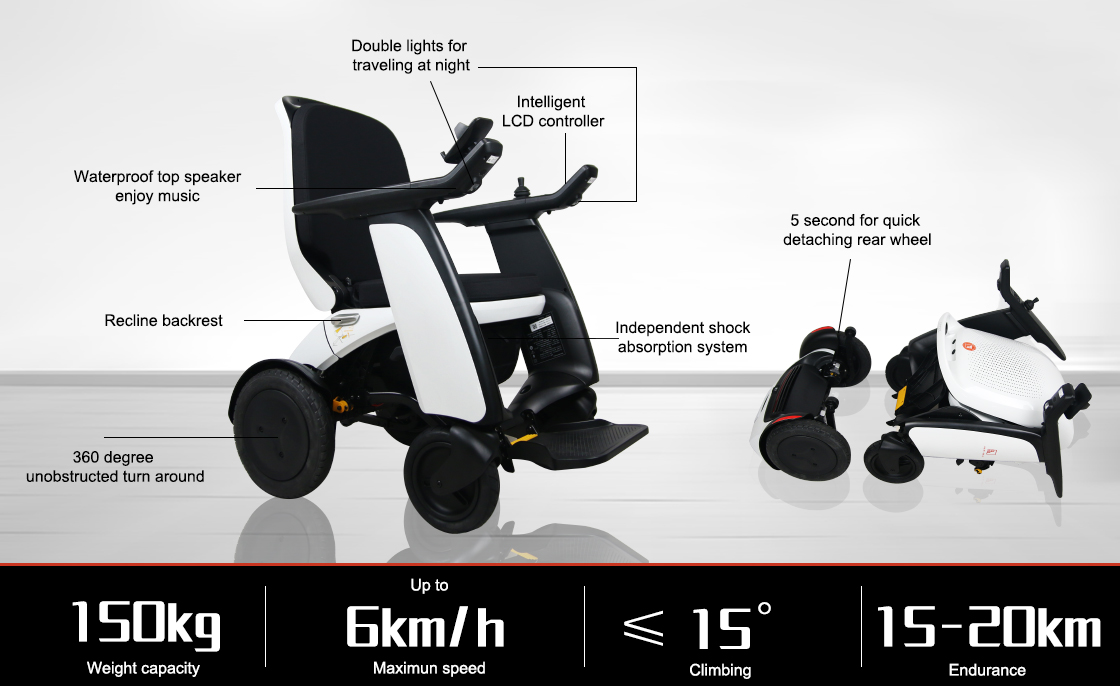
Among all the factors affecting electric wheelchairs, battery capacity is one of the most critical parameters. The larger the battery capacity, the longer the theoretical driving range of the electric wheelchair. Taking a common 24V 15.6AH lithium battery as an example, this type of battery usually provides a driving range of approximately 15–20 kilometers. This is also the mainstream configuration for many portable folding power wheelchairs currently on the market.
Battery capacity is generally measured by "voltage (V) × ampere-hours (Ah)," for example:
• 24V × 15.6Ah = 374.4 Wh (watt-hours)
The higher the watt-hours, the more energy is output, and the longer the driving range. Large-capacity lithium batteries provide a more stable power supply for electric wheelchairs, allowing them to maintain more efficient performance when going uphill, carrying heavy loads, and traveling at high speeds.
2. Motor power also affects driving range
Different power wheelchairs have different motor power ratings, such as 180W, 250W, 300W, etc. The higher the power, the stronger the motor's output under load, but the corresponding power consumption will also increase. Therefore, while high-power motors can provide better climbing and instantaneous acceleration capabilities, they may reduce the actual range.
3. User weight is a crucial variable that cannot be ignored
Many users are unaware that user weight has a significant impact on power wheelchair range. The greater the load, the more power the electric wheelchair needs to consume to maintain speed, thus shortening the range.
For example:
• A user weighing 60kg may achieve a range closer to 20km
• A user weighing 90kg may only achieve a range closer to 15km
This is why users must pay attention to the manufacturer's stated maximum load capacity when purchasing an electric wheelchair.
4. Road conditions have a greater impact on range than expected
In actual use, road conditions have an even greater impact on power wheelchair range than the motor and weight. For example:
• Flat roads are the most energy-efficient
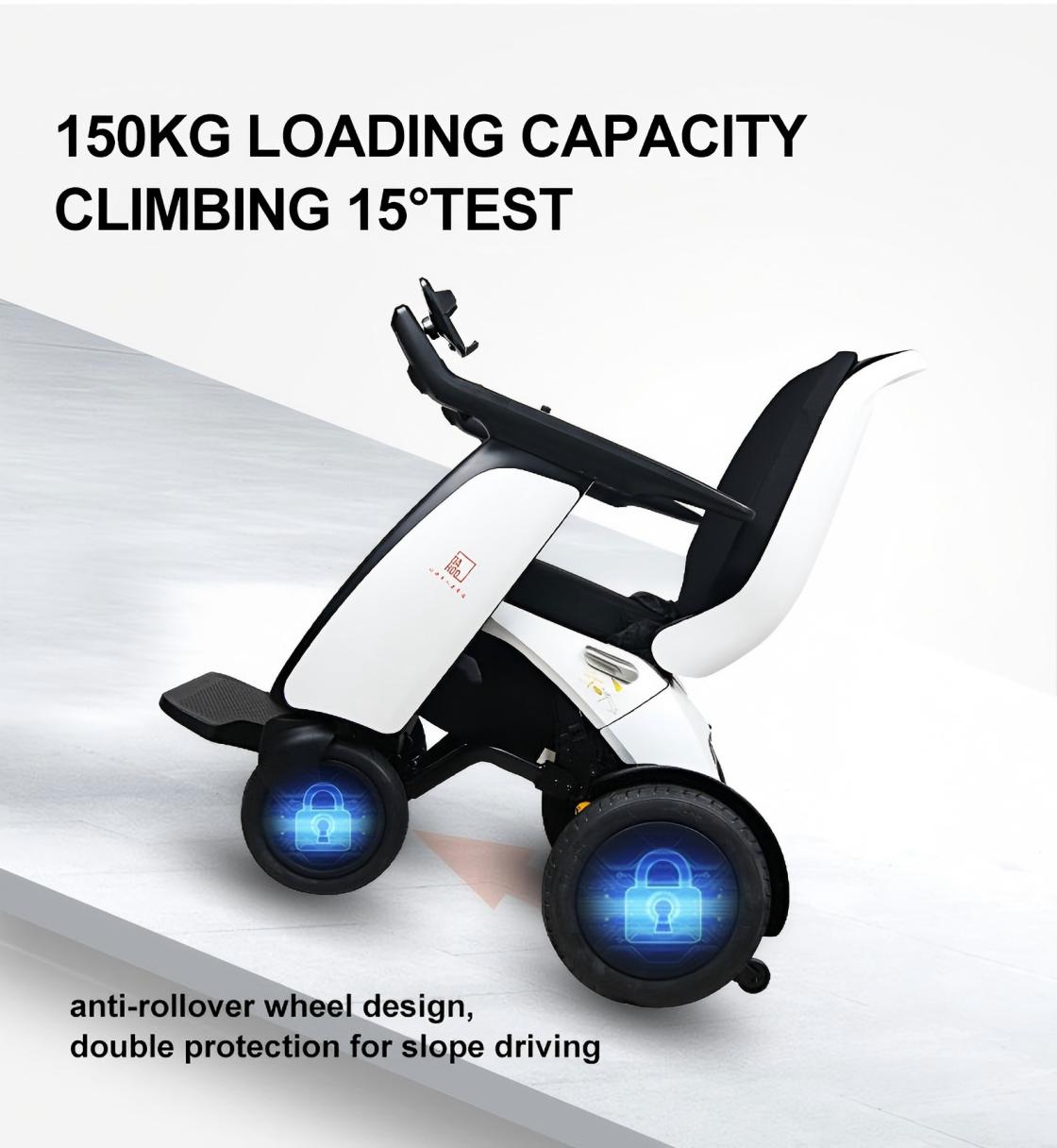
• Uphill or frequent stop-and-go driving will significantly increase power consumption
• Gravel, grass, and uneven surfaces will increase rolling resistance and accelerate power consumption
• Strong winds may also lead to increased energy consumption
Therefore, it is natural for electric wheelchair range to vary in different usage environments.
5. Temperature has a certain impact on battery performance
Lithium batteries perform less efficiently at low temperatures, so a shorter range may occur in winter. Conversely, while high temperatures can improve battery activity, excessive heat will accelerate battery aging, so prolonged exposure to direct sunlight should be avoided.
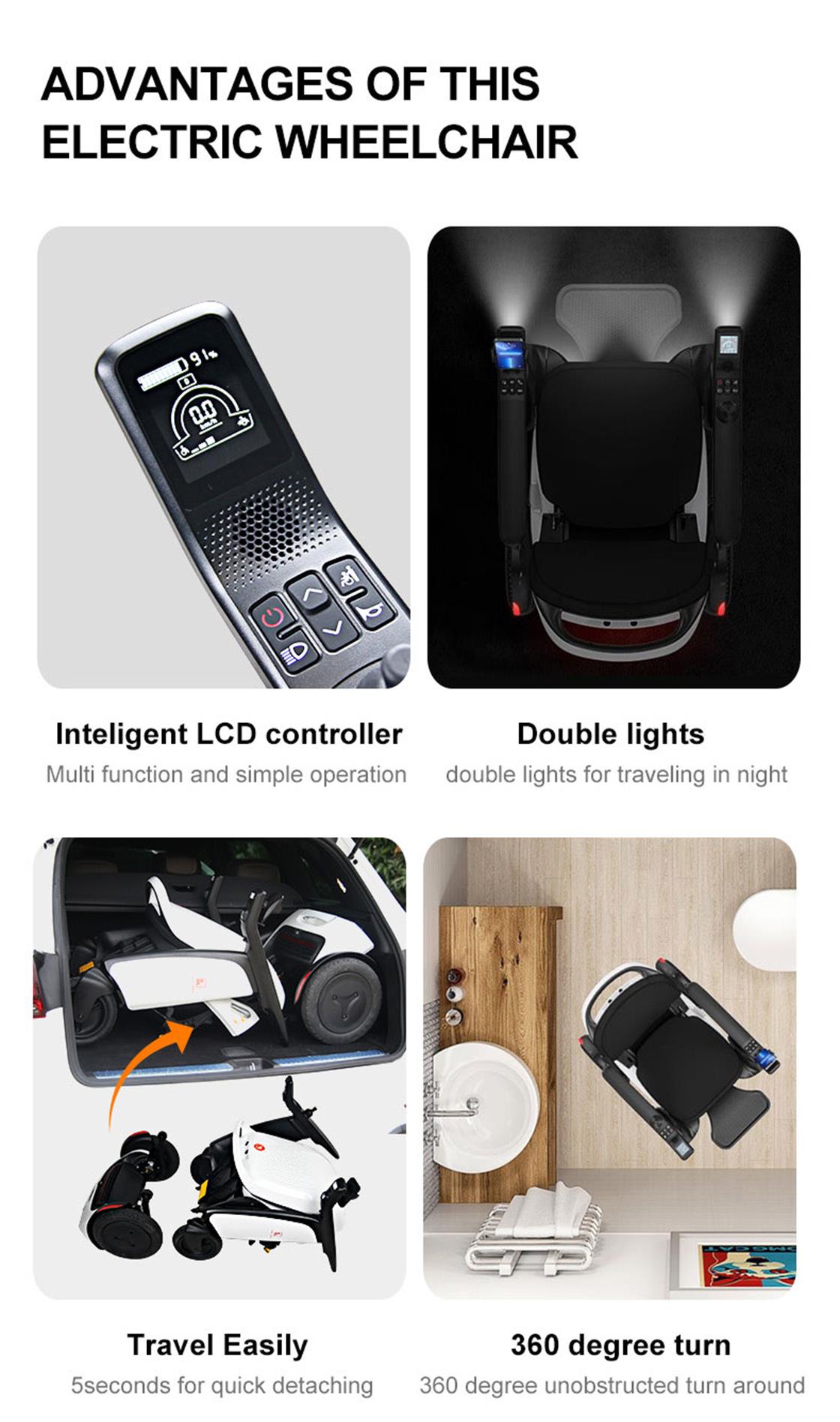
How far can a fully charged electric wheelchair travel?
Starting with a 24V 15.6AH battery
Many users see parameters like "range 15–20 kilometers" when buying electric wheelchairs, but few understand the source of this range. This section will provide a professional interpretation of the range, using a common 24V 15.6AH lithium battery as an example.
1. Actual range of a 24V 15.6AH battery electric wheelchair: approximately 15–20 kilometers
This is the standard battery capacity for many folding and portable power wheelchairs currently on the market. For everyday use, including in hospitals, communities, residential areas, and parks, this battery life is sufficient for most users.
Why 15–20 kilometers?
Because:
• Light load, flat ground, constant speed: closer to 20 kilometers
• Heavy load, slopes, complex road conditions: possibly only 14–16 kilometers
In other words, the range given by the manufacturer is based on results under comprehensive conditions.
2. Why is the actual range always slightly lower than the stated value?
Many users find that the actual range of their power wheelchair is less than the advertised figure, which is normal. The reasons are:
• Manufacturer tests are usually conducted on ideal road surfaces
• No wind resistance, no slopes
• Speed is maintained at an energy-saving level
• The user's weight is usually lighter
• No frequent starts and stops
Just like car fuel consumption tests, there will inevitably be differences between laboratory data and real-world conditions.
Why is there such a big difference in the range of power wheelchairs from different brands?
Even with the same battery capacity, the range of power wheelchairs from different brands still varies. The reasons include:
1. Differences in controller tuning
The energy management of the controller determines the efficiency of electrical energy conversion. An excellent controller can balance power output and energy consumption, allowing the electric wheelchair to travel further with the same battery.
2. Differences in motor efficiency
Even with the same 250W motor, different manufacturers have different efficiency and electromagnetic designs. This directly affects:
• Power consumption per unit distance
• Climbing ability
• Starting energy consumption
High-efficiency motors can provide 10%–20% more range than low-efficiency motors.
3. Tire material and specifications
The wider the tire, the greater the resistance; the heavier the tire, the higher the motor load. Therefore, lightweight and efficient tires will save more power.
4. Vehicle structure and weight
Lightweight power wheelchairs usually have a longer range than steel-frame electric wheelchairs because the weight of the vehicle itself affects battery consumption.
Does the range of an electric wheelchair decrease over time?
This is a very common question from users. The answer is: yes, it will decrease, but this is normal.
Lithium batteries are consumer products and will gradually degrade with the number of charge and discharge cycles. Common patterns:
• 300 charging cycles: Capacity decreases by approximately 10–15%
• 500 charging cycles: Capacity decreases by approximately 20–30%
• More than 800 charging cycles: The decrease is even more significant
Therefore, it is perfectly normal for a power wheelchair used for 2–3 years to experience a reduction in range. To extend battery life, avoid completely draining the battery before charging.
How to improve the actual range of an electric wheelchair?
Although the range is affected by multiple factors, users can still extend the mileage of their electric wheelchair through correct operation.
1. Use energy-saving gears correctly
Reducing unnecessary high-speed driving can increase the range by 10–15%.
2. Maintain normal tire pressure
Underinflated tires significantly increase rolling resistance and reduce range.
3. Avoid continuous uphill or complex terrain
Long inclines will accelerate battery depletion; choose flat routes.
4. Charge promptly and avoid deep discharge
Lithium batteries are not suitable for complete discharge; the 50–80% charge range is the most stable.
5. Control the load
Try not to overload the wheelchair; extra weight will significantly reduce the range.
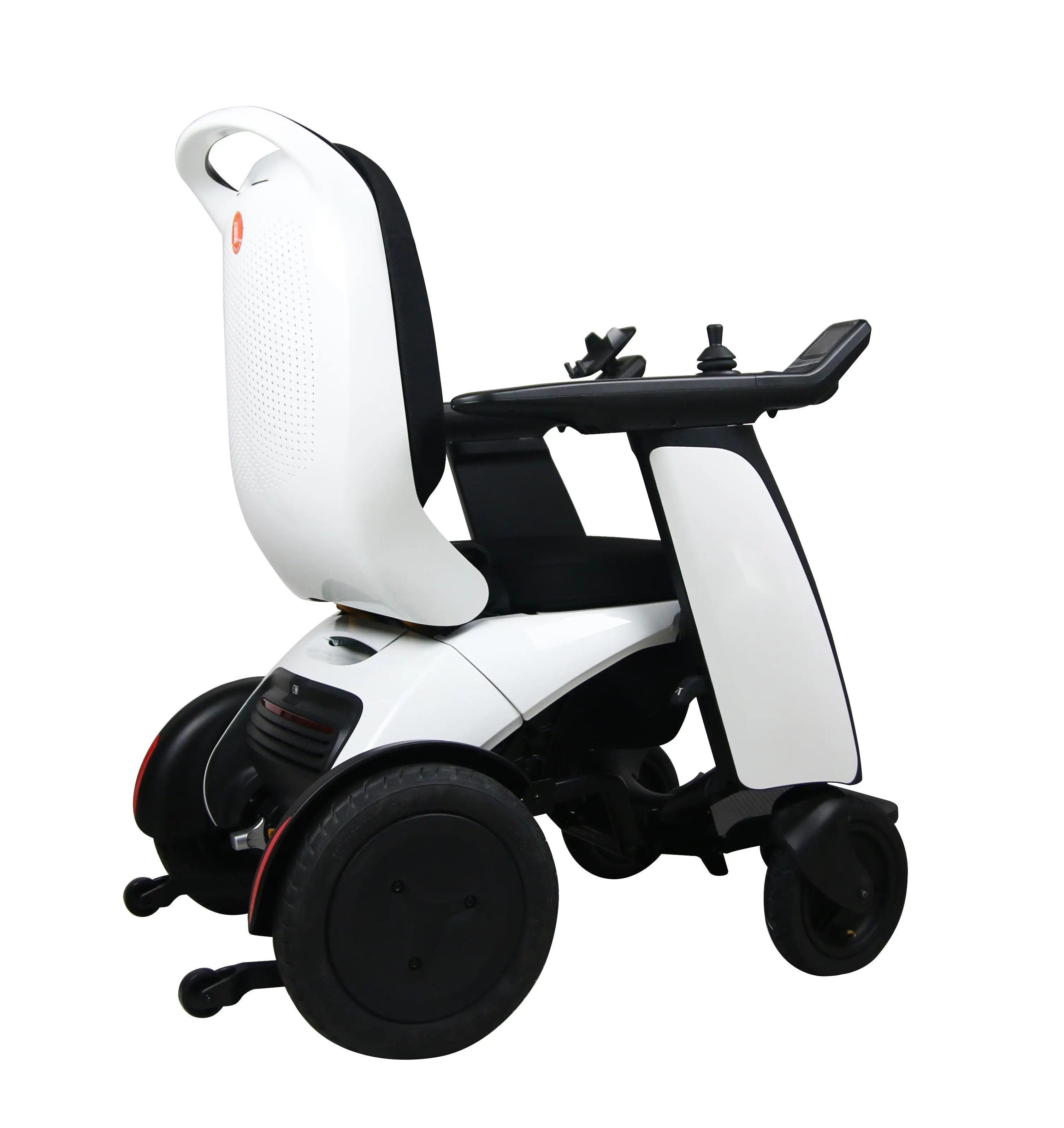
Can the battery of an electric wheelchair be replaced with a larger capacity one?
Usually yes, but you must confirm whether the controller and motor are compatible, and whether the battery compartment size allows it. Also, be aware of safety issues when replacing with a non-original battery.
How long does it take to charge a power wheelchair?
Generally, it takes 4–6 hours to fully charge (this varies depending on the battery capacity).
Will not using the wheelchair immediately after fully charging affect the battery?
No, as long as it is not left fully charged for more than two months.
Can I get assistance with choosing the right product for my needs?
Yes, Dahao Medical’s experienced team is here to help you choose the right medical equipment for your specific requirements. Whether you're looking for an Electric Wheelchair, a Transfer Chair, or a Hospital Care Bed, we offer expert guidance to ensure you select the most suitable product. Our team can provide recommendations based on your needs, budget, and preferences.
We also offer customized products if standard models don’t meet your needs. Simply reach out to us, and our customer service team will assist you in making an informed purchase.