

In modern medical and home care, the safe and efficient transfer of patients has always been a major concern. Whether in hospitals, nursing homes, long-term care centers, or home care environments, caregivers and family members often face challenges such as "laboriousness," "safety concerns," and "complex procedures" when assisting the movement of people with mobility impairments.
The lift transfer chair is a specialized transfer device developed to address this need. It effectively improves nursing efficiency, ensures patient safety, and reduces the burden on caregivers.
Through electric or hydraulic systems, the lift transfer chair allows for height adjustment and sitting/lying transitions, enabling users to transfer between beds and chairs, move short distances, and adjust posture without requiring extensive manual lifting. Due to its scientific structure, simple operation, and stable safety, the lift transfer chair has gradually become an important auxiliary tool in modern nursing systems.
This article will provide a professional analysis of key questions such as "What is a lift transfer chair? What is a lift transfer chair used for? In which scenarios is a lift transfer chair applicable? What are its core features?"
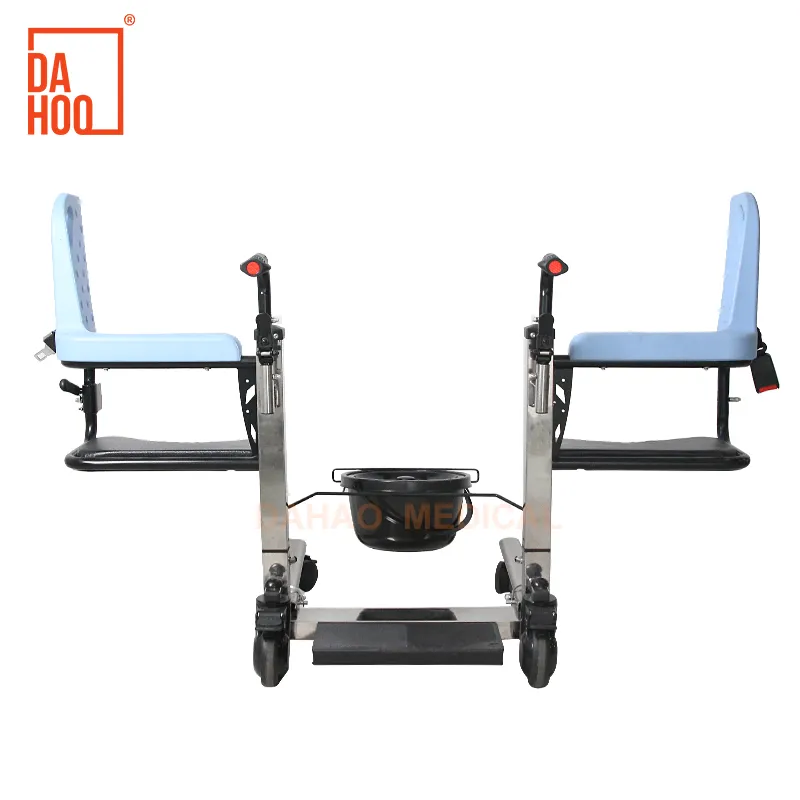
What is a lift transfer chair? What is its structure and operating principle?
A lift transfer chair is a professional assistive mobile device designed specifically for people with limited mobility, the elderly, people with disabilities, post-operative patients, and those requiring nursing assistance. It typically combines four core components: a lifting system, a load-bearing structure, safety devices, and a caster system. Through a scientifically designed structure, it achieves stable support and safe transfer.
1. Lifting System
The lift transfer chair's ability to "lift" or "transfer" lies in its internal power structure. Common power types include:
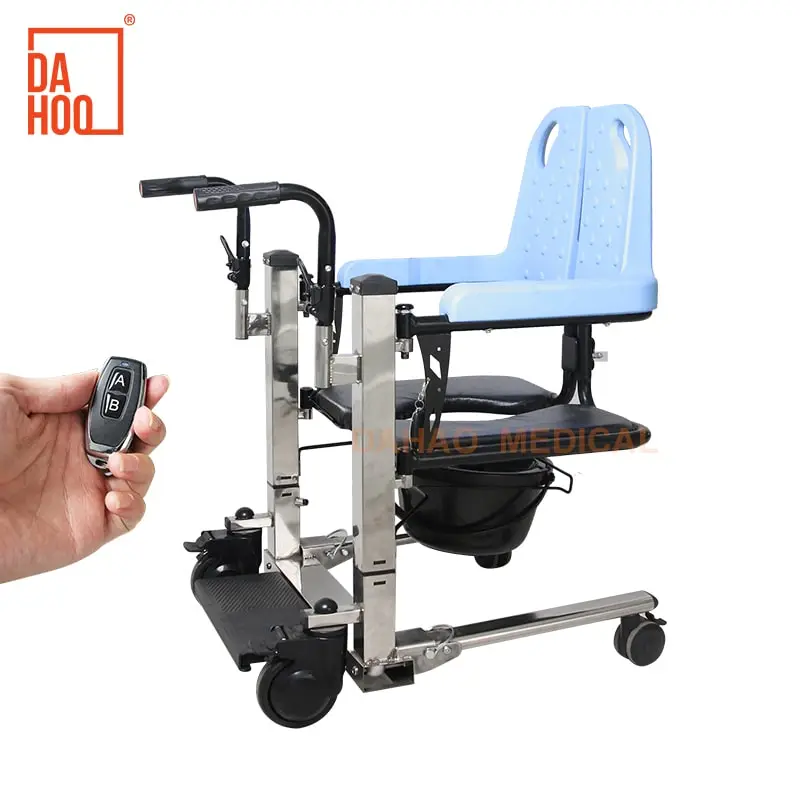
• Electric lifting system: Powered by a motor, height adjustment is controlled by a single button; this is currently the most mainstream and convenient method.
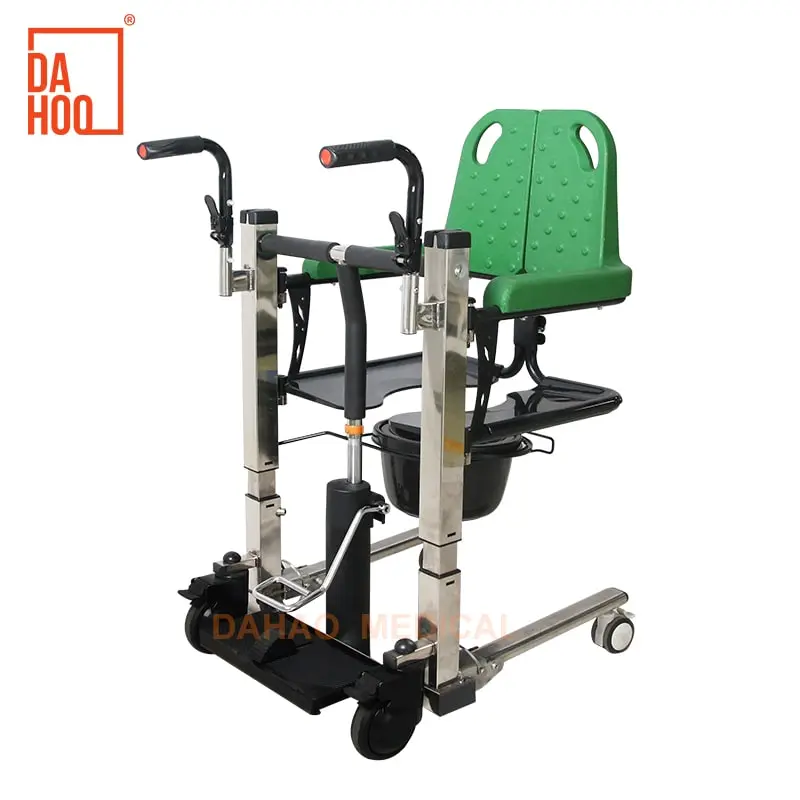
• Hydraulic lifting system: Relies on a hydraulic structure to achieve height changes; it is relatively more stable but requires manual control.
• Mechanical lifting system: A traditional method, relying on manual operation; generally used in scenarios with lower requirements.
Regardless of the lifting method used, the goal is to ensure that the user can safely rise from a lower position to the same height as the bedside, thus enabling barrier-free transfer between the chair and the bed.
2. Load-bearing Structure
The load-bearing frame of a lift transfer chair is typically made of thickened steel or high-strength aluminum alloy, capable of supporting weights ranging from tens to over one hundred kilograms. A stable load-bearing structure is crucial for safety.
3. Safety Securing Devices
To prevent users from slipping or tipping over during transfers, lift transfer chairs are typically equipped with:
• Safety belts
• Guardrails or armrests
• Non-slip seat or back cushions
• Anti-tipping design
These safety features make the transfer process more controllable and give caregivers greater peace of mind.
4. Caster System
Lift transfer chairs are equipped with multi-directional casters, enabling flexible turning and precise positioning. Many models also feature a braking system, making the transfer process safer and more stable.
In summary, a lift transfer chair is a professional nursing device that integrates lifting, transfer, safety securing, and mobility functions. Its rigorous structural design makes it suitable for various nursing scenarios.
What is a lift transfer chair used for? What are its main functions?
The primary purpose of a lift transfer chair is to assist people with mobility impairments in safe, easy, and non-carrying transfers. Its core applications include the following:
1. Safe transfers between bed and chair
One of the most common movement patterns in nursing care is switching between bed → chair → bed. Traditional methods rely on caregivers carrying the person, which is tiring and increases the risk of falls. A lift transfer chair can:
• Align with the bed edge and raise to the same height
• Open the seat or use a sliding design for smooth user movement
• Complete a safe and stable connection and transfer
This method not only reduces the effort required for the user but also significantly reduces the risk of lumbar spine injury for caregivers.
2. Assisting with sitting and standing
Many people with mobility impairments cannot stand or sit independently. A lift transfer chair can assist with the transition from sitting to standing and from standing to sitting through height adjustment, reducing the risk of falls.
3. Assisting with Short Indoor Mobility
Lift transfer chairs are equipped with wheels, allowing for short indoor movements such as:
• From bedroom to bathroom
• From bedside to living room
• Short-distance transport within the yard
Compared to wheelchairs, lift transfer chairs not only facilitate movement but also transfer and elevation.
4. Assisting with Toileting, Bathing, and Other Daily Care
Many lift transfer chairs feature:
• Removable seat cushion for use with a bedpan
• Waterproof design for use in the bathroom
This makes toileting and bathing easier, providing users with greater dignity and safety.
5. Assisting with Changing Clothes, Lower Limb Care, and Skin Care
Because the seat is height-adjustable, caregivers can operate at a more suitable height, thereby:
• Reducing bending over
• Improving care efficiency
• Reducing care risks
These uses make lift transfer chairs an indispensable aid in the care process.
Why are lift transfer chairs becoming increasingly popular?
What are their key advantages?
The increasing popularity of lift transfer chairs in medical institutions and homes is primarily due to the following factors:
1. Significantly Improved Safety
Traditional lifting methods are prone to falls, sprains, and even secondary injuries. Lift transfer chairs, with their stable structure and load-bearing system, ensure stability throughout the process, preventing impact or accidents to the user.
2. Significantly Reduced Burden on Caregivers
Caregivers often experience lower back injuries or fatigue when lifting patients. Lift transfer chairs transform caregiving into an "assistive" rather than a "physical task," effectively protecting the health of caregivers.
3. Enhanced User Comfort and Dignity
Lift transfer chairs allow for effortless transfers, making users feel:
• Not helpless when being lifted
• Not worried about becoming a burden
• The entire transfer process is natural, smooth, and elegant.
4. Multi-functional and Integrated
One lift transfer chair can perform:
• Transfer
• Mobility
• Sitting assistance
• Toileting assistance
• Bathing assistance
This improves space utilization and reduces care costs.
5. Versatile Application
Lift transfer chairs are suitable for a wide range of settings, including hospitals, nursing homes, rehabilitation centers, and homes.
Who is a lift transfer chair suitable for?
Is it suitable for all people with mobility impairments?
The lift transfer chair was originally designed to help people who cannot stand, walk, or maintain balance independently. It is primarily suitable for:
• Elderly individuals with weak legs
• Post-operative rehabilitation patients with mobility impairments
• Patients with hemiplegia due to stroke, etc.
• Patients with spinal cord injuries
• Patients with muscular dystrophy, Parkinson's disease, etc.
• People who are bedridden for extended periods but can sit up
• Obese individuals who are difficult to lift or support
While lift transfer chairs are versatile, they are not suitable for all situations. For example, patients with severe impairment and inability to cooperate may require a more comprehensive, hammock-like transfer device.
What is the significance of a lift transfer chair in home care?
Why is it gradually becoming an essential household appliance?
Modern home care emphasizes "safety, reduced burden, and dignity," and the role of lift transfer chairs in home care is becoming increasingly significant.
1. Reduces the burden of caregiving for family members
Many family caregivers lack experience and are prone to problems such as insufficient strength, incorrect posture, and slippage when lifting or assisting. A lift transfer chair allows family members to safely perform daily care.
2. Increases user autonomy
Using a lift transfer chair makes many actions, such as sitting up, moving, and toileting, easier, giving users more autonomy in their lives.
3. Creates a more professional care environment
Modern home care is becoming increasingly sophisticated, and professional equipment such as a lift transfer chair can significantly improve the quality of care.
What are the key purchasing considerations for a lift transfer chair?
How to choose the most suitable model?
To ensure effectiveness and safety, the following professional standards can be considered when choosing a lift transfer chair:
1. Does the load-bearing capacity meet the needs?
Choose an appropriate load-bearing value based on the user's weight.
2. Is the lifting mechanism safe and stable?
Electric lifting is more efficient and comfortable, suitable for most homes and institutions.
3. Does it have the necessary safety systems?
Features such as seat belts, brakes, guardrails, and anti-tipping designs are important.
4. Does it support toilet or shower use?
If used in a toilet, choose a chair with waterproof materials and hygienic features.
5. Are the chair and seat comfortable?
Ergonomic design improves posture stability and user experience.
6. Is the product easy to clean?
Removable and washable seat cushions and waterproof materials are more suitable for long-term use.
These criteria help select the most suitable lift transfer chair model for individual or institutional needs.
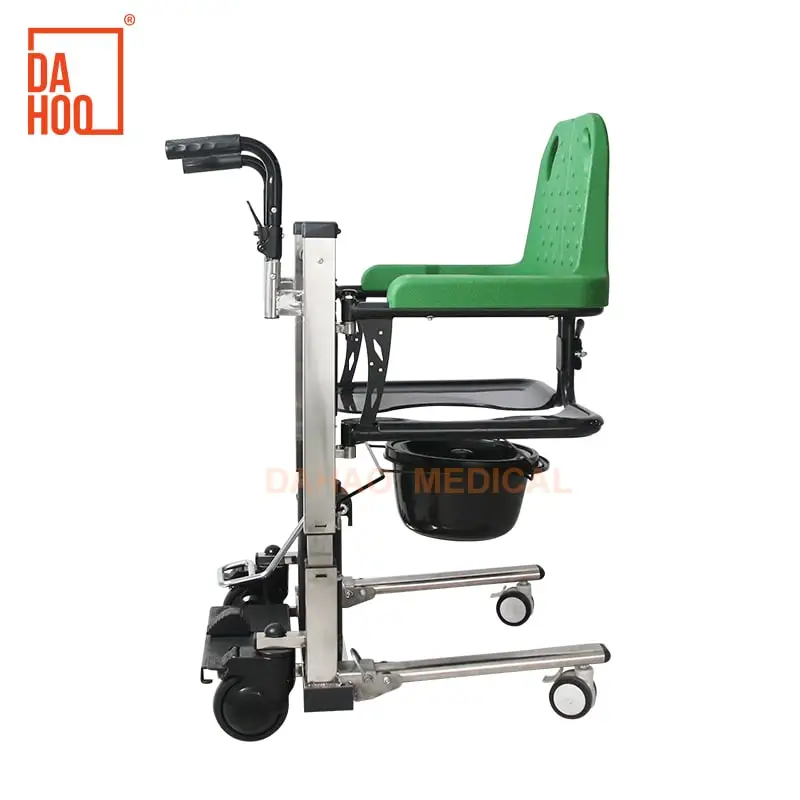
Is the lift transfer chair difficult to operate? What are the usage steps?
Many people worry that lift transfer chairs are difficult to use, but their design prioritizes simplicity and safety. The general operating steps are as follows:
1. Push the lift transfer chair to the bedside or target location.
2. Adjust the height and angle to align it with the bed edge.
3. Open or adjust the seat to help the user get into position.
4. Secure the user with the safety belt.
5. Adjust to a suitable height using the lifting system.
6. Gently push to complete the short-distance movement within the room.
7. Once at the destination, adjust the height again to complete the transfer.
The entire process is simple and easy to understand; even family members without caregiving experience can quickly master it.
Why has the lift transfer chair become a key tool in modern nursing care?
As an important component of modern nursing equipment, the lift transfer chair truly solves two core problems in the nursing process:
• How to safely and efficiently transfer users with limited mobility?
• How to reduce the physical burden on caregivers?
Whether in hospitals, nursing homes, or ordinary homes, the lift transfer chair provides stable, safe, and convenient nursing assistance. It not only improves the user's quality of life but also brings a more relaxed and safer way of working for caregivers.
For anyone requiring transfer assistance, mobility support, and daily care, a lift transfer chair is an essential assistive device.
If you're looking for a professional tool that reduces the risks of carrying others, increases care efficiency, and improves your quality of life, then a lift transfer chair is undoubtedly a worthwhile investment.
What payment options are available for purchasing from Dahao Medical?
Dahao Medical offers a variety of secure payment methods for your convenience. We accept bank transfers, credit cards, PayPal, and other reliable payment methods. Whether you are purchasing in bulk or ordering customized products, we ensure that the payment process is safe and straightforward. If you have specific payment requirements or need assistance, our customer service team is always available to provide support and guidance.