

As an important component of modern assistive mobility devices, power wheelchairs have revolutionized the daily lives of many people with mobility impairments. They allow users greater freedom of movement, easier access to services, and significantly improved autonomy. However, despite the numerous conveniences they bring, electric wheelchairs still present some issues that cannot be ignored during use.
Many users encounter challenges regarding battery life, weight, safety, maintenance costs, and user habits when purchasing or using electric wheelchairs. Therefore, it is essential to discuss the question, "What are the problems with electric wheelchairs?" in depth.
This article will provide a comprehensive analysis of the main problems that power wheelchairs may encounter from a professional perspective, helping users better understand potential risks and thus better select, use, and maintain power wheelchairs.

Why do various problems arise when using electric wheelchairs?
Electric wheelchairs are devices that highly integrate mechanical, motor, battery, and structural systems. Problems in any of these aspects during use can affect overall performance. Common problems encountered by electric wheelchair users are closely related to the following factors:
• Limitations of battery technology
• Wear and tear on the motor and electronic control system
• Complexity of the usage environment
• Different user operating habits
• Differences in product quality
• Insufficient maintenance
Before delving into each problem, we need to clarify one point—these problems with electric wheelchairs do not mean they are "unusable," but rather that users need to understand and manage them correctly in advance.
Why does the range of a power wheelchair decrease?
One of the most common problems with electric wheelchairs is "reduced range." Many users find that while the range is long when they first buy it, it decreases after a period of use.
Battery Lifespan Inevitably Decreases with Age
Both lithium and lead-acid batteries experience natural degradation. After hundreds of charge-discharge cycles, the battery capacity gradually decreases.
• New battery → Longest range
• 1–2 years of use → Battery capacity decreases by 10–30%
• 3 years or more of use → Significantly reduced range
This is one of the most common and natural phenomena with power wheelchairs.
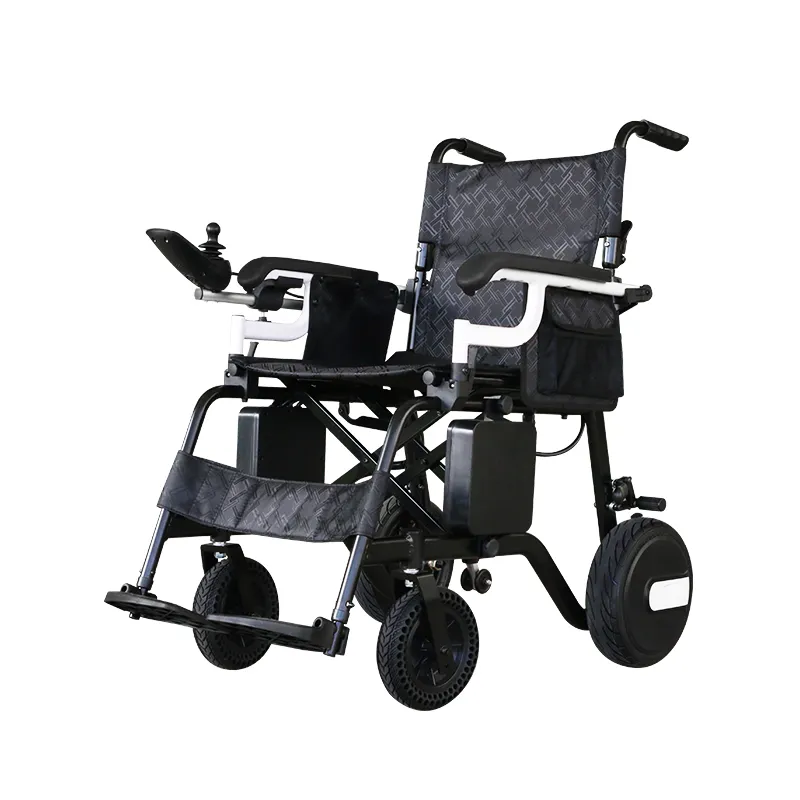
Why does battery life degradation affect the user experience?
Because shorter battery life means:
• Limited time for each outing
• More frequent charging
• Users may worry about running out of power mid-journey
• Long-distance trips require advance planning
This forces users to constantly monitor battery status, especially before going out or leaving the electric wheelchair unused for extended periods, and to carefully check the battery's health.
What factors accelerate battery life degradation?
• Prolonged deep discharge
• Prolonged periods without charging
• Exposure to direct sunlight or extremely low temperatures
• Excessive weight
• Complex road conditions leading to high power consumption
Therefore, battery life issues are not a product defect, but a natural phenomenon that must be faced and managed during use.
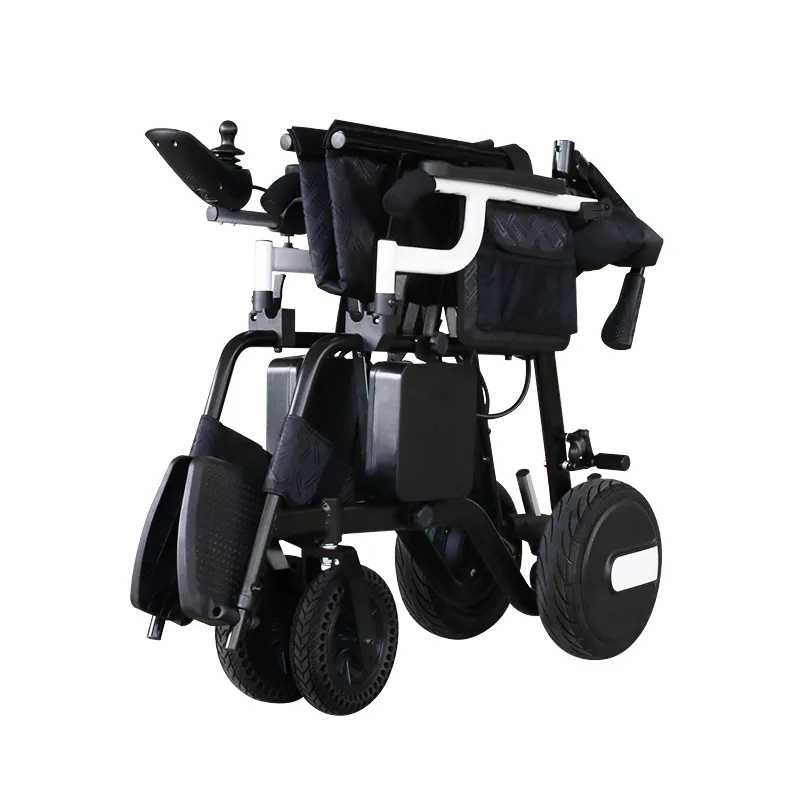
What problems does the weight of an electric wheelchair cause?
While electric wheelchairs are easy to operate and highly comfortable, their weight is consistently one of the most frequent user complaints.
Why are electric wheelchairs so heavy?
Because electric wheelchairs contain:
• Battery (heaviest component)
• Motor
• Metal frame
• Control system
• Tires and seat structure
These essential components cause most electric wheelchairs to weigh between 20 and 50 kg, with heavy-duty models exceeding 70 kg.
What are the effects of excessive weight?
1. Difficult to move
Family members or caregivers often encounter difficulties moving electric wheelchairs, such as:
• Going up and down stairs
• Putting it in a car trunk
• Navigating narrow spaces
This is especially strenuous for elderly caregivers.
2. Not easy to fold
While lightweight folding electric wheelchairs exist, most standard and heavy-duty models, which offer greater stability, are not portable.
3. Limited space for use
The weight makes them difficult to push and unsuitable for use on carpets, in small doorways, or in narrow passageways.
Therefore, while power wheelchairs improve mobility, they present inconveniences in terms of moving and storing.
What problems might power wheelchairs face in complex road conditions?
Users often mistakenly believe that power wheelchairs can handle all terrains, but in reality, their obstacle-crossing ability is limited.
Why can't power wheelchairs handle all terrains?
Electric wheelchairs are designed with stability and safety in mind, not off-road performance.
Therefore, problems may arise in the following scenarios:
• Thresholds with significant height differences
• Gravel roads
• Grass or mud
• Steep slopes
• Roads with potholes
These paths can cause:
• Wheel slippage
• Increased rolling resistance
• Increased power consumption
• Increased susceptibility to damage
Why are slopes one of the biggest enemies of electric wheelchairs?
While electric wheelchairs can climb slopes, steep inclines can lead to:
• Slippage
• Inability to climb
• Motor overheating
• Electronic control system alarms
• Risk of the wheelchair tipping backward
Therefore, in complex outdoor environments, power wheelchairs cannot completely replace walking or other modes of transportation.
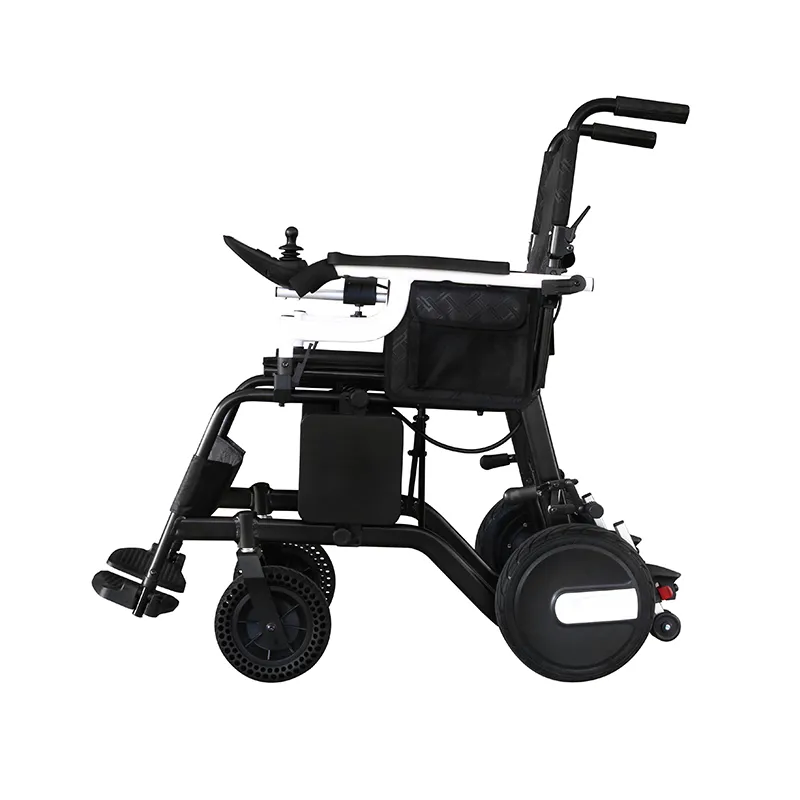
Are the maintenance costs of electric wheelchairs too high?
Many users underestimate the maintenance needs of electric wheelchairs. They are not "buy and use forever" devices; they require regular maintenance.
Which components require the most frequent maintenance?
1. Battery (most easily worn out, requires periodic replacement)
2. Motor (may increase noise after prolonged use)
3. Controller (may malfunction due to moisture)
4. Tires (requires regular checks of wear and tire pressure)
5. Braking system (must be checked for safety)
Why are maintenance costs relatively high?
• High battery replacement costs
• Motors and control systems are precision devices
• High cost of professional repair personnel
• Some parts need to be custom-made from the manufacturer
Therefore, power wheelchairs require continuous investment over the long term.
What are some potential safety issues with electric wheelchairs?
Although power wheelchairs are designed with stability and safety in mind, some risks may still arise during actual use.
Common safety issues include:
1. Sudden acceleration or abrupt stop due to misoperation
For users new to power wheelchairs, unfamiliarity with operation can lead to danger.
2. Braking delay issues
Braking distance increases significantly, especially on wet or slippery surfaces.
3. Inclined Issues on Slopes
Steep slopes pose a risk of tipping over.
4. Sudden Power Loss Due to Battery Failure
Sudden loss of power is extremely dangerous for the user.
These issues are not product design flaws, but rather potential risks stemming from the usage environment and operating habits.
What health problems arise from prolonged sitting in an electric wheelchair?
Many users rely on electric wheelchairs for all-day mobility, but prolonged sitting is not healthy.
Why does prolonged sitting affect health?
• Lack of muscle activity
• Poor blood circulation in the lower limbs
• Potential for pressure sores (excessive seat pressure)
• Increased strain on the lumbar spine
While power wheelchairs offer freedom of movement, users are discouraged from maintaining the same posture for extended periods.
What are some common storage challenges associated with power wheelchairs?
Many households do not have dedicated space for power wheelchairs, which can cause difficulties in their use.
Storage issues include:
• Large size, difficult to place in a room or on a balcony
• Cannot be placed in a humid environment for extended periods
• Batteries require regular charging to avoid over-discharge
• Requires dry and well-ventilated conditions to prevent moisture damage to the electronic control system
Improper storage may increase malfunctions.
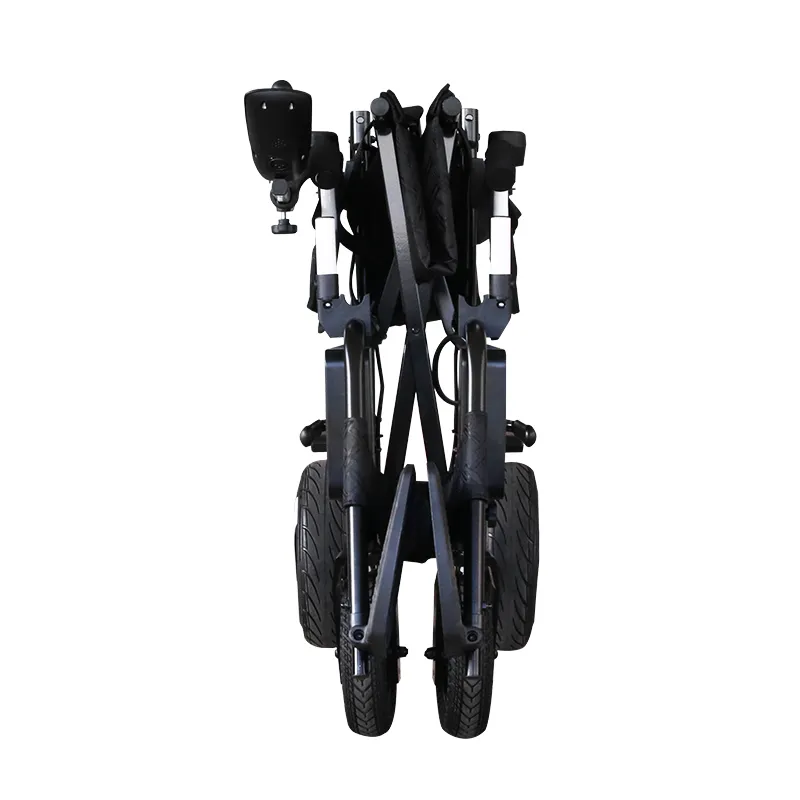
Is the price of power wheelchairs a concern?
The technology and structure of power wheelchairs determine their relatively high cost.
Why are power wheelchairs expensive?
• Requires a high-performance motor
• High cost of lithium batteries
• High durability requirements for frame materials
• Complex control system
• Significant brand differences
For those with limited budgets, this is an investment that requires careful consideration.
Do electric wheelchairs need to be charged daily?
It depends on usage frequency, but avoiding deep discharge is the most basic principle.
Can electric wheelchairs be used in the rain?
Yes, but prolonged exposure to rain is not recommended, as the electronic control system is easily damaged.
What precautions should be taken when not using an electric wheelchair for extended periods?
Regular charging is essential to maintain battery activity and prevent over-discharge.
What problems exist with electric wheelchairs?
Electric wheelchairs are important devices for improving freedom of movement, but they do have some issues that cannot be ignored, including:
• Reduced battery life leading to shorter range
• Heavy weight making them difficult to move
• Insufficient adaptability to complex terrain
• High maintenance costs
• Operational and safety risks
• Health hazards from prolonged sitting
• Large storage space requirements
• High price
These issues do not mean that power wheelchairs are bad, but rather remind users to choose them wisely, use them correctly, and maintain them regularly.
The advantages of power wheelchairs are very obvious. As long as users understand their potential problems, they can better realize the value of electric wheelchairs and improve their quality of life.
What makes Dahao Medical stand out from other suppliers?
Dahao Medical stands out in the medical equipment industry for its commitment to quality, customer service, and innovation. As a manufacturer based in China, we offer competitive pricing without compromising on quality. Our products are certified with ISO, FDA, and CE, ensuring compliance with international standards.
We also offer customized custom solutions, quick delivery, and a professional team dedicated to meeting client needs. Whether you’re purchasing in bulk or seeking solutions, Dahao Medical is your reliable partner in healthcare equipment.