

In hospital ward configurations, "regular nursing beds" and "ICU HOSPITAL BEDs" are two of the most widely used types of medical equipment. While both are medical beds, their design logic differs due to variations in the usage environment and patient conditions. Regular nursing beds emphasize the convenience of basic care, while ICU HOSPITAL BEDs focus on the monitoring needs of critically ill patients, providing more comprehensive, safer, and more professional nursing support.
So, what exactly are the differences between an ICU HOSPITAL BED and a regular nursing bed? What functions are unique to ICU wards? How should hospitals choose when purchasing them?
This article will provide an in-depth analysis of these questions.
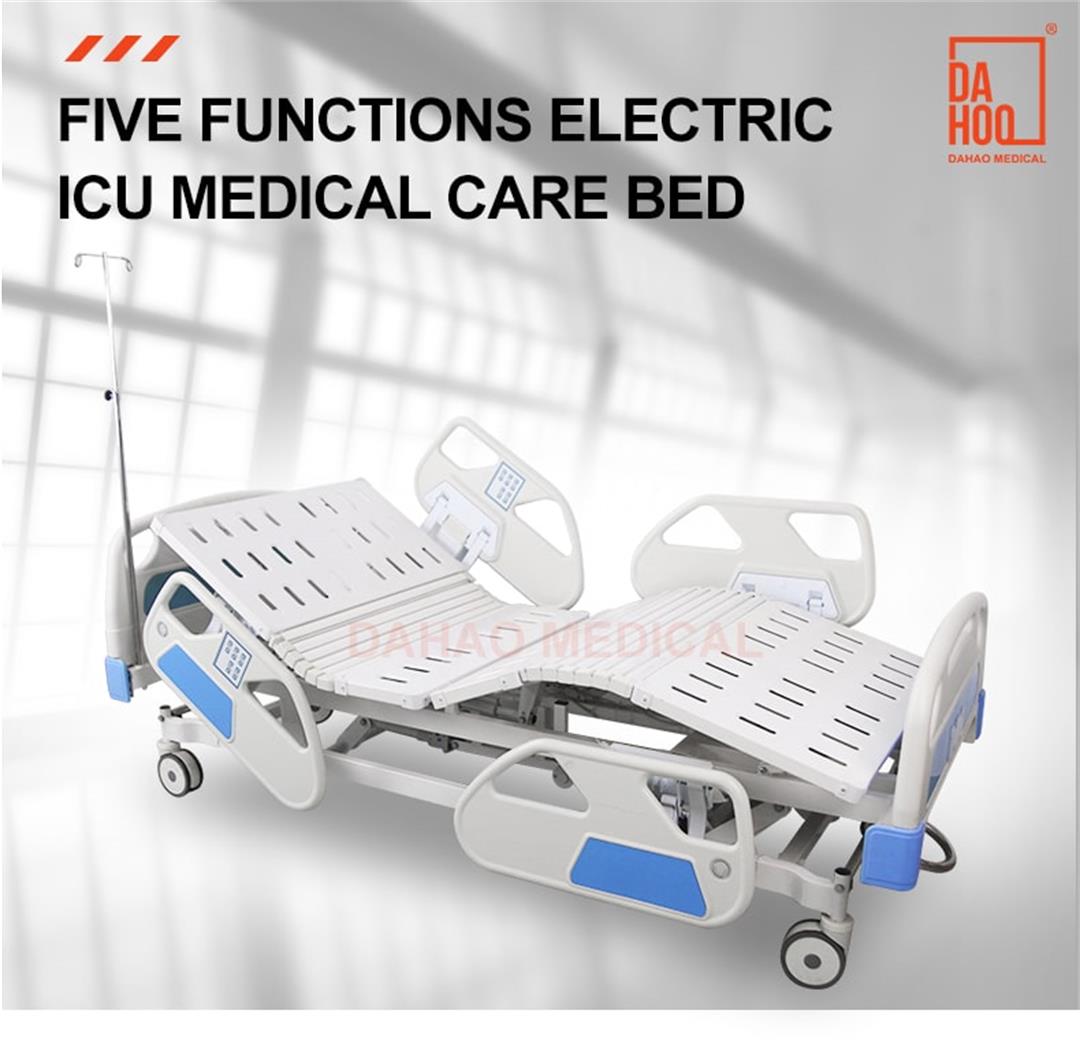
What is an ICU HOSPITAL BED?
An ICU HOSPITAL BED (Intensive Care Unit Bed) is primarily used in intensive care units for patients with unstable vital signs who require continuous monitoring or emergency support.
Its design must meet the following requirements:
• High-intensity nursing procedures
• Multi-device linkage
• Rapid patient positioning
• Emergency resuscitation needs
• High safety protection
Therefore, the positioning of the ICU HOSPITAL BED is very clear—to provide a comprehensive, stable, and efficient treatment platform for critically ill patients.
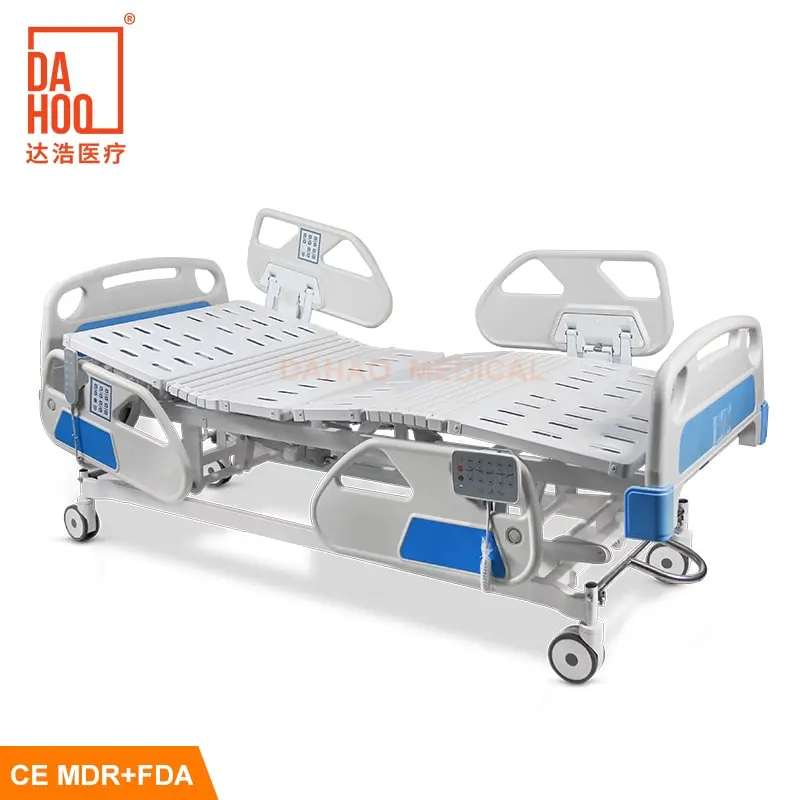
ICU HOSPITAL BEDs typically feature:
• Fully electrically adjustable
• Multi-directional patient positioning settings
• Convenient operating system for medical staff
• High load-bearing structure
• Fall-proof and anti-slip design
• High compatibility with monitoring systems
It is not just a hospital bed, but a comprehensive nursing care system.
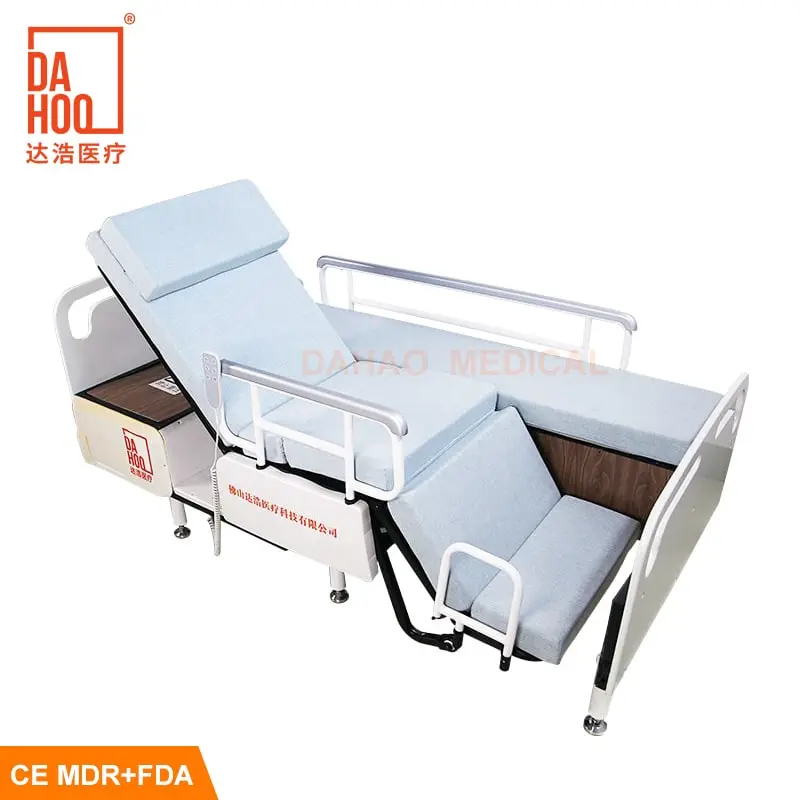
What is a regular nursing bed? What are the design priorities?
Regular nursing beds are mainly used in general internal medicine, surgery, and rehabilitation wards, primarily meeting the daily nursing needs of general patients.
Standard hospital beds prioritize:
• Simplicity and practicality
• Basic positioning adjustments
• Nursing flexibility
• Cost control
Generally, they can be categorized as:
• Manual nursing beds
• Semi-electric nursing beds
• Simple electric nursing beds
These beds emphasize daily care and patient comfort, offering basic functionality sufficient for most standard ward needs.
What are the core differences between ICU hospital beds and standard nursing beds?
The following will break down the differences in detail along key dimensions to provide readers with a clear understanding of the distinctions.
What are the structural design differences between ICU hospital beds?
ICU hospital beds typically utilize a high-strength steel frame structure because critically ill patients may require:
• Resuscitation procedures
• Frequent turning
• Ventilator connection
• Suspension of numerous accessories
• Multiple position changes
Therefore, ICU hospital beds are more stable and have a stronger load-bearing capacity.
In contrast, standard nursing beds are lighter and have a lower load-bearing capacity, primarily designed for routine care.
The main structural differences include:
Project | ICU Hospital Bed | Standard nursing bed |
| Bed frame strength | High-strength steel, reinforced structure | Standard steel frame |
| Load-bearing capacity | Higher elevation, suitable for emergency procedures | Medium size |
| Bed board structure | Multi-section bed board, finely adjustable | 2-3 bed sections |
| Stability | High stability, centrally controlled braking system | Stable foundation |
These structural differences reflect the varying intensity of use and safety standards in different wards.
What features does an ICU HOSPITAL BED lack compared to a standard nursing bed?
ICU HOSPITAL BEDs offer significantly more features because ICU patients require extensive specialized care.
Typical features of an ICU HOSPITAL BED include:
• Fully electric control system
• Forward/backward tilt (Trendelenburg)
• Lateral tilt (automatic turning)
• One-touch CPR supine function
• Wide range of bed height adjustment
• Memory position settings
• Bed exit alarm
• Backup battery system
These features significantly improve care efficiency and safety.
Standard nursing beds typically only have:
• Backrest adjustment
• Legrest adjustment
• Limited bed height adjustment (electric model)
Fewer features, suitable for routine care rather than emergency care.
Why are safety requirements higher for ICU hospital beds?
Critically ill patients are often unable to move or protect themselves independently, and frequently experience:
• Unstable breathing
• Hemodynamic instability
• High risk of falls
• Various tubing and equipment connections
Therefore, safety requirements in ICU wards are extremely high.
Common safety features of ICU hospital beds include:
• Highly secure full-length guardrails
• Anti-pinch design
• Non-slip bed surface
• Bed exit alarm system
• Emergency stop button
• Central braking system
• Backup battery (electric function still usable during power outages)
While regular nursing beds also have guardrails, they are mostly basic models with fewer alarm systems.
How do the operation methods of ICU hospital beds differ?
ICU hospital beds are typically designed for primary control by healthcare staff and include:
• Nurse control panel (bedside)
• Foot-of-bed control panel
• Remote control handle (for healthcare staff)
• Emergency CPR button
Regular nursing beds prioritize patient autonomy; some electric beds are equipped with a patient remote control for adjusting the backrest or legrests.
What equipment can an ICU hospital bed be used with?
ICU hospital beds are designed for high compatibility with intensive care equipment, such as:
• Ventilators
• Monitors
• Infusion pumps
• Hemodialysis machines
• Suctioning systems
• Bedside emergency equipment
• Multifunctional stands
ICU hospital beds may include monitor stands, IV stand interfaces, drainage hooks, and equipment platforms.
Regular nursing beds have more basic compatibility, typically requiring only:
• IV stand
• Bedside table
• Simple monitor
They do not need to support a large amount of equipment.
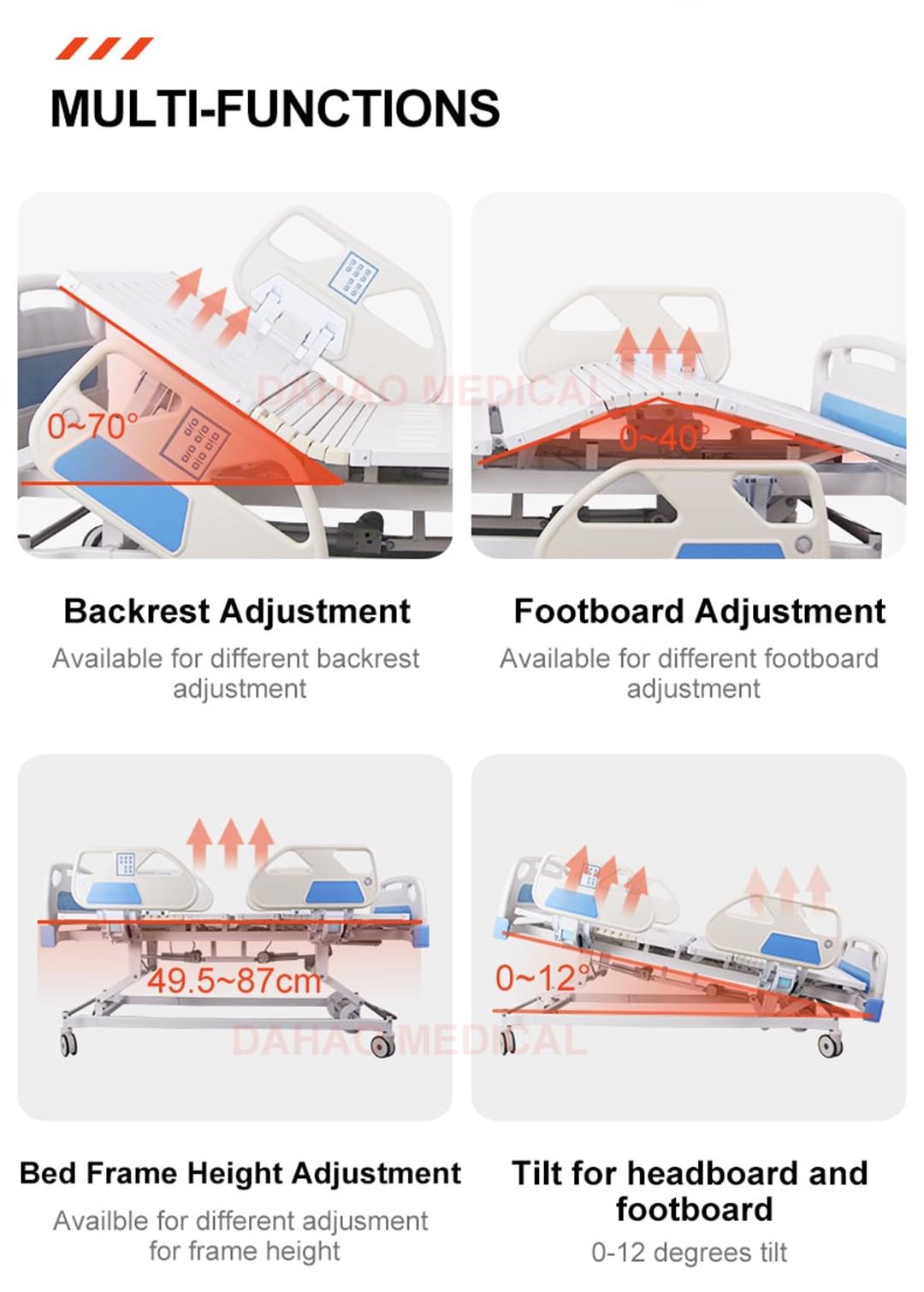
Does the adjustment range of an ICU HOSPITAL BED exceed that of a standard nursing bed?
Yes, the adjustment range of an ICU HOSPITAL BED is significantly greater, especially in:
• Bed height adjustment range
• Lateral tilt angle
• Forward/backward tilt angle
• Backrest and legrest angle
For example:
• The ICU HOSPITAL BED allows for 0°–70° backrest adjustment
• The ICU HOSPITAL BED allows for 0°–30° lateral tilt
• The ICU HOSPITAL BED allows for quick "one-button" flat positioning for emergency situations.
Standard nursing beds have fewer adjustment points and a smaller adjustment range.
What are the differences in usage scenarios between an ICU HOSPITAL BED and a standard nursing bed?
Suitable scenarios for ICU HOSPITAL BEDs:
• Intensive Care Unit (ICU)
• CCU (Coronary Care Unit)
• MICU, SICU, NICU
• Resuscitation Room
• Postoperative Recovery Room
These areas have extremely high monitoring requirements.
Suitable Scenarios for Standard Nursing Beds:
• General Inpatient Wards
• Rehabilitation Departments
• Obstetrics Departments
• General Internal Medicine and Surgery Departments
These areas have relatively low nursing intensity.
Therefore, ICU HOSPITAL BEDs are designed for intensive care, while standard nursing beds are suitable for stable patients undergoing inpatient treatment.
What key considerations should hospitals focus on when purchasing ICU HOSPITAL BEDs and standard nursing beds?
Key considerations when choosing an ICU HOSPITAL BED:
• Motor quality
• Load-bearing capacity
• Completeness of safety features
• Side tilt, forward tilt, and backward tilt functions
• Quick CPR reset
• Compatibility with monitoring equipment
• Professionalism of the control interface
• Backup power supply configuration
Key considerations when choosing a standard nursing bed:
• Whether it meets basic nursing needs
• Whether electric functions are required
• Bed material and durability
• Cost and maintenance costs
• Ease of patient self-operation
Hospitals should select the most suitable bed type based on the characteristics of their ward.
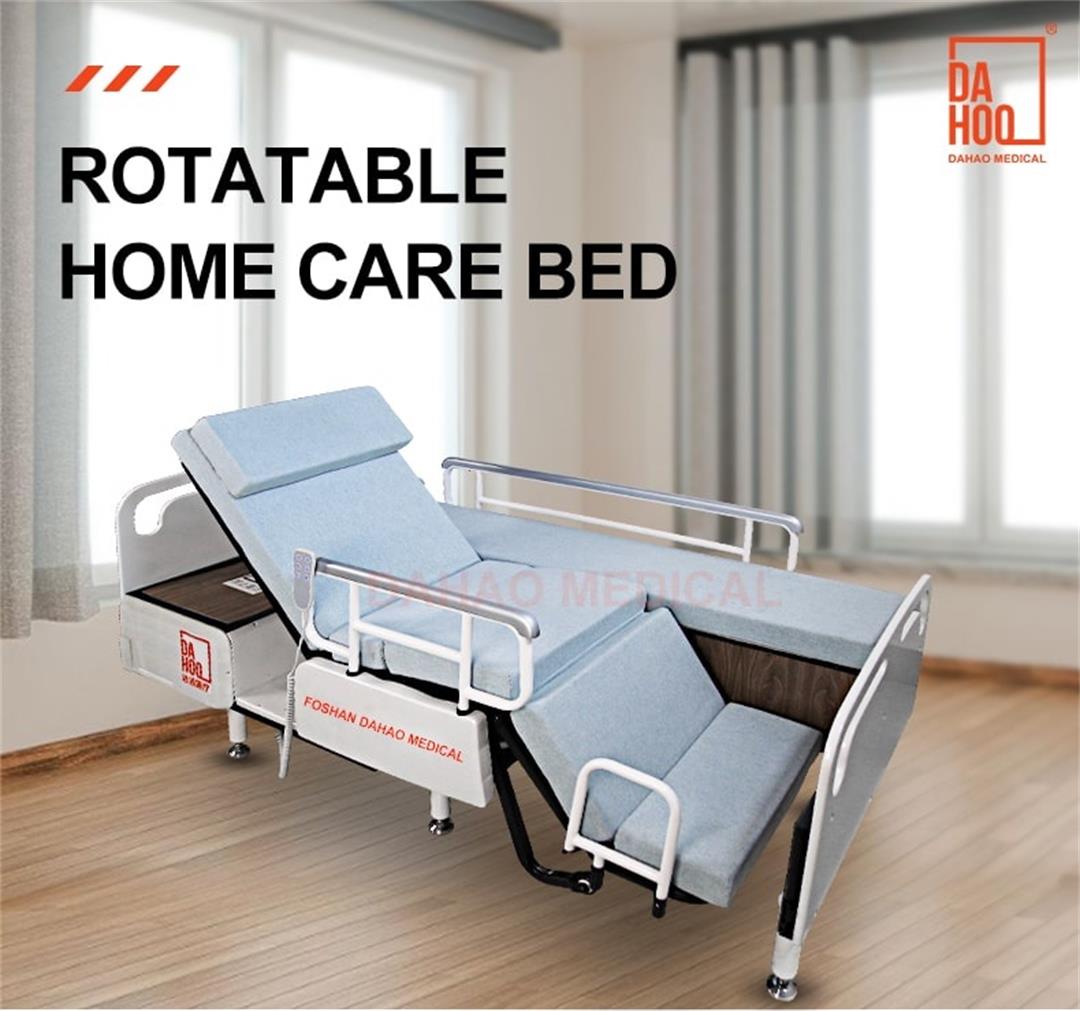
The Difference Between an ICU Hospital Bed and a Regular Nursing Bed lies Not Only in Function, But Also in Their Different Levels of Importance
An ICU hospital bed is designed for critically ill patients and is a core piece of hardware in the intensive care unit; a regular nursing bed, on the other hand, provides basic nursing support for general hospitalized patients.
The essential differences between them can be summarized as follows:
• Different functional levels
• Different safety standards
• Different adjustment ranges
• Different structural strengths
• Different applicable scenarios
• Different nursing goals
For hospitals, choosing the right bed is not just a matter of equipment procurement, but also directly affects the quality of care, the efficiency of emergency care, and patient safety.
What is the lead time for custom orders?
The lead time for custom orders at Dahao Medical depends on the complexity of the product and the order quantity. Typically, custom products such as electric wheelchairs or home care beds can take between 3 and 6 weeks to manufacture and deliver. Our team works closely with clients to ensure timely production and delivery. If you have specific deadlines or urgent needs, we can discuss expedited options to meet your timeline.