

A lift transfer chair is an increasingly common assistive device in hospitals, nursing homes, and home care environments. Many people wonder: is a lift transfer chair a medical device?
The answer is: Yes, a lift transfer chair falls under the category of medical devices, and it must comply with relevant medical device standards or regulatory requirements in different countries and regions.
To help users deeply understand the classification criteria, usage scenarios, target populations, core structure, and reasons why lift transfer chairs are considered medical devices, this article will analyze this from multiple perspectives, allowing you to more clearly determine why lift transfer chairs are included in the scope of medical device management.
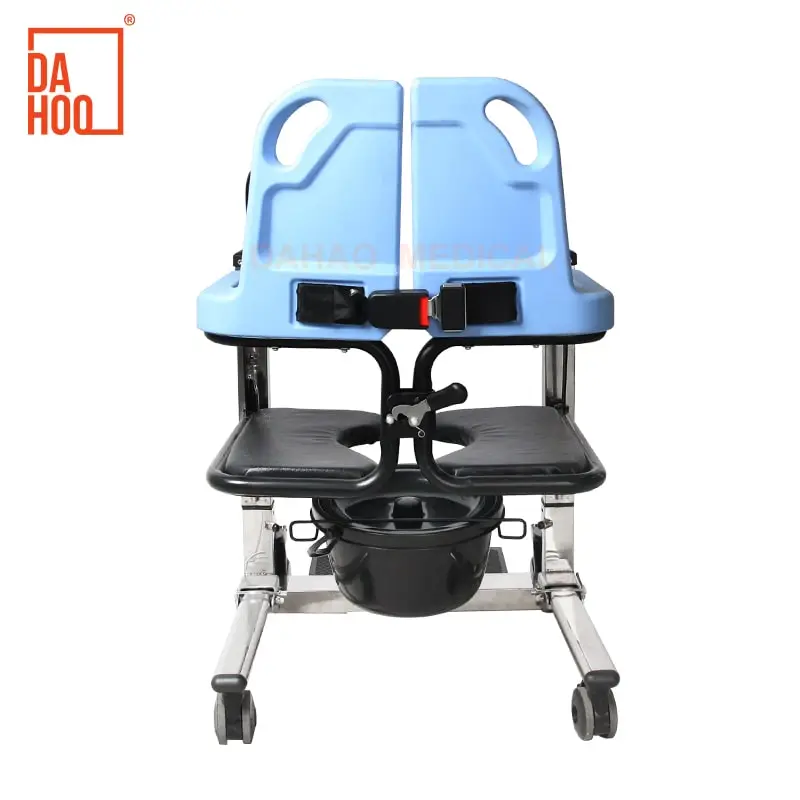
Is a lift transfer chair a medical device?
A lift transfer chair is clearly classified as a medical device; this is supported by relevant standards in various medical device classification systems.
The main reasons are as follows:
• The lift transfer chair directly participates in altering the patient's mode of movement and providing physical support.
• It is used to assist in the transfer, lifting, and short-distance displacement of people with limited mobility.
• The device itself has medical assistive functions such as load-bearing, braking, lifting, and support.
• Incorrect use may directly affect patient safety, therefore it must be regulated.
Whether in a hospital, nursing home, or home environment, the core purpose of the lift transfer chair is to safely and effectively complete the patient transfer task, which is precisely the basic attribute that medical devices must possess. Therefore, its function and role conform to the logical definition of a medical device.
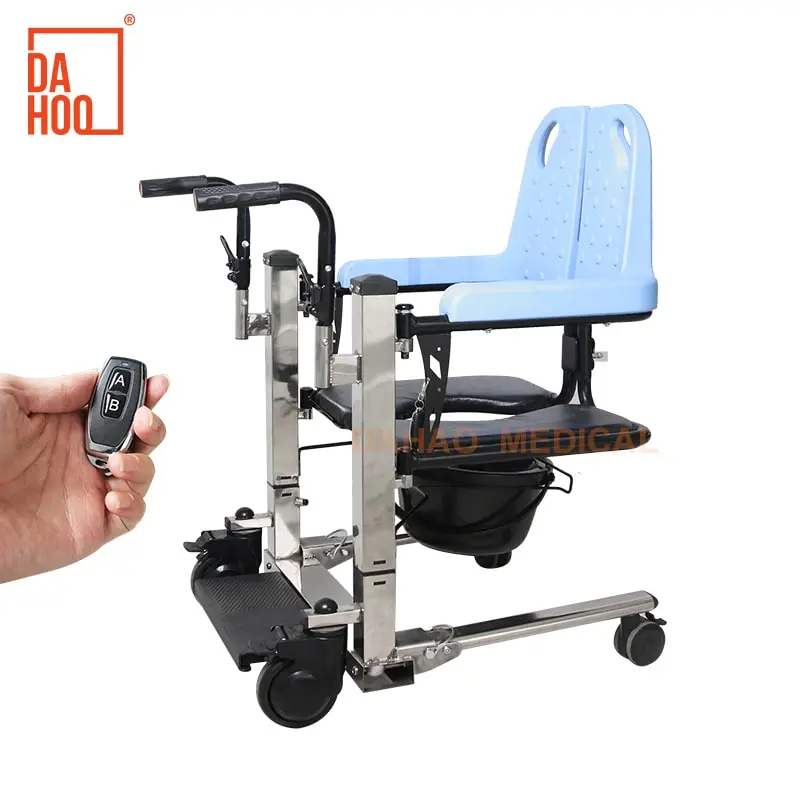
Why is the lift transfer chair included in the category of medical devices?
The lift transfer chair is classified as a medical device mainly around the core criterion of "direct impact on the human body." So why must it be regulated as a medical device?
Does it have a direct impact on the patient?
Yes. The lift transfer chair maintains constant contact with the human body throughout its use, including:
• Seat support
• Back support
• Head support
• Armrest support
• Footrest support
• Stress changes during lifting
It plays a crucial role in "load-bearing and support," thus having a direct and significant impact on patient safety.
Is the lift transfer chair used for patients with illness or disability?
Yes. The lift transfer chair is primarily used for:
• Decreased mobility
• Muscle weakness
• Hemiplegia
• Limited activity during rehabilitation
• Decreased physical fitness in the elderly
• Temporary or long-term mobility impairmentsThese all fall under the field of medical care; therefore, the device inherently serves individuals with illness or declining physical function.
Does the lift transfer chair have medical assistive functions?
Yes. It assists patients in safely transferring in the following ways:
• From bed to wheelchair
• From wheelchair to toilet
• From room to bathroom
• From floor to bed
• From indoor transport to examination area
These are all part of medical care procedures; therefore, it is entirely reasonable to classify the lift transfer chair as a medical device.
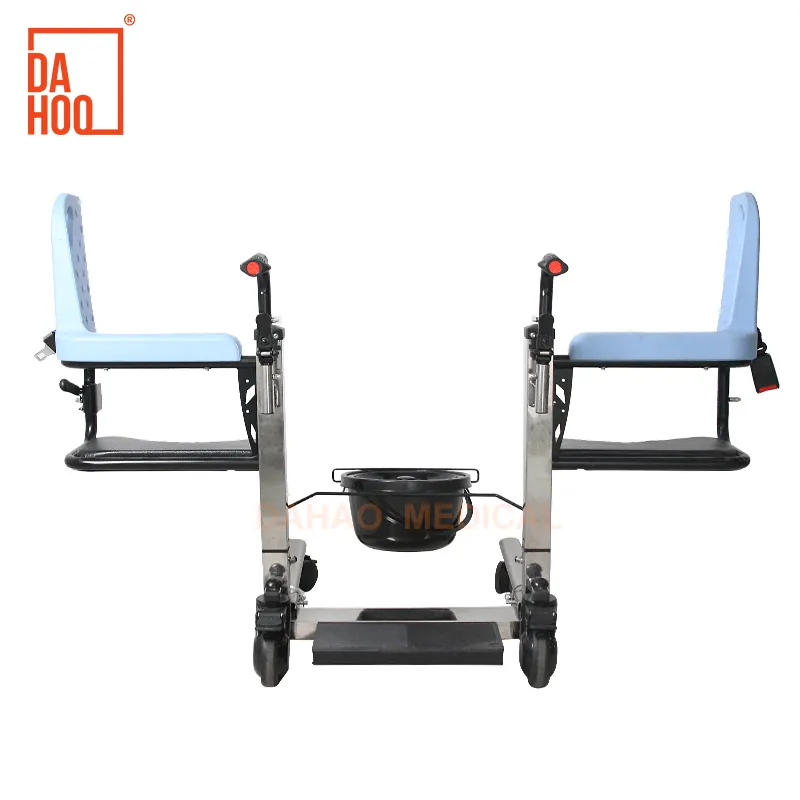
What structural features classify a lift transfer chair as a medical device?
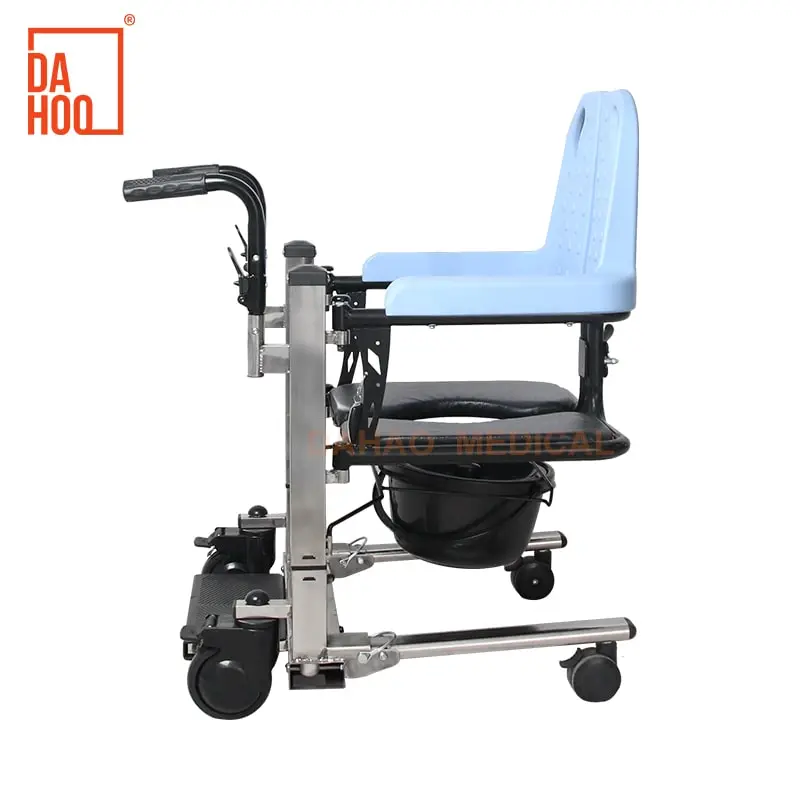
A lift transfer chair is more than just an ordinary chair or simple mobility tool; it was designed from the outset for medical use. Therefore, it possesses several characteristics of a medical device.
1. Lifting System
Including electric or manual hydraulic lifting, used for:
• Adjusting height
• Achieving complex transfers such as across beds or toilets
• Reducing physical labor for caregivers
Height adjustment directly impacts patient safety and must therefore meet medical device standards.
2. Safety Lock and Braking System
The braking system prevents:
• Accidental chair slippage during transfer
• Tipping during height adjustment
• Risk of falls due to patient loss of balance
This is an essential protective function for medical devices.
3. Body Support Structure
Including:
• Backrest
• Frame
• Armrests
• Headrest
• Leg support/footrest
• Seat belt
These structures must meet medical-grade load-bearing standards.
4. Load-Bearing Capacity Requirements
The load-bearing capacity of a lift transfer chair is generally:
• 100–150 kg (Standard Version)
• 150–200 kg (Reinforced Version)
Insufficient load-bearing capacity will directly lead to safety risks, therefore, regulation must be in place.
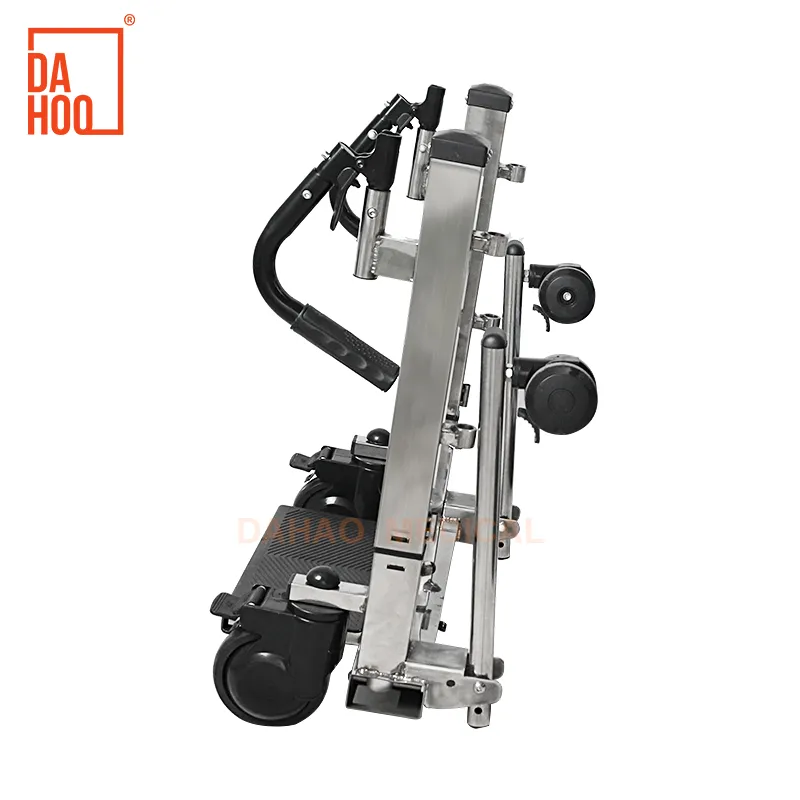
In which scenarios are lift transfer chairs typically used?
Lift transfer chairs are classified as medical devices, which is closely related to their application scenarios.
1. Intra-hospital transpor
Used for:
• From ward to examination room
• From ward to bathroom
• Transfer in rehabilitation training area
Hospital use requires high safety, therefore it must be a medical device.
2. Nursing facilities
For example:
• Nursing homes
• Rehabilitation facilities
• Long-term care centers
Used for transferring elderly people with limited mobility.
3. Home care
Nurses or family members can use a lift transfer chair to assist with:
• Bathing
• Toileting
• Getting into bed
• Getting out of bed
• Short-distance movement within the room
Home use still falls under the scope of medical care, therefore the device has medical attributes.
Who needs a lift transfer chair?
The lift transfer chair is classified as a medical device, therefore its target population is also related to medical needs.
1. Elderly
Especially those with the following conditions:
• Weak leg muscles
• Inability to stand independently
• Poor balance
• Prone to falls
• Requires nursing assistance
2. Patients in the recovery period
Such as:
• Post-stroke patients
• Post-operative recovery patients
• Long-term bedridden patients
3. People with disabilities
Including:
• Muscle atrophy
• Limited lower limb function
• Spinal injury
• Multiple sclerosis
4. Individuals with decreased physical strength and unable to care for themselves
A lift transfer chair can provide assistance whenever transfer is difficult.
What are the safety requirements for a lift transfer chair?
As a medical device, a lift transfer chair must meet a series of safety standards.
1. Structural Strength Compliance
Including:
• Frame strength
• Impact resistance
• Long-term load-bearing capacity
2. Stability Testing
To ensure it won't tip over, it must have:
• Wide chassis design
• Qualified center of gravity control
• Forced braking system
3. Lifting Device Safety
Including:
• Anti-pinch design
• Anti-fall locking structure
• No sudden descent during lifting
4. Material Requirements
Commonly used materials:
• Medical-grade aluminum alloy
• Medical-grade steel
• Corrosion-resistant materials
• Easy-to-clean materials
These are all necessary conditions for medical devices.
How to determine if the lift transfer chair you purchased is a compliant medical device?
To confirm whether a lift transfer chair is a legal medical device, you can consider the following aspects:
1. Does it have compliance certifications?
For example:
• Domestic medical device registration number
• International CE (EU)
• FDA (US)
• ISO13485 (medical quality system)
2. Does it have a complete instruction manual?
Including:
• Usage instructions
• Contraindications
• Weight-bearing parameters
• Cleaning methods
3. Is the intended use clearly stated as a medical assistive device?
Reputable manufacturers will clearly state "for the transfer of people with mobility impairments."
What is the difference between a lift transfer chair and a regular wheelchair?
Because lift transfer chairs are medical devices, they are often confused with regular wheelchairs.
1. Different core purposes
• Wheelchair: Primarily for movement
• Lift transfer chair: Primarily for transfer and lifting
2. Different structures
• Lifting structure
• Transfer opening design
• Nursing operating system
• Safety lock
These are features not found in regular wheelchairs.
3. Stronger medical attributes
Lift transfer chairs have a more direct impact on patient safety and must be subject to regulation.
What does it mean for a lift transfer chair to be classified as a medical device?
Once included in medical device regulations, it must meet the following requirements:
• Higher safety standards
• Stricter production requirements
• More clearly defined clinical target population
• More reliable instructions for use
• Safer structural design
For patients, this provides protection because the device must be approved by regulatory agencies to ensure safer and more reliable use.
Does Dahao Medical provide after-sales support?
Yes, Dahao Medical is committed to providing exceptional after-sales support to all of our customers. Whether you’re purchasing products for personal use or for wholesale distribution, our support team is available to assist with any issues that may arise. We provide guidance on product setup, maintenance tips, and troubleshooting.
Should any repairs or replacements be necessary, our team is quick to respond and ensure you’re satisfied with your purchase. We believe in building long-term relationships with our clients, and our after-sales support is a key part of that.