

With the aging of the global population and continuous advancements in assistive rehabilitation technology, electric wheelchairs have evolved from niche medical aids into indispensable tools for the daily lives of many individuals with limited mobility. Whether they are elderly, patients with impaired lower-limb function, individuals with spinal cord injuries, or those recovering from surgery, an increasing number of people rely on electric mobility wheelchairs for indoor movement, outdoor travel, and even all-day activities. Compared to traditional manual wheelchairs, the primary advantage of electric wheelchairs is their motorized propulsion; users can steer, accelerate, and decelerate without continuous arm exertion, which significantly reduces physical fatigue and enhances independence.
Data from the global assistive device industry indicates that the global electric wheelchair market is projected to exceed $4 billion by 2025, maintaining an average annual growth rate of over 7%. In China, the demand for electric wheelchairs is also steadily rising, driven by the growth of home care, community-based elderly care, and the smart rehabilitation industry.
However, as the number of power wheel chair users grows, a practical question frequently arises: Is it safe to sit in a power wheel chair all day? Many users and their families assume that because these wheelchairs feature soft seats and backrests—with some high-end models even offering recline and tilt functions—sitting in them for extended periods should not be problematic.
In reality, this assumption is not entirely accurate. While electric wheelchairs offer superior comfort and support compared to standard chairs, the human body is not designed to maintain a fixed sitting position for long periods. For individuals with limited mobility, insufficient muscle strength, or neurological impairments, prolonged sitting can lead to various health risks, including pressure ulcers, circulatory issues, muscle atrophy, joint stiffness, and back pain. Therefore, understanding the appropriate duration and scientifically sound methods of use is crucial for maintaining physical health.
This article addresses the core question—"Is it okay to sit in an electric wheelchair all day?"—by providing a detailed analysis covering medical risks, recommended usage durations, specific advice for different user groups, proper pressure-relief techniques, and essential daily care tips, helping readers develop a more informed approach to using electric mobility wheelchairs.
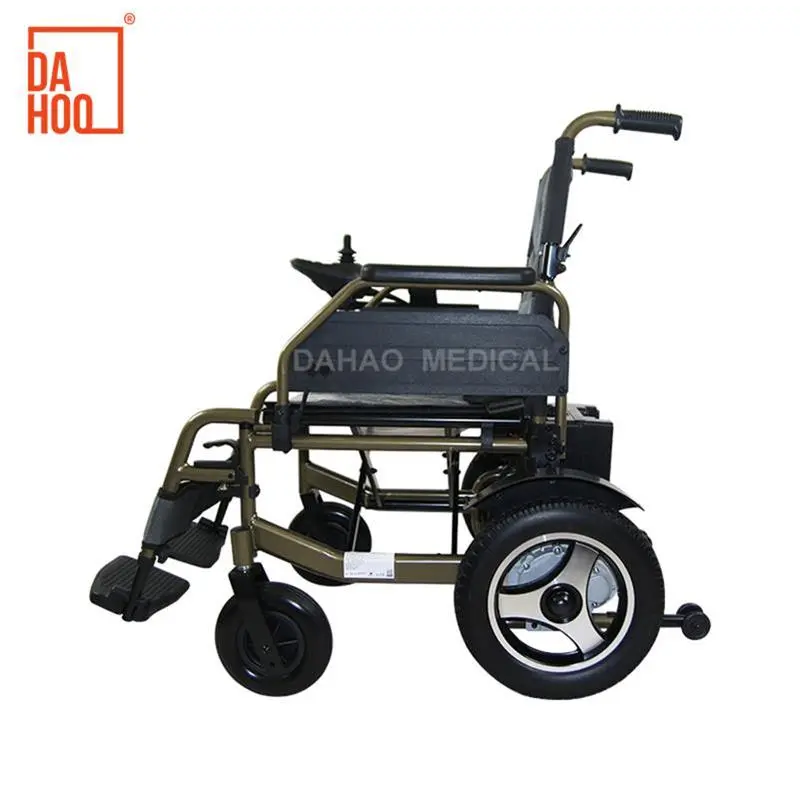
So, is it actually okay to sit in an electric wheelchair all day?
From a medical and rehabilitative perspective, sitting in an electric wheelchair all day is generally not recommended; even with a high-end, smart electric wheelchair, the body cannot indefinitely withstand prolonged static sitting. Naturally, the human body requires frequent postural changes—such as standing, walking, lying down, turning sideways, and leaning forward—to facilitate blood circulation, relieve localized pressure, and maintain muscle activity. Conversely, when a person sits in an electric wheelchair for extended periods—especially while maintaining the same posture for hours—specific areas of the body are subjected to sustained, high pressure, potentially triggering a range of physiological issues.
For healthy adults, sitting continuously for more than two hours can lead to localized discomfort, including a sensation of pressure in the buttocks, numbness in the legs, and lower back pain. This risk is typically higher for individuals who rely on electric mobility wheelchairs long-term. Many users face challenges such as reduced mobility, impaired sensory perception, or difficulty shifting positions independently; unlike the average person, they cannot make the subconscious, frequent postural adjustments needed to redistribute weight, resulting in significantly longer periods of sustained pressure.
When using an electric wheelchair, pressure is primarily concentrated on the ischial tuberosities (sit bones), buttocks, coccyx (tailbone), posterior thighs, and the lumbosacral region. Research indicates that when local tissue is subjected to pressure exceeding capillary closing pressure (approximately 32 mmHg) for extended periods, local blood perfusion drops significantly. If this state persists for hours, the tissue may suffer from ischemia (lack of blood supply) and, in severe cases, necrosis (tissue death). Therefore, strictly speaking, while the power wheel chair is a vital mobility aid, it is not suitable as a "seat" for completely static, all-day use.
Why does sitting in a power wheel chair for long periods pose health risks?
When purchasing a power wheel chair, many people focus on factors like driving range, battery capacity, motor power, top speed, and climbing ability, often overlooking the health implications of prolonged sitting. In reality, no matter how comfortable the wheelchair is, it cannot entirely eliminate the physiological impact of sedentary behavior.
1. Significantly increased risk of pressure ulcers
Pressure ulcers (bedsores) are a major concern associated with long-term power wheel chair use. A pressure ulcer is an injury to the skin and underlying tissue caused by prolonged, localized pressure that impedes blood circulation. The incidence of pressure ulcers is relatively high among long-term wheelchair users. Clinical data indicates that the incidence rate for long-term wheelchair users ranges from 25% to 35%, while for patients with spinal cord injuries, it can exceed 40%.
For some power wheel chair users, the problem is exacerbated by impaired sensory function. For instance, patients with spinal cord injuries may experience reduced sensation in the buttocks, making them unable to detect pain or numbness in time; consequently, they often discover the issue only after a pressure ulcer has already formed. Even high-end electric mobility wheelchairs equipped with pressure-relieving cushions can only reduce the risk rather than eliminate it entirely.
2. Potential for impaired blood circulation
Sitting in a power wheel chair for extended periods can impede venous return in the lower limbs. Due to prolonged knee flexion, reduced muscle activity, and a static leg posture, the efficiency of venous return gradually declines. This can lead to sensations of swelling, coldness, and numbness, or even edema. Studies show that after four hours of continuous sitting, venous blood flow velocity in the lower limbs can drop by more than 30%. This impact is particularly pronounced in the elderly, patients with diabetes, and individuals with pre-existing cardiovascular disease.
3. Accelerated muscle deterioration
While the primary advantage of electric mobility wheelchairs is the reduction of physical exertion, over-reliance can lead to side effects. Human muscles follow the principle of "use it or lose it," meaning prolonged inactivity results in a decline in muscle strength. Rehabilitation research indicates that muscle strength can decrease by 10% to 15% after just two weeks of reduced activity. Long-term, total reliance on a power wheel chair—without standing training, stretching, or rehabilitative exercises—can significantly accelerate muscle atrophy in the lower limbs.
4. Increased pressure on the lower back and spine
Many users adopt poor posture when using electric mobility wheelchairs, such as leaning forward, slouching, tilting the pelvis backward, or consistently leaning to one side. These postures cause uneven distribution of force on the spine, thereby increasing pressure on the lumbar and cervical vertebrae. Prolonged exposure to such conditions can lead to chronic lower back pain, shoulder and neck stiffness, and even compensatory spinal deformities. Postural issues are particularly common with low-end electric mobility wheelchairs that lack adequate back support.
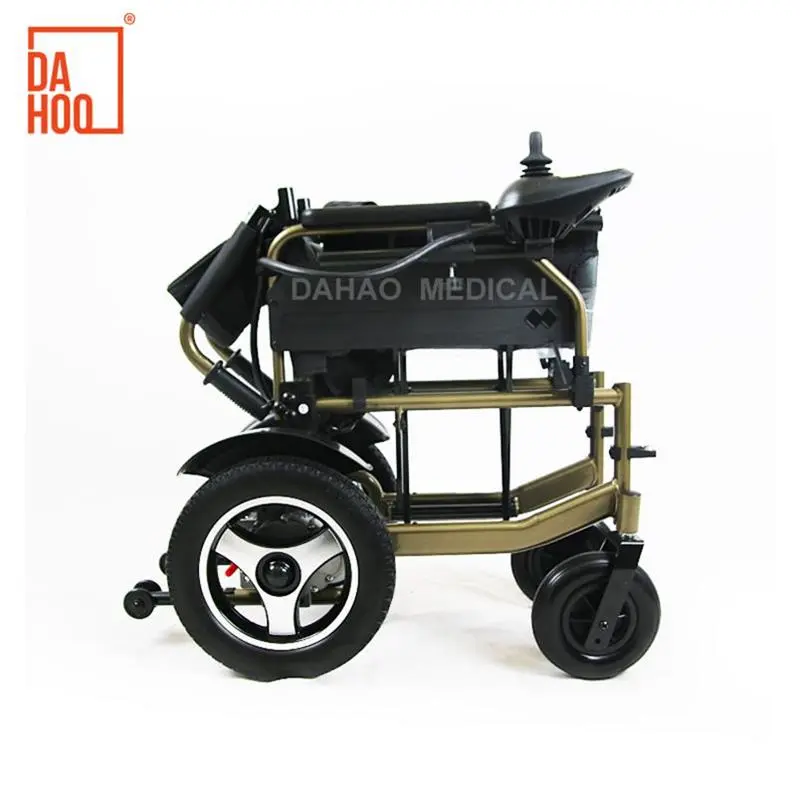
What is a reasonable amount of time to sit in an electric wheelchair each day?
There is no universal standard for the daily duration of electric wheelchair use, as factors such as age, medical condition, muscle strength, and the stage of rehabilitation significantly influence the appropriate timeframe. However, from a rehabilitation care perspective, a scientifically grounded reference range can still be provided.
For elderly users capable of walking short distances or standing independently, electric mobility wheelchairs are primarily used to conserve energy and assist with outings. A daily usage of 4 to 8 hours is common for this group, though sitting continuously for more than 1.5 to 2 hours is not recommended. It is best to leave the wheelchair every 60 to 90 minutes for 5 to 15 minutes of activity—such as standing, stretching, or walking a short distance—to help restore blood circulation.
For individuals with moderate mobility impairments—such as those with knee degeneration, Parkinson’s disease, or those recovering from surgery—electric wheelchair usage times are often longer, potentially reaching 6 to 10 hours a day. These individuals should place greater emphasis on periodic pressure relief; it is recommended to change sitting positions or perform pressure-relieving movements at least once every hour.
For individuals heavily reliant on electric mobility wheelchairs—such as those with paraplegia, spinal cord injuries, or ALS—daily usage may extend to 10 hours or more. In such cases, the focus shifts from simply limiting usage time to establishing a systematic mechanism for pressure relief and postural management. This includes relieving pressure every 15 to 30 minutes, adjusting posture every 2 hours, using specialized pressure-relieving cushions, and incorporating rehabilitation exercises.
How can you tell if you have been sitting in an electric wheelchair for too long?
Your body often provides signals indicating that you may have been sitting in the wheelchair for an excessive amount of time. Recognizing these signals promptly can effectively prevent further injury.
Common signs include numbness in the buttocks, tailbone pain, lower back soreness, stiffness in the shoulders and neck, a sensation of swelling in the legs, localized skin redness, and a noticeable increase in fatigue. Changes in skin color require particular attention; if a specific area remains red for more than 30 minutes after leaving the wheelchair, it usually indicates that the local tissue has been subjected to excessive pressure, necessitating an immediate adjustment in usage habits.
If symptoms such as persistent numbness, significant pain, skin breakdown, or worsening edema occur, you should consult a doctor or rehabilitation therapist as soon as possible.
How do you use a power wheel chair correctly?
The key to the proper use of an electric wheelchair lies not merely in mastering the controls, but more importantly in establishing a correct sitting posture and habits for pressure relief.
1. Maintain a correct sitting posture
An ideal sitting posture ensures the head is naturally upright, shoulders are relaxed, the lower back is supported, the buttocks are fully in contact with the cushion, and feet are stably placed on the footrests, with the knee joints bent at approximately 90 degrees. A correct posture allows body weight to be distributed more evenly across the seat and backrest, thereby reducing localized pressure.
2. Practice regular pressure relief
Pressure relief is the most critical health management practice for long-term power wheel chair users. Common methods include leaning the body forward, tilting to the left or right, reclining the backrest, or tilting the entire seat. If using a high-end electric wheelchair equipped with power recline or seat tilt functions, the process of relieving pressure becomes much easier.
Clinical guidelines recommend performing pressure relief every 15 to 30 minutes, with each session lasting between 30 seconds and 2 minutes.
3. Use specialized pressure-relieving cushions
High-quality pressure-relieving cushions can significantly improve pressure distribution on the wheelchair. Common materials include gel, air cells, memory foam, and high-density foam. Research indicates that high-performance pressure-relieving cushions can reduce peak localized pressure by 20% to 40%. For long-term electric wheelchair users, this is a highly worthwhile investment.
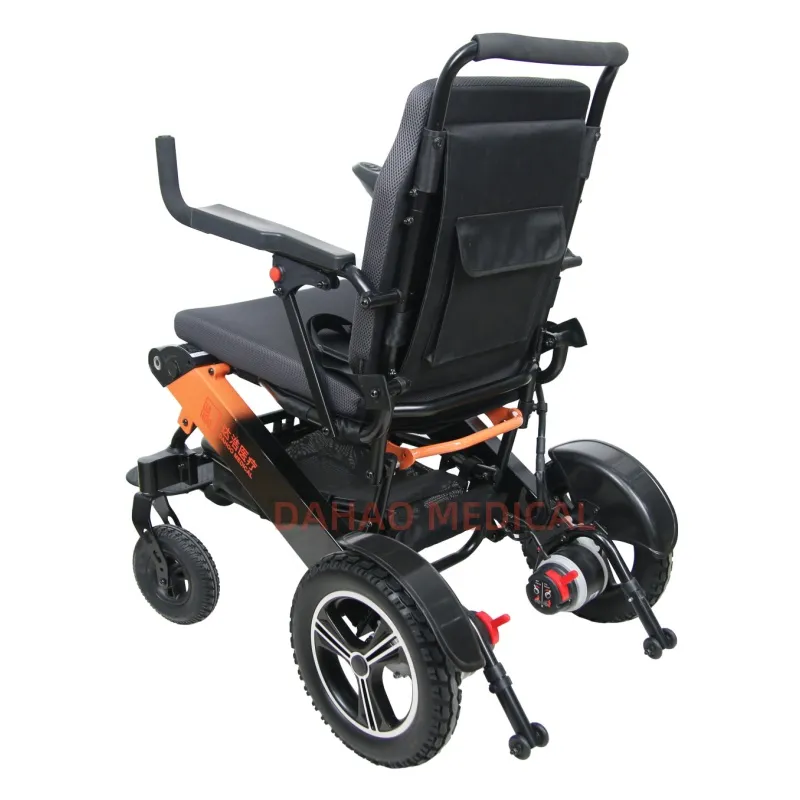
Can one stay in the power wheel chair all night?
In principle, this is not recommended. Unless there are specific medical requirements, a power wheel chair should not be used for sleeping through the night. The primary reason is that electric mobility wheelchairs are not designed for prolonged sleeping postures; the seat offers limited support for the spine, cervical vertebrae, and pelvis. During the night, the frequency of body repositioning decreases, prolonging the duration of continuous pressure on specific tissues and significantly increasing the risk of pressure ulcers.
Furthermore, sleeping in a seated position can affect respiratory function and the circulatory system—a concern requiring particular caution for elderly users with compromised cardiopulmonary function. Therefore, even if the electric wheelchair is used extensively during the day, it is recommended to transfer to a bed for rest at night whenever possible.
Can high-end electric wheelchairs completely solve the problems associated with prolonged sitting?
This is a common misconception. Many people believe that purchasing a high-end power wheel chair—such as a model featuring power lift, automatic recline, and seat tilt functions—allows them to sit safely in it all day long. In reality, this view is inaccurate.
While high-end electric mobility wheelchairs do improve comfort, reduce localized pressure, and offer flexible postural adjustments, they cannot completely eliminate the physiological risks associated with prolonged sitting. No matter how advanced the wheelchair is, it cannot replace the body's natural need for standing, physical activity, stretching, and rehabilitation exercises.
In other words, good equipment can mitigate risks, but it cannot replace proper health management.
How can one create a scientifically sound schedule for using a power wheel chair?
For long-term users, establishing a daily usage plan is crucial. For example, after using the wheelchair for two hours in the morning, take a short break to stand or lie down; continue using it for another one to two hours in the late morning, incorporating frequent pressure-relief intervals; try to transfer to a bed for a midday rest; use it for another three to four hours in the afternoon as needed, ensuring a change in position at least once an hour; and in the evening, minimize prolonged sitting in favor of lying down and relaxing.
For those who rely entirely on a power wheel chair, it is advisable to set reminders on a mobile phone or use a caregiving alert system to ensure timely pressure relief and postural adjustments. A structured routine is generally more effective than relying on sporadic, ad-hoc attempts to relieve pressure.
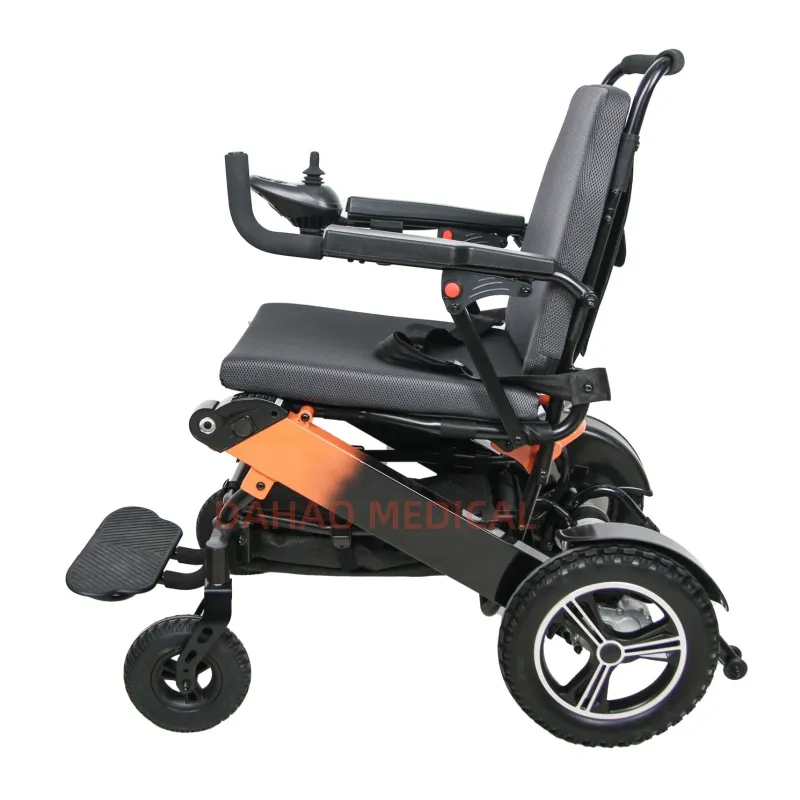
FAQ
Can I sit in an electric wheelchair for 8 consecutive hours?
Theoretically yes, but sitting motionless for a full 8 hours is not recommended. It is advisable to relieve pressure every 15 to 30 minutes and adjust your posture every 1 to 2 hours.
Will using an electric wheelchair inevitably lead to pressure sores?
Not necessarily. With proper pressure relief, the use of specialized cushions, and good skin care, the risk of pressure sores can be significantly reduced.
How long is it appropriate for an elderly person to sit in a power wheel chair each day?
Most elderly users typically spend 4 to 8 hours a day in the wheelchair, but it is best to avoid sitting continuously for more than 2 hours at a time.
Is the recline function on a power wheel chair necessary?
It is very beneficial for long-term users; the recline function effectively relieves pressure and enhances comfort.
Can an electric wheelchair replace rehabilitation training?
No. An electric wheelchair is an assistive device; it cannot replace muscle training, standing exercises, or rehabilitation workouts.