

In modern medical and nursing environments, electric hospital beds have become one of the most essential nursing devices in hospitals, nursing homes, and home care. Thanks to the convenience, precise positioning, and reduced burden on caregivers offered by electric systems, the adoption rate of electric hospital beds continues to increase.
However, a frequently asked question arises: Are there any safety hazards associated with electric hospital medical beds?
Any device involving a power source, motor, or moving parts theoretically carries potential risks. However, this does not mean that electric hospital beds are unsafe. In fact, with proper installation, reasonable use, and regular maintenance, electric hospital beds are a highly safe and reliable medical and nursing tool.
This article will provide a professional explanation of whether safety hazards exist and how to use electric hospital beds correctly, helping readers to fully understand the safety of electric hospital beds.
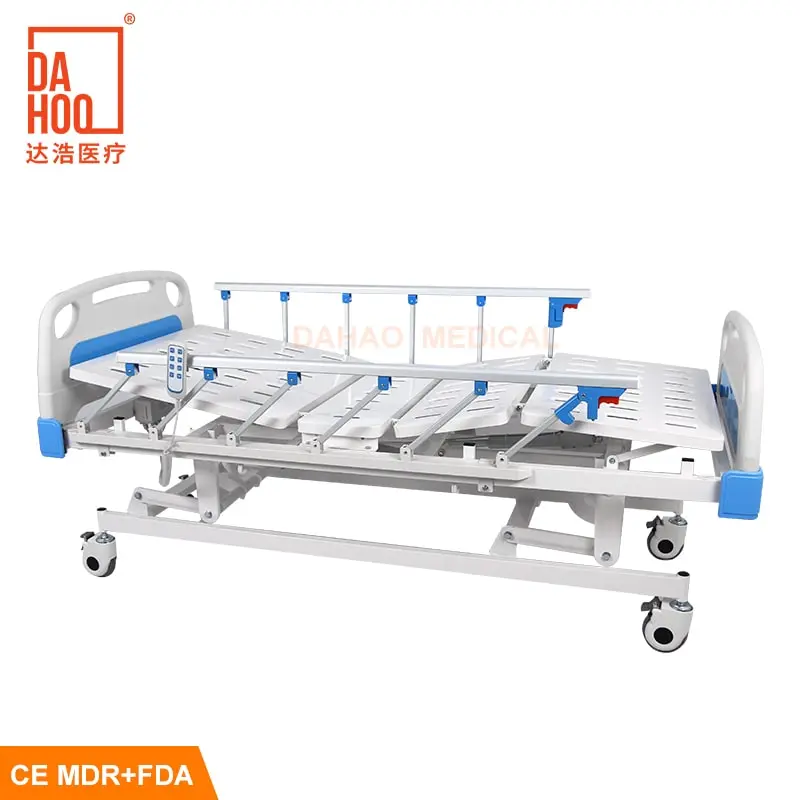
Where do the main safety hazards of electric hospital beds come from?
Although electric hospital beds are industry-certified products that meet medical device safety standards, some potential risks may still exist. Understanding these risks is beneficial for prevention and correct use.
The following are the most common potential hazards associated with electric hospital beds:
Could the power cord of an electric hospital bed pose a risk of electric shock?
One of the most common safety hazards associated with electric hospital medical beds is a damaged or improperly placed power cord.
When the power cord:
• is subjected to prolonged compression
• is worn down by folding parts of the bed frame
• is loosely suspended from the bed frame
• has a loose plug or poor contact
this can lead to:
• damaged wire insulation
• current leakage
• electric shock hazard
This type of risk mainly occurs in:
• frequent movement or folding of hospital beds
• power cords being crushed by equipment
• old or poorly inspected nursing facilities
However, it is important to clarify that power cord issues are a controllable risk. With proper installation and maintenance, the electric hospital bed itself does not pose a risk of electric shock.
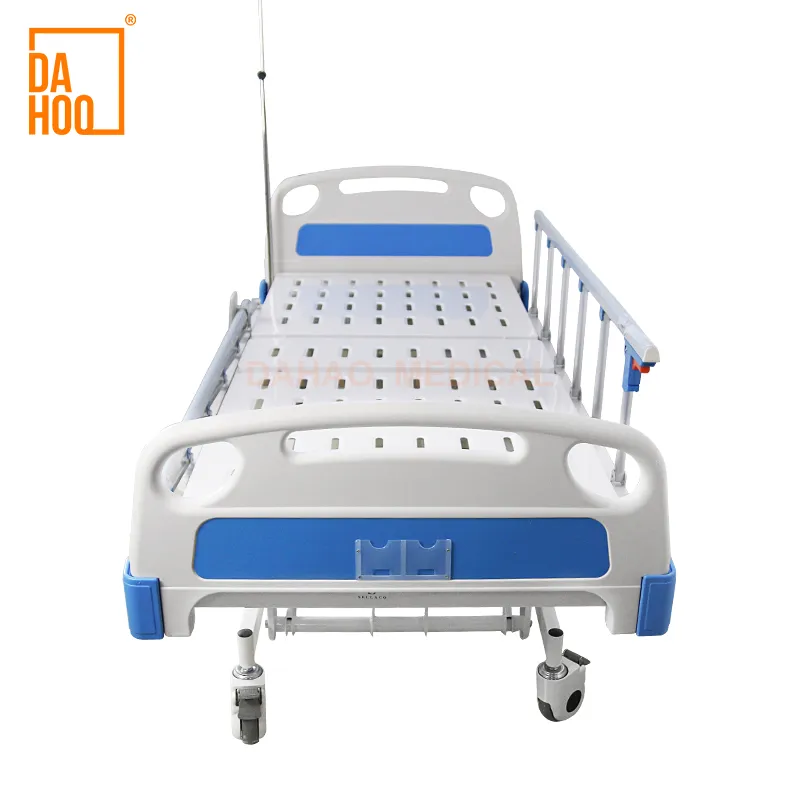
Could the lifting and lowering motion of an electric hospital bed cause pinching injuries?
Electric hospital beds rely on motors to drive the bed structure for raising, lowering, backrest lifting, and leg lifting. Improper use may pose a risk of pinching injuries, such as:
• Hands accidentally entering the lifting mechanism
• Children playing near the bed
• The bed's movement path not being kept clean
• Guardrails not properly locked
These situations can occur with any mechanical nursing equipment.
Modern electric hospital beds typically feature:
• Overload protection system
• Anti-pinch design upon shutdown
• Safety guardrail locking device
• Slow start and stop mechanism
These risks are extremely low when used according to the instructions.
Could the weight of an electric hospital bed cause structural failure?
Electric hospital beds have clearly defined load-bearing weight standards, such as:
• Standard electric hospital bed: 170–250 kg
• Reinforced electric hospital bed: 250 kg and above
Overloading can cause:
• Excessive motor load
• Loosening of bed frame connections
• Bed board deformation
• Increased noise or even structural damage
Therefore, it is essential to clearly define load-bearing requirements when purchasing an electric hospital bed to avoid overloading.
Will the remote control system of an electric hospital bed be accidentally operated?
Some users worry about:
• Accidentally pressing the remote control
• Patient accidentally pressing buttons
• Unexpected movements during nighttime operation
In fact, electric hospital medical beds are designed with these scenarios in mind.
Most electric hospital beds are equipped with:
• Child lock
• Nurse control lock
• Side control panel button disable function
Ensuring that accidental button presses do not pose a real risk.
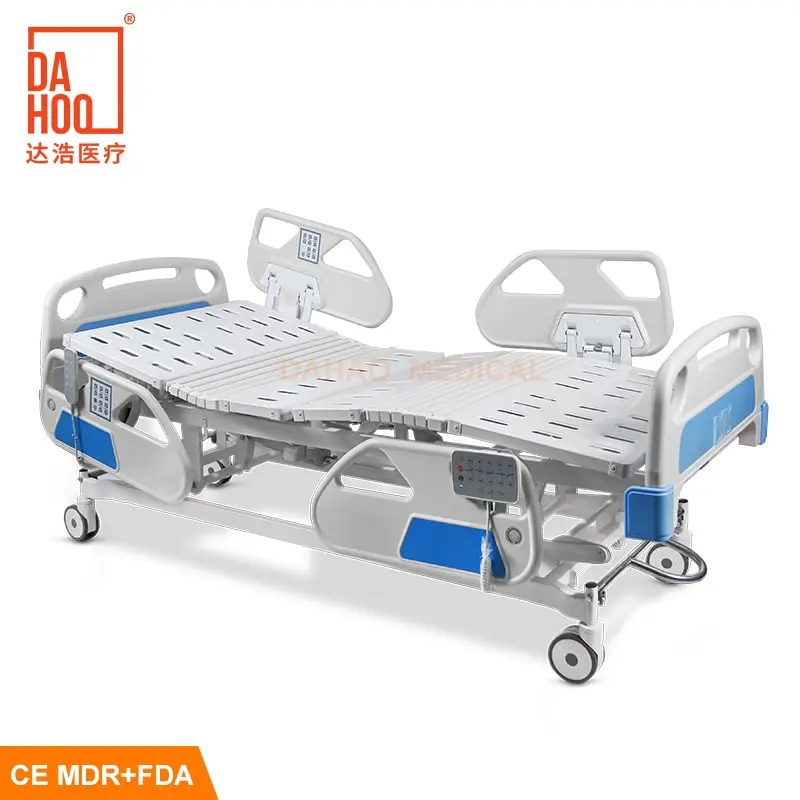
Are electric hospital beds considered highly safe medical devices?
Despite controllable potential hazards, from a medical engineering perspective, electric hospital beds are inherently a highly safe medical care device.
This is because:
• All electrical components meet medical standards.
• Must undergo multiple rigorous tests.
• Equipped with overload protection and a safety locking system.
• Materials and structure meet medical load-bearing requirements.
• The motor and wiring are low-risk medical-grade electrical systems.
Verified in usage scenarios from hospitals to nursing homes:
Under proper use conditions, the electric hospital medical bed is highly reliable in terms of safety.
What incorrect usage methods might lead to safety hazards?
To avoid misunderstandings, we need to clarify:
The real safety problems often do not stem from the electric hospital bed itself, but from improper operation by the user.
Is there a risk of the power cord being squeezed or pulled?
Yes, if:
• The power cord is caught under the bed legs.
• The power cord is squeezed by the bed's lifting and lowering movement.
• The power cord is not secured according to the prescribed route.
The insulation layer may be damaged, leading to risks.
Prevention is simple:
• The power cord must be secured along the designated route.
• Do not allow the power cord to drag under the bed.
• Regularly inspect the appearance of the power cord.
• Use a medical-grade socket.
Does the electric hospital bed require installation by a professional?
Normally, no professional personnel are required, but the installation instructions must be followed.
Incorrect installation may result in:
• Loose guardrails
• Inadequate bed board connection
• Incorrect motor installation angle
• Loose plugs
These installation problems can also pose safety hazards.
Will neglecting routine checks reduce safety?
Electric hospital beds are devices used for extended periods. If they are not checked regularly, the following may occur:
• Loose screws
• Aging wiring
• Worn guardrail clips
• Aging bed leg casters
However, these issues can be easily avoided through regular maintenance.
In other words, the safety of an electric hospital medical bed depends on correct usage habits.
Is an electric hospital bed still dangerous after proper use?
The answer is: As long as it is used properly and maintained correctly, an electric hospital medical bed is not dangerous.
In fact, electric hospital medical beds are not only not dangerous, but are among the most important, safest, and most critical nursing devices in many scenarios.
Here are the reasons:
How do electric hospital beds improve patient safety?
• Reduces patient falls during turning over
• Eliminates the need for forceful manual pulling, avoiding secondary injuries
• Slow and smooth position adjustment
• Side rails protect against falls
• Automatic motor overload stop
• Slow start reduces impact from body displacement
These are features traditional manual hospital beds struggle to provide.
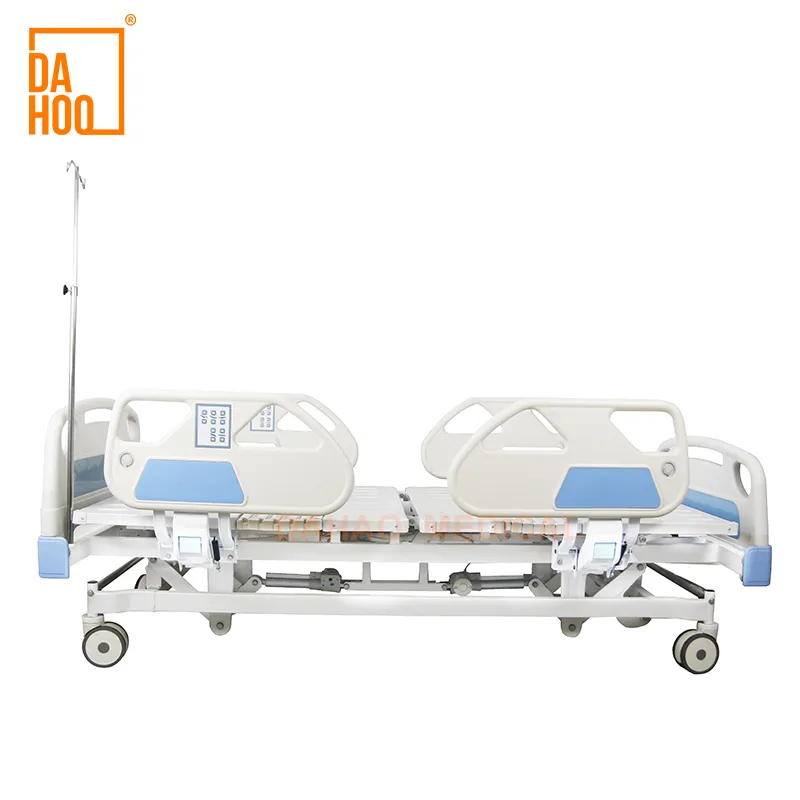
How do electric hospital beds ensure the safety of caregivers?
For caregivers, electric hospital beds effectively reduce:
• Lumbar strain
• Muscle damage when lifting patients
• Accidents caused by frequent bending
The height adjustment function allows the bed to be adjusted to a suitable care level, significantly improving safety during the care process.
How to ensure the safety of an electric hospital bed during use?
To ensure the electric hospital medical bed is always in optimal safety condition, the following aspects are crucial.
How to properly check the power cord?
• Check for tears or damage
• Check for compression
• Check for dragging on the floor
• Check for a secure plug
• Check for proximity to heat sources
Replace the power cord if necessary.
How to ensure the mechanical structure of the electric hospital bed is stable?
• Check screws every 3–6 months
• Check if the guardrail latches are flexible
• Check if the bed board is stable
• Check if the lifting and lowering movements are smooth
If noise or jamming occurs, stop using the bed and check it.
What precautions should be taken with the remote control?
• Keep the remote control dry
• Avoid dropping it
• Keep it away from children
• Use the locking mode when necessary
How to maintain a safe environment for the electric hospital bed?
• Prevent children from climbing on it
• Keep the area around the bed clean
• Keep it away from fire sources
• Prevent pets from chewing on the power cords
• Keep the floor dry and non-slip
Electric hospital medical beds are safe and reliable nursing equipment when used and maintained correctly.
Through the Above Systematic Analysis, We Can Draw Clear Conclusions
✔ Are there any safety hazards associated with electric hospital beds?
Yes, but these are preventable, manageable, and controllable hazards.
✔ Is the electric hospital bed itself dangerous?
No, the danger comes from improper use.
✔ Is it safe and reliable when used correctly?
Yes, electric hospital medical beds are considered extremely safe medical devices in both hospital and home care.
✔ The Importance of Electric Hospital Beds in Nursing Care
• Improved patient safety
• Reduced workload for caregivers
• Enhanced quality of care
• Provides stable and precise patient positioning
• Prevents falls, sprains, and incorrect positioning
Therefore, when used correctly according to instructions, maintained regularly, and with proper management of the power cord, electric hospital medical beds not only pose no danger but are also an important tool for ensuring the safety of both patients and caregivers.
What are Dahao Medical’s production and manufacturing capabilities?
Dahao Medical operates a state-of-the-art manufacturing facility in Foshan, China, covering over 8,000 square meters. With 195 advanced machines and an efficient production team, we are capable of handling large-scale orders and providing customized solutions. Our facility is ISO 13485 certified, ensuring that our production processes meet the highest standards.