

For many people with limited mobility or declining walking ability, choosing a suitable mobility aid is a crucial step in improving their quality of life. Among the many devices available, 4-wheel rollators and electric wheelchairs are two of the most common choices. However, many users ask the same question before purchasing: Are 4-wheel rollators better than electric wheelchairs?
In fact, there is no absolute "better" or "worse" product; the key lies in the user's physical condition, living environment, and mobility needs.
This article will provide a professional, in-depth, and logically clear explanation of the differences and applicability between 4-wheel rollators and electric wheelchairs, enabling you to make the most rational choice.
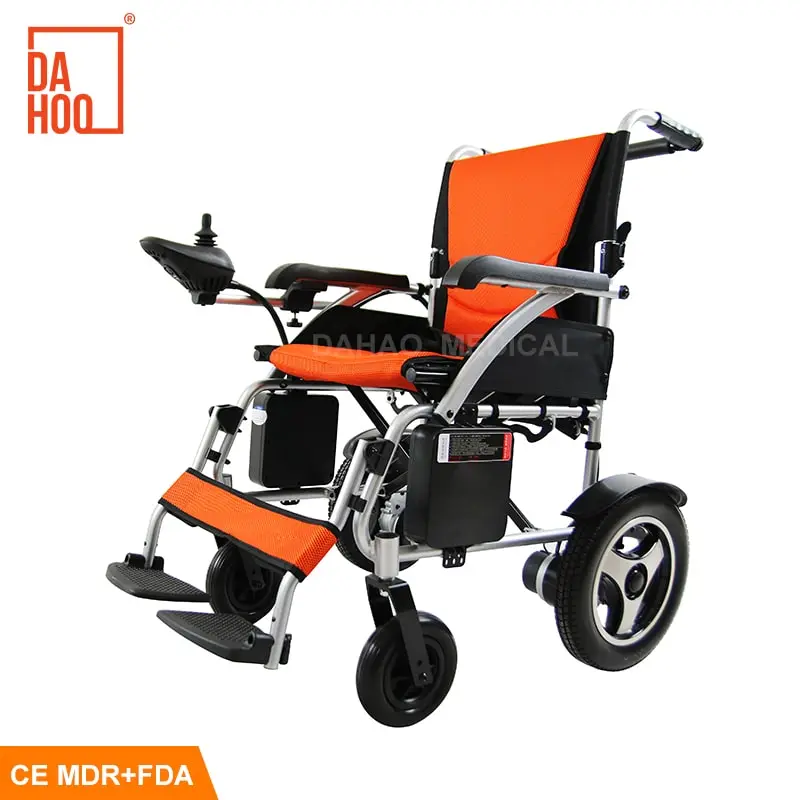
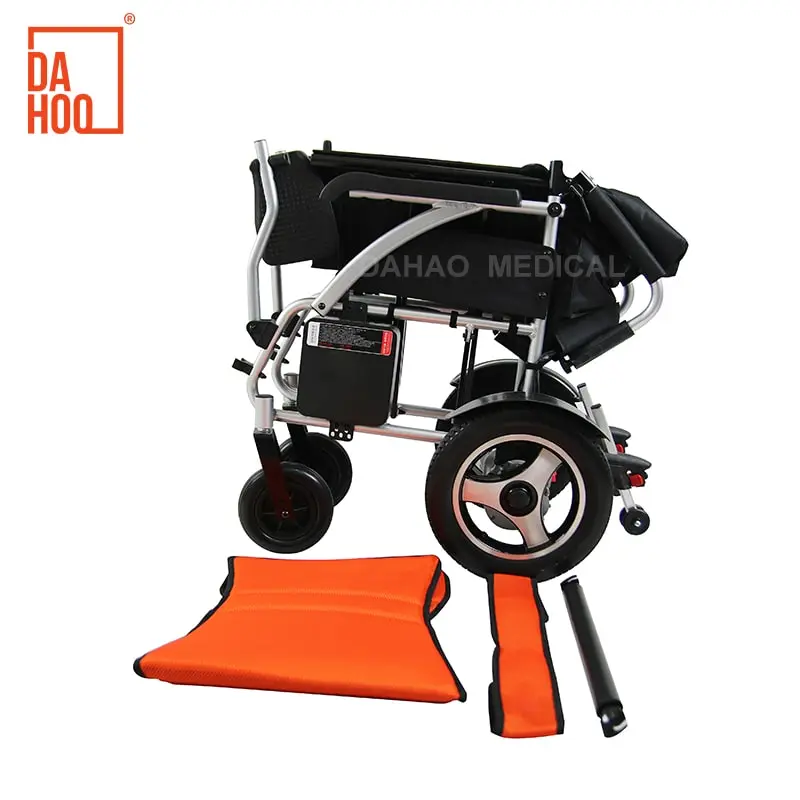
electric wheelchair
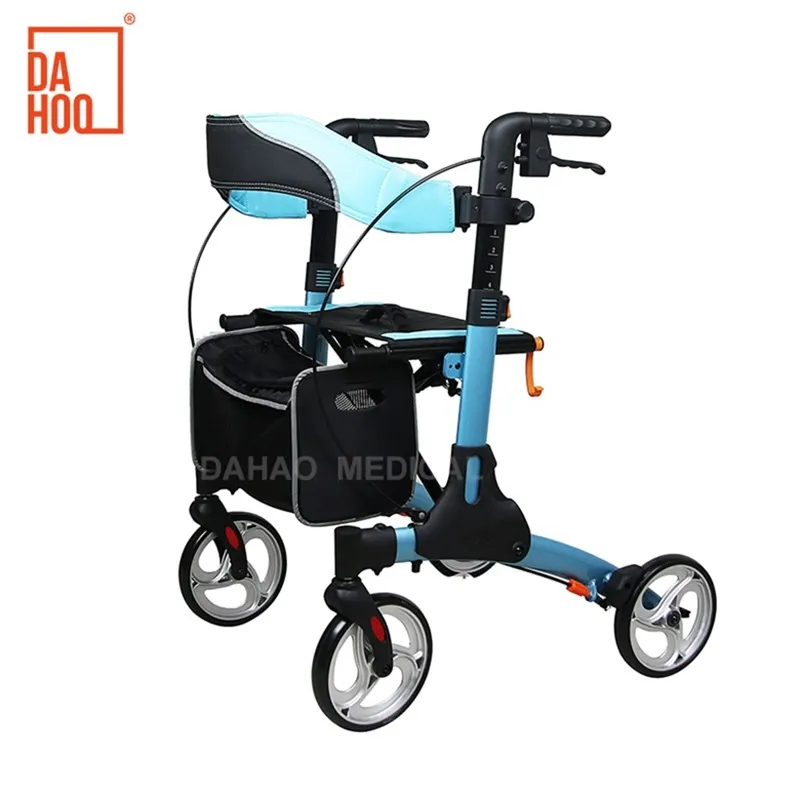
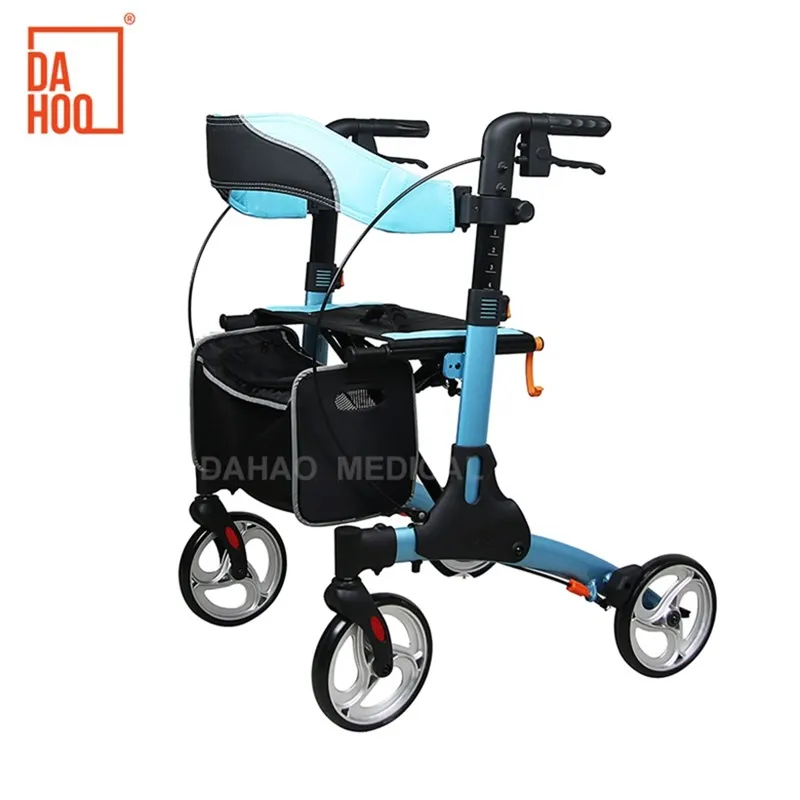
4-wheel rollator walker
Why are more and more people hesitating between "4-wheel rollators" and "electric wheelchairs"?
With the increasing needs of people with limited mobility, the elderly, and patients in rehabilitation, various assistive walking devices are increasingly entering home and medical settings. Both 4-wheel rollators and electric wheelchairs provide stable and safe mobility assistance, but their working methods, target groups, and operation methods are completely different.
The main reasons for user hesitation include:
• Both improve mobility, but in different ways.
• A 4-wheel rollator walker is lighter, but requires some walking ability.
• Electric wheelchairs are less strenuous, but larger.
• There is a significant price difference between the two.
• Many people are unsure which device suits their physical condition.
Therefore, understanding the fundamental differences between the two is crucial.
What are the fundamental differences between a 4-wheel rollator and an electric wheelchair?
To determine whether a 4-wheel rollator walker is better than an electric wheelchair, it's essential to understand their core differences. Their design philosophies are completely different, and therefore, they are suitable for different groups of people.
1. What are the characteristics of a 4-wheel rollator?
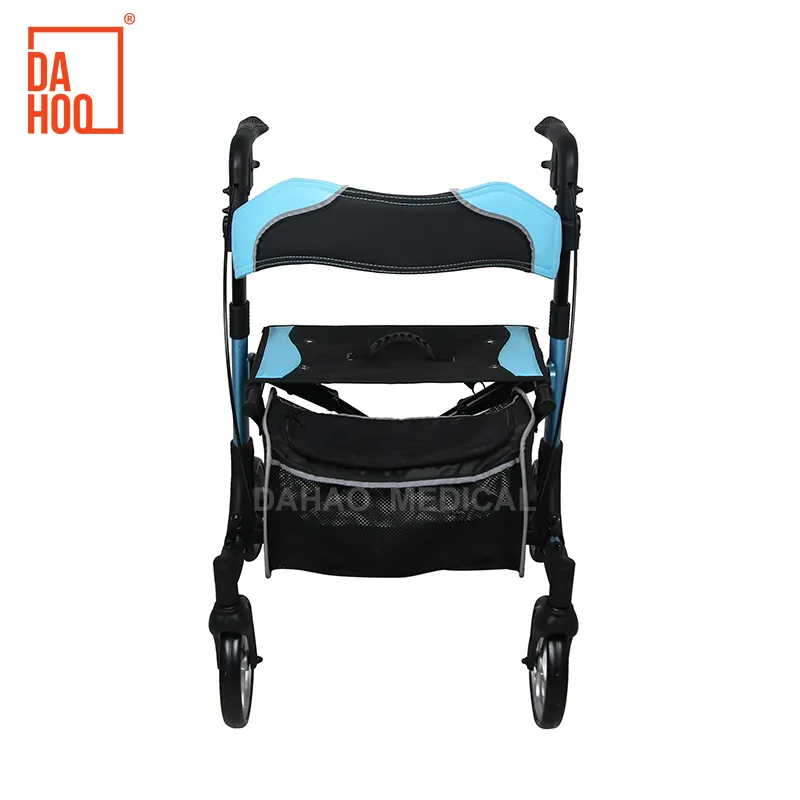
A 4-wheel rollator walker is an assistive walking tool designed for people with some mobility but who need support and stability. It typically features:
• Four wheels providing balance support
• Handbrake and non-slip handles
• Foldable, lightweight structure
• Includes a seat for temporary rest
• The user must use their own strength to propel it forward.
Core characteristic: Requires the user to have some walking ability.
2. What are the characteristics of an electric wheelchair?
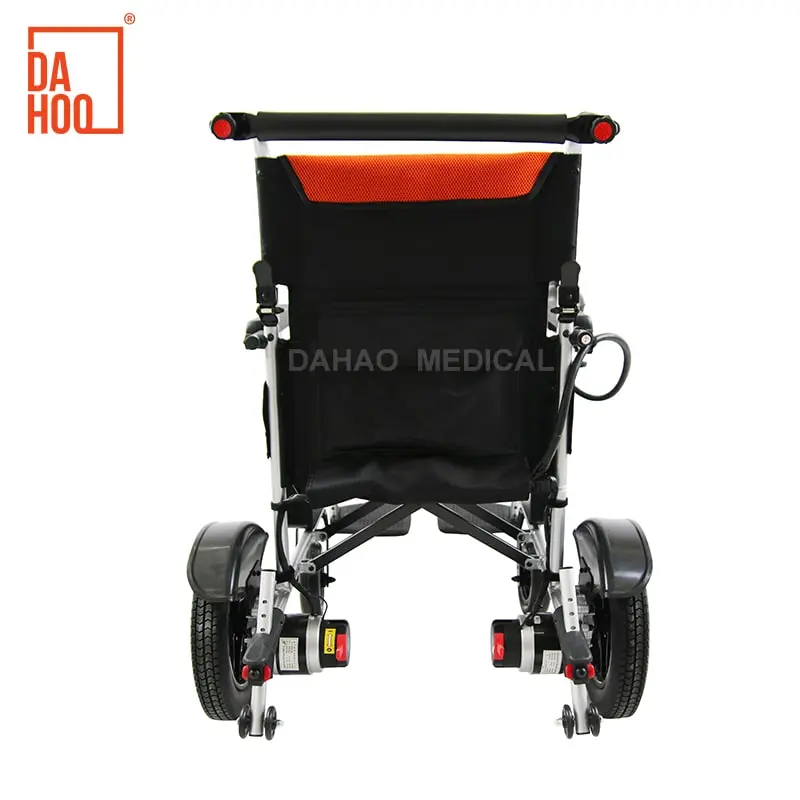
An electric wheelchair is a mobile device that is entirely powered by electricity. Users move it using a joystick or controller.
Its main features include:
• Motor-driven, no leg effort required
• Simple operation, no physical support required
• Seat better suited for prolonged sitting
• Suitable for people with limited mobility or unable to walk
• Relatively large, less portable than a 4-wheel rollator walker
Core characteristic: Suitable for users with limited or no walking ability.
Which one is suitable for your physical condition?
Regarding the question "Is a 4-wheel rollator walker better than an electric wheelchair?", the most crucial criterion is the user's physical condition.
1. If you can still walk but lack the strength, which should you choose?
If you can still walk, but:
• Feel tired after walking for a long time
• Have poor balance but can still take steps
• Need support when shopping, walking, or participating in community activities
• Occasionally need rest
Then a 4-wheel rollator is a better choice.
4-wheel rollators are lightweight, flexible, and foldable, allowing them to navigate narrow spaces that are difficult for electric wheelchairs to pass through. They also encourage users to maintain some walking motion, helping to preserve muscle activity.
2. What if you cannot walk safely or have extremely weak walking ability?
If you experience the following:
• Shortness of breath or pain after walking just a few steps
• Severe balance problems
• Insufficient leg strength to support your body
• Doctors advise against prolonged or long-distance walking
• Inability to independently complete outdoor activities
Then you should choose an electric wheelchair.
Electric wheelchairs provide safe and stable mobility without requiring leg strength, allowing users to avoid risking walking when physically weak.
Therefore, the logic for choosing a suitable user group is very clear:
• Can walk but not far → 4-wheel rollator walker
• Cannot walk or should not walk → Electric wheelchair
What are the advantages of using a 4-wheel rollator?
In what aspects is it superior to an electric wheelchair?
Although electric wheelchairs are powerful, many users prefer 4-wheel rollators. Reasons include:
1. Lighter and more portable
4-wheel rollators typically employ lightweight geometry, with most weighing between 6 and 10 kg. This lightweight design allows for:
• Easier access up and down stairs
• Folding and fitting into a car trunk
• Space-saving indoor storage
• Easier travel
In contrast, electric wheelchairs generally weigh between 20 and 50 kg, making them difficult to move.
2. More flexible usage scenarios
4-wheel rollators can access:
• Narrow aisles
• Small shops
• Restaurants
• Narrow spaces in public areas
• Home kitchens and small balconies
Electric wheelchairs are less maneuverable in confined spaces than walking aids.
3. Better for maintaining physical activity
Using a 4-wheel rollator walker requires users to actively move and maintain physical activity. This helps maintain muscle strength, promotes blood circulation, and reduces the risk of sedentary lifestyles.
Electric wheelchairs are suitable for people who cannot walk, but for users who can continue to be active, it may lead to reduced activity levels.
4. Lower Cost
A 4-wheel rollator is generally less than one-third or even less than an electric wheelchair, making it more economical for those with limited budgets or temporary users.
In what ways are electric wheelchairs better than 4-wheel rollators?
While 4-wheel rollators have many advantages, electric wheelchairs still offer many irreplaceable advantages for people with limited mobility.
1. No Physical Strength Required
The core advantage of electric wheelchairs is:
Even if completely unable to walk, users can move freely.
They can help users:
• Go uphill
• Travel long distances
• Be on long trips
• Maintain a stable sitting posture
• Avoid the risk of falls
This is something a 4-wheel rollator walker cannot do.
2. Better Comfort
Electric wheelchairs use specially designed seats, including:
• Thick seat cushion
• High backrest
• Armrest support
• Footrest
Especially suitable for long-term users.
3. Suitable for Various Complex Terrain
Electric wheelchairs are powered by motors, making them suitable for:
• Slopes
• Uneven roads
• Grass
• Cement floors
• Long outdoor stretches
4-wheel rollators are not suitable for these complex terrains.
4. Safer and More Stable Structure
Electric wheelchairs have a lower center of gravity and are more stable, making them less prone to tipping over. They are ideal for users who are physically weak or easily lose their balance.
What exactly are the differences between a 4-wheel rollator and an electric wheelchair?
To better understand the differences, the following comparison will focus on several key indicators.
1. Requirement for Walking Ability
• 4-wheel rollator: Required
• Electric wheelchair: Not required
2. Operation Method
• 4-wheel rollator: Propelled by hand push
• Electric wheelchair: Controlled by joystick
3. Weight
• 4-wheel rollator: 6–10 kg (very light)
• Electric wheelchair: 20–50 kg (relatively heavy)
4. Usage Scenarios
• 4-wheel rollator: Indoors, community, supermarkets, short-distance travel
• Electric wheelchair: Suitable for both indoor and outdoor use, medium to long-distance travel
5. Target Audience
• 4-wheel rollator: People who can walk but need support
• Electric wheelchair: People who cannot walk or have difficulty walking
6. Cost
• 4-wheel rollator: Low
• Electric wheelchair: Medium to high
In which situations is a 4-wheel rollator a better choice?
Consider a 4-wheel rollator walker if:
• You can walk but lack balance
• You can walk, but get tired after a while
• You want to maintain a certain level of activity
• You need a highly portable and lightweight device
• You live in a small space
• You frequently enter confined spaces
• You have a limited budget
Many users use 4-wheel rollators in their daily lives to maintain their mobility while obtaining good support and balance.
When is an electric wheelchair more suitable for you?
An electric wheelchair is more suitable in the following situations:
• You cannot walk steadily
• Your doctor advises against walking
• You are weak or have insufficient leg strength
• You are prone to falling
• You need to travel medium to long distances
• You need a more comfortable seat
• You need adaptability to outdoor roads
For users with severely limited mobility, electric wheelchairs offer far greater safety and convenience than 4-wheel rollators.
Can a 4-wheel rollator replace an electric wheelchair?
No. If you cannot walk safely, a walking aid is not safe.
Can an electric wheelchair be used indoors?
Yes, but in very confined spaces, a 4-wheel rollator walker might be more flexible.
Can I have both a 4-wheel rollator and an electric wheelchair?
Yes, this is a very practical option in many homes: a 4-wheel rollator for indoor use and an electric wheelchair for outdoor use.
Is a 4-wheel rollator better than an electric wheelchair?
The answer is:
It depends on your physical condition and needs.
• If you can still walk, but have difficulty walking for extended periods, then a 4-wheel rollator walker is a better choice.
It's lightweight, flexible, and foldable, allowing it to navigate spaces that are difficult for an electric wheelchair, while helping you maintain a certain level of mobility.
• If you cannot walk safely or have very limited mobility, then an electric wheelchair is a better choice.
It provides stable, comfortable, and fully powered mobility, allowing you to move freely without physical exertion.
There's no absolute right or wrong choice between the two; the best option is to choose based on your physical condition, daily needs, and living environment.
Can I get customized products from Dahao Medical?
Absolutely! Dahao Medical specializes in customized medical mobility solutions. Our team of 30 engineers works closely with clients to create products tailored to specific needs, whether it's adjusting the features of an Electric Wheelchair or designing a bespoke Home Care Bed.
If you’re looking for a unique design or a special feature, simply reach out to us, and our design and manufacturing teams will work together to bring your vision to life.