Significantly reduces the risk of injury to caregivers
This is one of the primary advantages of electric patient lifters. Back injuries among caregivers have long been a major occupational health issue in the global care industry.
The following logic can be followed:
1. Check the overall structure of the Patient Transfer Lifter.
2. Confirm the weight capacity.
3. Check the condition of the sling.
4. Confirm that the connecting parts are secure.
5. Test the lifting system.
6. Check the wheels and brakes.
7. Check the safety devices.
8. Confirm the operating environment.
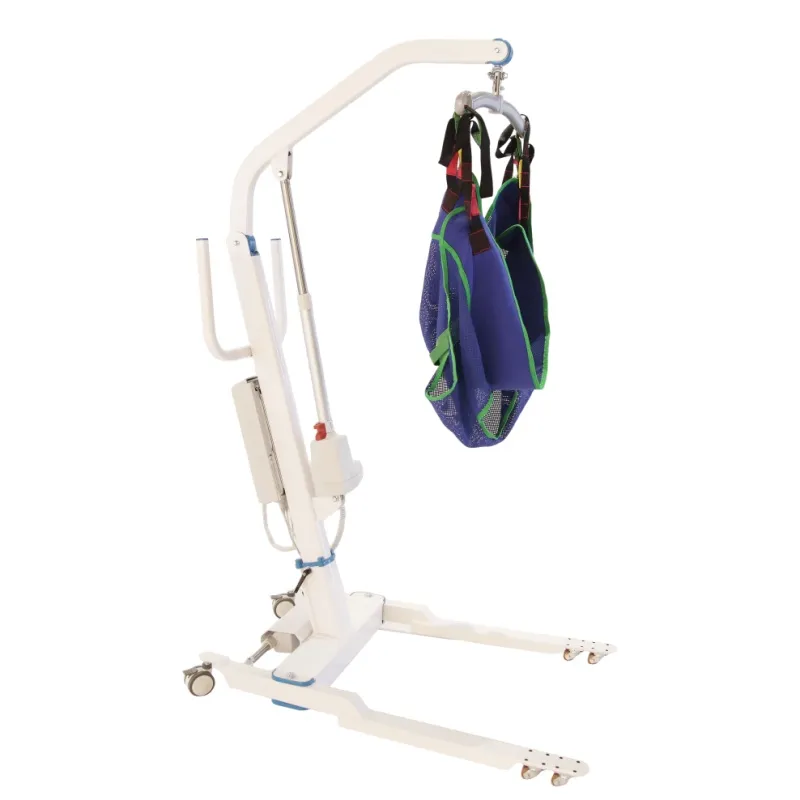
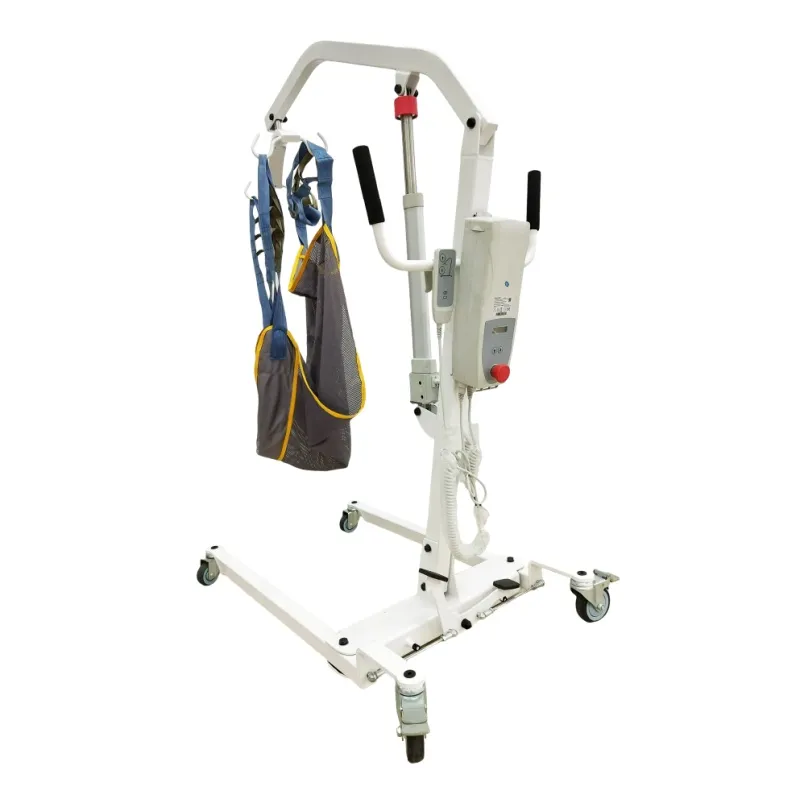
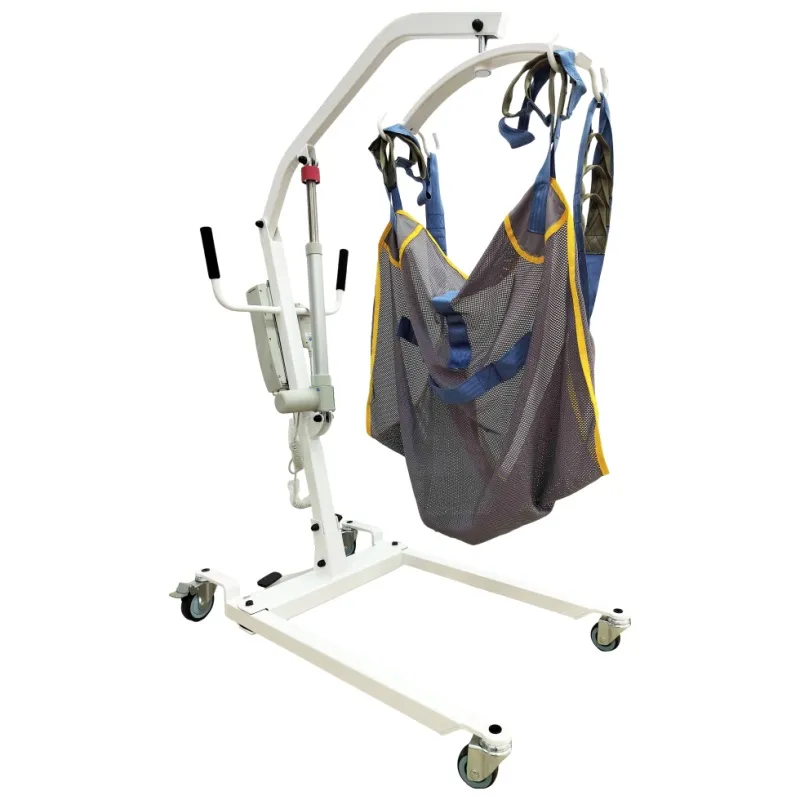
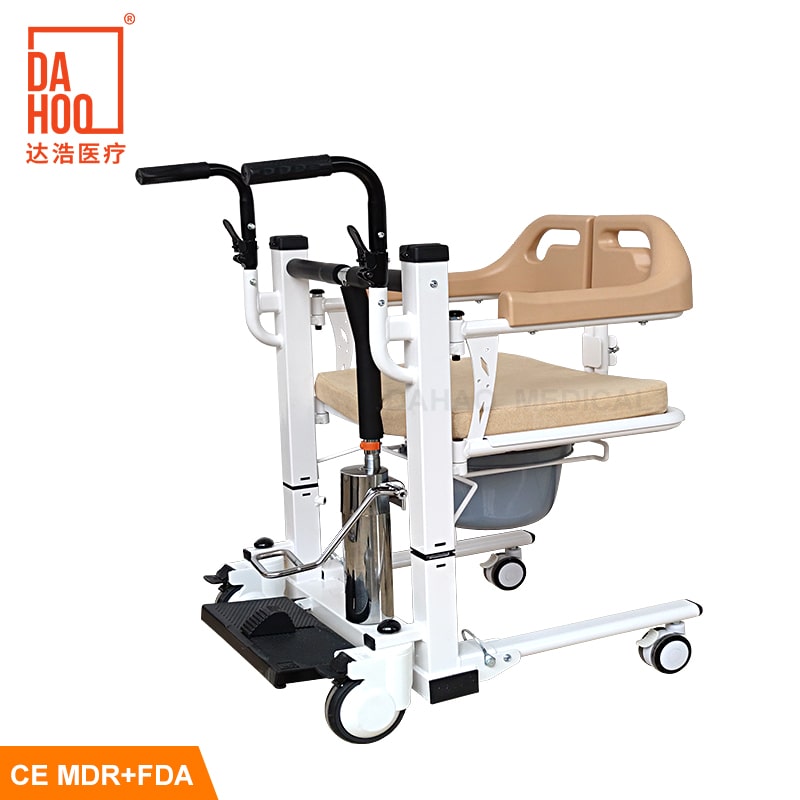
A patient transfer lifter is often referred to as a "sling-type transfer lifter" or "patient hoist." Unlike a patient transfer chair, a patient transfer lifter uses an electrically or manually driven suspension system to wrap and lift the patient's entire body using a sling.