

Hospital beds are core pieces of care equipment in healthcare facilities, rehabilitation centers, long-term care facilities, and home care environments. Among the many types of hospital beds, "electric beds" and "manual beds" are the two most common and frequently compared types. Many people ask when purchasing: which is better, an electric or a manual hospital bed?
The answer is quite clear – if you consider comfort, safety, care efficiency, and long-term convenience, electric beds are significantly superior to manual beds.
This article will provide an in-depth analysis of why electric beds are a better choice, examining their structure, functions, operation experience, safety, and care effectiveness from multiple professional perspectives, helping you understand the differences between the two and make the most informed equipment choice.
What is an electric hospital bed?
What are the essential differences between it and a manual hospital bed?
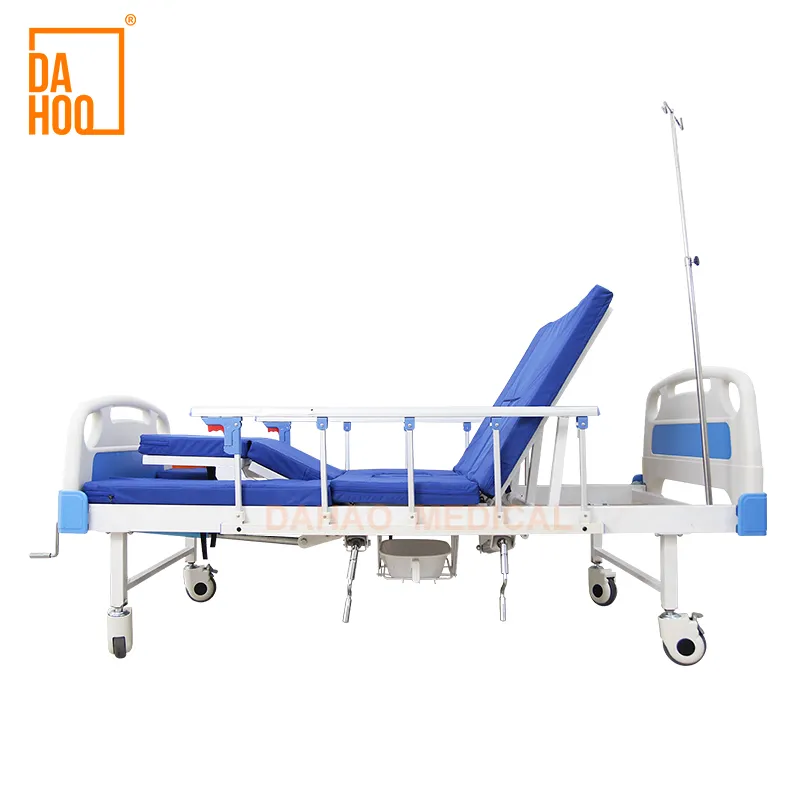
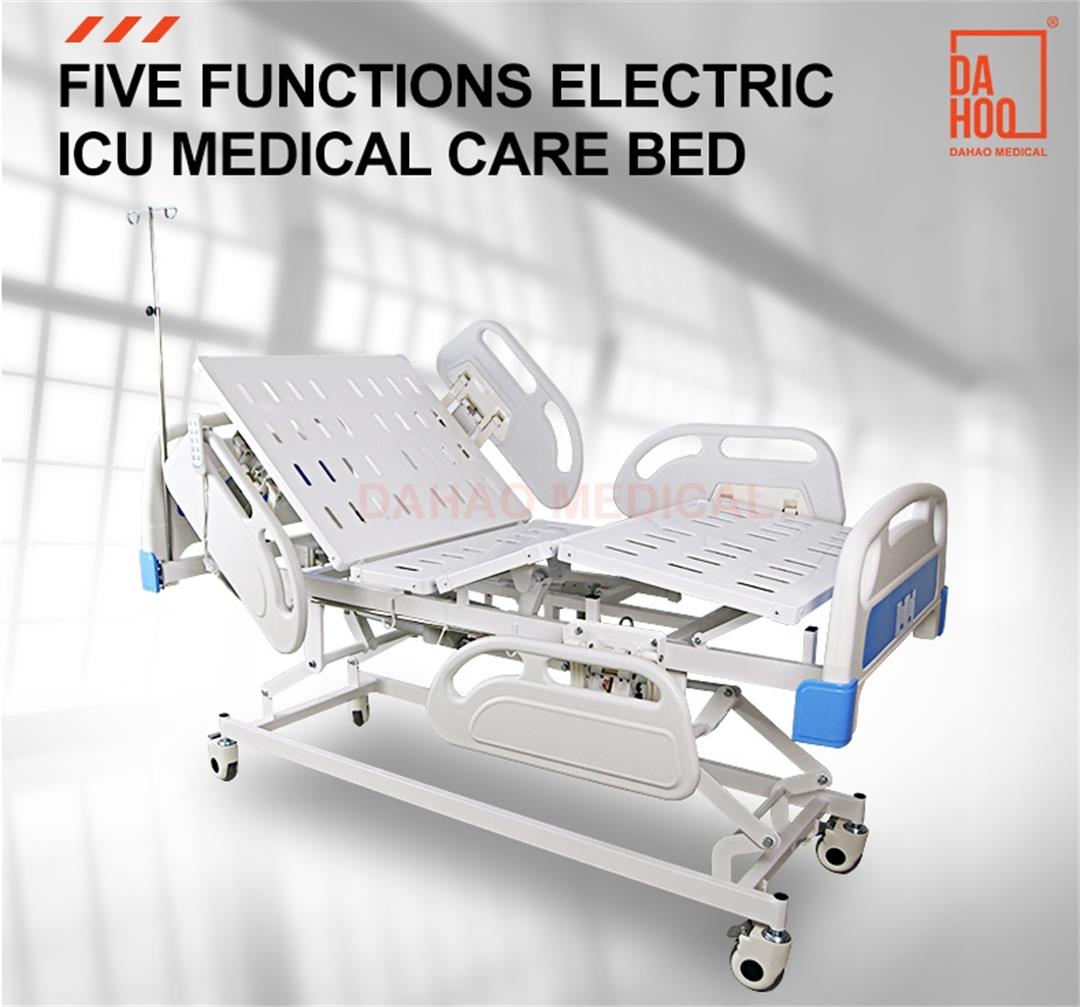
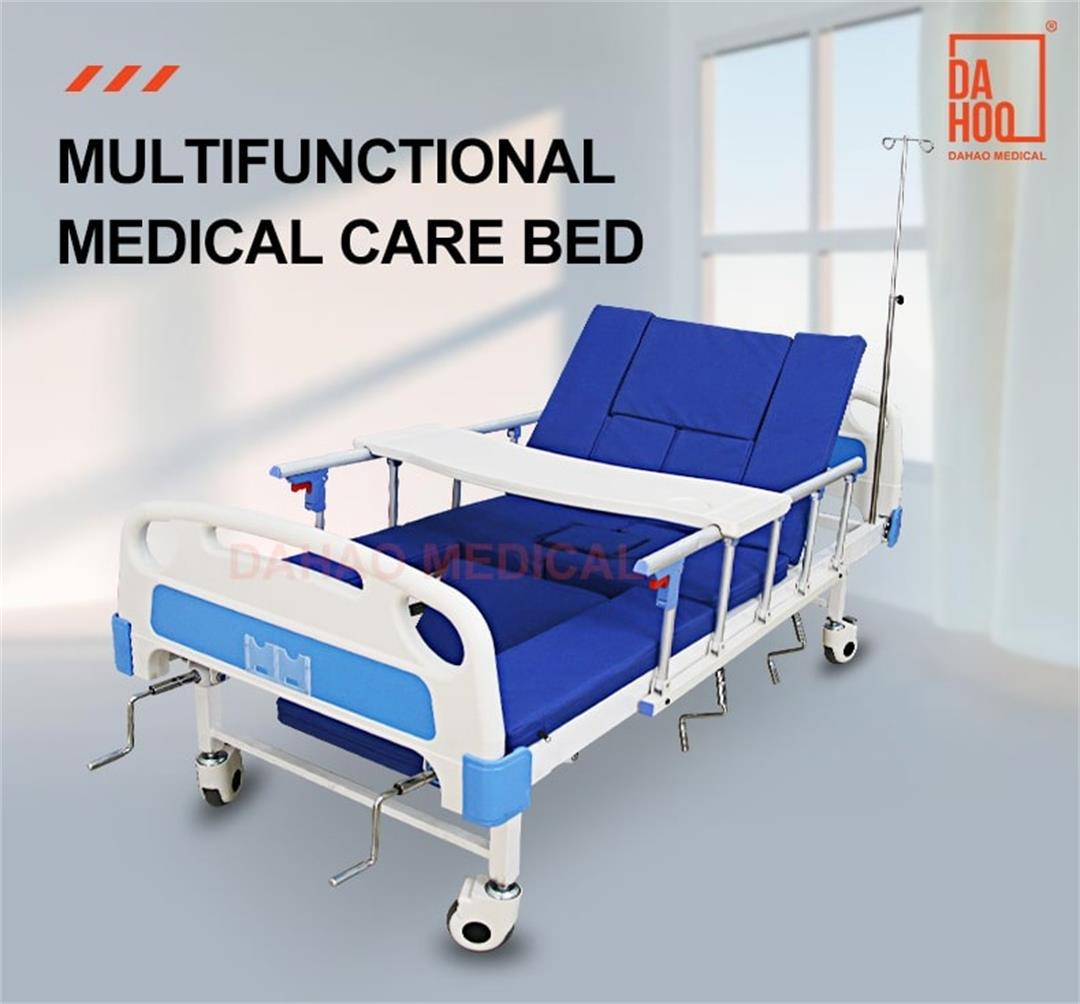
An electric hospital bed is a medical bed driven by a motor, adjustable using a remote control or bedside control panel. Back elevation, leg adjustment, and bed height adjustments are all performed by electric actuators. Manual beds, on the other hand, rely on a crank handle for manual adjustment of angle or height by caregivers.
The biggest difference between the two is:
• Electric beds: Automated adjustment
• Manual beds: Manual adjustment
This difference leads to significant differences in experience and performance, making electric beds the primary choice in modern healthcare.
Why are electric beds better than manual beds?
To make the conclusion more rigorous, the following analysis will be conducted from multiple professional perspectives.
1. Electric beds offer higher adjustment precision
Manual beds rely on a crank handle for adjustment, and angle control is often not precise enough. Electric beds, however, can be precisely adjusted to the ideal angle with the push of a button, for example:
• Raising the back to a specific angle
• Fine-tuning leg position
• Adjusting bed height in centimeter increments
This precision is extremely important for those who are bedridden for extended periods.
2. Electric beds reduce the burden on caregivers
Manual beds require caregivers to exert force to crank the handle, resulting in a heavy care burden, especially for frequent care of the elderly or those with mobility impairments. Electric beds, however, allow all movements to be completed with the push of a button, making them easier and more efficient.
3. Electric beds are more suitable for long-term care
Those who are bedridden for extended periods require frequent adjustments of posture, back elevation, and leg angle changes. Manual beds require caregivers to frequently operate a crank, which is not only laborious but can also cause discomfort to the patient. Electric hospital beds operate more smoothly, steadily, and precisely, making them more suitable for long-term use.
4. Electric hospital beds perform better in terms of safety
Electric hospital beds typically feature:
• Smooth start and stop systems
• Overload protection
• Automatic limit switches
• Medical-grade guardrails
In contrast, manual beds may cause patients to feel shaky or uncomfortable due to uneven force during adjustment, and there is even a risk of mechanical pinching.
5. Electric hospital beds offer a more comfortable user experience
Electric hospital beds not only meet lying down needs but also provide patients with more comfortable positions.
For example:
• Sitting position
• Semi-reclining position
• Leg elevation position
• Resting position
• Easier to accommodate needs such as breathing, eating, and reading
These positions are laborious and unstable to adjust manually.
In what aspects are electric hospital beds superior to manual hospital beds?
When comparing electric and manual hospital beds, the most crucial evaluation points come from user experience and care efficiency.
The advantages of electric hospital beds are mainly reflected in the following aspects:
• Smooth and comfortable adjustment
• No physical effort required
• Suitable for long-term care and high-intensity care environments
• More precise adjustment
• More suitable for the elderly or critically ill patients
These advantages are not possible with manual beds.
Why are the adjustment methods of electric hospital beds more suitable for caregiving?
The caregiving process often requires frequent adjustments to the patient's posture, such as:
• Assisting with eating
• Adjusting breathing posture
• Preventing pressure ulcers
• Assisting with elimination posture
• Changing sleeping positions
Each adjustment with a manual bed means physical exertion, while with an electric hospital bed, caregivers can easily complete the task with just the press of a button, requiring almost no physical effort.
This is especially important for home care, as family members often lack professional strength, and electric hospital beds effectively lower the barrier to caregiving.
What improvements in user experience can electric hospital beds bring to patients?
For patients, the improved experience with electric hospital beds is significant:
• Smooth adjustment without abrupt movements
• Ability to freely find a comfortable angle
• Easier to sit up, increasing independence
• No need for forced repositioning causing discomfort
• More ergonomic design
Especially for those who are bedridden for extended periods, the comfort of the bed's position directly affects mood, health, and recovery.
How do electric hospital beds help reduce the burden on caregivers?
Caregivers often have a very heavy workload, especially in institutional settings. Manual beds require repetitive cranking, while electric beds significantly reduce repetitive labor, allowing caregivers to dedicate more energy to more important care tasks.
For family caregivers, electric beds make it easier to care for the elderly or sick, avoiding back injuries caused by frequent bending, lifting, and adjusting.
Where is the safety of electric hospital beds superior to manual hospital beds?
The safety of electric hospital beds is mainly reflected in the equipment structure and electric control system:
• Automatic stop function
• Anti-pinch design
• Synchronized safety protection for guardrail lifting
• Motor with overload protection
• The entire bed is more stable and less prone to shaking
• Adjustable height reduces the risk of transfer accidents
Manual beds are more prone to instability or angle errors due to human factors during adjustment, therefore their safety is inferior to electric beds.
Are electric hospital beds suitable for all care scenarios?
For most care scenarios, electric hospital beds are the best choice, including:
• Hospital wards
• Rehabilitation centers
• Nursing homes
• Home care
• Community medical centers
Especially suitable for:
• Long-term bedridden patients
• Elderly people
• People with mobility impairments
• People with heavier weight requiring stable support
• People who need frequent position adjustments
The convenience and comfort provided by electric hospital beds make them suitable for almost all care needs.
Is there still a need for manual hospital beds?
Although electric hospital beds are clearly better, manual beds still have a place in certain low-budget, short-term use scenarios, such as:
• Temporary wards
• Remote areas
• Mild care needs
However, whenever long-term use, frequent adjustments, or higher quality care requirements are involved, electric hospital beds are always the better choice.
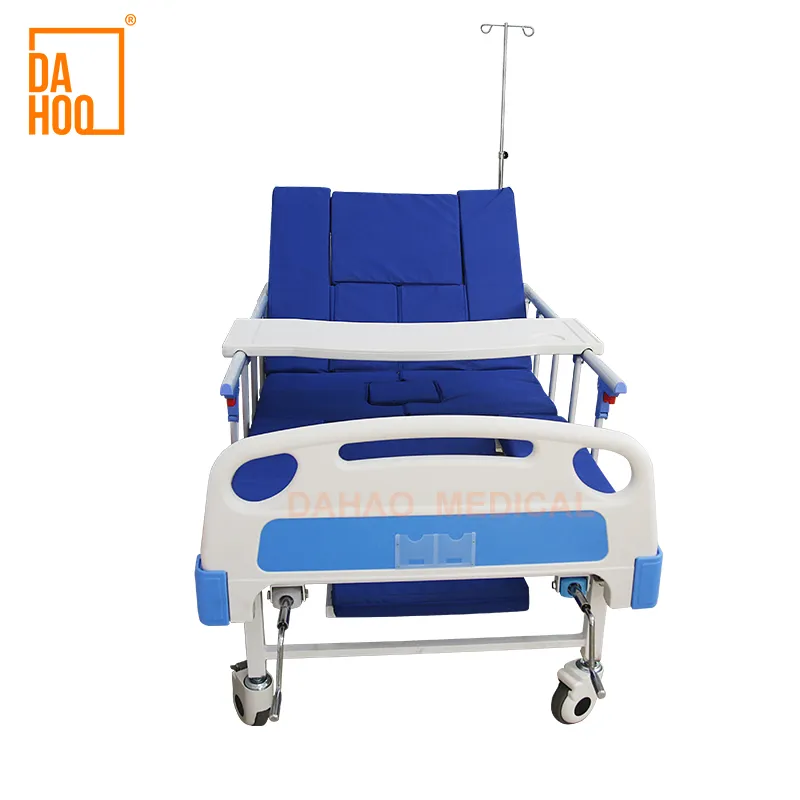
What key structural features make electric hospital beds superior to manual hospital beds?
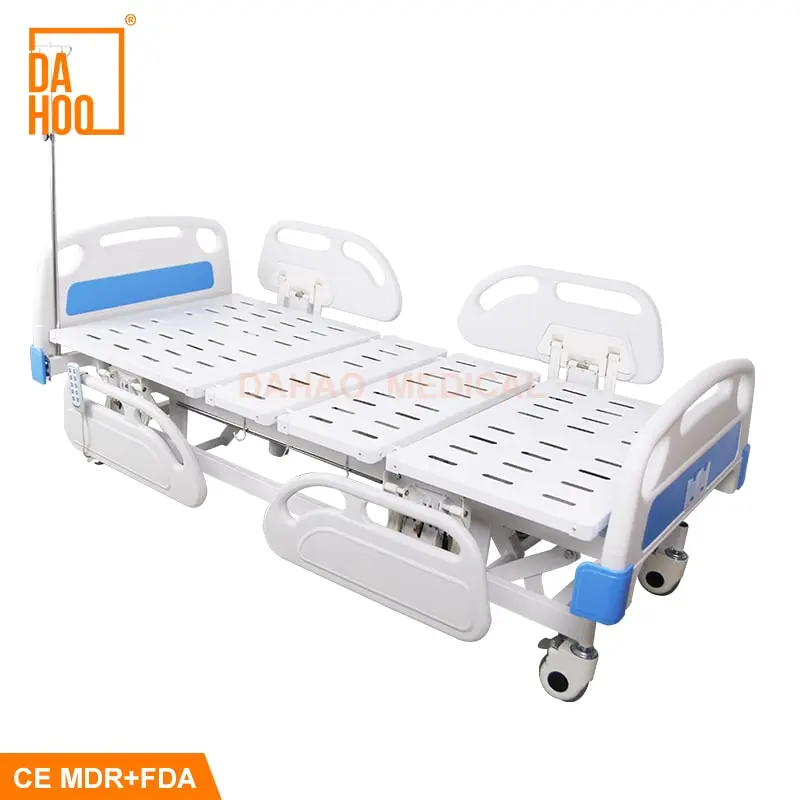
The structural advantages of electric hospital beds include:
• Electric actuator system
• Adjustable bed surface
• Multi-section bed base
• Medical-grade guardrails
• Stable medical casters
• Ergonomic bed design
These features make electric hospital beds superior in terms of durability, stability, and ease of care.
Where can I buy Dahao Medical’s products?
You can buy Dahao Medical’s high-quality medical equipment directly from our website or through authorized distributors worldwide. We supply our products to over 100 countries, including the USA, Europe, and many parts of Asia. As a leading manufacturer, we offer both OEM and ODM services, allowing you to purchase medical devices that meet your specific needs.
Whether you're looking to buy Electric Wheelchairs, Home Care Beds, or other medical equipment, we guarantee high-quality products at competitive prices.