

With the increasing popularity of power wheelchairs, lithium-ion batteries have become the mainstream power source. Compared to traditional batteries, lithium-ion batteries have advantages such as light weight, high energy density, and fast charging efficiency, and are therefore widely used in various electric wheelchair products.
However, in actual use, many users have the same question:
What percentage should a lithium-ion battery-powered wheelchair be charged to for optimal performance?
Some believe it must be charged to 100% every time, while others worry that overcharging will affect its lifespan. In fact, this question cannot be simply answered with "full charge" or "avoid overcharging," but requires a rational understanding of the charging logic of power wheelchairs based on the working characteristics of lithium-ion batteries.
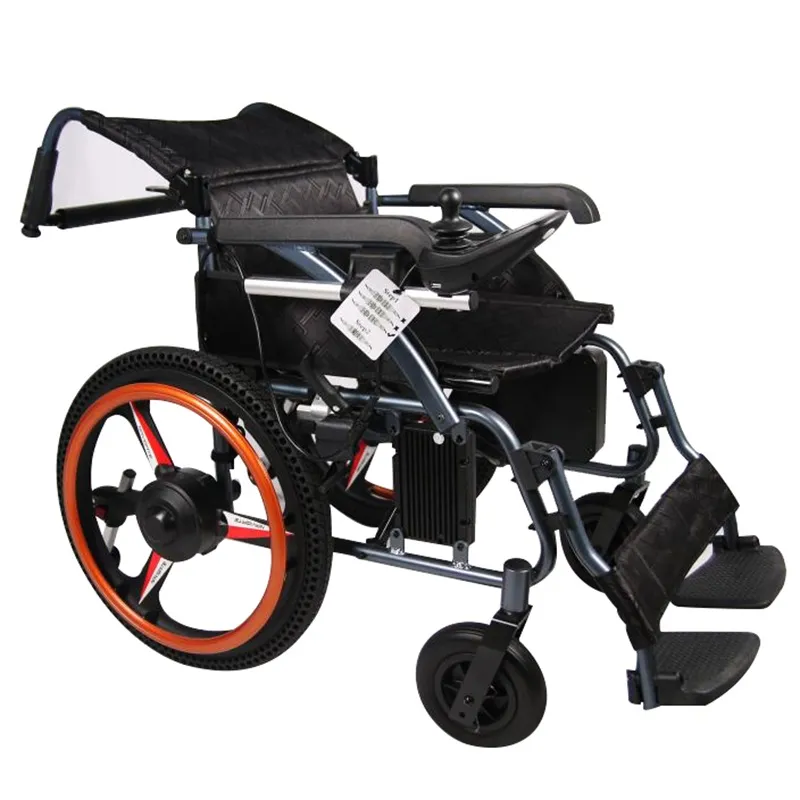
Why have lithium-ion batteries become the mainstream choice for electric wheelchairs?
Before discussing the charging percentage of electric wheelchairs, it's important to understand the characteristics of lithium-ion batteries themselves.
The main reasons why lithium-ion batteries are widely used in electric wheelchairs include:
• High energy density and long battery life
• Lighter weight, which is beneficial to the overall structure of the electric wheelchair
• High charging efficiency, making them more convenient to use
• No significant "memory effect"
These characteristics mean that lithium-ion batteries have significant differences in charging and discharging methods compared to traditional batteries.
What is the charging principle of lithium-ion batteries?
The charging process of a lithium-ion battery is essentially the movement of lithium ions between the positive and negative electrodes.
In power wheelchairs, lithium-ion batteries are usually protected by a battery management system (BMS), which is responsible for:
• Controlling the charging voltage
• Preventing overcharging and over-discharging
• Balancing the cell charge
• Providing basic safety protection
Because of these protection mechanisms, under normal use conditions, a power wheelchair will not immediately damage the battery by being fully charged once, but a reasonable charging range is still crucial for battery life.
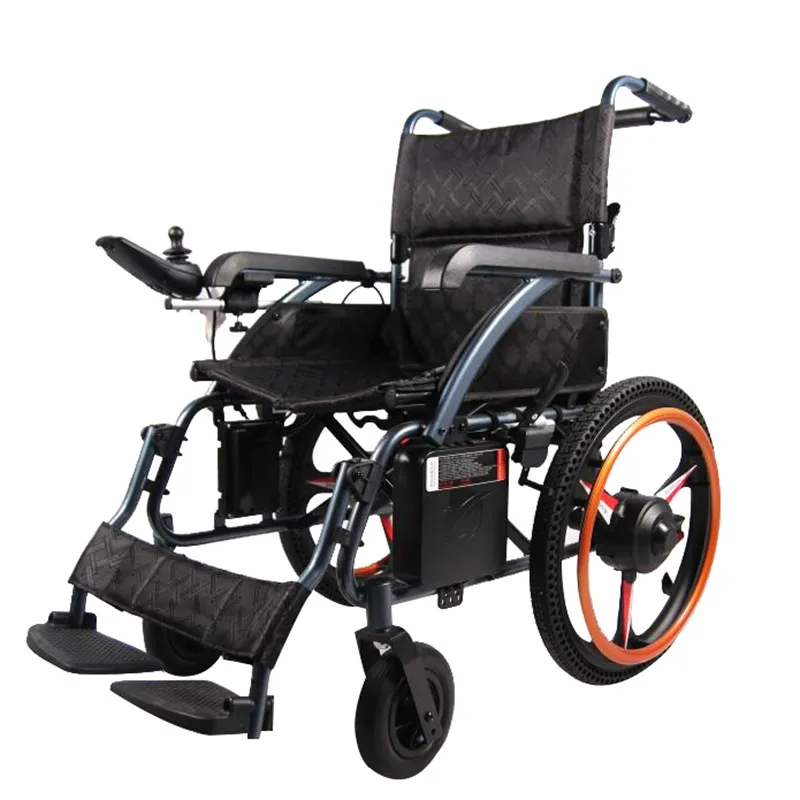
Does a lithium-ion battery-powered wheelchair always need to be charged to 100%?
This is one of the most common questions when using power wheelchairs.
From a technical perspective:
• Lithium-ion batteries can be charged to 100%
• But it is not required to charge to 100% every time
Being constantly at full charge puts higher voltage stress on the lithium-ion battery, thus accelerating battery aging to a certain extent. This is a general rule for all devices using lithium-ion batteries, and electric wheelchairs are no exception.
What percentage should a lithium-ion battery-powered wheelchair be charged to for optimal performance?
Considering the characteristics of lithium batteries and practical usage needs, the most reasonable charging range for most power wheelchair users is usually:
80%–90%
This charge range has the following advantages:
• Relatively lower voltage stress
• More stable internal chemical reactions in the battery
• Helps to slow down capacity degradation
• Still meets daily travel needs
This is why many professionals do not recommend keeping the lithium battery of an electric wheelchair at full charge for extended periods.
When is it appropriate to charge an electric wheelchair to 100%?
Although it's not necessary to aim for a full charge every time for daily use, charging an electric wheelchair to 100% is reasonable in certain situations:
• When longer or longer-distance travel is required
• When the intensity of use is significantly increased on that day
• When it's not possible to recharge midway
In these cases, charging to 100% can maximize the range of the electric wheelchair, and as long as it's not kept at full charge for extended periods, it generally won't cause significant problems for the battery.
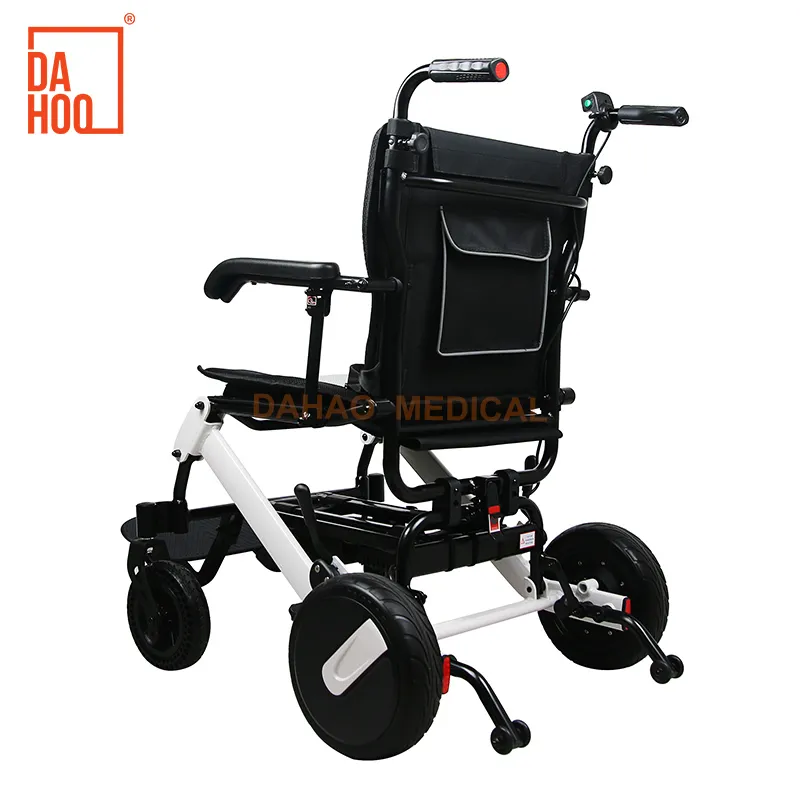
What problems can low battery levels cause for power wheelchairs?
Compared to "overcharging," "over-discharging" is often more harmful to lithium batteries.
When the power wheelchair's battery level is consistently too low, the following risks may arise:
• Battery voltage is too low
• Cell imbalance
• Irreversible capacity degradation
• Affects normal startup
Therefore, when using an electric wheelchair, you should try to avoid completely draining the battery before recharging.
What is the best remaining battery level to recharge an electric wheelchair?
From the perspective of lithium battery usage characteristics, shallow charging and discharging is the ideal method.
It is generally recommended:
• Start charging when the battery level is 20%–30%
• Avoid waiting until the battery is completely dead before charging
This method allows the battery to operate within a relatively gentle range, which helps to extend the overall lifespan of the electric wheelchair's lithium battery.
Does frequent charging affect the lifespan of a power wheelchair battery?
This is a common misconception among many users.
The lifespan of a lithium battery is not simply determined by the "number of charging cycles," but is closely related to the depth of charge and discharge.
• Charging from 80% to 100% has minimal impact on the battery.
• Charging from 5% to 100% puts more stress on the battery.
Therefore, compared to "using until the battery is completely depleted before charging," multiple small charges are more beneficial for the health of power wheelchair lithium batteries.
Is it good for the power wheelchair lithium battery to charge while using it?
In some usage scenarios, users might consider charging and using the power wheelchair simultaneously.
From a safety and battery management perspective:
• Most electric wheelchairs do not recommend charging while using.
• This may increase the burden on the battery and control system.
• It may also affect the accuracy of charge management.
Therefore, the safer approach is to use the electric wheelchair only after charging is complete.
Does the charging environment affect electric wheelchair lithium batteries?
Besides the charging percentage, environmental factors also affect the lithium battery's condition.
When charging an electric wheelchair, you should pay attention to:
• Avoiding high or low temperatures.
• Maintaining good ventilation during charging.
• Avoiding direct sunlight.
A stable charging environment helps the lithium battery complete the charging process within a safe range.
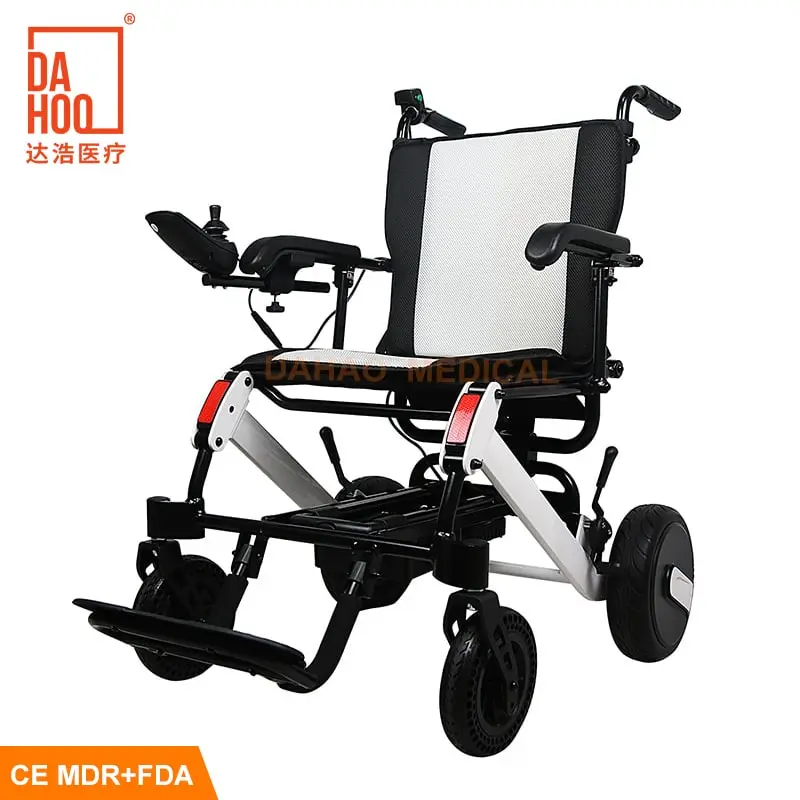
What percentage should the battery of a power wheelchair be charged to if it's not going to be used for a long time?
When a power wheelchair needs to be stored for a long time, power management is especially important.
It is generally recommended to:
• Keep the lithium battery charge level at 50%–60%.
• Avoid storing the battery at full charge or completely discharged.
• Regularly check the battery level.
This can reduce the aging rate of the battery while it is idle.
Why is correct charging so important for power wheelchairs?
The lithium battery is one of the core components of a power wheelchair, and its condition directly affects:
• Driving range
• Usage stability
• Safety
• Operating costs
Proper charging habits not only help extend the life of the lithium battery but also allow the power wheelchair to maintain more stable performance in daily use.
What percentage should a lithium battery wheelchair be charged to?
From a professional perspective, the following points can be summarized:
• For daily use, charging to 80%–90% is more reasonable.
• When long-distance travel is required, you can charge to 100%.
• Avoid prolonged full charge or excessive discharge.
• Charging is most suitable when the remaining battery level is 20%–30%.
For electric wheelchairs, the key to charging is not "how much to charge each time," but rather maintaining the battery in a healthy operating range for the long term.
As long as you follow a scientific charging logic, the lithium battery of the power wheelchair can provide reliable support for daily travel in a safe and stable state.
Does Dahao Medical offer international shipping?
Yes, Dahao Medical offers international shipping to over 100 countries around the world. Whether you are located in North America, Europe, or Asia, we can deliver our products, including Electric Wheelchairs and Hospital Care Beds, to your door. Our experienced logistics team works with trusted shipping partners to ensure that your order arrives on time and in perfect condition.