

Among modern assistive mobility devices, power wheelchairs have become an indispensable tool in the daily lives of many people with mobility impairments. With continuous technological advancements and evolving needs, the types of power wheelchairs on the market are becoming increasingly diverse. When choosing a power wheelchair, consumers often face different models, functions, and structures, making it difficult to accurately determine which one is most suitable for them.
Therefore, the question, "What are the different types of power wheelchairs?" has become a primary concern for users before purchasing.
To help users better understand the classification of electric wheelchairs, this article will systematically analyze three main types: light-duty electric wheelchairs, standard electric wheelchairs, and heavy-duty electric wheelchairs.
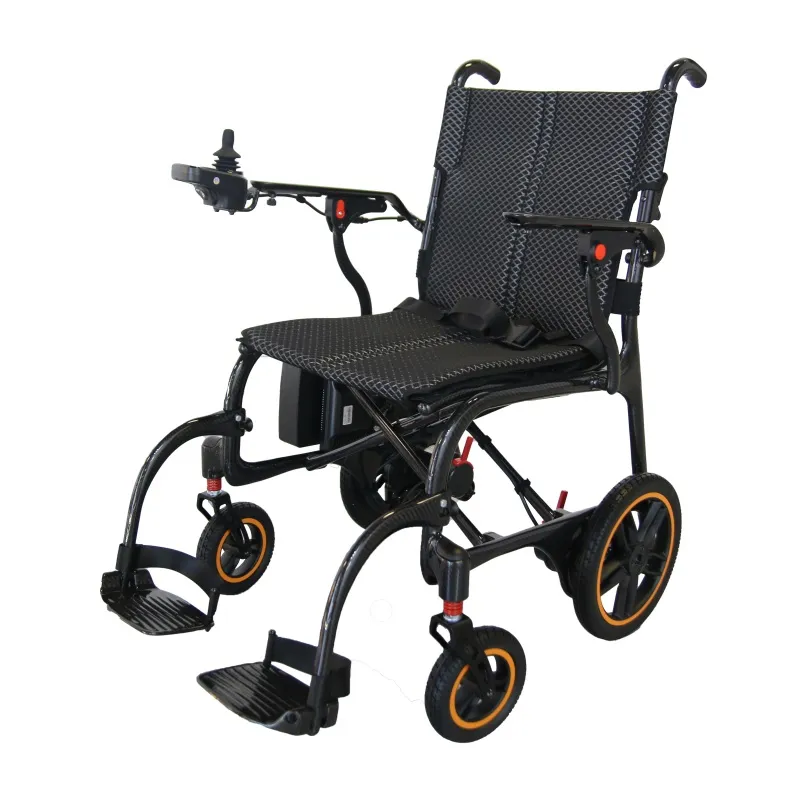
Why is understanding the types of electric wheelchairs important?
To choose the right electric wheelchair, it is essential to first understand the differences between the different types. Electric wheelchairs are not only assistive walking tools but also long-term companions for users.
Choosing the right type ensures:
• Smooth and easy daily travel
• Easier and safer operation
• Battery life meets your needs
• Comfortable seating posture and reduced fatigue
• Longer device lifespan
Different types of electric wheelchairs are suitable for users of different weights, environments, usage frequencies, road conditions, and physical conditions. For example, lightweight electric wheelchairs are suitable for users who need portability and folding, while heavy-duty electric wheelchairs are more suitable for users who need to use them outdoors for extended periods or for heavier users.
Therefore, a thorough understanding of the basic classifications of power wheelchairs is an important first step in making the right purchase decision.
How are electric wheelchairs classified?
Electric wheelchairs are typically classified based on three core dimensions:
1. Overall weight and structure
2. Load-bearing capacity and power performance
3. Usage scenarios and functional requirements
Based on these key indicators, power wheelchairs on the market are mainly divided into three categories:
• Lightweight electric wheelchairs
• Standard electric wheelchairs
• Heavy-duty electric wheelchairs
Next, we will analyze in detail the characteristics, applicable groups, and differences of these three types of electric wheelchairs.
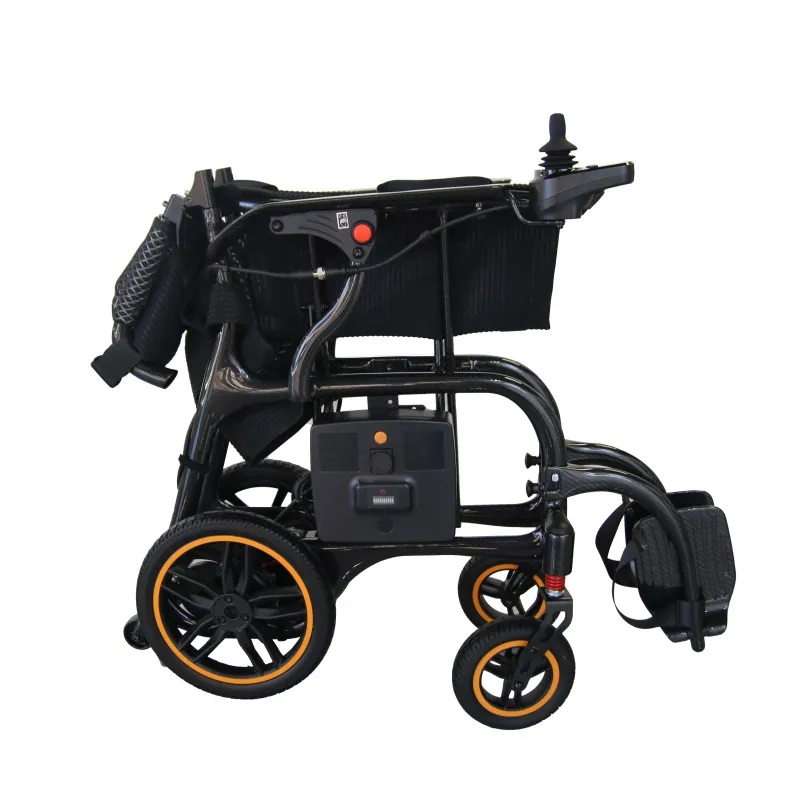
Who are lightweight electric wheelchairs suitable for?
Lightweight electric wheelchairs have become one of the most popular types of electric wheelchairs in the consumer market in recent years. Their core design principles are portability, lightweight, and foldability, making them ideal for users who frequently travel, use public transportation, have limited space, or require easy operation.
1. What is a lightweight electric wheelchair?
Lightweight electric wheelchairs typically have the following characteristics:
• Lightweight overall weight, usually between 18–28 kg
• Quick-folding design for easy storage in a car trunk
• Uses lightweight or aerospace-grade aluminum materials
• Primarily designed for short distances on flat surfaces
• Uses lightweight lithium batteries
Due to their portability, lightweight electric wheelchairs have become a popular choice for short-distance urban travel and daily mobility.
2. What are the advantages of lightweight electric wheelchairs?
The advantages of lightweight electric wheelchairs are mainly reflected in:
1). Lightweight and easy to carry
Folding and carrying can be completed by a single person without additional assistance.
2). Compact folding size
Conveniently placed in a car trunk, in a corner of the home, or on a wheelchair ramp.
3). Easy to Use
Simple operation; buttons and joysticks are easy to control.
4). Suitable for Short Distances
Very effortless to use on flat ground such as in shopping malls, communities, and parks.
5). Lightweight and Durable Lithium Battery
More suitable for frequent disassembly and recharging.
3. What are the limitations of lightweight electric wheelchairs?
While lightweight electric wheelchairs are portable, they also have some limitations:
• Lower weight capacity, generally 90–120 kg
• Relatively insufficient power, unsuitable for long slopes and complex road conditions
• Typically shorter range, approximately 10–20 km
• Seat comfort is relatively average.
Therefore, lightweight electric wheelchairs are more suitable for users who need portability and short-distance mobility, rather than those who want to travel outdoors for extended periods or require high power.
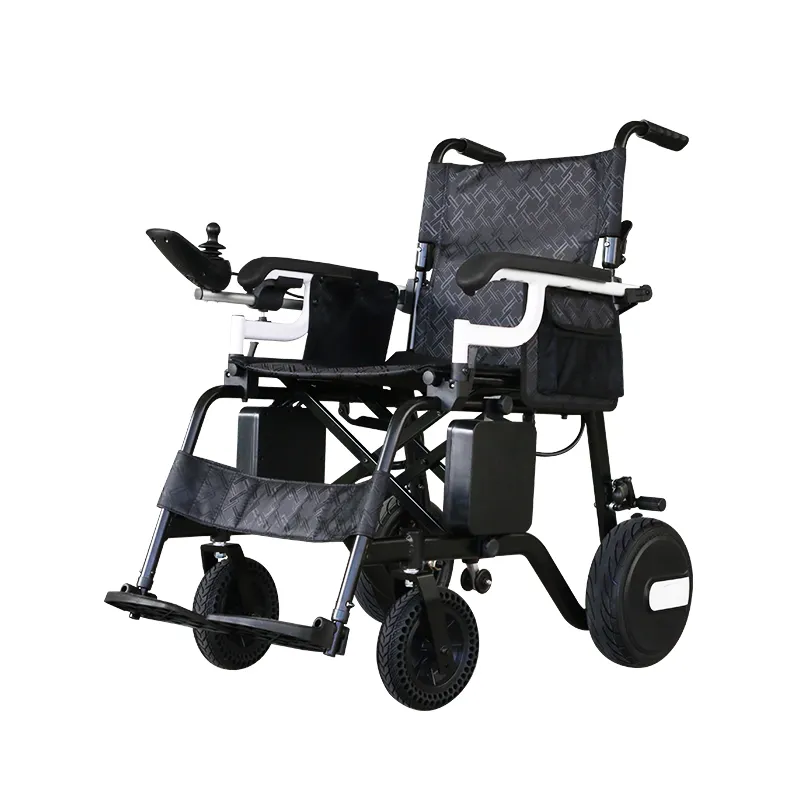
Why are standard power wheelchairs suitable for most users?
Standard power wheelchairs are the most common type of power wheelchair on the market. They strike a balance between portability, power, and stability, making them the most widely used type in daily life.
1. What is a standard electric wheelchair?
Standard electric wheelchairs have the following characteristics:
• Overall weight is generally between 30–45 kg
• Better frame stability than lightweight wheelchairs
• Above-average power and range
• More suitable for long-term daily use
• More features than lightweight electric wheelchairs
• Most have a foldable design, but are heavier
Standard power wheelchairs are generally considered the "most versatile" type of power wheelchair, suitable for most environments such as homes, hospitals, parks, and city streets.
2. What are the main advantages of standard electric wheelchairs?
1). High stability
The frame is more robust, suitable for medium to long-term use.
2). Stronger power
Motor power is mostly between 250–350W, providing good climbing ability.
3). Better range
Most have a range between 15–30 kilometers.
4). Higher seat comfort
More sophisticated ergonomic design in the seat cushion and backrest.
5). Widest applicability
Good practicality both indoors and outdoors.
3. Are there any drawbacks to standard electric wheelchairs?
• Less portable than lightweight electric wheelchairs
• Higher weight, making them less convenient to move
• Larger size when folded
• Usually slightly more expensive than lightweight models
For most users who don't need frequent folding and moving, standard electric wheelchairs are often the most suitable choice.
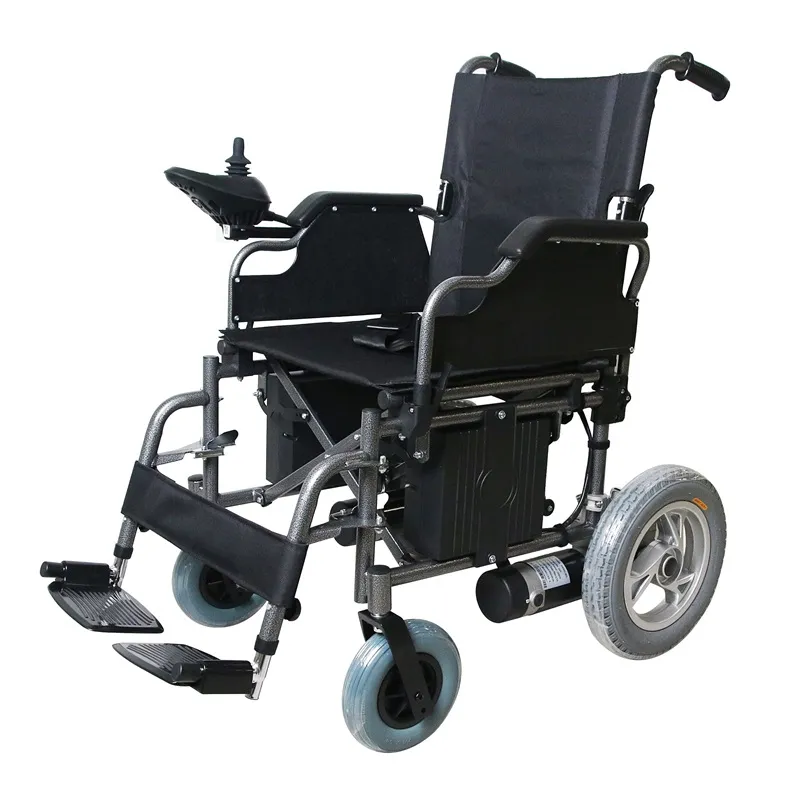
Who are heavy-duty electric wheelchairs suitable for?
Heavy-duty electric wheelchairs are professional-grade electric wheelchairs designed for high load-bearing capacity, high power, and long battery life. Compared to lightweight and standard electric wheelchairs, heavy-duty electric wheelchairs are superior in power, stability, and comfort.
1. What is a heavy-duty electric wheelchair?
Characteristics of heavy-duty electric wheelchairs include:
• Typical weight of 50–80 kg or even higher
• High load-bearing capacity, up to 150–200 kg
• Powerful motors, such as 400–700W
• Large batteries, providing a range of over 20–40 km
• High handling stability and strong obstacle-crossing ability
• Suitable for complex outdoor environments
They are often considered "high-powered" and "high-durability" power wheelchairs.
2. What are the core advantages of heavy-duty electric wheelchairs?
1). Powerful power output
High-powered motors easily handle uphill climbs and rough roads.
2). Superior load-bearing capacity
Suitable for heavier users while ensuring stability and safety.
3). Excellent range
Large-capacity batteries mean longer driving distances.
4). Strong obstacle-crossing performance
Large tires and high-torque motors make complex terrain no longer a problem.
5). Industry-Leading Seating Comfort
Many feature thick seat cushions, adjustable backrests, and ergonomic support systems.
3. What are the limitations of heavy-duty electric wheelchairs?
• Large overall size, difficult to fold
• Difficult to transport, requires vehicle or ramp assistance
• Not suitable for confined spaces
• Generally more expensive
If users require powerful performance, long range, or heavy load capacity, heavy-duty electric wheelchairs are often the best choice.
What are the essential differences between different types of electric wheelchairs?
To better understand the differences between lightweight, standard, and heavy-duty electric wheelchairs, we will compare them based on the following key indicators:
1. Overall Weight
• Lightweight electric wheelchair: 18–28 kg
• Standard electric wheelchair: 30–45 kg
• Heavy-duty electric wheelchair: 50 kg and above
2. Range
• Lightweight: 10–20 km
• Standard: 15–30 km
• Heavy-duty: 20–40 km or more
3. Power Performance
• Lightweight: Basic power, suitable for flat ground
• Standard: Medium power, suitable for moderate inclines
• Heavy-duty: High power, capable of handling complex terrain
4. Target Audience
• Lightweight: People who need portability, lightness, and short-distance travel
• Standard: People who need daily use and stable handling
• Heavy-duty: Heavier users, people with high outdoor needs
5. Usage Scenarios
• Lightweight: Indoors, shopping malls, flat surfaces
• Standard: Suitable for both indoor and outdoor use
• Heavy-duty: Suitable for outdoor use, complex terrain, and long-distance travel
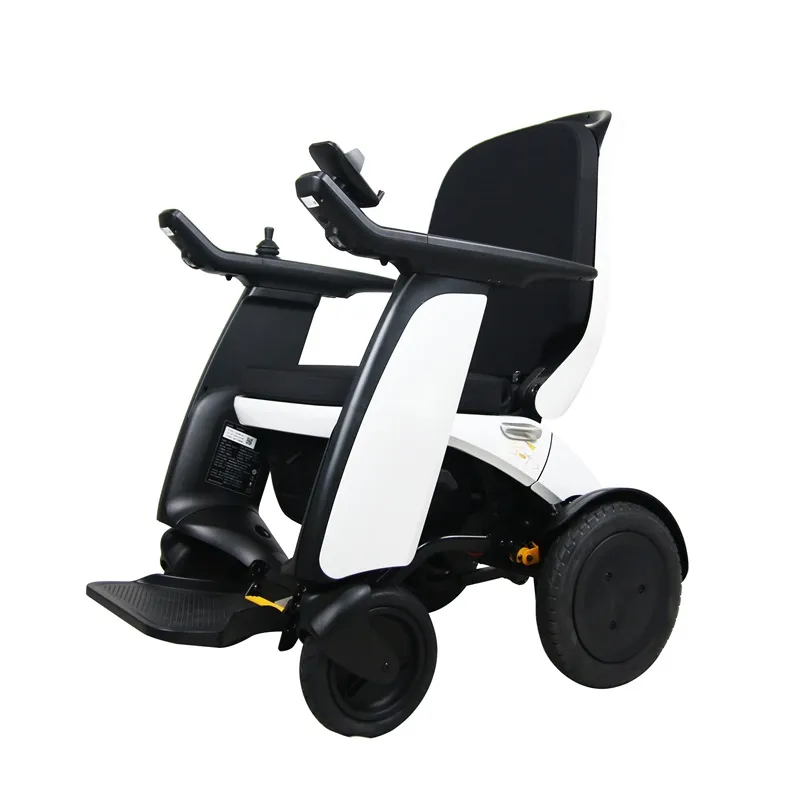
How to choose the right electric wheelchair for your needs?
When choosing an electric wheelchair, you need to comprehensively evaluate the following dimensions:
1. Your own weight
The heavier you are, the more you need to choose a standard or heavy-duty electric wheelchair.
2. Usage environment
• Frequent car travel: Lightweight is best
• Mostly indoors: Lightweight or standard
• Mostly outdoors, complex road conditions: Heavy-duty is most suitable
3. Carrying needs
If you need to frequently fold and carry things, a lightweight power wheelchair has a significant advantage.
4. Battery life requirements
If you travel more than 15 kilometers per day, you should choose a standard or heavy-duty power wheelchair.
5. Budget range
Lightweight is usually the cheapest, heavy-duty is the most expensive; choose according to your needs.
Are lightweight electric wheelchairs durable enough?
With proper use, the durability of a lightweight electric wheelchair is more than enough for daily needs.
Is a standard electric wheelchair the most suitable for first-time users?
Yes, most first-time electric wheelchair users choose the standard electric wheelchair as their first choice.
Are heavy-duty electric wheelchairs too big and unsuitable for indoor use?
While they may be less maneuverable in confined spaces, their stability and power are unmatched by other types.
What are the main types of electric wheelchairs?
Electric wheelchairs are mainly divided into three categories based on their structure and usage needs:
• Lightweight electric wheelchairs: Lightweight, foldable, and portable, suitable for short trips and daily commutes.
• Standard electric wheelchairs: Excellent overall performance, suitable for most users' daily use.
• Heavy-duty electric wheelchairs: Powerful, high load-bearing capacity, and long battery life, suitable for outdoor activities and users with high demands.
When choosing a power wheelchair, the most crucial factor is not choosing the "most expensive," but choosing the "most suitable for you." Understanding the differences between power wheelchair types can help you quickly find a product that truly meets your needs.
What is Dahao Medical, and what do you offer?
Dahao Medical is a leading manufacturer of healthcare and mobility equipment, based in Foshan, China. Since our establishment in 2008, we’ve specialized in producing a wide range of products, including Electric Wheelchairs, Transfer Chairs, Hospital Care Beds, 4-Wheel Rollator Walkers, Home Care Beds, and Electric Patient Lifters.
Our products are certified with international standards such as ISO 13485:2016, CE, FDA, TUV, and BV, ensuring they meet the highest safety and quality criteria. We offer both OEM and ODM services, providing customized solutions for clients worldwide.