

With the convenience of air travel and the development of lightweight electric wheelchair technology, more and more passengers with mobility impairments wish to bring their own electric wheelchairs on flights to maintain their ability to travel independently at their destination.
So, "Can I bring my lightweight electric wheelchair on a plane?" This is a question many travelers are most concerned about before planning their trip.
The answer is: Yes. You can bring a lightweight electric wheelchair on a plane, but you must check the airline's specific regulations in advance and follow the rules regarding lithium batteries, security procedures, check-in procedures, and cargo hold storage.
To ensure a smooth journey, passengers usually need to notify the airline 48 hours in advance and arrive at the airport early to complete the necessary procedures.
This article will answer all your questions about bringing an electric wheelchair on a plane in detail, covering airline requirements, travel procedures, safety precautions, and frequently asked questions.
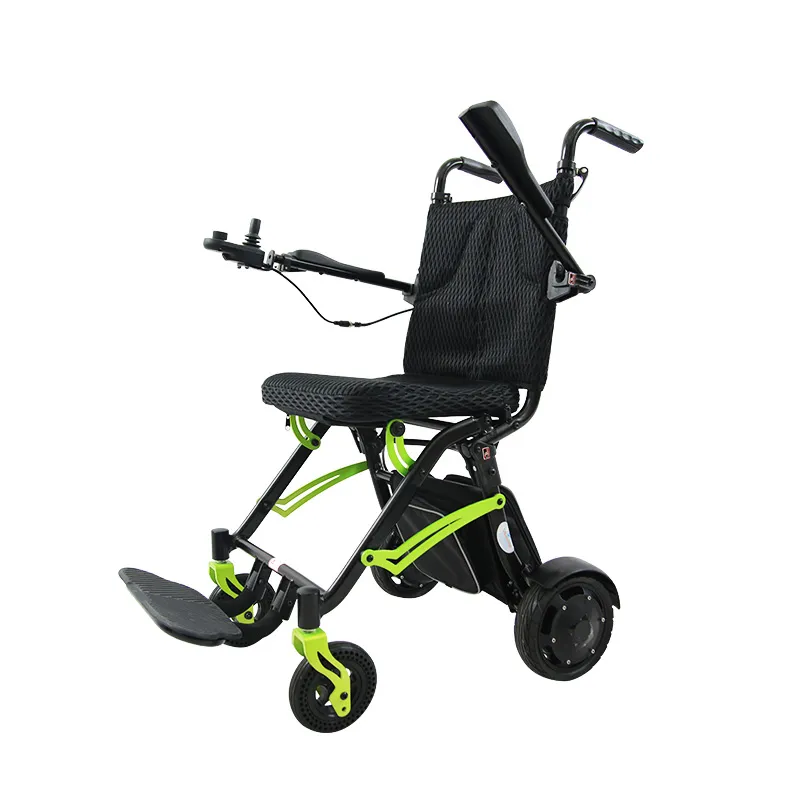
Can I bring a lightweight electric wheelchair on a plane?
The short answer is: Yes, you can, but you must comply with the airline's battery transportation regulations and wheelchair handling procedures.
Lightweight electric wheelchairs commonly use lithium-ion batteries, which are subject to strict aviation regulations. Different airlines may have different requirements regarding battery specifications, battery removal methods, battery power, and certification documents; therefore, confirming these requirements in advance is crucial.
The following key points are generally required by all airlines:
• You need to declare your electric wheelchair to the airline in advance.
• You need to confirm that the battery meets aviation safety standards.
• Some batteries must be removed and carried on board.
• The electric wheelchair will be checked in at the boarding gate and transported in the cargo hold.
• You will need to use the electric wheelchair to pass through airport security and then transfer to an aisle chair to board the plane.
Therefore, although the rules are relatively complex, it is entirely feasible to travel by air with an electric wheelchair if you prepare correctly.
Why is it important to declare your electric wheelchair to the airline in advance?
Advance declaration is a crucial step for a smooth travel experience.
1. Battery Type and Specifications Need Verification
Most lightweight electric wheelchairs use:
• Lithium-ion batteries
• Lithium polymer batteries
• Modular removable lithium batteries
According to the International Air Transport Association (IATA) requirements:
• Batteries must meet UN38.3 testing standards
• Battery watt-hours (Wh) must be within permissible limits
• Batteries exceeding a certain Wh must be removed and carried on board.
Each airline may have slightly different requirements, so advance confirmation is crucial.
2. Wheelchair Transportation Arrangements Needed
Electric wheelchairs are considered special equipment, and airlines need to:
• Arrange a cargo hold space that matches their dimensions
• Arrange staff to handle wheelchairs
• Provide gate check-in service
Failure to notify in advance may result in transportation being unable to be arranged on the day of departure.
3. Assistance Services Required for Passengers with Low Mobility
If passengers require:
• Airport wheelchair assistance
• Security assistance
• Aisle chair boarding
• Additional assistance during the flight
Advance notification allows airlines to arrange services and avoids travel delays.
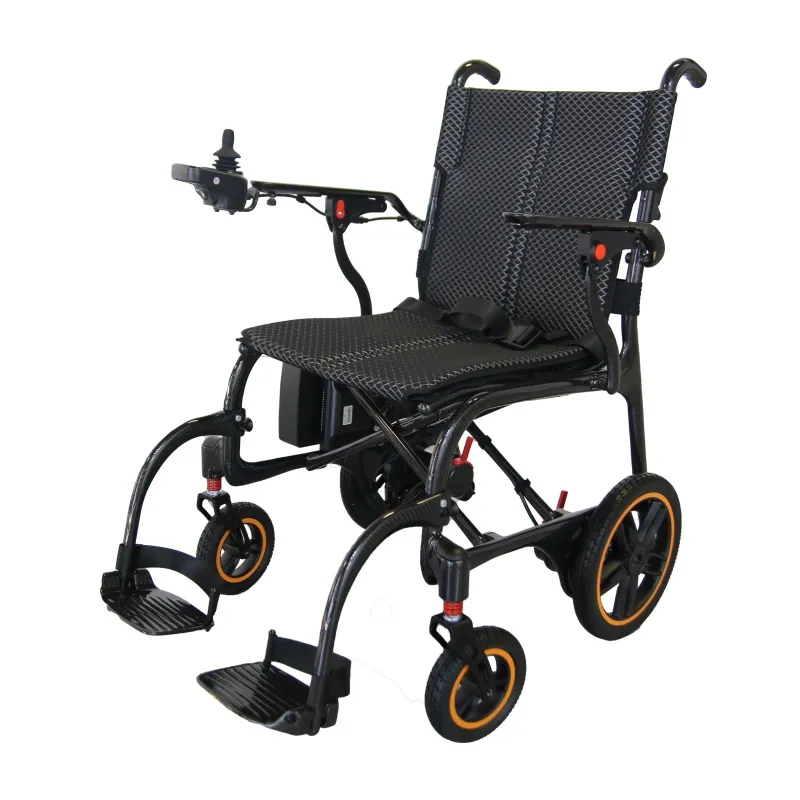
What is the complete process for traveling with a lightweight electric wheelchair?
This is the part passengers are most concerned about. Below is a detailed breakdown of the entire process from pre-departure to arrival.
1. Notify the airline 48 hours before departure
Airlines generally recommend notifying you at least in advance of:
• Notifying you of your electric wheelchair 48 hours before departure
• Providing electric wheelchair specifications (weight, dimensions, battery power)
• Indicating whether the battery is removable
Some airlines may also require:
• Product manual
• Battery certification documents
Proactive communication ensures the airline is prepared for you.
2. Upon arrival at the airport: Check-in with your electric wheelchair
To allow sufficient time for equipment processing, it is recommended to:
• Arrive at the airport at least 2–3 hours in advance
• Check in for special baggage and assistive devices
Staff will guide you through the security area.
3. Using your power wheelchair through security
Your power wheelchair can usually proceed directly to the security checkpoint.
Security checks may require:
• Checking the battery installation method
• Checking for exposed wiring
• Ensuring the controller and battery are securely installed
If the battery needs to be removed:
• Must be carried into the cabin
• Not allowed in checked baggage
4. Transferring to an Aisle Chair Before Boarding
Since power wheelchairs are not allowed in the aircraft cabin, the general procedure is as follows:
• The passenger arrives at the gate in their power wheelchair.
• Staff marks the wheelchair as "Gate Check-in".
• You transfer to an aisle chair provided by the airline.
• Staff transport your electric wheelchair to the cargo hold.
Electric wheelchairs are usually handled with care and priority.
5. Retrieving the Electric Wheelchair After the Flight
Upon arrival at your destination:
• Staff will take your power wheelchair to the aircraft door or baggage claim area.
• You then use your power wheelchair to leave the airport.
The entire process is complete, safe, and standardized.
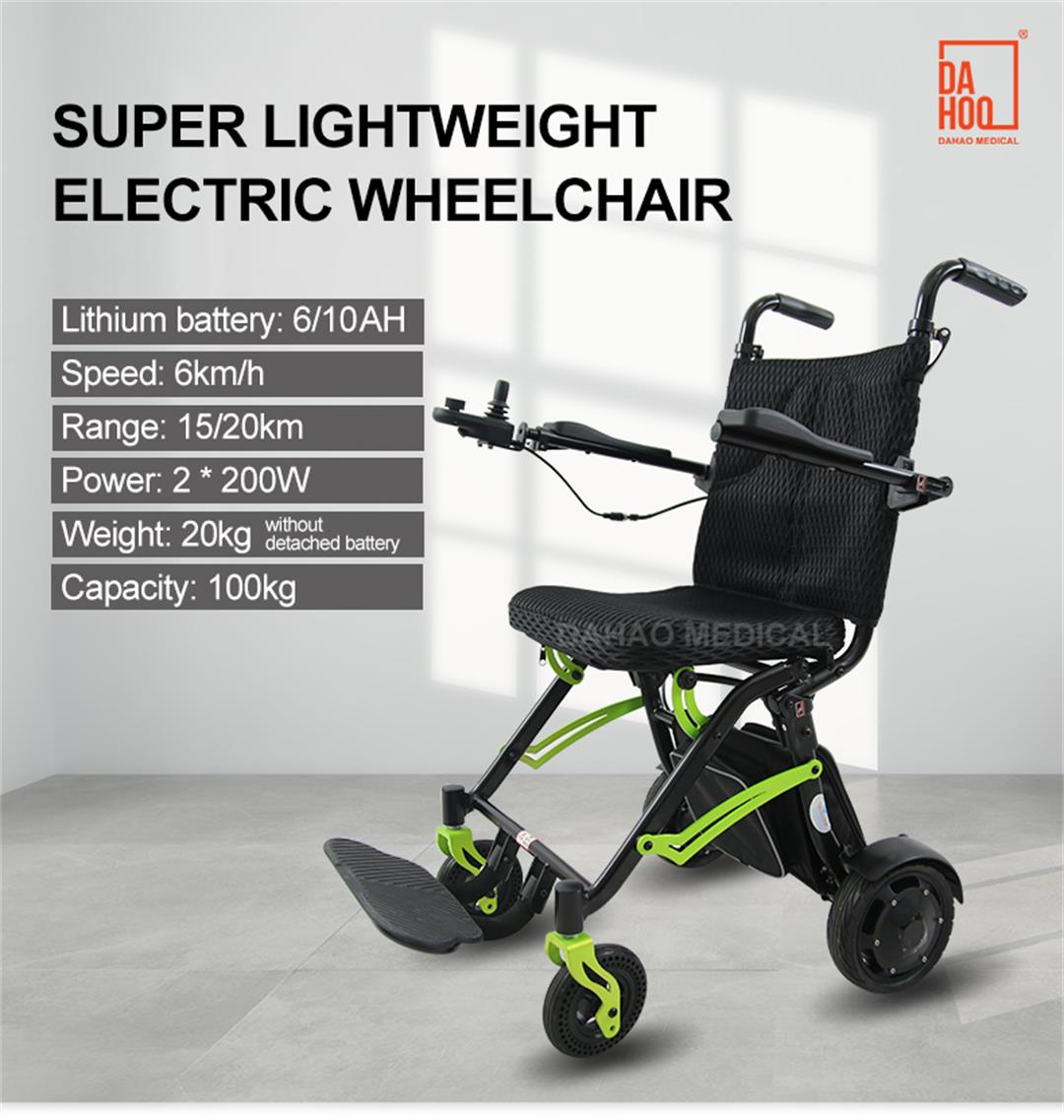
What are the battery regulations for power wheelchairs on board?
This is one of the most important parts, as the battery determines whether you can successfully board the plane.
1. Lithium batteries must comply with UN38.3 standards
UN38.3 is the mandatory testing standard for lithium batteries transported by air, including:
• Pressure testing
• Temperature cycling
• Impact testing
• Vibration testing
• Short circuit testing
Batteries that do not pass UN38.3 will be refused transport by airlines.
2. Battery watt-hour (Wh) restrictions
Most airlines stipulate:
• Lithium batteries ≤300Wh can be transported with power wheelchairs.
• Batteries 100Wh–300Wh need to be removed and carried on board.
• Batteries >300Wh are generally not allowed to be checked in by most airlines.
Light electric wheelchairs typically use:
• 24V
• 10Ah–20Ah
Calculating watt-hours:
Wh = Voltage × Ampere-hour (Ah)
For example:
24V × 10Ah = 240Wh
→ Allowed for both carry-on and checked baggage.
Why are lightweight electric wheelchairs stored in the cargo hold?
Reasons are as follows:
• Electric wheelchairs are relatively large.
• Passenger cabin aisle and seating space is limited.
• Wheelchairs may obstruct escape routes.
• Airlines require securing equipment to prevent movement.
Electric wheelchairs are typically placed in:
• The dedicated assistive device area on larger aircraft.
• The "special items compartment" along with strollers and walkers.
This is standard airline practice, and there is no need to worry about the equipment being subjected to additional risks.
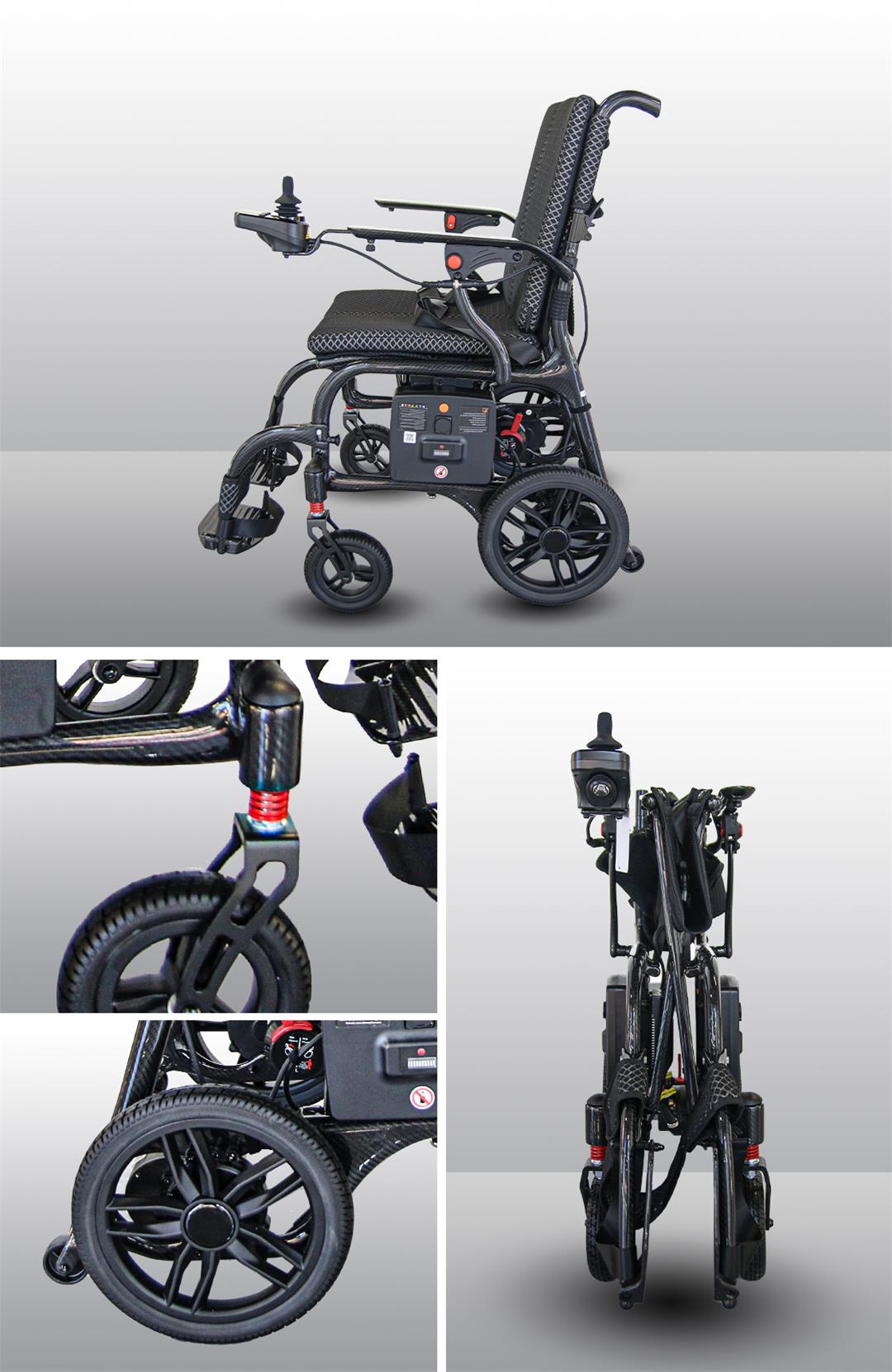
How to prepare a lightweight electric wheelchair before boarding?
To ensure smooth check-in of your wheelchair, it is recommended to make the following preparations.
1. Check if the battery is removable
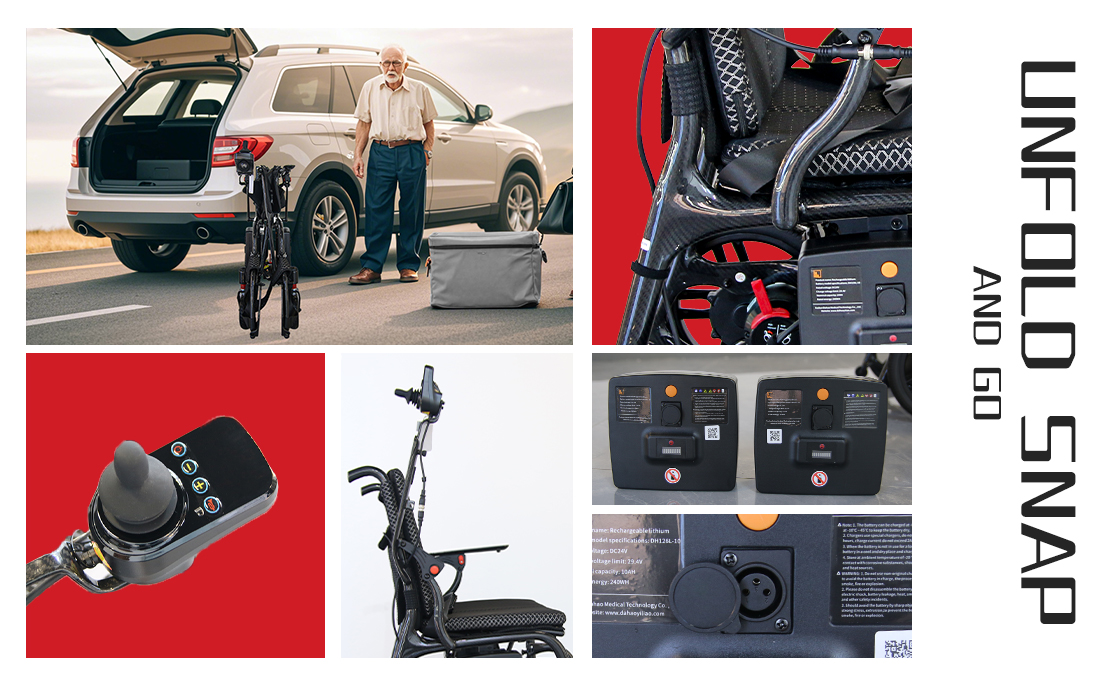
Many lightweight electric wheelchairs are designed to:
• Have a quick-release battery
• Allow the battery to be carried on board
Please ensure:
• The battery can be safely removed
• The battery ports are not exposed
• The battery legs do not touch metal when carried on board
2. Fold or secure the electric wheelchair
If your lightweight electric wheelchair is foldable:
• Reduces size
• Facilitates cargo hold placement
• Reduces the risk of collision
If it cannot be folded:
• Airlines will use special securing straps
• Will not damage the structure
3. Remove removable accessories or attachments
Such as:
• Cup holders
• Phone holders
• Headrests
• Footrests
These are prone to loosening during transport.
Can I take my lightweight electric wheelchair on a plane?
Yes!
However, you must communicate with the airline in advance and comply with their regulations.
Key points summarized below:
✔ Lightweight electric wheelchairs can be carried on board.
✔ The airline must be notified at least 48 hours in advance.
✔ The lithium battery must meet air transport standards.
✔ Boarding requires passing through security and using an aisle chair.
✔ The electric wheelchair will be checked in at the gate and stored in the cargo hold.
✔ Arriving at the airport early is crucial.
By following the above procedures, carrying a power wheelchair on a plane will be simple and safe.
Can I buy Dahao Medical products in bulk?
Yes, Dahao Medical offers bulk purchasing options for businesses looking to stock high-quality medical equipment. Whether you are a retailer, distributor, or healthcare provider, we offer competitive wholesale prices on products such as Electric Wheelchairs, Transfer Chairs, and Hospital Care Beds. Our efficient manufacturing process and robust supply chain allow us to handle large orders with quick turnaround times.
Additionally, we provide OEM and ODM services, ensuring that bulk orders meet your exact specifications.