

As the global population ages and the number of individuals living with chronic conditions—such as spinal cord injuries, stroke, Parkinson’s disease, and muscular dystrophy—continues to rise, wheelchairs have become essential assistive devices for maintaining daily activities and mobility. Whether traditional manual wheelchairs or the increasingly popular electric models, these devices have vastly improved the independence and quality of life for people with limited mobility. However, as wheelchair usage time increases, a question frequently raised by families, caregivers, and rehabilitation specialists has gained attention: Are long-term wheelchair users at higher risk of developing blood clots? Does prolonged sitting in a wheelchair increase the risk of deep vein thrombosis (DVT) and pulmonary embolism (PE)?
In reality, this is not a simple "yes" or "no" question. Thrombosis involves a complex interplay of blood circulation, vascular health, physical mobility, and various underlying medical conditions; indeed, individuals who rely long-term on manual or electric wheelchairs often fall into a high-risk category for blood clots. Understanding the relationship between wheelchair use and thrombosis not only helps users employ their wheelchairs more safely and effectively but also aids in formulating appropriate preventive measures to reduce the likelihood of serious complications.
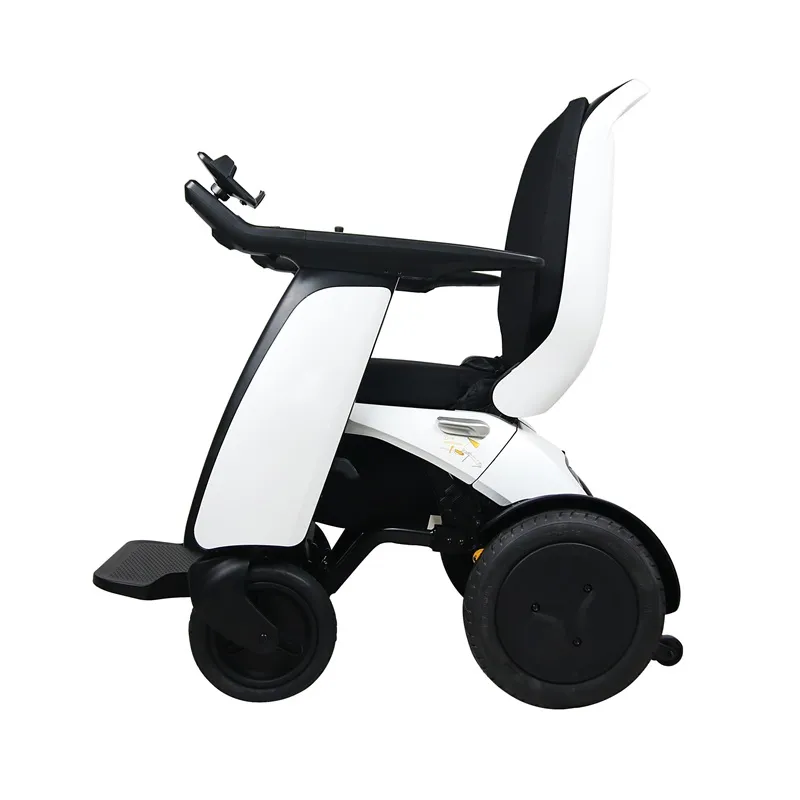
What is a blood clot, and why does it pose a health threat?
A blood clot (thrombus) is a solid mass formed by the abnormal coagulation of blood within a blood vessel. When blood flow slows down or the inner lining of a blood vessel is damaged, the body's clotting mechanism may be triggered, leading to clot formation. While a clot does not always cause immediate symptoms, serious consequences can arise if it obstructs a blood vessel or breaks loose and travels to a vital organ.
The most common thrombosis-related issue among wheelchair users is deep vein thrombosis (DVT). These clots typically form in the deep veins of the lower leg, thigh, or pelvis. Once a clot forms, the patient may experience symptoms such as leg swelling, pain, warmth, and skin discoloration. Even more dangerous is the risk that a clot could break loose and travel through the bloodstream to the lungs, causing a pulmonary embolism (PE)—a condition that can be life-threatening. According to statistics from the International Society on Thrombosis and Haemostasis, approximately 10 million people worldwide are affected by venous thromboembolism (VTE) each year, with individuals who have long-term limited mobility consistently ranking among the high-risk groups. Therefore, understanding the risk of blood clots is particularly important for those who rely on manual or electric wheelchairs for their daily mobility.
Why does prolonged sitting increase the risk of blood clot formation?
In medicine, thrombosis is typically associated with "Virchow's triad": sluggish blood flow (stasis), injury to the blood vessel lining (endothelial injury), and a hypercoagulable state (increased tendency for blood to clot). When one or more of these factors are present simultaneously, the risk of developing a blood clot rises significantly.
Prolonged wheelchair use most directly affects blood flow velocity. Normally, when people stand, walk, or move their legs, the calf muscles contract continuously—acting like a "second heart"—to facilitate the return of venous blood to the heart via the muscle pump mechanism. However, when a person sits in a wheelchair for extended periods—whether manual or electric—lower-limb activity is significantly reduced. This diminishes the function of the calf muscle pump and slows venous blood return, making it easier for blood to pool in the leg veins.
Studies show that in healthy adults, venous blood flow velocity in the lower limbs can drop by more than 30% after sitting continuously for over four hours; when sitting exceeds eight hours, significant changes in blood viscosity and coagulation markers may occur in some individuals. The risk of thrombosis increases further if other factors are present, such as advanced age, obesity, smoking, diabetes, or cardiovascular disease.
Does using a wheelchair inevitably make one more prone to blood clots?
The answer is no. Not all wheelchair users develop blood clots, nor do all patients with blood clots use wheelchairs long-term. The true determinant of risk is the level of physical activity, not merely the use of a wheelchair.
For instance, a young patient with a spinal cord injury who uses a manual wheelchair may be unable to walk but actively propels the chair and engages in upper-body exercises and rehabilitation training daily; their blood circulation may be significantly better than that of a patient who is bedridden and inactive. Conversely, if a patient relies on an electric wheelchair for mobility over the long term without engaging in any form of physical activity, the risk associated with slowed blood circulation is relatively higher. Therefore, from a medical perspective, the primary concern is not the wheelchair itself, but rather the physiological changes resulting from prolonged physical inactivity and sustained sitting.
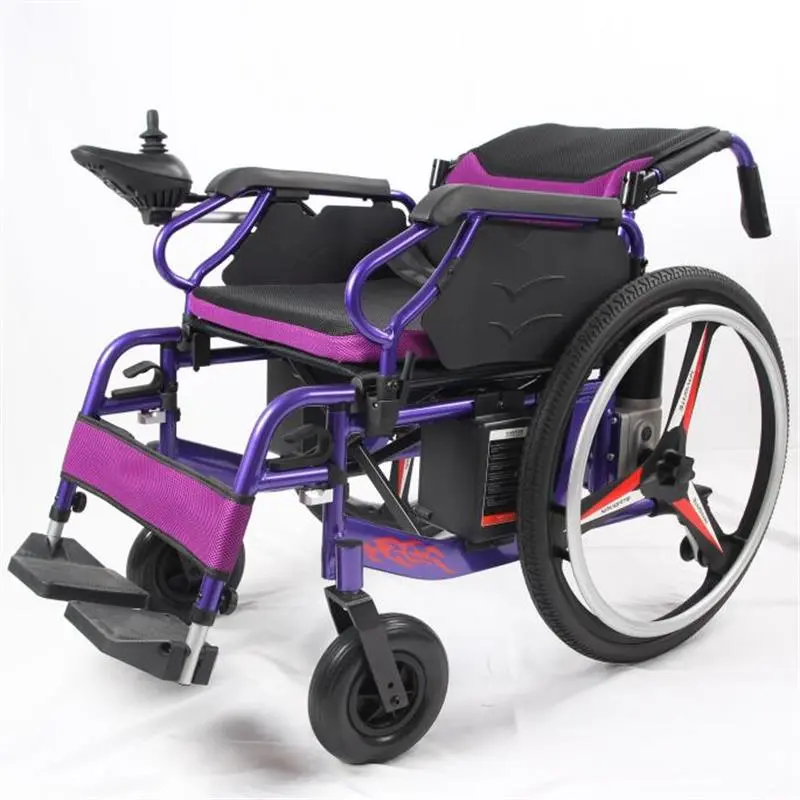
Which wheelchair users are at high risk for blood clots?
While anyone who remains seated for extended periods should be mindful of blood clot risks, the following categories of wheelchair users require particular attention.
1. Patients with spinal cord injuries
Patients with spinal cord injuries are considered a high-risk group for deep vein thrombosis (DVT). This is especially true during the first three months following the injury; complete or partial paralysis of the lower limbs significantly impairs muscle pump function, thereby severely hindering venous blood return.
Studies indicate that without preventive treatment, the incidence of DVT in patients with acute spinal cord injuries can range from 40% to 80%. Although the risk decreases as rehabilitation progresses and the body adapts, individuals who rely on manual or electric wheelchairs for the long term must remain vigilant.
2. Stroke patients with hemiplegia
Stroke patients often require long-term wheelchair use due to reduced mobility. Blood circulation is particularly susceptible to impairment when movement in the lower limb on the hemiplegic side is significantly restricted. Research shows that the weeks immediately following a stroke constitute a high-risk period for venous thrombosis; consequently, rehabilitation programs place strong emphasis on limb movement and clot prevention measures.
3. Elderly wheelchair users
As the body ages, vascular elasticity declines, blood viscosity increases, and circulatory efficiency drops. Many elderly individuals rely on manual or electric wheelchairs due to conditions such as arthritis, fractures, Parkinson's disease, or general frailty; the cumulative effect of these factors further elevates the risk of thrombosis.
Data indicates that the risk of DVT in people over the age of 60 is approximately two to four times higher than in younger adults, with even higher risks observed in those over 80.
4. Obese patients
Obesity is a significant risk factor for venous thrombosis in its own right. When obese patients rely on electric wheelchairs for mobility, their physical activity levels often decrease further, leading to reduced circulatory efficiency. Additionally, excess abdominal fat can compress pelvic veins, thereby impeding venous return from the lower limbs.
5. Cancer Patients
Some cancer patients require long-term wheelchair use due to their illness or treatment, while cancer itself increases the risk of a hypercoagulable state (increased blood clotting). Data shows that cancer patients face a risk of venous thrombosis that is four to seven times higher than that of the general population. Therefore, monitoring for blood clots is particularly important for oncology patients using manual or electric wheelchairs.
Is there a difference in thrombosis risk between manual and electric wheelchairs?
This is a common question among consumers purchasing wheelchairs. Theoretically, there are differences in thrombosis risk between the two types, but these stem primarily from variations in the user's activity levels rather than the wheelchairs themselves.
When using a manual wheelchair, patients rely on upper-body strength to propel the wheels. Although this activity focuses on the shoulders and arms, it still elevates heart rate, promotes blood circulation, and increases overall energy expenditure. Some studies indicate that frequent manual wheelchair users often exhibit better cardiopulmonary function and metabolic health compared to those who rely entirely on electric wheelchairs.
In contrast, electric wheelchairs significantly reduce physical exertion, enhancing mobility over long distances and improving daily convenience. However, if a patient relies exclusively on an electric wheelchair for movement without engaging in other forms of exercise, their overall activity level may decrease, indirectly raising the risk of sluggish blood circulation.
It is important to emphasize, however, that for many patients with severe disabilities, the independence and improved quality of life provided by electric wheelchairs far outweigh the potential risks. The key lies not in choosing between a manual or electric wheelchair, but in maintaining regular physical activity and a scientifically sound rehabilitation regimen.
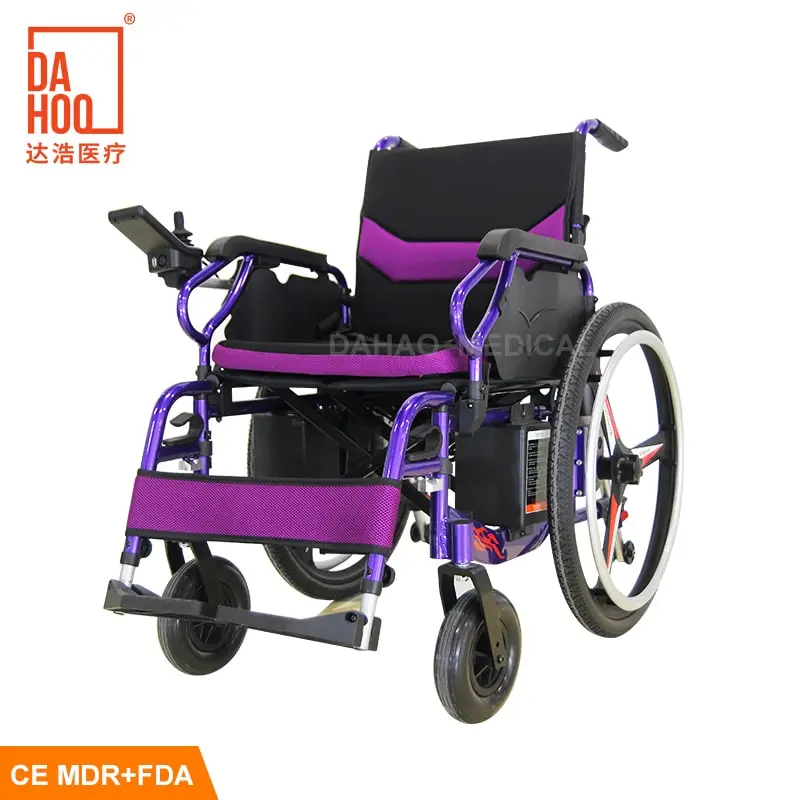
How can long-term wheelchair users prevent blood clots?
The core principles of preventing blood clots are promoting blood circulation and minimizing blood stasis.
First, avoid remaining in the same position for extended periods. Even for those who use electric wheelchairs full-time, it is recommended to adjust one's position every 30 to 60 minutes; if necessary, the electric tilt function can be used to alter the seating angle.
Second, maintain a consistent rehabilitation exercise routine. Manual wheelchair users can increase physical activity through propelling the chair, resistance training, and upper-body aerobic exercises. Electric wheelchair users can promote circulation by combining rehabilitation equipment training, passive joint range-of-motion exercises, and physical therapy. Third, prioritize lower-limb activity. Even if a patient cannot walk independently, they can perform ankle pump exercises, passive flexion-extension training, and lower-limb massages with the assistance of caregivers to enhance venous return.
Additionally, maintaining adequate hydration is crucial. Dehydration leads to hemoconcentration and increased blood viscosity, thereby raising the risk of thrombosis. Most adults should ensure sufficient daily fluid intake, unless specific medical restrictions apply.
For high-risk patients, doctors may recommend preventive measures such as medical compression stockings, intermittent pneumatic compression devices, or anticoagulant medications; however, the specific regimen must be determined following a professional medical assessment.
What early symptoms of thrombosis should one watch out for?
Many patients with thrombosis do not exhibit obvious early symptoms, making the condition easy to overlook. For long-term users of manual or electric wheelchairs, medical attention should be sought promptly if any of the following occur:
Sudden swelling in one leg; persistent pain in the calf or thigh; localized skin warmth; skin turning red or purple; an unusual sensation of tightness in the leg; unexplained shortness of breath; or chest pain and rapid heartbeat.
Be particularly vigilant regarding the risk of pulmonary embolism if leg symptoms are accompanied by breathing difficulties, and seek immediate medical assistance.
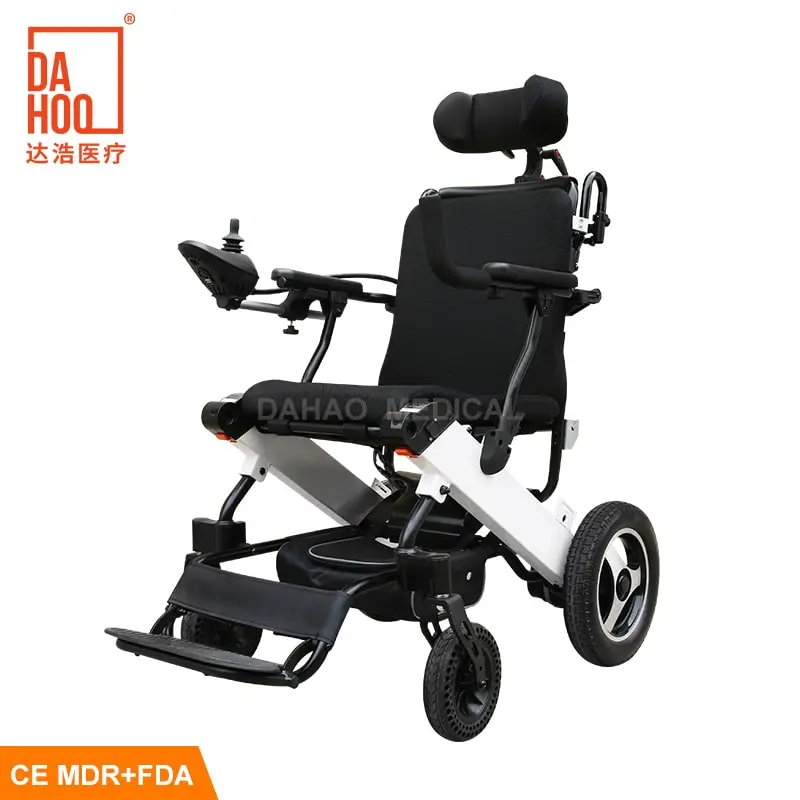
FAQ
FAQ 1: Does long-term use of an electric wheelchair inevitably lead to thrombosis?
No. Electric wheelchairs do not cause thrombosis in themselves; the risk primarily stems from prolonged physical inactivity. The risk can be significantly reduced through regular rehabilitation exercises and postural adjustments.
FAQ 2: Are manual wheelchairs better than electric wheelchairs for preventing thrombosis?
In terms of physical activity, manual wheelchairs generally increase upper-limb movement and energy expenditure, which helps promote blood circulation; however, this does not guarantee the prevention of thrombosis. Overall health management remains the most important factor.
FAQ 3: How often should wheelchair users move or change position?
It is generally recommended to adjust one's position or perform simple movements every 30 to 60 minutes to promote blood circulation and reduce venous stasis.
FAQ 4: Do wheelchair users need to wear compression stockings?
Doctors may recommend medical compression stockings for individuals with high-risk factors for thrombosis. However, the decision on whether to use them—and which specific model to choose—should be made by a medical professional based on an individual's specific circumstances.
FAQ 5: Which wheelchair users are at the highest risk of developing blood clots?
Individuals with spinal cord injuries, stroke patients with hemiplegia, the elderly, obese patients, cancer patients, and those transitioning to wheelchair use after prolonged bed rest are generally considered high-risk groups for venous thrombosis.
FAQ 6: Can I continue using a wheelchair after a blood clot has formed?
Whether to continue using a wheelchair depends on the specific medical condition. Most patients can continue using manual or electric wheelchairs after receiving treatment under medical supervision, provided that appropriate measures for thrombosis management and rehabilitation are also implemented.