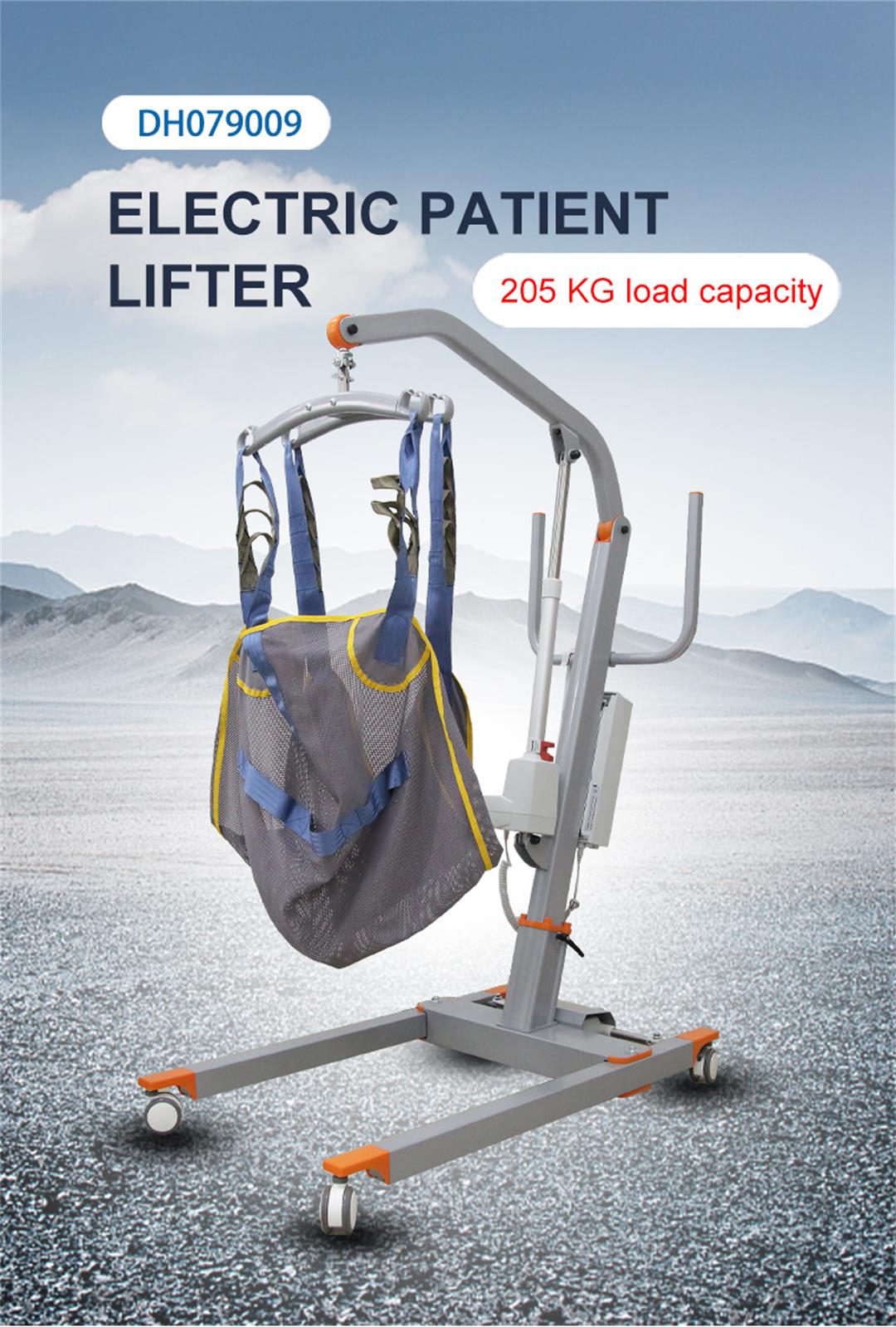

As the global population ages and the demand for long-term care, rehabilitation, and home-based elderly care continues to rise, patient lifters have become indispensable equipment in modern care systems. Whether in hospitals, nursing homes, rehabilitation centers, or home care settings, an increasing number of caregivers and family members are recognizing the importance of safe patient transfers.
For patients who are bedridden for long periods, elderly individuals with reduced mobility, and those with various neurological disorders, the frequent transfers required in daily life—such as moving between bed and chair, using the toilet, or bathing—are not only physically demanding tasks but also moments that carry a high risk of patient falls and caregiver injuries.
Data from the international care industry indicates that lower-back injuries among caregivers caused by patient handling account for a significant proportion of occupational injuries, while a substantial number of patient falls occur during the transfer process. Consequently, the use of patient lifters not only improves care efficiency but also effectively ensures the safety of both patients and caregivers. In recent years, continuous technological advancements have enhanced the functionality and broadened the application scope of both manual and electric patient lifters.
So, for which patients are patient lifters suitable? Which patients have the greatest need for them? And in which care scenarios are manual versus electric lifters appropriate? This article provides an in-depth analysis from multiple perspectives.
What is a patient lifter?
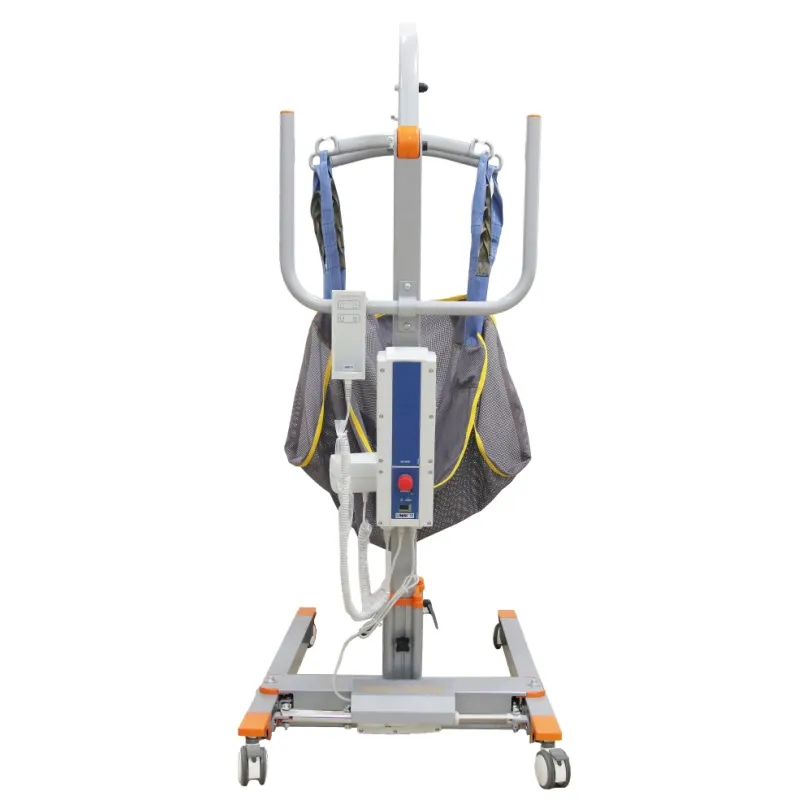
A patient lifter is an assistive care device designed to help patients safely transfer their bodies. Its primary function is to smoothly move a patient from one location to another—using a sling system and a lifting mechanism—when the patient cannot move independently or has limited mobility. Common transfer scenarios include moving from a hospital bed to a wheelchair, from a wheelchair to a toilet, from a bed to a shower chair, or from the floor back to a bed.
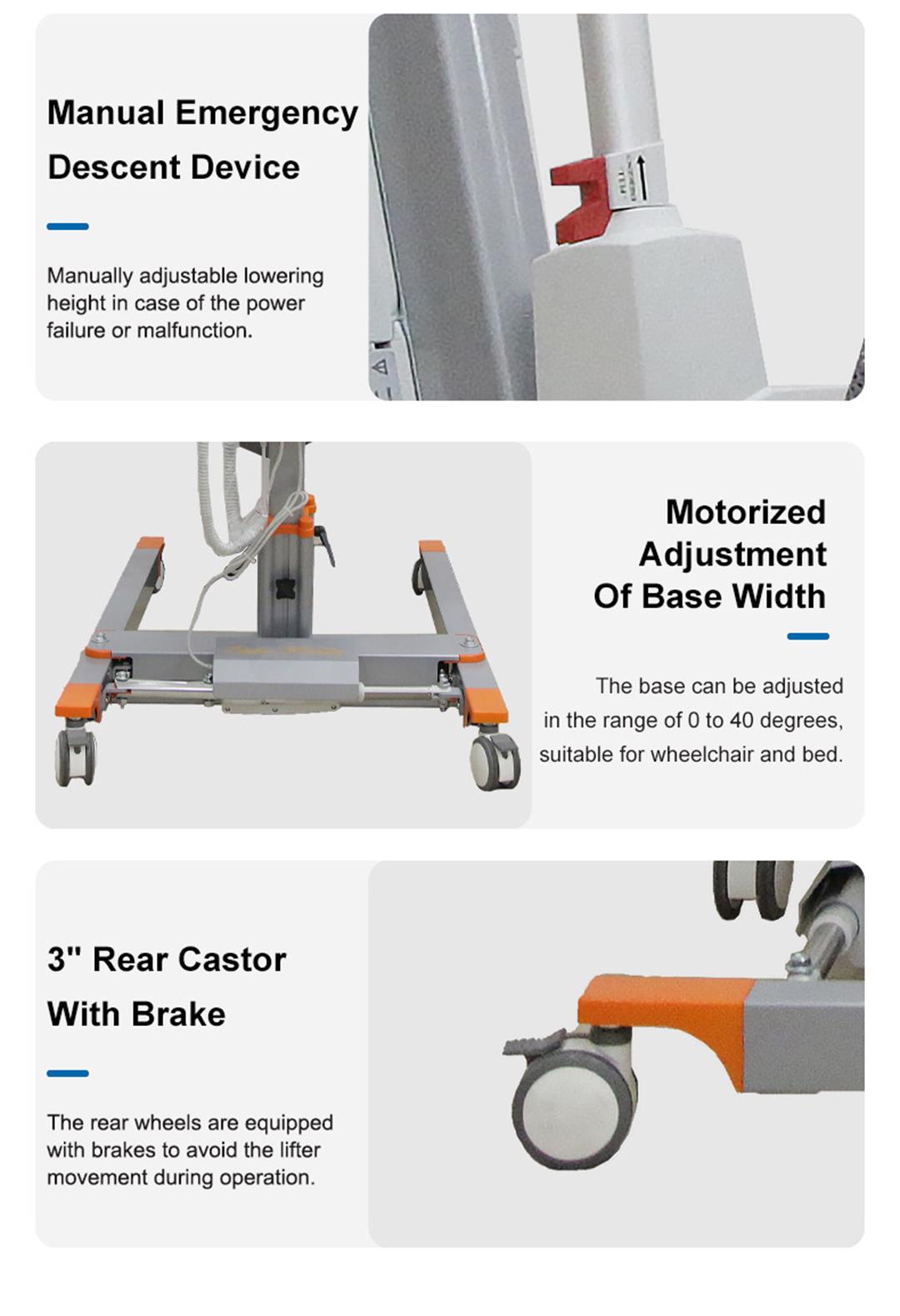
In traditional care, patient transfers relied mainly on caregivers manually lifting and moving the patient. However, for patients who are heavy, physically weak, or completely incapacitated, this method is not only time-consuming and laborious but also carries a high risk of patient falls and caregiver back injuries. The advent of patient lifters has effectively solved this problem. Through sound mechanical design, patient lifters distribute the patient's weight evenly, enabling safe transfers while ensuring patient comfort. Patient lifters currently on the market generally fall into two categories: manual and electric. Manual lifters typically utilize a hydraulic lifting system, requiring caregivers to operate a manual lever to raise or lower the patient. In contrast, electric lifters use a motor-driven mechanism for automatic lifting, offering greater ease and convenience; consequently, their adoption in modern healthcare and care facilities is steadily increasing.
Why are more and more care facilities adopting patient lifters?
For a long time, patient transfers relied heavily on the physical labor of caregivers. However, as the care industry has evolved, there is a growing recognition of the safety risks associated with traditional manual handling methods. First, regarding patients, there is a high risk of falls—and resulting injuries—when losing balance during activities such as getting in or out of bed, using the toilet, or bathing. This is particularly critical for the elderly and patients with osteoporosis, for whom a single fall can lead to severe fractures or even life-threatening complications. Studies indicate that the one-year mortality rate for elderly patients following a hip fracture is significantly higher than that of the general elderly population; thus, fall prevention has become a key priority in modern caregiving.
Second, for caregivers, the repetitive task of moving patients places immense strain on the lumbar spine, shoulders, and knees. Many caregivers suffer from varying degrees of musculoskeletal injuries during their careers, with patient transfers being a primary cause. The use of patient lifters—especially electric models—can significantly reduce the physical exertion required of caregivers, lower the incidence of occupational injuries, and enhance overall caregiving efficiency.
Furthermore, amidst the growing shortage of caregiving personnel, patient lifters help facilities save on labor costs. Tasks that previously required a team of two to four caregivers can now be safely and smoothly performed by just one or two staff members. This offers significant practical benefits for nursing homes, rehabilitation centers, and long-term care facilities.
Which patients are suitable candidates for patient lifters?
While not every patient requires a patient lifter, these devices play a crucial role for individuals with limited mobility or those unable to transfer independently. The following groups of patients are the primary users of patient lifters:
1. Patients confined to bed for extended periods
Patients who are bedridden for long periods represent one of the most common user groups for patient lifters. Due to illness, surgery, or physical decline, these patients are often unable to rise, stand, or walk independently. Although they are bedridden, their daily care requires frequent transfers—such as moving from the bed to a wheelchair for rehabilitation, to bathing equipment for personal hygiene, or to diagnostic equipment for medical examinations.
Every transfer poses significant safety risks for bedridden patients. Manual handling can cause physical discomfort and potentially lead to skin injuries, joint strains, or even falls. Patient lifters provide stable support, minimizing physical jarring and pressure while enhancing comfort during care. Electric patient lifters, in particular, offer a smoother lifting motion, making them ideal for the daily care needs of bedridden patients.
2. Patients with Stroke and Hemiplegia
During rehabilitation, stroke patients often experience hemiplegia, muscle weakness, and impaired balance. While some retain a degree of mobility, their limited body control makes them highly susceptible to falls during transfers—particularly when rising from bed, moving from a wheelchair to the restroom, or engaging in rehabilitation exercises.
Patient lifters provide reliable support, preventing falls caused by a sudden loss of balance during transfers. Furthermore, for patients requiring long-term rehabilitation, the proper use of a patient lifter enables caregivers to safely assist with standing and functional recovery exercises. Electric patient lifters have become essential assistive devices for the care of stroke patients in rehabilitation hospitals and centers.
3. Patients with Spinal Cord Injuries
Patients with spinal cord injuries often suffer from paraplegia or quadriplegia, resulting in a loss of independent mobility. As they frequently rely on wheelchairs for life, they require constant transfers between the bed, wheelchair, restroom, and bathing facilities.
For patients with spinal cord injuries, a patient lifter is more than just a piece of care equipment; it is a vital tool for improving quality of life. By using an electric patient lifter, patients can perform daily transfers with less reliance on others, thereby gaining greater independence and dignity. Additionally, since patients may have impaired sensory function, a patient lifter helps prevent skin pressure injuries and joint damage caused by improper handling.
4. Patients with Parkinson's Disease
Parkinson's disease is a common neurodegenerative disorder. As the condition progresses, patients gradually experience symptoms such as slowness of movement (bradykinesia), muscle rigidity, gait instability, and difficulty rising from a seated or lying position. While many patients in the mid-to-late stages of the disease can still walk short distances, they face a high risk of falling when getting out of bed, sitting down, or turning around.
For patients with mid-to-late-stage Parkinson's disease, a patient lifter effectively addresses the challenge of physical transfers. It provides steady, continuous support—particularly during nighttime toileting, bathing, or transferring from bed to wheelchair—thereby significantly reducing the likelihood of falls.
5. Patients with Alzheimer's Disease and Dementia
In addition to a decline in physical function, patients with dementia may experience cognitive and behavioral impairments. Some patients may not fully comprehend caregiver instructions and might suddenly struggle or become uncooperative during transfers, increasing the risks associated with care.
By securing the patient's body with a sling, a patient lifter effectively controls variables during the transfer process, minimizing the risk of injury to both the patient and the caregiver. Patient lifters have become essential equipment for enhancing safety in nursing homes and dementia care facilities.
6. Patients with Fractures or Post-operative Recovery Needs
Patients recovering from fractures or joint replacement surgery often require a lengthy rehabilitation period. During this time, doctors typically advise against excessive weight-bearing to avoid compromising bone healing or causing implant loosening. Traditional manual lifting or support methods can place undue stress on the injured area, potentially hindering recovery.
A patient lifter enables safe transfers during recovery, reducing the load on the affected limb while enhancing patient comfort. Consequently, patient lifters are widely used in orthopedic wards and rehabilitation centers.
7. Patients with Severe Obesity
As global obesity rates continue to rise, caring for obese patients has become a significant challenge for healthcare institutions. Transferring patients weighing over 150 kg—or even more than 200 kg—often requires the participation of multiple caregivers; this not only increases care costs but also significantly raises the risk of occupational injury. For such patients, a specialized heavy-duty electric patient lifter is typically required. Some professional-grade electric models have weight capacities of 300 kg or even over 450 kg, meeting the care needs of severely obese patients while ensuring a safe and reliable transfer process.
How should one choose between a manual and an electric patient lifter?
Many purchasers and home users face a common dilemma: should they choose a manual patient lifter or an electric one?
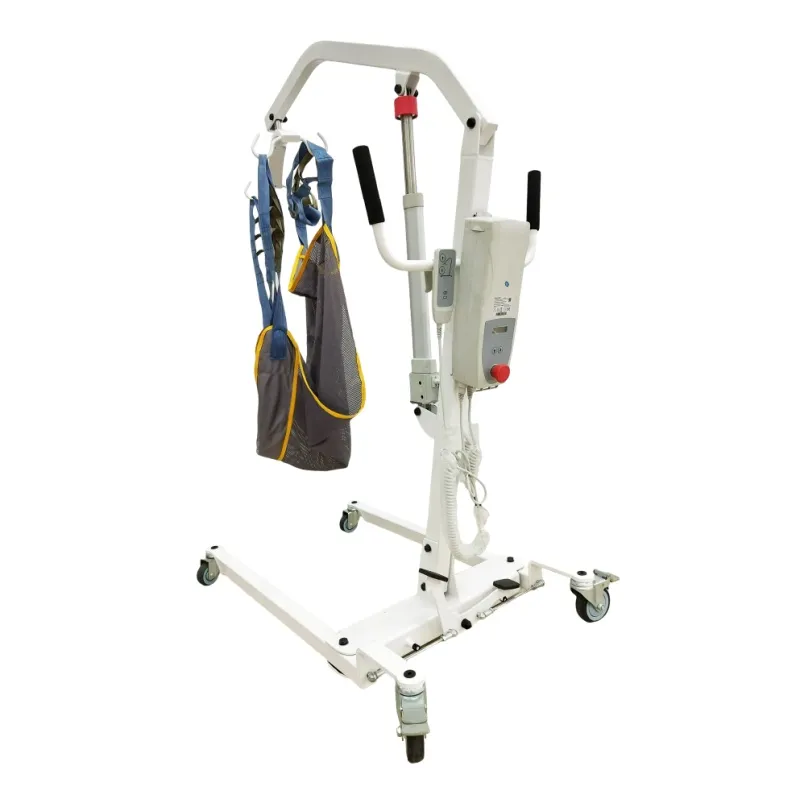
In terms of cost, manual patient lifters are relatively inexpensive, feature a simple design, and incur lower maintenance costs; they are therefore well-suited for home care settings with limited budgets or infrequent usage. For lighter patients who do not require frequent transfers, a manual patient lifter can fully meet basic care needs.
However, regarding long-term usage, electric patient lifters offer distinct advantages. They eliminate the need for manual effort during lifting, ensuring smoother operation and greater patient comfort while significantly reducing the physical strain on caregivers. For patients who are bedridden or critically ill, as well as for high-frequency environments like nursing homes and hospitals, an electric patient lifter is usually the ideal choice.
FAQ
Is a patient lifter suitable for home use?
Yes, it is highly suitable. If there is an elderly person who is bedridden long-term, a patient with hemiplegia, or someone with severely limited mobility at home, a patient lifter can significantly alleviate the caregiving burden on family members and enhance the safety of patient transfers.
Which is more popular: manual or electric patient lifters?
Current market trends indicate faster growth for electric patient lifters. Particularly in nursing homes, rehabilitation centers, and the home long-term care market, an increasing number of users prefer electric models due to their ease of operation.
Can a patient lifter replace a wheelchair?
No. A patient lifter is primarily designed for transferring patients, whereas a wheelchair is designed for mobility; the two are typically used in conjunction.
Does an electric patient lifter require professional training?
Generally, users can master the operation with just brief training. Most modern electric patient lifters feature intuitive control panels and safety protection systems, making them easy to use.
What is the maximum weight capacity of a patient lifter?
Standard models typically have a weight capacity of 150 to 200 kg, whereas professional heavy-duty electric patient lifters can support 300 kg, 350 kg, or even over 450 kg, meeting the care needs of severely obese patients.