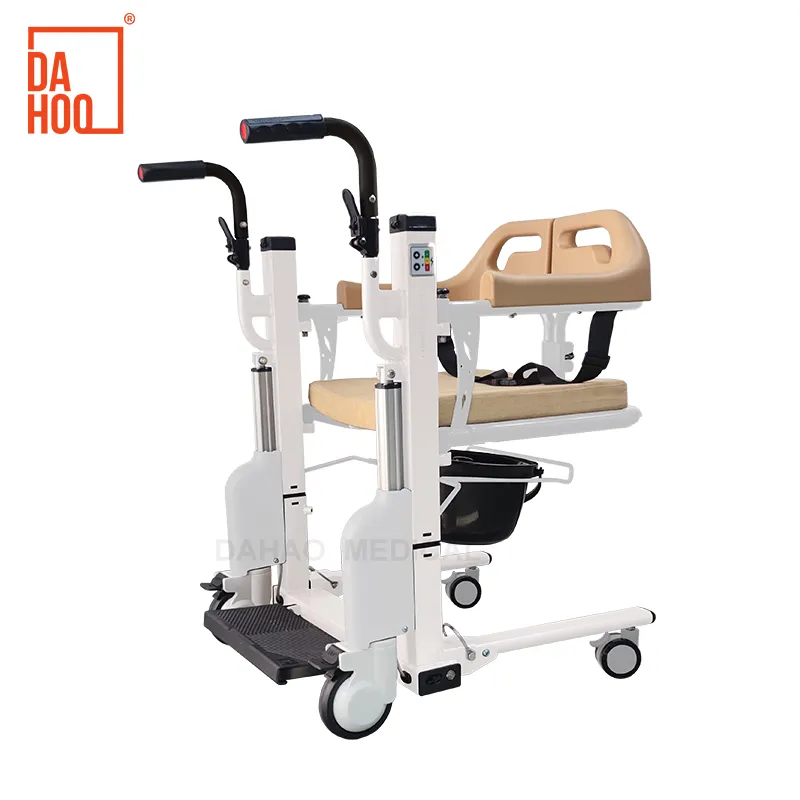
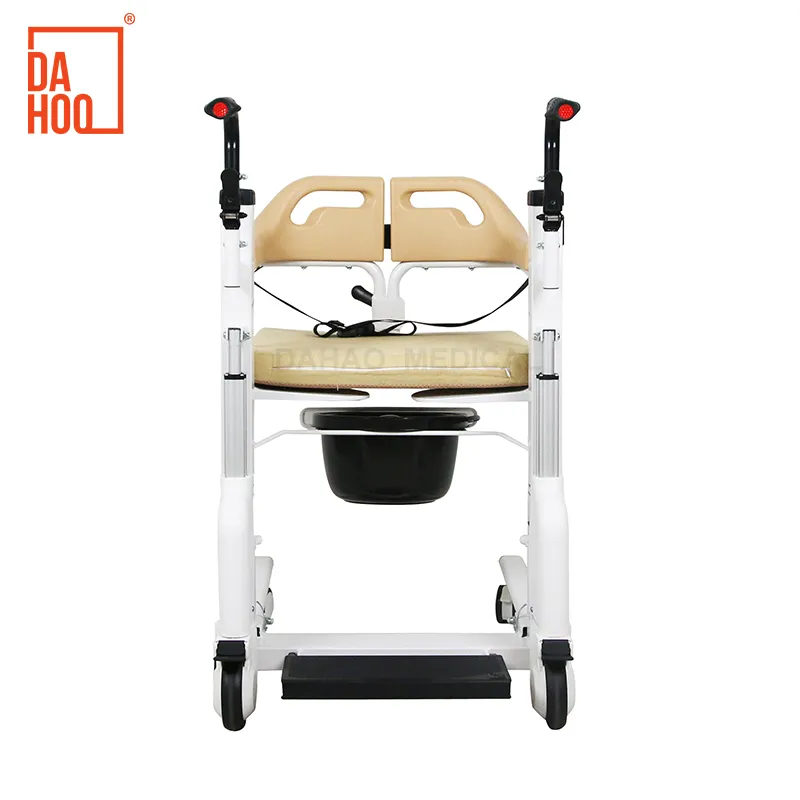
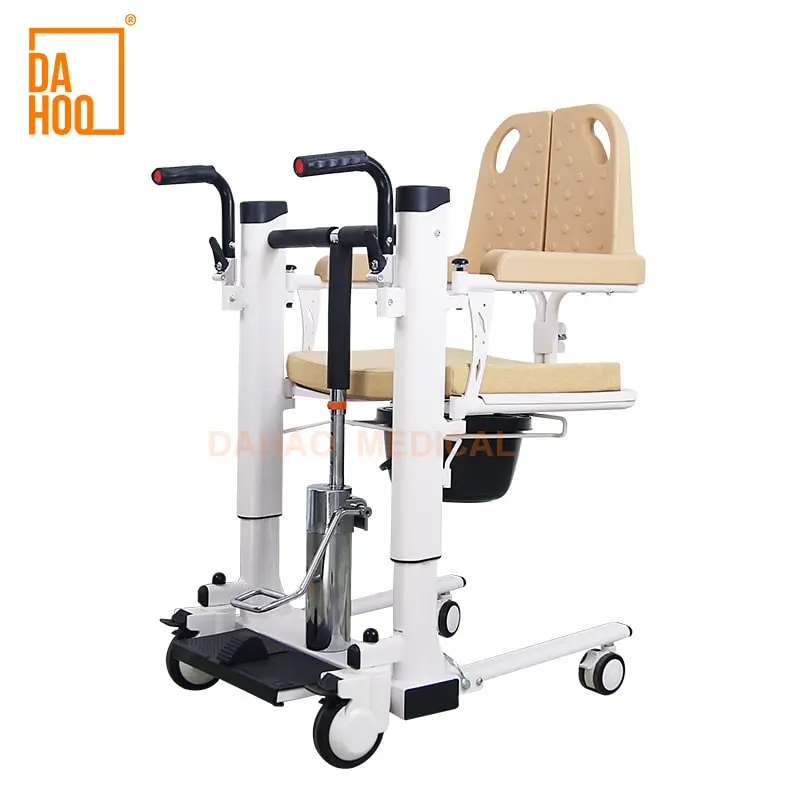
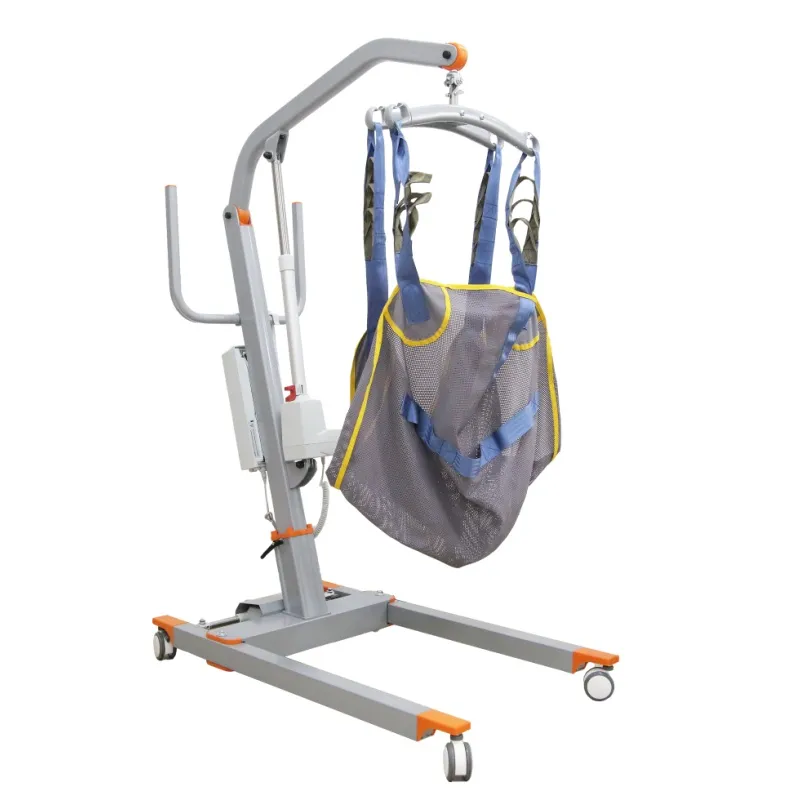
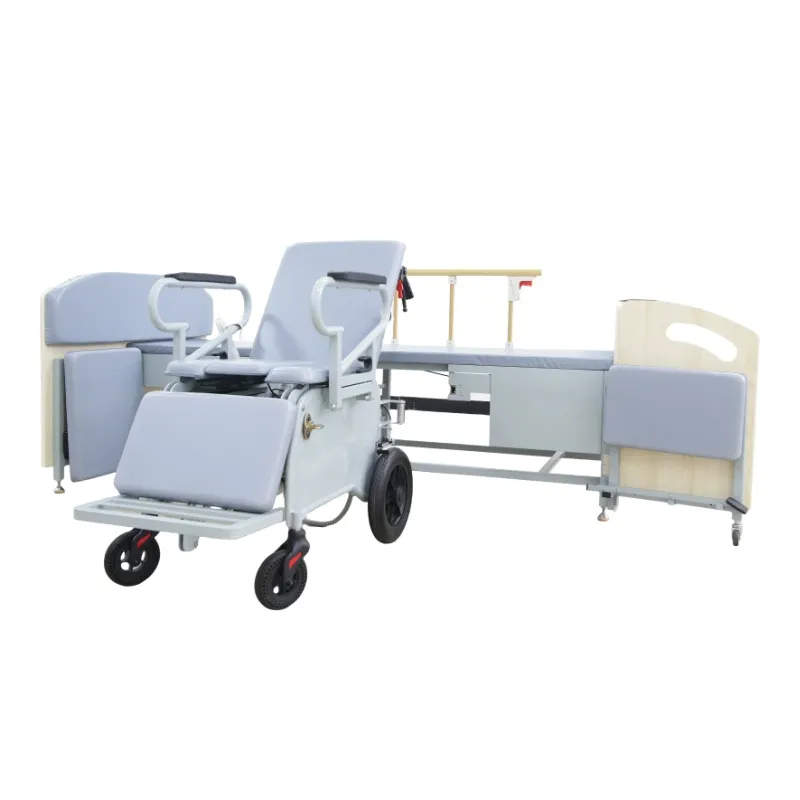
In a lift transfer chair, the hydraulic system is a mechanical system that uses fluid pressure to achieve smooth lifting.
If the lift transfer chair cannot adjust its height, it cannot achieve "barrier-free, low-risk" transfers.
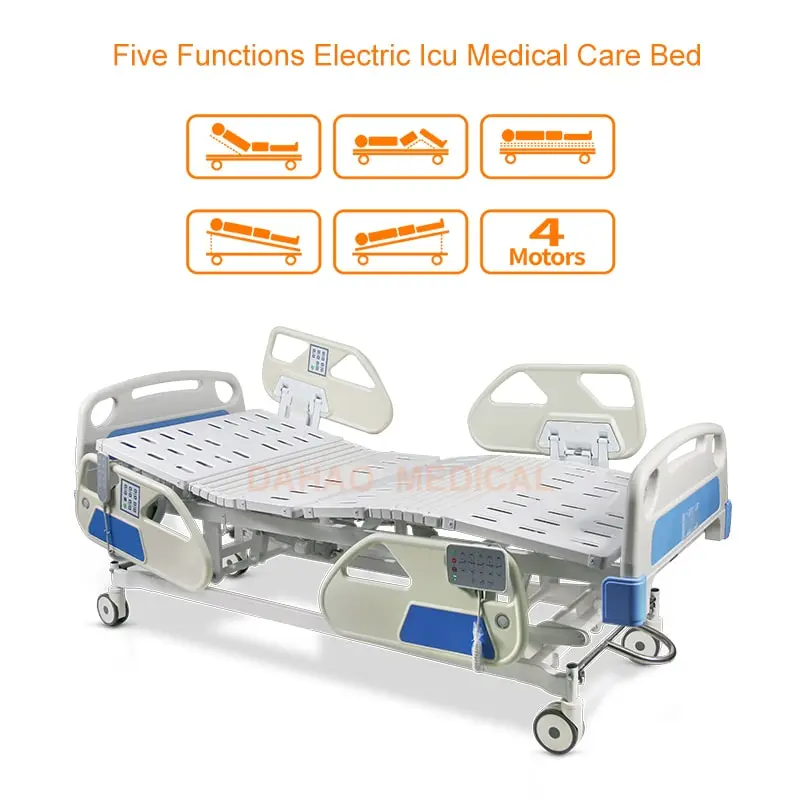
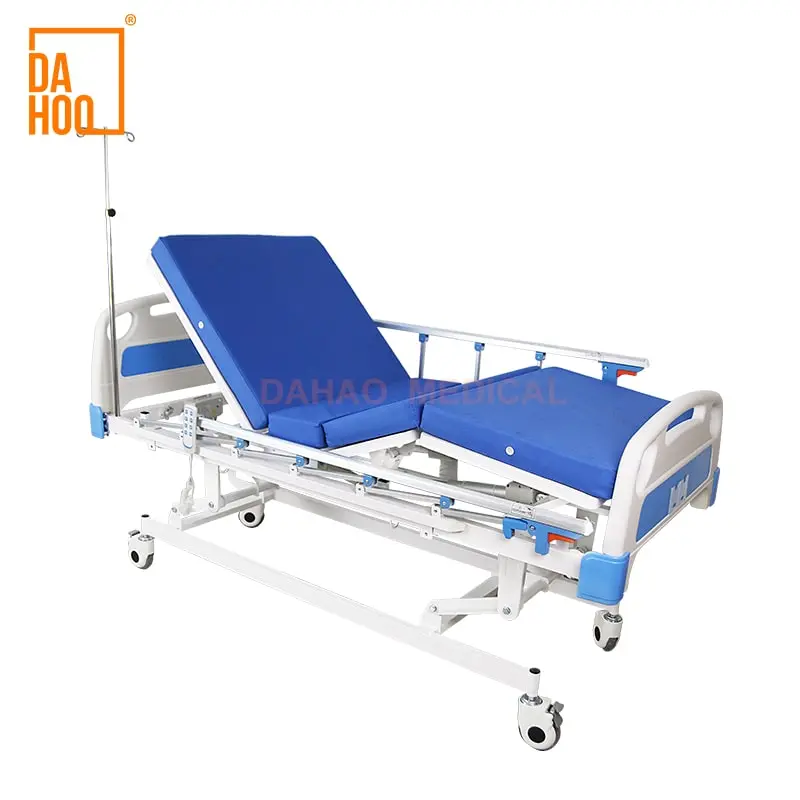
Yes. ICU beds are intensive care beds; they are essentially the same type of equipment, just called different things in different contexts.
In other words:
• ICU bed = a specialized bed used in intensive care units
• Critical care bed = a high-end bed with intensive care capabilities.
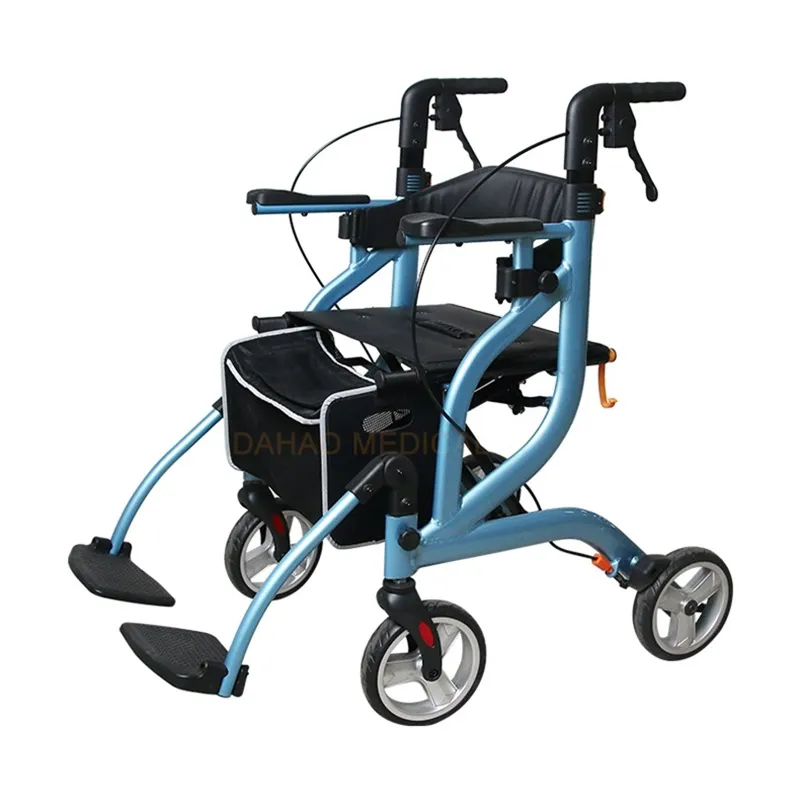
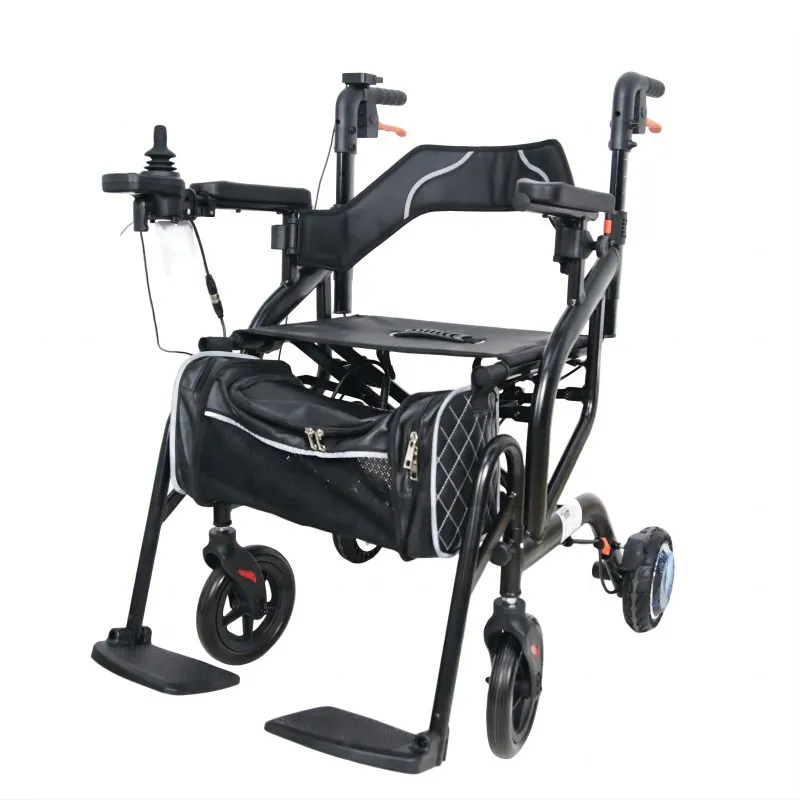
A 4-wheel rollator is safe when used correctly, with reasonable weight, and when the user has a certain level of balance; however, it is very easy to tip over if operated improperly, excessively weighted, or if the user is in poor physical condition.
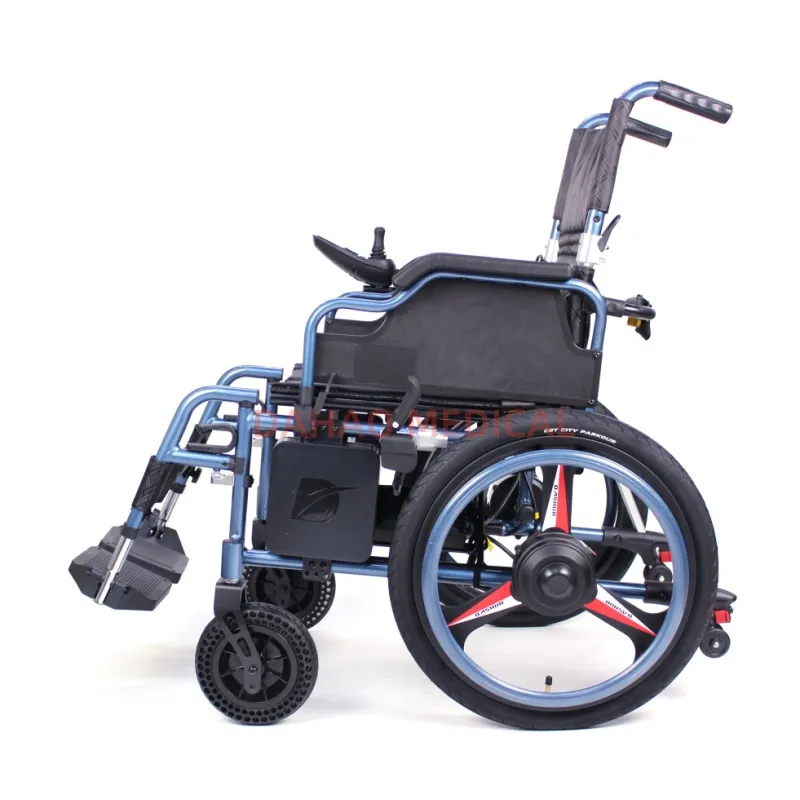
Among the many types of wheelchairs, lightweight manual wheelchairs are among the easiest to push themselves due to their light weight, simple structure, and effortless pushing.
Most lift transfer chairs on the market have a nominal load-bearing capacity of:
✔ 100KG
or
✔ 120KG
or
✔ 150KG
They typically won't be lower than 100KG or higher than 150KG.
Not all 4-wheel rollators are foldable, but most models on the market adopt a folding design.
Lightweight walking aids, in particular, often have convenient folding functions, making them more suitable for users who need to go out frequently or have limited carrying or storage space.
After a power outage, the bed will remain fixed like a "locked" structure. Therefore, patients will not be at risk of collapse, impact, falls, or pressure sores due to power outages.
Lift transfer chairs are not suitable for long-term use as wheelchairs.
Reasons:
• Not suitable for prolonged sitting
• Wheels not suitable for long-distance movement
• Insufficient stability
• No self-propelled function
• Insufficient comfort
A patient lifter is not a device that can be used safely simply by pressing a button. It involves multiple aspects, including human support, center of gravity shifts, equipment structure, and operational procedures. Using it without necessary training can directly impact the safety of both the person being transferred and the operator.
People who are not suitable for using adjustable nursing beds include:
• Individuals with spinal instability
• Individuals with unstable intracranial pressure
• Individuals who are extremely weak or unable to cooperate
• Individuals at high risk of cardiovascular disease
• Individuals with unstable mental health
• Children
• Individuals who are underweight or overweight