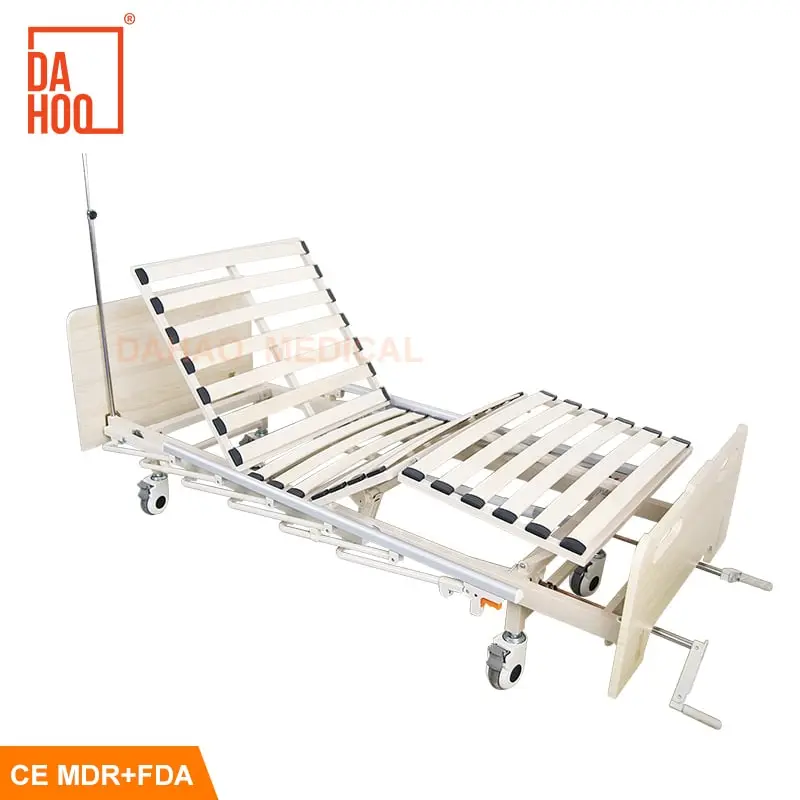
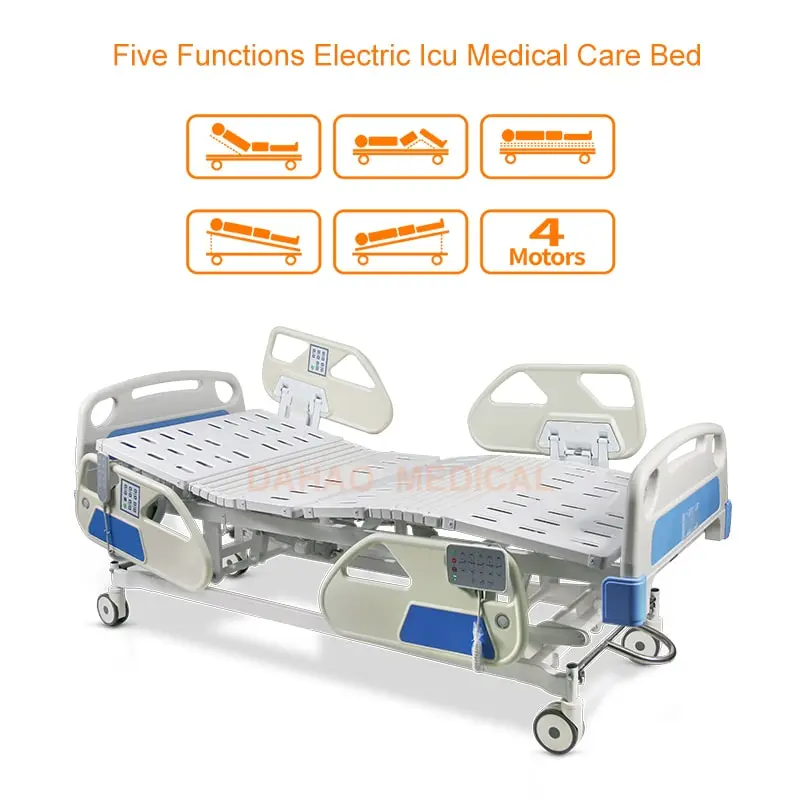
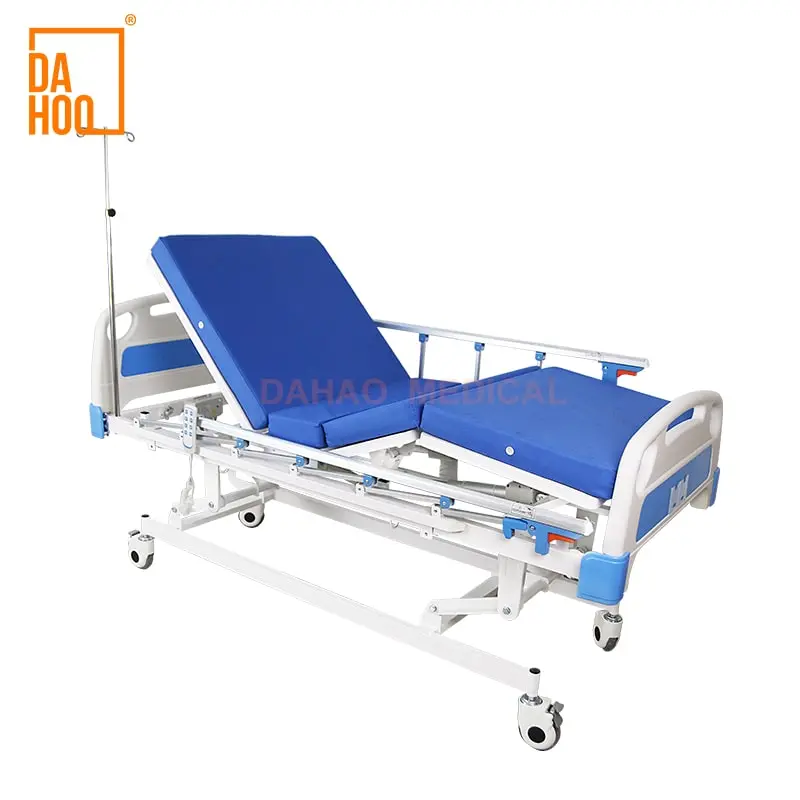
The formal names for beds in hospitals are:
✔ Hospital bed
✔ Medical bed
Based on usage and function, they can be further divided into:
• General nursing beds
• Multifunctional beds
• ICU beds
Many people mistakenly believe:
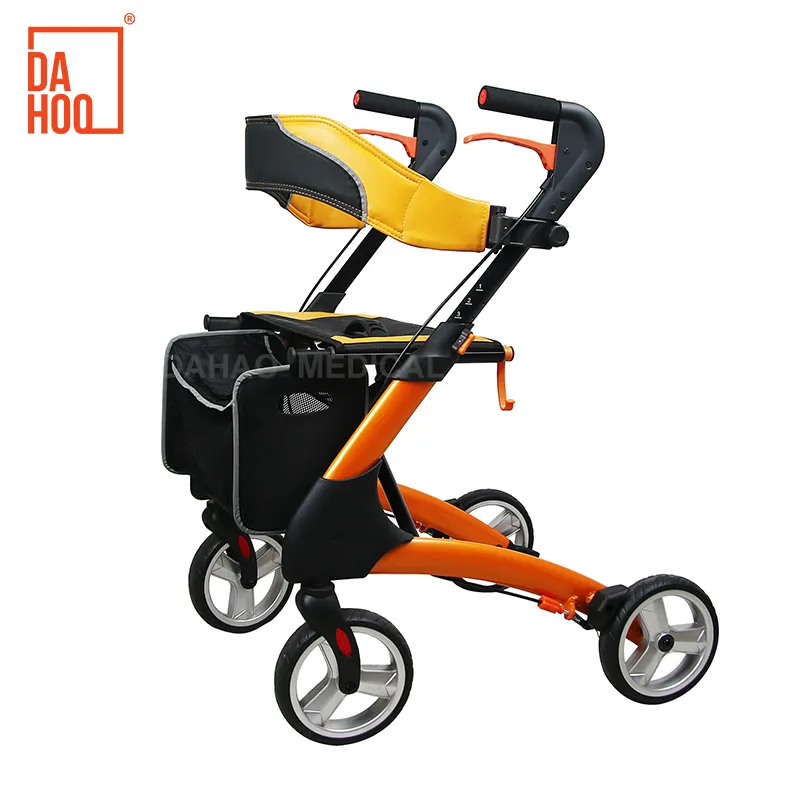
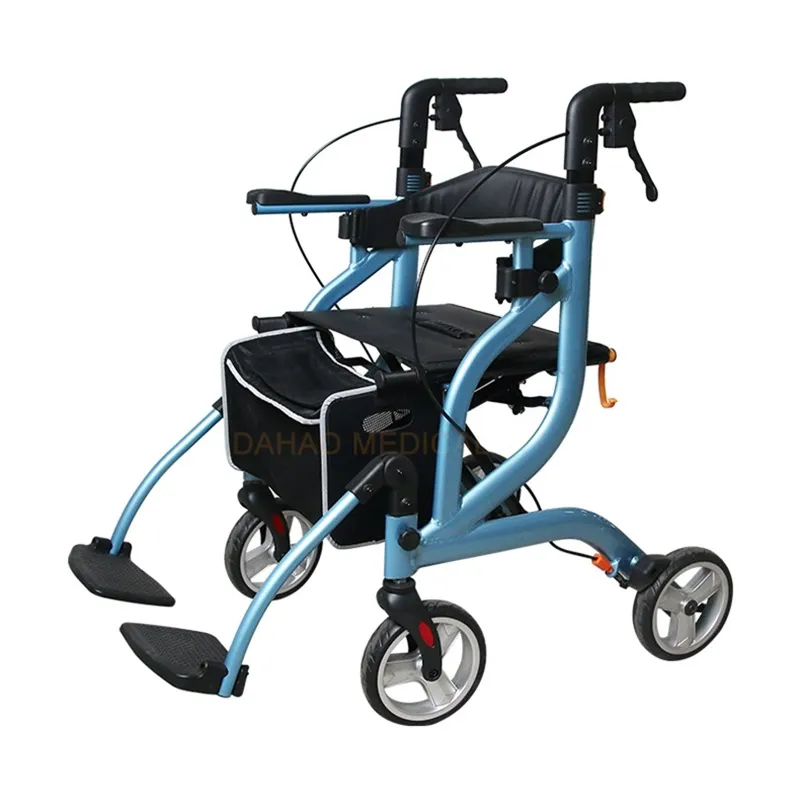
Wheelless walkers are for supporting body weight.
But from a professional perspective, it is clear that:
The purpose of wheelless walkers is to provide auxiliary support, not to bear weight.
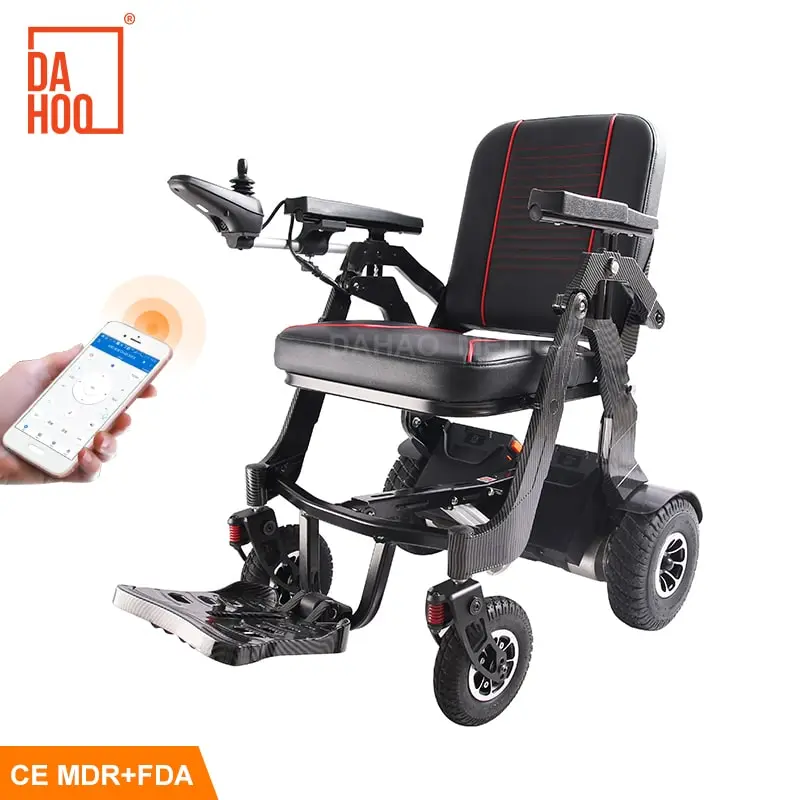
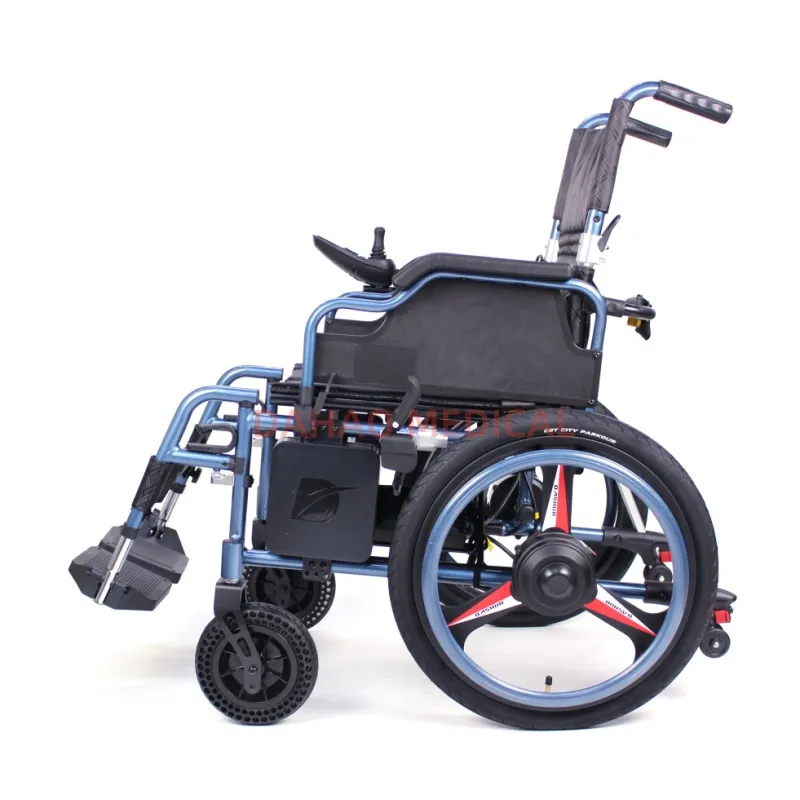
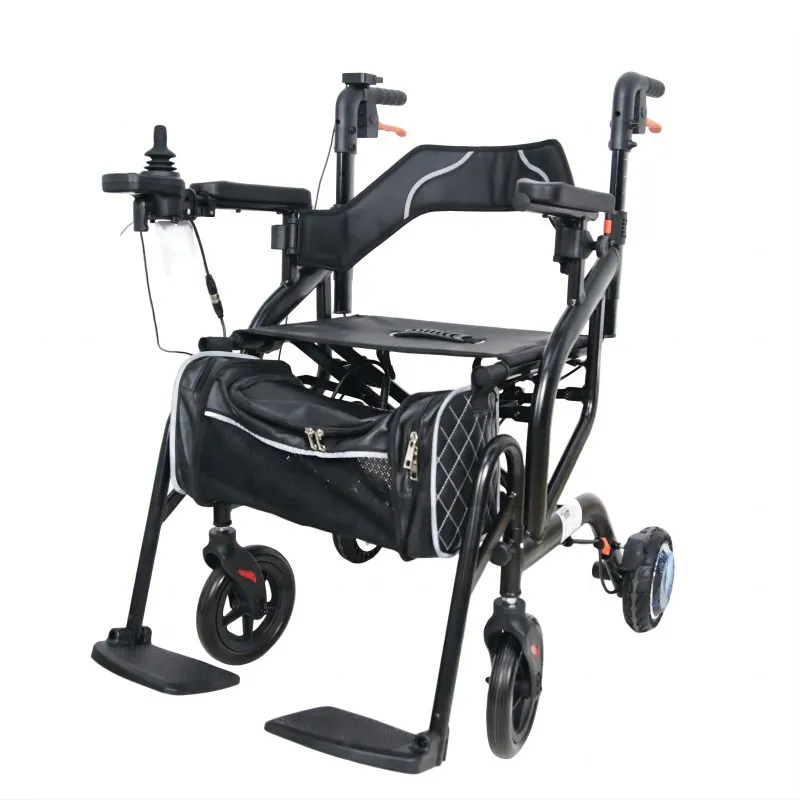
A multifunctional electric wheelchair is a highly adaptable electric wheelchair that adds multiple electrification, comfort assistance, and posture adjustment functions to the traditional electric wheelchair.
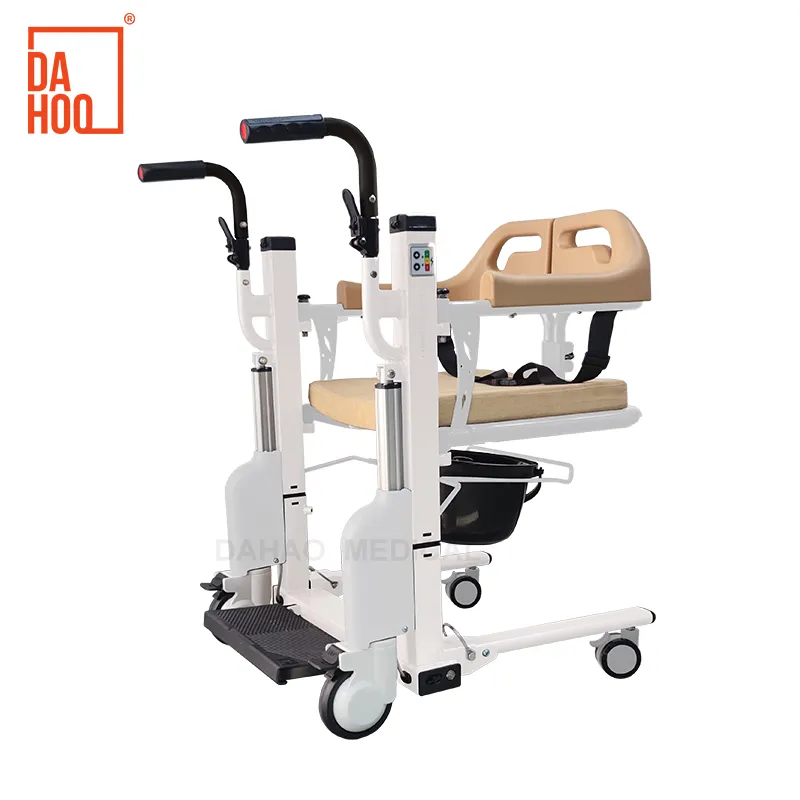
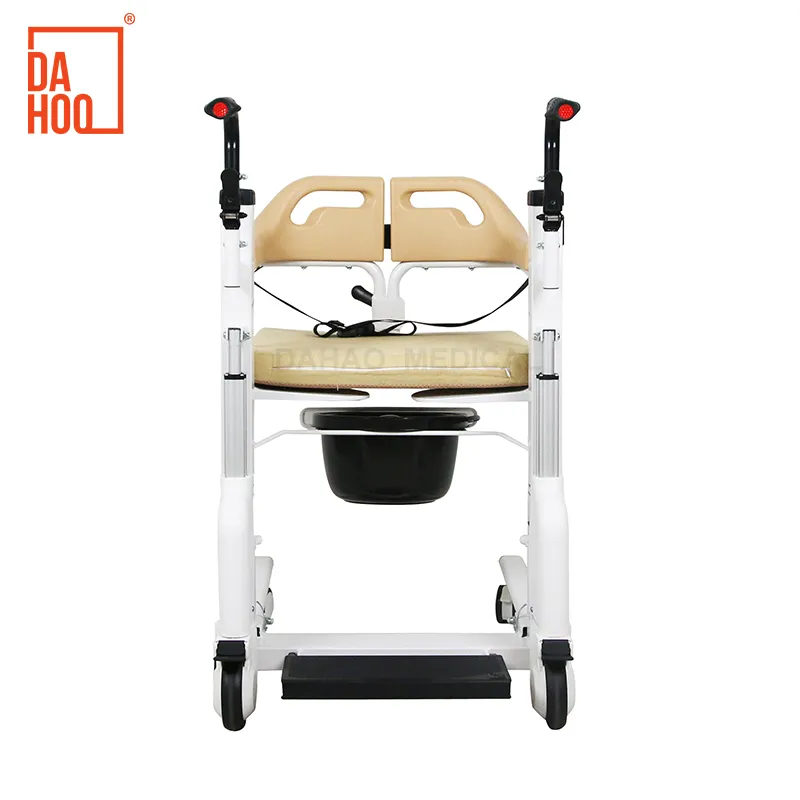
In a lift transfer chair, the hydraulic system is a mechanical system that uses fluid pressure to achieve smooth lifting.
If the lift transfer chair cannot adjust its height, it cannot achieve "barrier-free, low-risk" transfers.
Yes. ICU beds are intensive care beds; they are essentially the same type of equipment, just called different things in different contexts.
In other words:
• ICU bed = a specialized bed used in intensive care units
• Critical care bed = a high-end bed with intensive care capabilities.
A 4-wheel rollator is safe when used correctly, with reasonable weight, and when the user has a certain level of balance; however, it is very easy to tip over if operated improperly, excessively weighted, or if the user is in poor physical condition.
Among the many types of wheelchairs, lightweight manual wheelchairs are among the easiest to push themselves due to their light weight, simple structure, and effortless pushing.
Most lift transfer chairs on the market have a nominal load-bearing capacity of:
✔ 100KG
or
✔ 120KG
or
✔ 150KG
They typically won't be lower than 100KG or higher than 150KG.
Not all 4-wheel rollators are foldable, but most models on the market adopt a folding design.
Lightweight walking aids, in particular, often have convenient folding functions, making them more suitable for users who need to go out frequently or have limited carrying or storage space.
After a power outage, the bed will remain fixed like a "locked" structure. Therefore, patients will not be at risk of collapse, impact, falls, or pressure sores due to power outages.