In this season of warmth and hope, Dahao Medical, from Guangdong, China, extends its sincerest holiday greetings to all its global partners and customers.
Wishing everyone a Merry Christmas and a prosperous New Year!
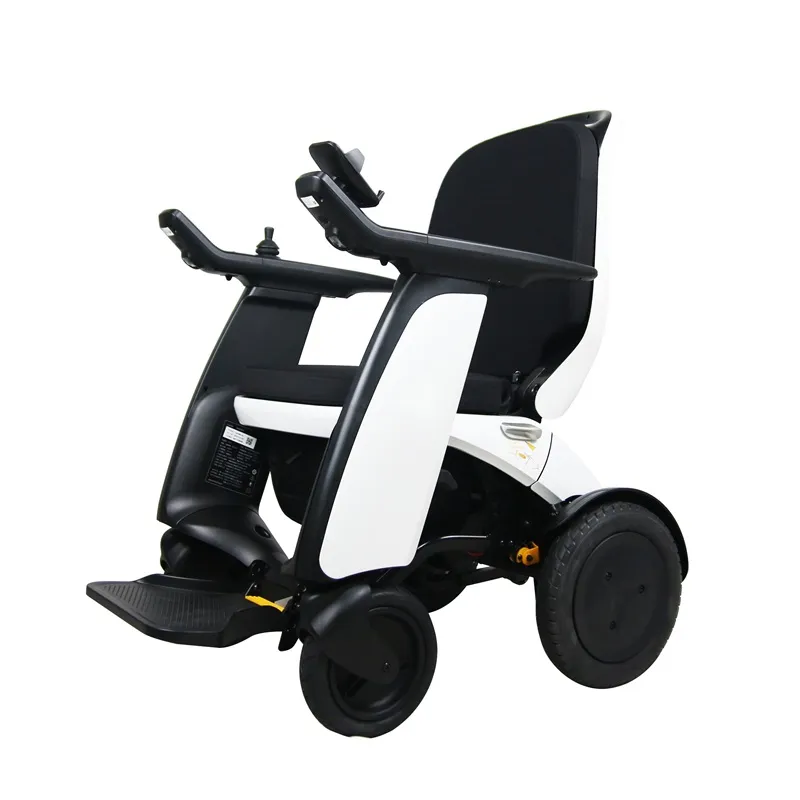
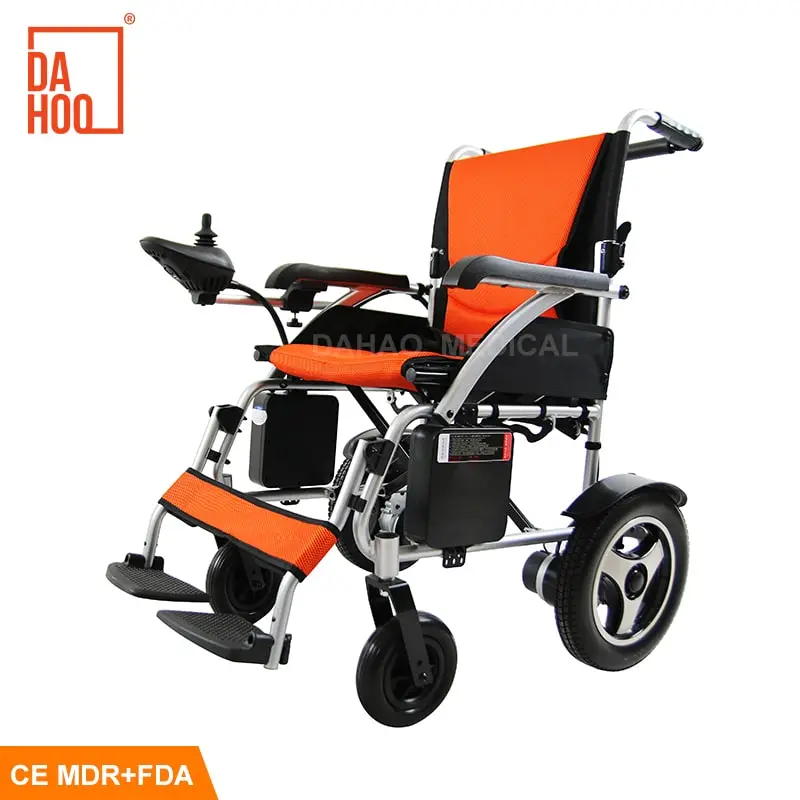
Actual range of a 24V 15.6AH battery electric wheelchair: approximately 15–20 kilometers
This is the standard battery capacity for many folding and portable electric wheelchairs. For daily use, including in hospitals, communities, residential areas, and parks, this range is sufficient for most users.
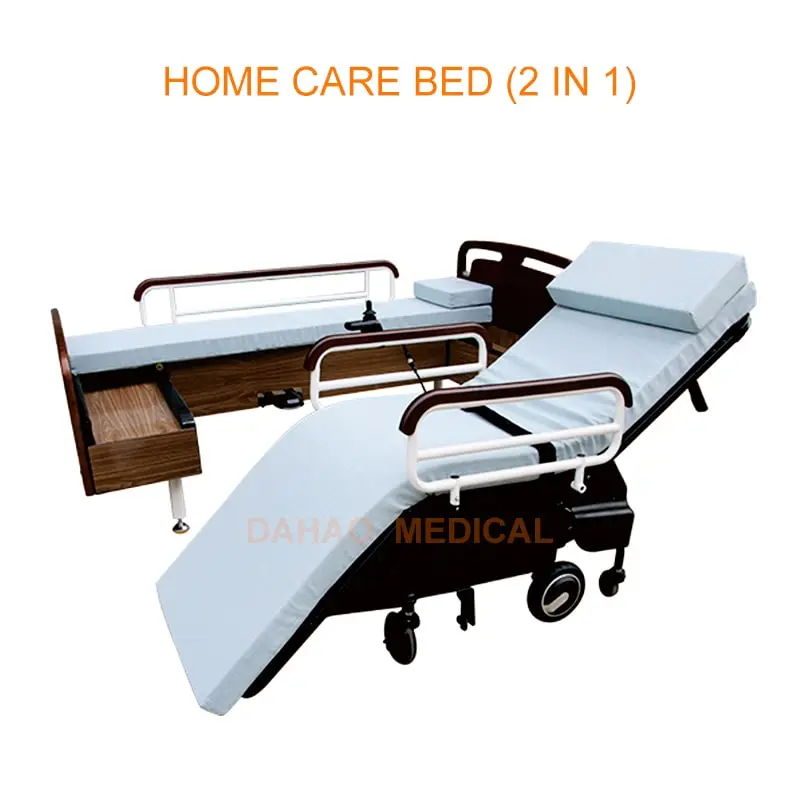
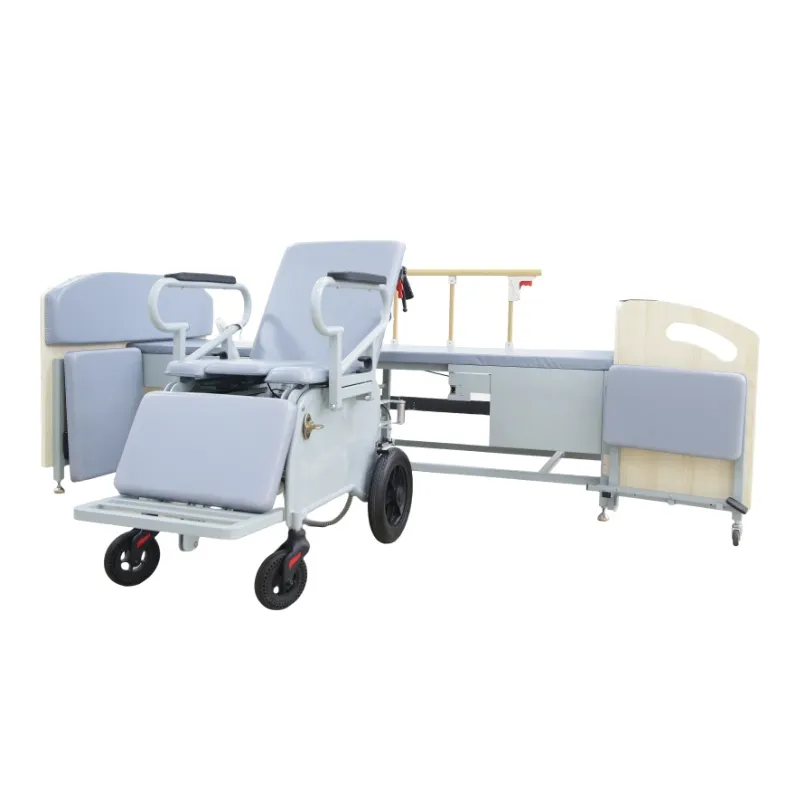
Home care beds are irreplaceable because they provide key functions necessary for professional care.
Home care beds support:
• Back elevation
• Leg elevation
• Whole bed elevation
• Adjustment to sitting position
• Adjustment to semi-reclining position
• Flat lying position
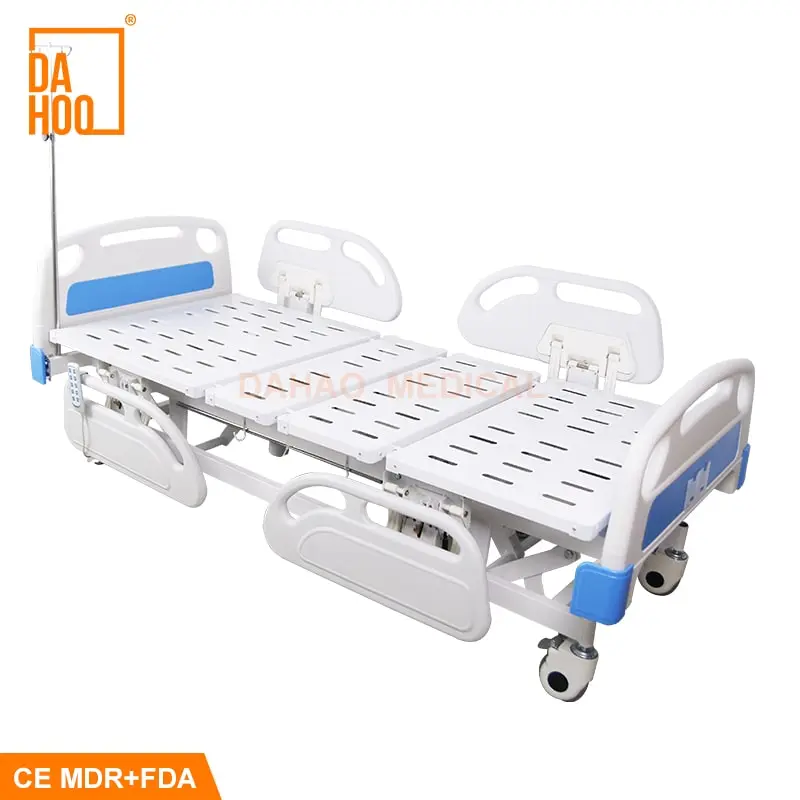
An electric hospital bed is a medical bed driven by a motor, adjustable using a remote control or bedside control panel. Back elevation, leg adjustment, and bed height adjustments are all performed by electric actuators. Manual beds, on the other hand, rely on a crank handle for manual adjustment of angle or height by caregivers.
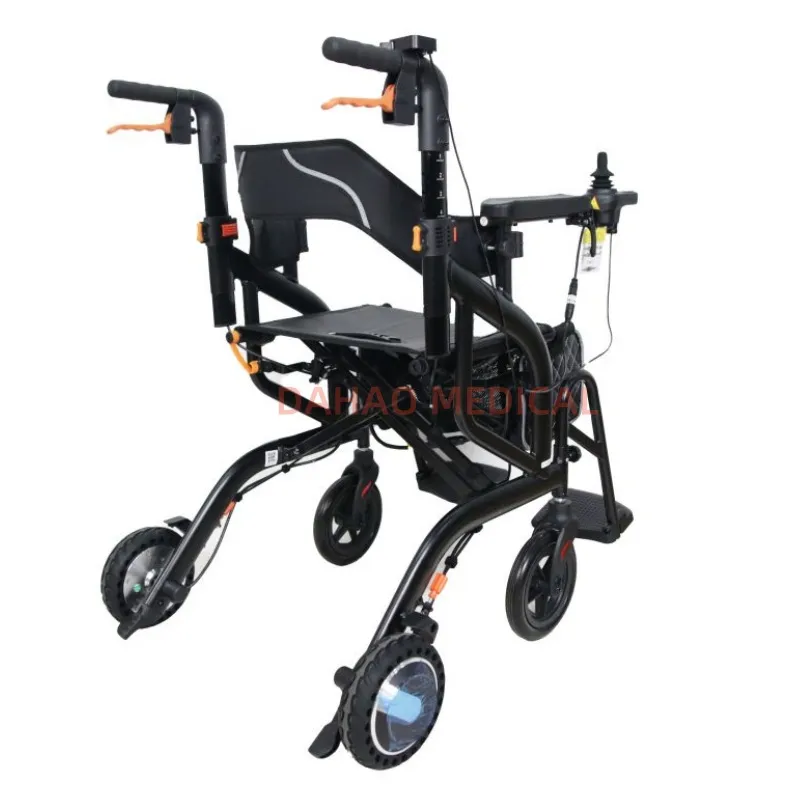
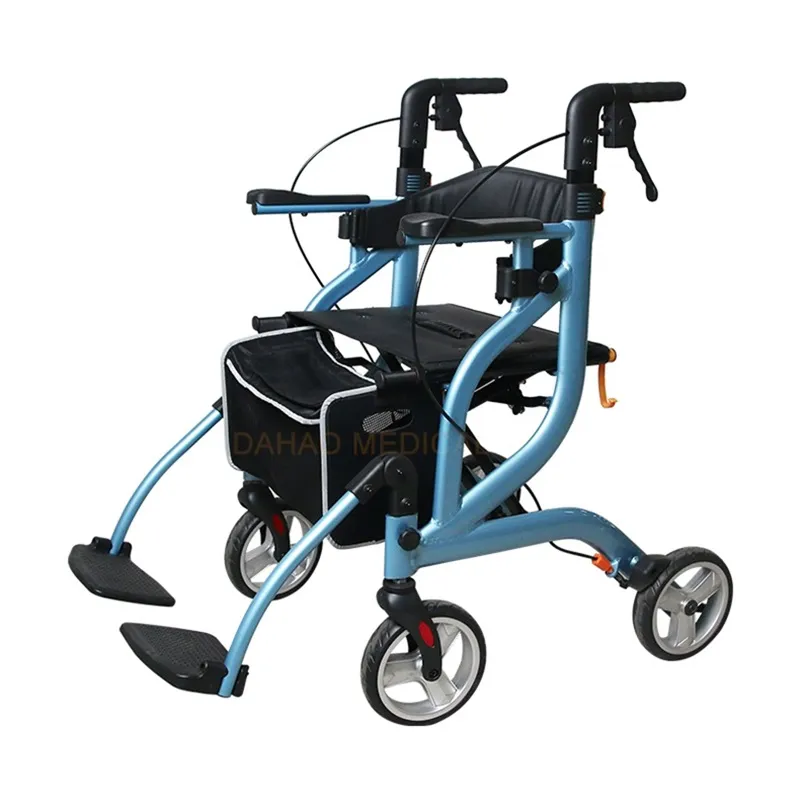
When it comes to "what a 4-wheel rollator walker is used for," many people's first impression is "to help with walking." But in reality, it can do much more than that. It can be used for daily walking support, outdoor mobility, carrying shopping items, resting, and even carrying light loads.
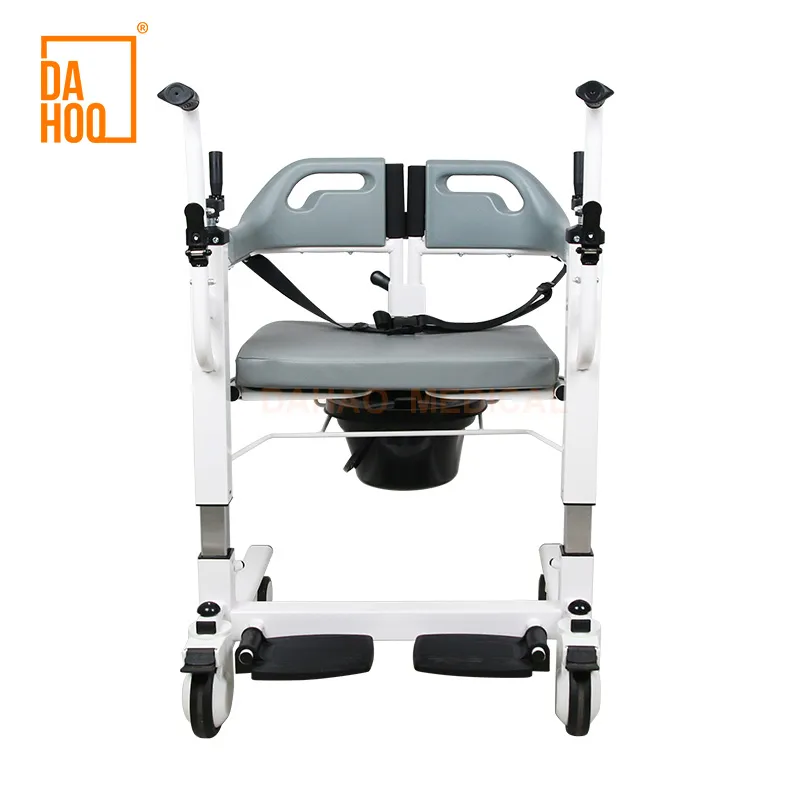
Yes. Many height-adjustable transfer chairs have electric or hydraulic lifting systems, allowing caregivers to easily adjust the chair's height to be level with the toilet. This allows patients to sit down and stand up more smoothly and naturally.
Home care beds can be divided into:
• Manual home nursing bed
• Two-function electric nursing bed
• Three-function electric nursing bed
• Five-function electric nursing bed
• Multi-functional electric nursing bed
• Nursing bed with bedpan
• Side-turning nursing bed
• Folding nursing bed
• Split-type/integrated nursing bed
The biggest difference between a 4-wheeled rollator walker and a traditional walking frame is that it is equipped with wheels, a braking system, and a built-in seat. This design is to meet the user's need to "rest at any time" while walking.
If you can still walk, but have difficulty walking for extended periods, then a 4-wheel rollator walker is a better choice.
If you cannot walk safely or have very limited mobility, then an electric wheelchair is a better choice.
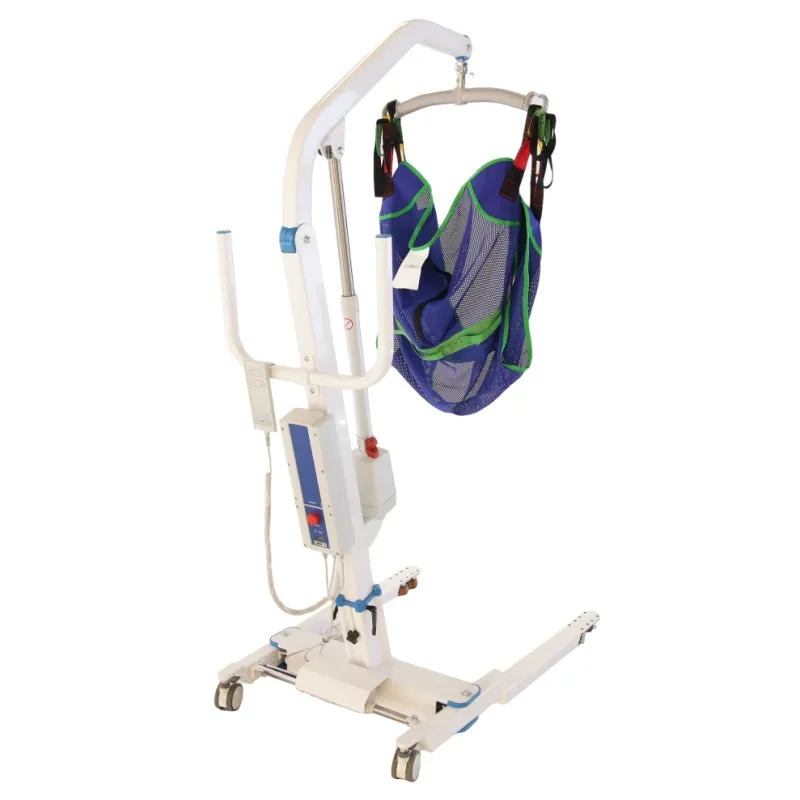
To ensure the patient lifter safely, reliably, and comfortably transfers the patient, nursing staff must:
• Be familiar with the equipment's structure
• Correctly select and wear the sling
• Always maintain slow and steady movements
• Observe the patient's physical response
• Inspect the equipment and environment before operation