

Electric wheelchairs have become an essential means of helping elderly people, people with disabilities, and those recovering from medical procedures. The increasing demand for medical rehabilitation and assisted mobility services, combined with the aging population worldwide, have led to more electric wheelchairs being used. These wheelchairs, supported by motors, batteries, controllers, and intelligent systems, greatly enhance users' independences, allowing even those who have difficulties in movement to move about freely.However, in recent years, there has been increasing concern surrounding the safe use of electric wheelchairs with some users deliberately removing the speed limiter. They believe that electric wheelchairs are powered by strong motors, big batteries, yet they are still limited in speed by the manufacturer only and not by the devices themselves.Thus, they attempt to change the controller software, replace the control module, tweak the controller, and even unprofessional method of changing the motor output in order to let the electric wheelchair get faster on the surface. In fact, the device will be faster just by removing the limiter as it is just the hardware being unlocked. The speed limit of an wheelchair is more than a software lock. This is a safeguard, essential and determined by factors such as the vehicle body, safety features, motor load, braking capacity, and the user's condition, among others.
Certain wheelchairs are much closer to cars while others more like scooters. The main users of electric wheelchairs are people with mobility impairment, including older people, individuals with insufficient muscle strength, those with balance problems, and patients undergoing rehabilitation for a long time. These customers are not aiming at getting a very good speed, they need a safe means of getting about with a wheelchair that can be predicted to work reliably. Inappropriate change of the speed limit can be an unsafe change that may even lead to steering instability, longer braking distance, motor fatigue, faster battery drain, and in the wrong environment, increased danger of collision and injury due to falls.
Professional electric wheelchair manufactures have developed and made available products that are carefully designed for maximum safety and mobility. As a medical assistive device, safety is of utmost consideration. The human body and physical characteristics are considered by these manufacturers. That is why these features come with the speed as specified. Besides that, the ISO/TC 173 international committee for standardizing wheelchairs, in its ISO 7176-6 standard, has laid down the maximum speed testing method for electric wheelchairs, applicable, also, to wheelchair-type mobility aids with a maximum speed not greater than 15 km/h. Moreover, in the standard ISO 7176-14, the committee describes the requirements for safety and performance testing of power and control systems for electric wheelchairs.
In conclusion, limiting the speed of an electric wheelchair is not meant to reduce the performance quality. A well-thought-out measure to ensure user safety, motor longevity, and a stable product's work is the primary reason for such speed limitation. Therefore, all those involved at home, medical equipment buyers, and nursing facilities can benefit from understanding this important matter when choosing and using an electric wheelchair.
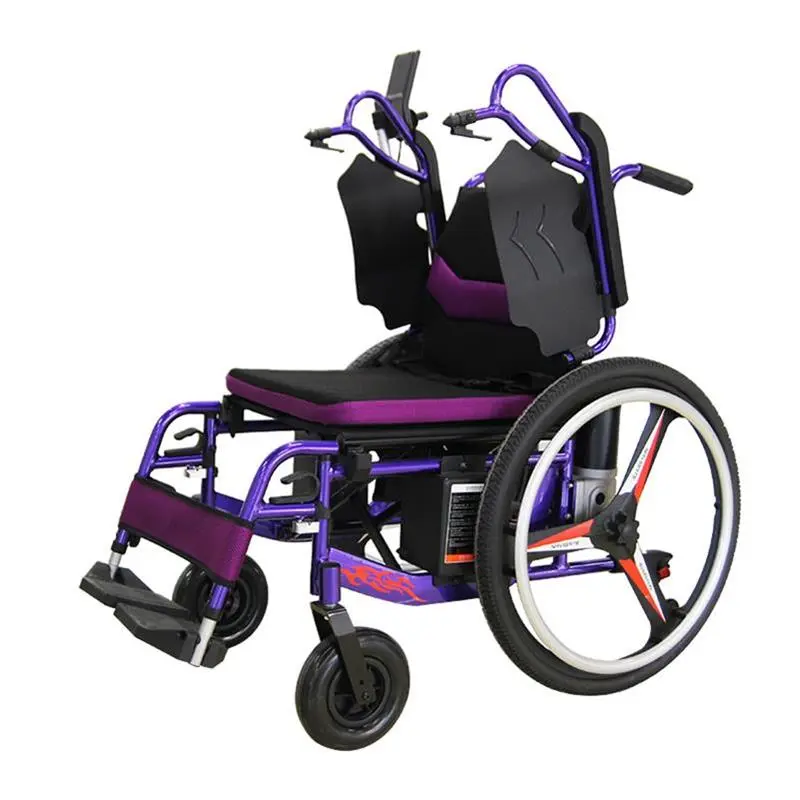
Why is there a need for speed limits on power wheelchairs?
Many people who are first-time power wheelchair users are surprised by this: "Why isn't my electric wheelchair able to go as fast as a regular electric car?"
In reality, the question should be considered from two different viewpoints: product positioning and usage environment.
Normal transportation devices are primarily designed to maximize transport speed and, secondly, to ensure safety. On the other hand, power wheelchairs serve the main purpose of helping disabled individuals to move safely. Hence, the speed requirements of both are very different.
Along with smooth roads, the electric wheelchair is required to move through various indoor environments like home rooms, hospital corridors, passageways of nursing homes, malls, entrances of elevators, sidewalks, and streets within the community.
The user at home may face challenges like turning around around furniture, accessing narrow doorways, and moving around the available limited space. A high wheelchair speed may not allow the user to make quick direction changes. To give a concrete example, in an indoor setting, if your wheelchair speed is about 5 to 6 km/h on average then you have sufficient mobility speed for daily routines whereas when you speed is forcibly raised to over 10 km/h, despite of a high speed on a straight road, the reaction time to furniture, edges, and the pedestrians will be greatly decreased when a wheelchair hits them.
In addition, it is quite common that power wheelchairs are pretty heavy. For an average domestic power wheelchair, the weight without the chair itself is anywhere from 4 to 10 times that of 4 to 10 kg which would make the total mobile weight even with only the weight of the user, exceeding 120 kg at the minimum which can go even up to 150 kg or beyond.
Hence speed limits mainly refer to risk control. They are there to maintain motor output, tire grip, braking system and user control within a safely manageable range.
Absolutely, limit on electric wheelchair speed is not merely a software barrier.
A few users would think that by simply adjusting the controller's parameters via a computer, they could remove limits on speed. Nevertheless, speed control is really an integrated system of the product rather than being only influenced by a solitary factor.
The speed of the wheelchair is usually restricted depending on:
motor power;
controller current;
battery voltage & capacity;
transmission gear ratio;
driving wheel size;
strenghht of the frame;
braking system characteristics;
mass of user.
Take as an example a wheelchair with two 250W motors. The controller output will be adjusted by the manufacturer based upon the motor's power. It is possible, for example, by increasing the motor controller output that the motor will be running in a speed mode that exceeds its design parameters and this can result in such problems as elevated motor temperatures, damaged coils and the life expectancy of the power system being affected.
In the same way, the controller should not only be compatible with the motor but it should also be compatible with the battery, in a situation where increasing speed requires the motor to output greater current, it means that battery discharge pressure is also increased. Long speed operations can rapidly shorten the useful life of the battery and, as a result, the wheelchair's range will diminish, for example, from 20 km to just 15 km or, even worse, less than that.
Besides the fact that a limit on speed is not a manufacturer's intentional move, such a feature is actually embedded in the whole of the vehicle engineering design through which a power wheelchair functions.
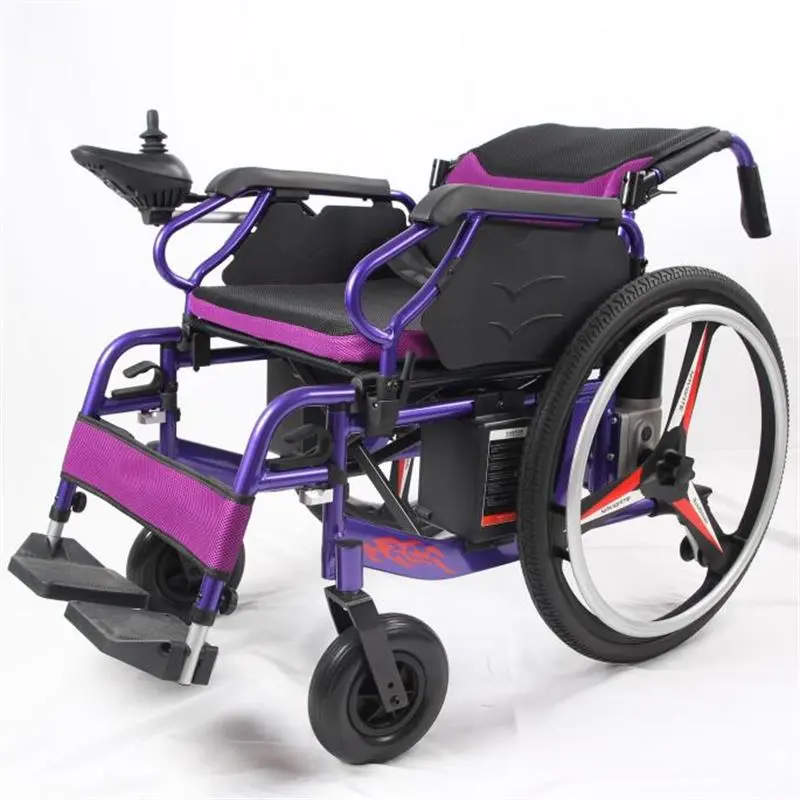
What safety risks arise from unauthorized removal of speed limits on power wheelchairs?
I. Reduced Steering Stability at High Speeds
The most important features of power wheelchairs are stability and ease of control, not high-speed performance.
As speed increases, the vehicle generates greater lateral forces when turning. If a user suddenly turns at high speed, especially on slopes, slippery surfaces, or uneven terrain, the electric wheelchair may veer off course or even tip over.
This risk is more pronounced for users with weaker body control. Many elderly users, while capable of operating power wheelchairs, may lack the reaction speed, hand dexterity, and balance necessary for high-speed driving.
For example, a power wheelchair designed for 6 km/h, if modified to reach 10 km/h, may feel faster on flat roads, but the safety risks increase significantly when entering narrow spaces or encountering obstacles.
II. Increased Braking Distance, Making Emergency Control More Difficult
The higher the speed, the longer the distance required for the vehicle to stop.
The braking system of a power wheelchair primarily relies on electromagnetic braking, motor reverse resistance, and mechanical structures. If the speed exceeds the original design speed, the braking system will not increase accordingly, potentially resulting in "increased power, but no increase in braking force."
For example, an electric wheelchair can safely stop at 5 km/h, but if the speed increases to 10 km/h, even with the braking system functioning normally, it will require a longer distance to come to a complete stop.
In environments such as hospitals, nursing homes, and homes, sudden obstacles are very common, such as children crossing, pets moving, or doors suddenly closing. If the speed is too high, the user may not have enough time to avoid them.
III. Increased Wear and Tear on the Motor and Controller
While electric wheelchair motors are highly reliable, they are not designed for unlimited operation.
Prolonged high-speed use increases the workload on the motor, especially under the following conditions:
Heavy user weight;
Slope;
Continuous long-term use;
Low battery power.
When the motor operates under continuous high load, it generates more heat. Insufficient heat dissipation can lead to decreased efficiency and even affect the lifespan of components.
The same applies to the controller. The controller is responsible for regulating the current output. If it operates beyond its design parameters for extended periods, it may overheat, malfunction, or trigger protection mechanisms.
IV. Reduced Battery Life
Many users find a significant problem after removing speed limits: while speed increases, battery life decreases.
The reason is simple: increased speed means the motor needs more energy to operate.
For example, an electric wheelchair equipped with a 24V 20Ah battery pack might have a range of around 20 kilometers at normal speed. With prolonged high-speed operation, the actual range could decrease by 20% or more.
For users who need to go shopping, undergo rehabilitation training, or have hospital checkups daily, reduced range can cause greater inconvenience.
What is the rationale behind manufacturers placing a cap on power wheelchairs' top speed?
Manufacturers producing power wheelchairs for professional use are not solely focused on making the wheelchair as fast as possible. In fact, they take various user needs into account and comprehensively optimize accordingly.
First of all, the wheelchair should not be faster than the user’s capability of controlling it. A device with a wheel at both ends does not necessarily make a user who does not have experience driving cars a professional driver, so it should be user-friendly, safe, and straightforward to use.
Naturally, the speed should also meet the structural strength of a wheelchair. Frame, tires, bearings, suspension, braking system have to be matched to the targeted speed of the electric wheelchair. If the speed is going to be higher, the whole machine has to be redesigned, not just changing the parameter in one controller.
Moreover, speed limiters can help prolong the product's life by the reasonable speed reducing the mechanical impact, the motor and battery parts being minimally affected by the wearing and tear. In that case, the wheelchair is capable of stable running over an extend period.
Finally, the speed restriction serves the requirements of safe operation set by the industry. In a way, assistive medical devices like power wheelchairs should be safety-oriented instead of just speed-oriented. The standards also contain test items that are related to maximum speed, electronic control, and power safety.
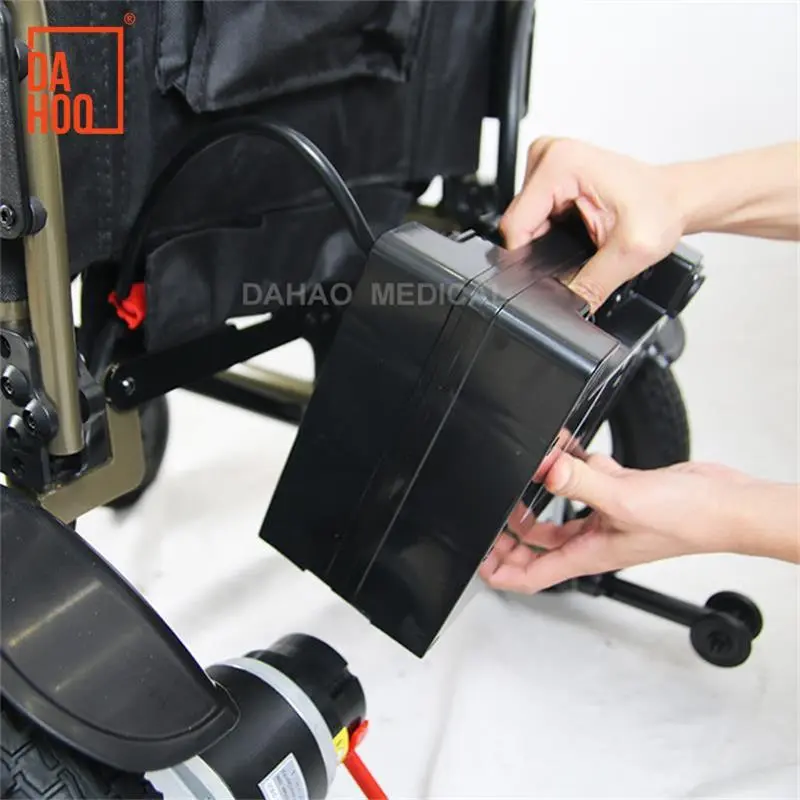
What steps can a person take if they think the speed of a power wheelchair is slow?
The right thing to do when one’s speed is limited by the wheelchair is to get professional help and not to disable the limitation alone.
A first thing to do: look for any problem that can cause the performance issues. The speed may be down to the fact that the product itself had limitations set by the manufacturer or it could be a result of old battery, worn out motor, or control malfunction.
Examples of the above:
After many years of use, the battery has become less effective;
Faulty tires cause higher resistance because of the lack of pressure;
Motor does less work with higher speed;
The control system starts to protect the wheelchair automatically.
Contact the product owner or expert repair technician for further details if necessary. Some e_wheelchair products may allow certain types of adjustment as changing from one speed mode to another: indoor, outdoor mode, caregiver mode depending on surroundings.
Those who require greater independence or mobility in everyday life should consider switching to the electric wheelchair model that is better fit for them. A good example of this could be a wheelchair user who spends most of the free time outside will go for the wheelchair with:
Higher capacity battery;
Super strong hill climbing ability;
Bigger and more stable frame;
Outdoor-friendly tires.
In fact, these are the real improvements that bring higher user satisfaction as opposed to speed bumping.
Different Types of Electric Wheelchairs Should Be Selected for Different Usage Environments
Many users want higher speeds because the electric wheelchair they purchase doesn't match their actual needs.
If primarily used in a home environment, priority should be given to:
Steering flexibility;
Capability in confined spaces;
Low-speed stability.
If primarily used outdoors, attention should be paid to:
Battery range;
Tire clearance;
Climbing performance;
Frame stability.
If a user needs to travel long distances daily, an electric wheelchair with a 30km range and a stable speed of around 6km/h may be more practical than a faster product with insufficient range.
Therefore, when choosing an electric wheelchair, one should not only focus on the maximum speed but also on whether the overall performance meets their daily needs.
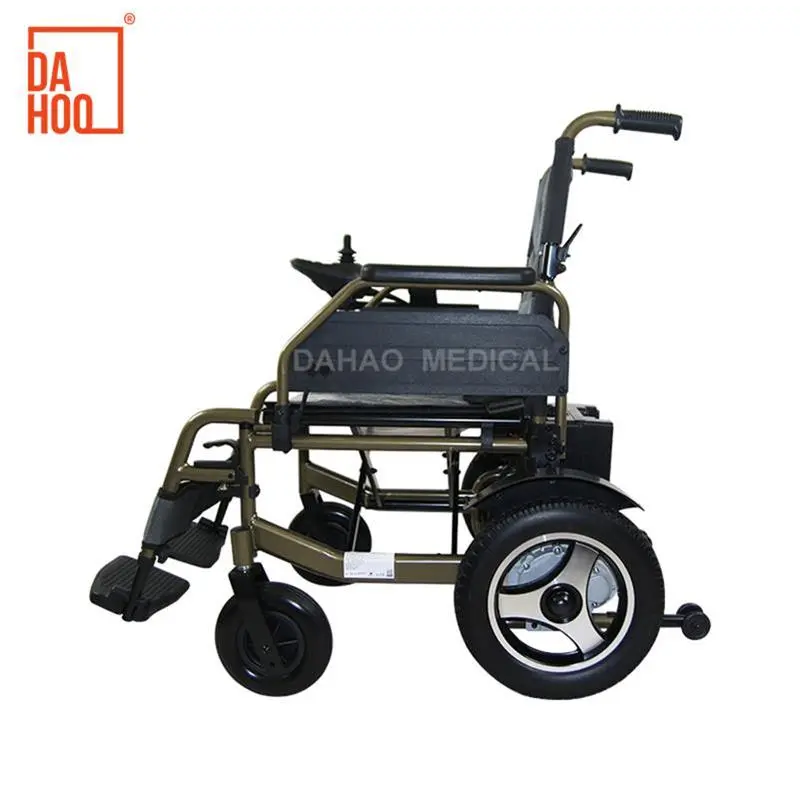
FAQ: Frequently Asked Questions about Electric Wheelchair Speed Limitations
Q1: Why is my electric wheelchair slower than others?
Different models of electric wheelchairs have different speeds, mainly affected by motor power, battery capacity, controller settings, product positioning, and safety design. A significant decrease in speed may indicate a problem with the battery, motor, or control system.
Q2: Will removing the speed limit on an electric wheelchair improve performance?
You might feel a temporary increase in speed, but this will increase the load on the motor, controller, and battery, reducing safety and lifespan. Therefore, unauthorized modification is not recommended.
Q3: What is the normal speed for an electric wheelchair?
Common speeds for home electric wheelchairs are generally around 4 km/h to 8 km/h, with adjustments made for different products based on their intended use. Some standards also cover devices with a maximum speed test range of no more than 15 km/h.
Q4: What should I do if I feel my power wheelchair's speed is insufficient?
It is recommended to first check if the battery, motor, and control system are functioning properly. If higher performance is required, choose a power wheelchair that better suits your needs, rather than modifying the original device limits.
Q5: Is a faster power wheelchair always better?
No. For most users, stability, safety, battery life, and handling comfort are more important than maximum speed.