

As the global population ages and the demand for mobility aids grows among people with disabilities, those recovering from surgery, and individuals with reduced mobility, the electric wheelchair industry is undergoing a significant product evolution. Wheelchairs have evolved from basic transport tools into high-end mobility devices that combine lightweight construction, intelligent controls, portability, and user comfort—serving as vital equipment that enhances user independence.
Amidst this evolution, carbon fiber electric wheelchairs have emerged as a focal point of the high-end market. Compared to traditional steel or some aluminum alloy models, carbon fiber wheelchairs offer superior lightness, high structural strength, excellent corrosion resistance, and greater design flexibility, leading an increasing number of premium brands to adopt this material. They are becoming a preferred choice, particularly for users who prioritize portability, extended mobility range, and a superior overall user experience.
So, who exactly are carbon fiber electric wheelchairs for? Why are more high-end models adopting carbon fiber? What specific industry pain points does this material address compared to traditional wheelchair designs? This article provides a detailed analysis covering user needs, material advantages, industry trends, and purchasing considerations.
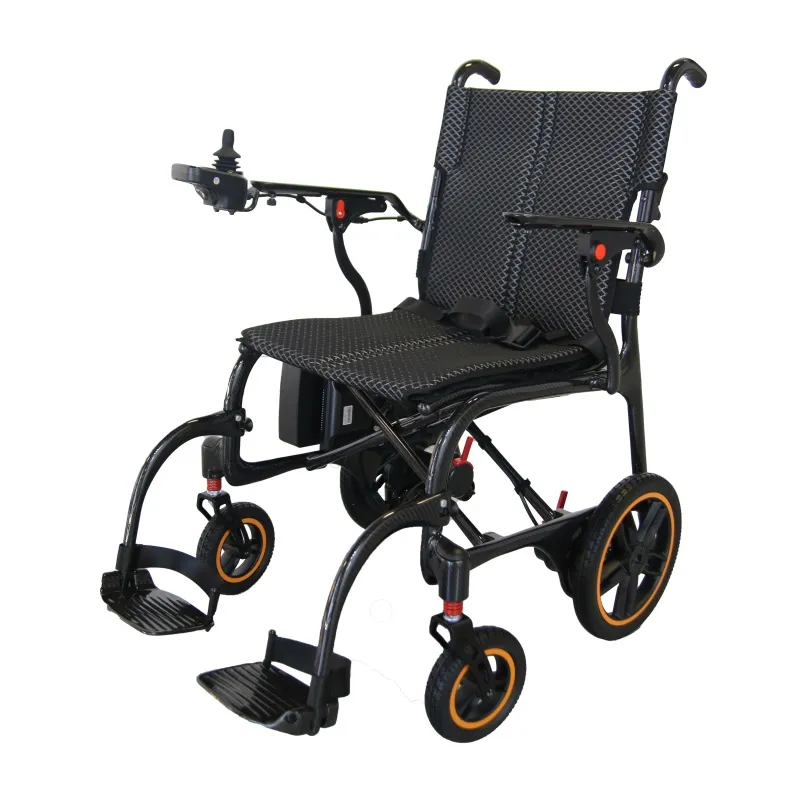
What advantages do carbon fiber power wheelchairs offer over standard models?
1.Lightweight design for greater travel convenience
For electric wheelchair users, weight is a critical factor influencing the user experience. Many users do not spend their entire day seated in the wheelchair; instead, they rely on it to expand their range of activities—such as shopping, socializing, traveling, or making short trips.
Due to the weight of components like the frame, battery, and motor, traditional electric wheelchairs often weigh over 30 kilograms, with some large models reaching 40 to 50 kilograms. While such weight provides stability, it creates significant challenges for handling and transport.
In contrast, electric wheelchairs featuring carbon fiber structures can significantly reduce the vehicle's total mass by lowering the frame's weight. Currently, the total weight of some lightweight carbon fiber electric wheelchairs can be kept within the 15–20 kilogram range, though the exact weight varies based on battery capacity, motor specifications, and functional features.
The reduction in weight brings benefits that extend beyond easier handling; it also enhances the user's freedom and quality of life. For instance, users can more easily load the wheelchair into a car trunk, reducing the physical strain on family members who assist with lifting and making it easier to adapt to various travel scenarios.
Therefore, for individuals with mobility impairments who frequently go out, the greatest value of a carbon fiber power wheelchair lies not merely in its reduced weight, but in the greater freedom of movement that this lightweight design affords the user.
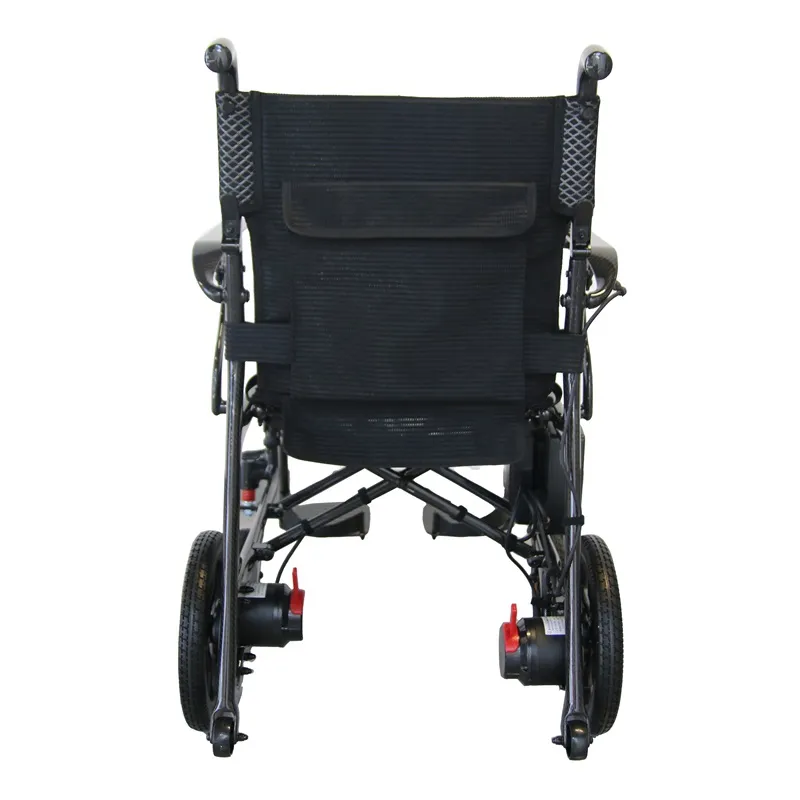
How does a high-strength carbon fiber structure ensure safety?
When encountering carbon fiber electric wheelchairs for the first time, many consumers wonder: given how light carbon fiber is, does it compromise safety?
In reality, a lightweight design does not equate to reduced structural strength. A key characteristic of carbon fiber is its high strength-to-weight ratio. With proper structural design, carbon fiber can withstand significant pressure and impact while maintaining a low weight.
During use, an electric wheelchair frame must withstand various forces, including the user's weight, road vibrations during travel, lateral forces during turns, and load fluctuations when navigating inclines. Consequently, a high-quality carbon fiber electric wheelchair is not simply a product with less material; rather, it achieves a balance between lightness and stability through optimized fiber orientation, structural design, and connection methods.
Currently, medical-grade and high-end carbon fiber electric wheelchairs on the market typically offer a load capacity of around 100–150 kg, with some reinforced models capable of supporting heavier loads; specific capacities depend on product design and certification standards.
When selecting a carbon fiber electric wheelchair, users should look beyond weight and consider factors such as frame structure, load capacity, motor performance, and safety features.
Who are carbon fiber power wheelchairs suitable for?
While carbon fiber power wheelchairs offer distinct advantages, not every user needs to choose the top-tier model. Different individuals have varying needs, so the choice should be based on actual living environments and frequency of use.
First, individuals with mobility impairments who frequently go out are a key target demographic. These users often engage in outdoor activities—such as shopping, working, socializing, or traveling—and prioritize ease of transport, maneuverability, and adaptability to different environments. Compared to heavier traditional electric wheelchairs, carbon fiber models offer superior portability.
Second, carbon fiber electric wheelchairs are highly suitable for elderly users who require assistance from family members for lifting or transport. Although many elderly individuals retain some mobility, a decline in physical strength often prevents them from independently handling heavy wheelchairs. Reducing the wheelchair's weight makes tasks such as loading it into a vehicle or moving it indoors much easier for family members.
Thirdly, these wheelchairs are ideal for those who travel frequently. In recent years, an increasing number of people with limited mobility wish to expand their horizons through high-speed rail, air travel, or road trips, placing higher demands on wheelchair portability. Lightweight, foldable, and easily transportable carbon fiber electric wheelchairs are better suited to these mobility needs.
Furthermore, carbon fiber electric wheelchairs appeal to users who prioritize a high-quality experience. Modern consumers care not only about basic mobility but also about aesthetics, ease of control, and long-term comfort. Carbon fiber offers excellent design versatility, enabling a sleek, modern appearance, which has made it a key focus for high-end wheelchair brands.
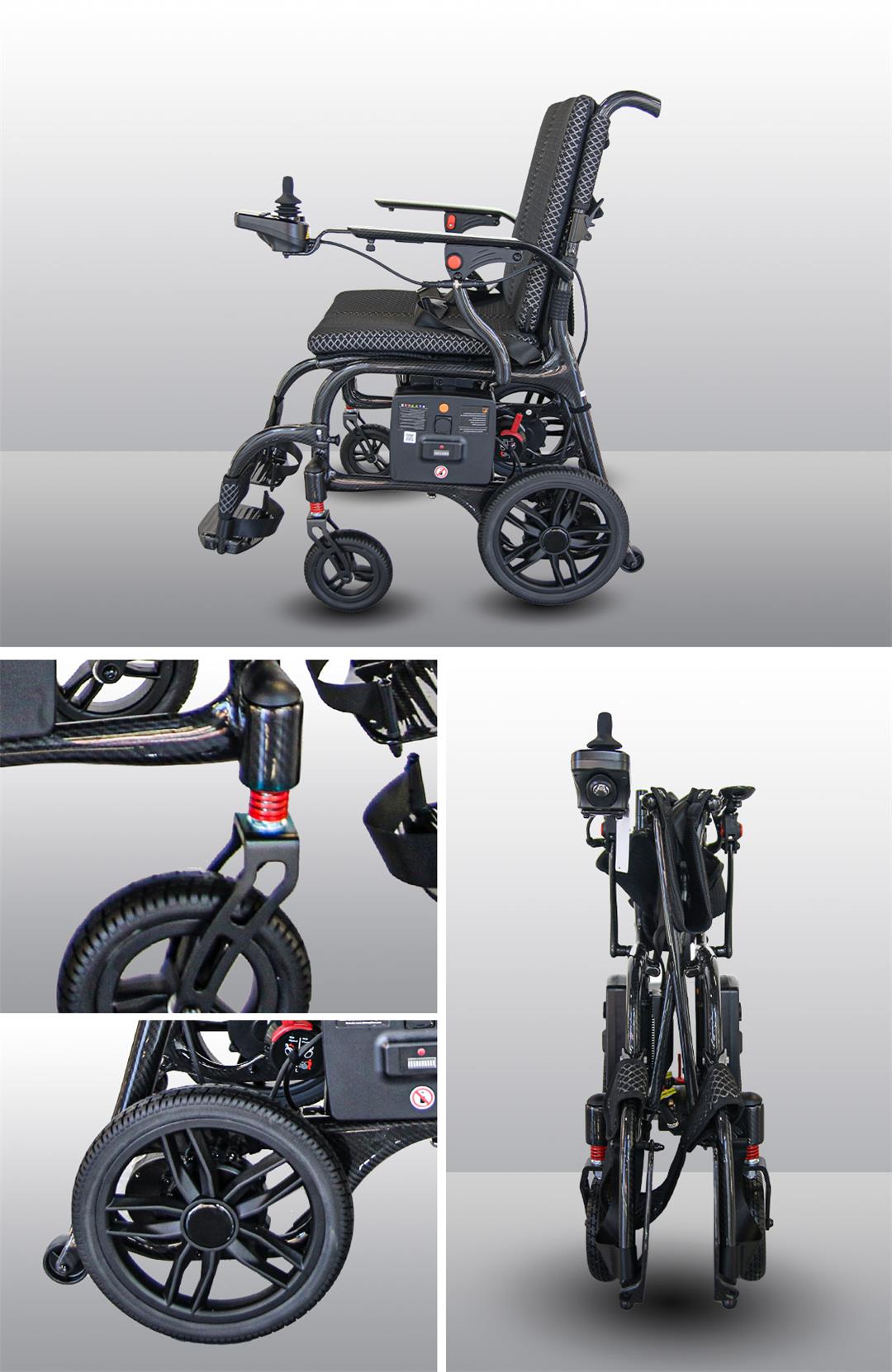
What industry pain points do carbon fiber power wheelchairs address?
The electric wheelchair industry has long grappled with several core issues, the most prominent being the conflict between weight and portability.
To ensure stability, traditional electric wheelchairs often rely on heavy metal structures, resulting in increased weight. This added weight compromises portability, creating a trade-off between stability and ease of movement.
Carbon fiber power wheelchairs resolve this issue to a significant extent through material innovation. By reducing weight while maintaining structural integrity, they are better aligned with the demands of modern, mobile lifestyles.
A second pain point is a lack of focus on user experience.
Historically, many wheelchair products were designed primarily around medical functionality—prioritizing durability and basic mobility—while overlooking user needs regarding comfort, aesthetics, and lifestyle integration. With the growing demographic of younger people with disabilities and the expansion of the high-end elderly care market, wheelchairs are gradually evolving from purely medical devices into lifestyle-oriented mobility aids.
Carbon fiber power wheelchairs have improved user acceptance through their lightweight design, modern aesthetics, and superior handling.
A third pain point is the limited market penetration of high-performance products.
Currently, carbon fiber electric wheelchairs are generally more expensive than standard models. This is primarily due to the high cost of raw carbon fiber materials, complex manufacturing processes, and the need for rigorous quality control during production. Therefore, the industry needs to further optimize production processes, improve material utilization rates, and reduce manufacturing costs so that more users can enjoy the benefits offered by carbon fiber technology.
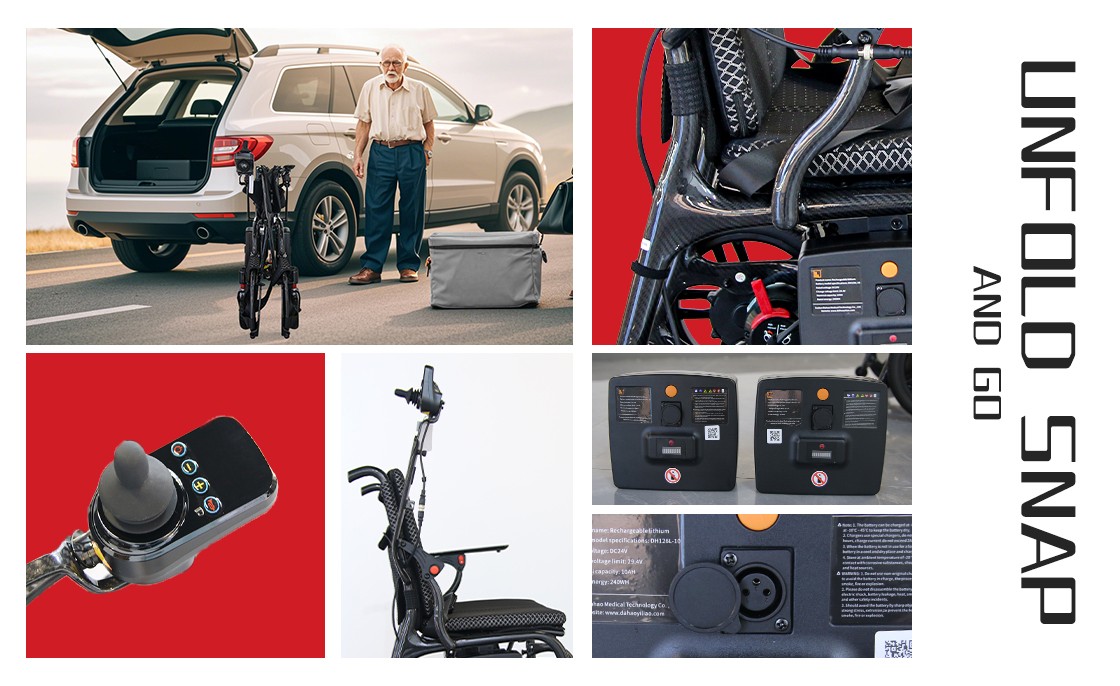
FAQ: Common Questions About Carbon Fiber Electric Wheelchairs
Q1: Are carbon fiber electric wheelchairs suitable for all elderly users?
Carbon fiber electric wheelchairs are suitable for elderly individuals who require mobility assistance—particularly those who frequently go out, need to transport the wheelchair in a vehicle, or rely on family members to lift and carry it. However, the specific choice should be based on the user's physical condition, operational ability, and intended usage environment.
Q2: Why are carbon fiber electric wheelchairs relatively expensive?
The primary reasons include the high cost of carbon fiber materials, complex processing techniques, and stricter manufacturing requirements. Additionally, high-end carbon fiber electric wheelchairs are often equipped with higher-performance motors, batteries, and control systems.
Q3: How much lighter are carbon fiber power wheelchairs compared to aluminum alloy ones?
The exact weight difference depends on the product's structure and configuration. Some carbon fiber power wheelchairs can weigh several kilograms less than traditional aluminum alloy or steel models; for users who need to lift or travel with the wheelchair, this difference significantly impacts the user experience.
Q4: Are carbon fiber electric wheelchairs safe?
Carbon fiber electric wheelchairs produced by reputable brands undergo structural design and safety testing to ensure they meet daily usage requirements. When purchasing, buyers should pay close attention to load-bearing capacity, frame design, and after-sales support.
Q5: Will carbon fiber electric wheelchairs become mainstream in the future?
As material costs decrease and user demands evolve, the market share of carbon fiber electric wheelchairs is expected to grow. However, due to cost factors, they will likely coexist with other types of electric wheelchairs—such as steel and aluminum alloy models—for the foreseeable future.
